
For travelers planning a visit to the vibrant city of Chicago, understanding its climate is paramount to ensuring a comfortable and enjoyable experience. One of the most common questions revolves around humidity, a factor that can significantly impact daily activities and packing choices. The direct answer is yes, Chicago can be quite humid, especially during the summer months. However, the extent and impact of this humidity vary significantly throughout the year, influenced by its unique geographical position in the Midwest of the United States.
Understanding Chicago’s Climate Profile
Chicago experiences a humid continental climate, characterized by distinct seasonal changes. Its location in the interior of the continent, combined with the moderating yet moisture-contributing presence of Lake Michigan, creates a dynamic weather pattern that travelers should be aware of.
The Great Lakes Influence
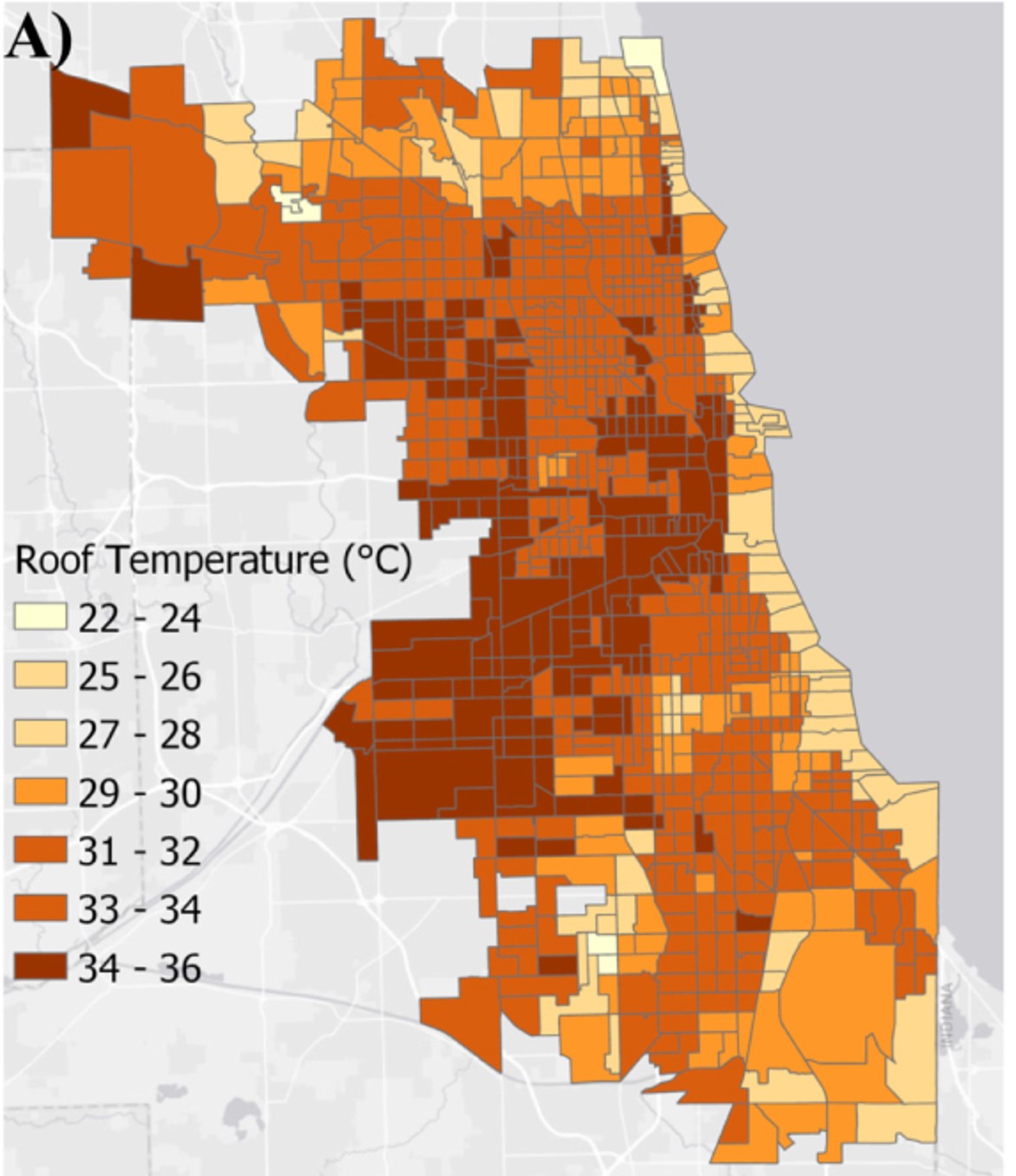
The vast expanse of Lake Michigan plays a dual role in Chicago’s climate. During the warmer months, the lake acts as a significant source of moisture. As warm air masses move over the cooler lake surface, they pick up moisture, leading to increased humidity levels in the city, particularly in areas closer to the shoreline. This phenomenon contributes to the muggy conditions often experienced during summer. Conversely, the lake can also have a tempering effect, sometimes making lakeside areas feel slightly cooler than inland parts of the city on hot days, though often at the cost of higher humidity. The notorious “lake effect” can also bring localized weather patterns, including sudden shifts in temperature and cloud cover, adding another layer of complexity to Chicago’s weather.
Seasonal Humidity Variations
Humidity in Chicago is not a constant; it fluctuates dramatically with the seasons.
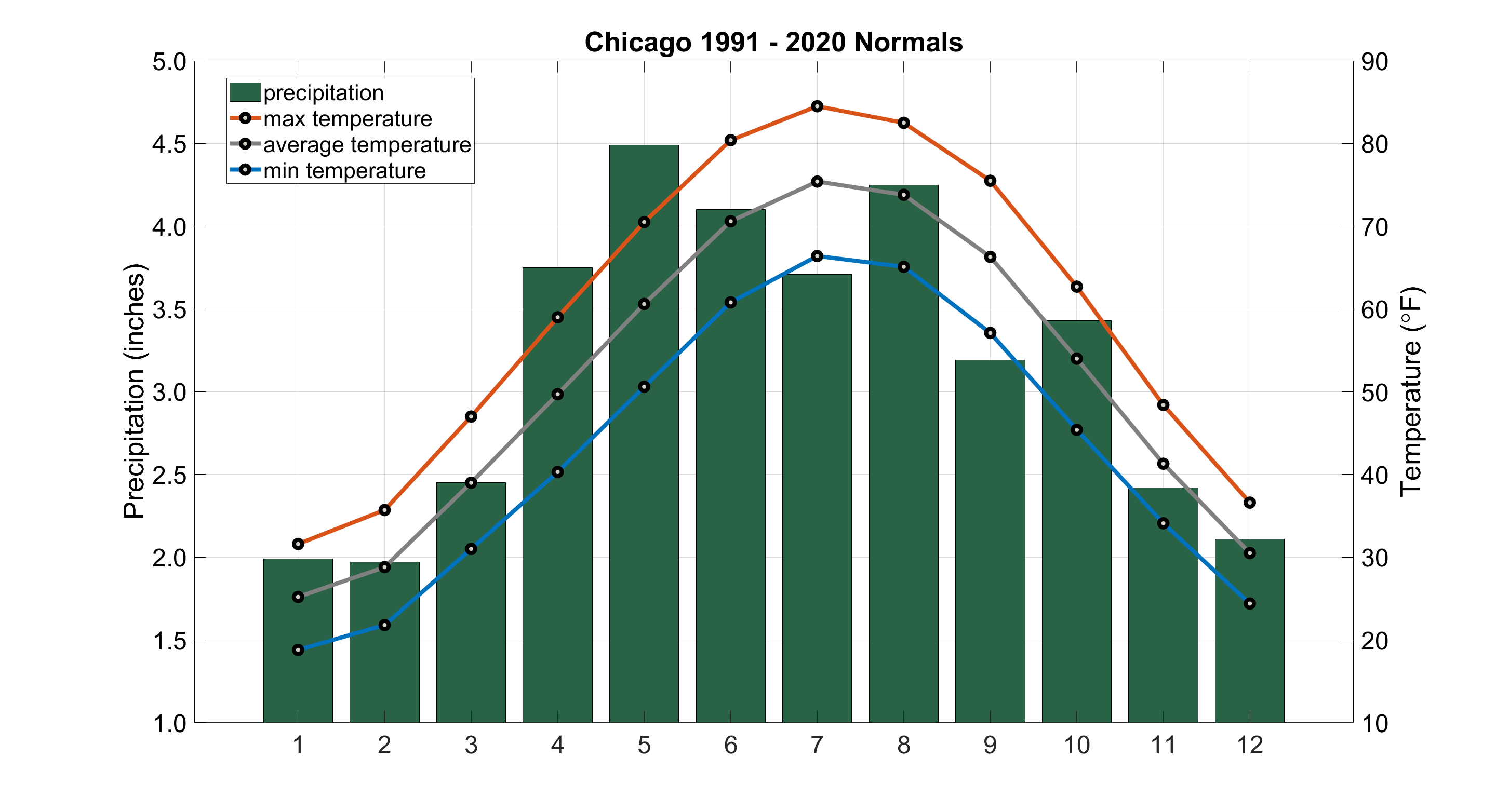
- Summer (June, July, August): This is undeniably the most humid period. Average relative humidity can often hover around 70-80% in the mornings and drop slightly in the afternoons, but the combination of high temperatures (often in the 80s and 90s Fahrenheit, or 27-35°C) and substantial moisture creates a palpable stickiness. Heat indices, which account for both temperature and humidity, can frequently make it feel much hotter than the actual air temperature. Thunderstorms are common during these months, often bringing temporary relief from the heat but sometimes adding to the overall moisture content.
- Spring (March, April, May): Spring is a transitional period. Early spring can still be quite dry and cool, but as temperatures rise and the air masses become more active, humidity begins to increase, particularly in late spring. This season can be unpredictable, with swings from pleasant, low-humidity days to warm, muggy ones.
- Fall (September, October, November): Similar to spring, fall offers a gradual decrease in humidity. Early fall often retains some summer-like warmth and humidity, but as the season progresses, crisp, dry air becomes more prevalent. By late October and November, humidity levels are generally much lower, offering some of the most comfortable weather for exploring.
- Winter (December, January, February): Chicago winters are typically cold and dry. The freezing temperatures mean that the air holds very little moisture. While indoor heating systems can sometimes lead to localized stuffiness, the ambient outdoor air is usually quite dry, often leading to chapped lips and dry skin for those unaccustomed to it.
Understanding these seasonal nuances is crucial for any traveler to Illinois’s largest city, allowing for better planning and preparation.
What to Expect: Summer Humidity in the Windy City
Travelers visiting Chicago during the summer months should be prepared for warmth and significant humidity. This combination can impact everything from your choice of attire to how long you might comfortably spend outdoors.
Impact on Outdoor Activities
The high humidity in summer can make prolonged outdoor activities feel more strenuous. Walking around iconic landmarks like Millennium Park to see “The Bean” (Cloud Gate) or strolling along Navy Pier can be less comfortable than on a dry day. Even a leisurely boat tour on the Chicago River or Lake Michigan might not offer sufficient respite if there’s little breeze. Athletic pursuits, such as cycling along the lakefront trail or exploring Lincoln Park Zoo, will require extra hydration and more frequent breaks.
The high heat index during peak summer often leads locals and seasoned travelers to plan their outdoor excursions for earlier in the morning or later in the evening when temperatures and humidity tend to be slightly lower. Mid-day is often best reserved for air-conditioned indoor attractions.
Managing Comfort Levels
Staying comfortable in Chicago’s summer humidity involves proactive planning. Light, breathable clothing made from natural fibers like cotton or linen is essential. Synthetics that wick moisture away from the skin can also be beneficial for active travelers. Staying hydrated by drinking plenty of water is critical, even if you don’t feel excessively thirsty. Many public spaces, museums, and attractions in Chicago are air-conditioned, providing welcome havens from the heat and humidity. Planning your itinerary with these indoor breaks in mind can make a significant difference in your overall comfort.
Beyond Summer: Humidity in Other Seasons
While summer is the peak of humidity, the other seasons offer a different experience, which can be ideal for travelers sensitive to moisture or seeking a specific kind of climate.
Spring and Fall Transitions
Spring in Chicago (April to May) can be a delightful time to visit, with blooming flowers and generally milder temperatures. While humidity starts to creep up towards late spring, it’s typically much more manageable than in summer. You might encounter some muggy days, but they are often interspersed with crisp, pleasant weather. Packing layers is key for spring travel, as conditions can change rapidly.
Fall (September to October) is often considered one of the best times to experience Chicago. The oppressive summer humidity usually gives way to drier, cooler air, making outdoor activities incredibly enjoyable. The vibrant fall foliage, especially in parks like Lincoln Park or along the North Shore, is spectacular. While early September might still have some lingering warmth and humidity, by mid-October, the air is typically cool and refreshing with low humidity levels.
Winter Dryness
Chicago winters are famously cold, but they are also characterized by very low humidity. The cold air holds significantly less moisture, resulting in dry conditions. While snow and ice are common, the air itself often feels crisp and dry rather than damp or humid. Travelers visiting in winter should be prepared for extreme cold, but humidity will likely be the least of their concerns. Instead, focus on protective clothing, warm layers, and moisturizing to combat the dry air.
Travel Tips for Navigating Chicago’s Humidity
Preparing for Chicago’s climate, particularly during the humid summer months, is crucial for a smooth trip.
Packing Essentials
For summer travel, prioritize lightweight, loose-fitting clothing made from breathable fabrics. Think cotton t-shirts, linen shorts or trousers, and dresses. A wide-brimmed hat and sunglasses are advisable for sun protection. Don’t forget comfortable walking shoes, as you’ll likely be doing a lot of exploring on foot, and humidity can make feet feel hotter and more prone to blistering. If you plan to dine at upscale restaurants, a light jacket or shawl might be useful for air-conditioned interiors, but generally, summer attire is casual. For spring and fall, layers are essential to adapt to changing temperatures and humidity levels throughout the day. A waterproof jacket can also be handy for unexpected showers.
Hydration and Heat Management
Staying hydrated is non-negotiable, especially during the humid summer. Carry a reusable water bottle and refill it frequently at water fountains or cafes. Many attractions and public spaces offer access to water. Schedule breaks in air-conditioned environments, such as museums, shops along the Magnificent Mile, or cafes. Consider starting your day early to enjoy outdoor activities before the peak heat and humidity, then transitioning to indoor attractions during the warmest part of the afternoon. Sunscreen is always recommended, regardless of humidity, to protect your skin.
Indoor Attractions and Escapes
Chicago boasts a world-class array of indoor attractions that serve as perfect escapes from summer humidity. The Art Institute of Chicago, with its extensive collections, offers hours of exploration in climate-controlled comfort. The Field Museum, Shedd Aquarium, and Museum of Science and Industry are excellent choices for families and curious minds. Architectural boat tours provide some breeze, but for truly escaping the elements, consider an architectural walking tour that incorporates indoor segments, or simply marvel at the city’s towering structures from the air-conditioned comfort of the Willis Tower Skydeck or 360 Chicago at the John Hancock Center. Exploring neighborhoods like The Loop or River North also offers plenty of opportunities to pop into shops, galleries, and restaurants.
Accommodation Considerations
When booking accommodation, especially for summer travel, prioritize hotels or apartments with reliable air conditioning. While most modern hotels in Chicago will have central air, confirming this detail can provide peace of mind. Some older buildings or budget accommodations might rely on window units, which can be less efficient at combating high humidity. For longer stays, consider serviced apartments that offer laundry facilities, allowing you to easily refresh your clothing amidst the humid conditions. Proximity to public transportation is also a key factor, as minimizing walking under the summer sun and humidity can significantly enhance comfort.
In conclusion, Chicago’s humidity is a notable characteristic of its summer climate, influenced significantly by Lake Michigan. However, with appropriate planning and understanding of seasonal variations, travelers can easily navigate this aspect of the Windy City and enjoy all the incredible experiences it has to offer, from a stroll through Wrigleyville to world-class dining.
LifeOutOfTheBox is a participant in the Amazon Services LLC Associates Program, an affiliate advertising program designed to provide a means for sites to earn advertising fees by advertising and linking to Amazon.com. Amazon, the Amazon logo, AmazonSupply, and the AmazonSupply logo are trademarks of Amazon.com, Inc. or its affiliates. As an Amazon Associate we earn affiliate commissions from qualifying purchases.