
Absolutely, yes! The vibrant metropolis of Chicago, located in the state of Illinois, proudly operates within the Central Time Zone (CT). This fact, seemingly simple, carries significant implications for anyone planning to visit, reside in, or conduct business with this iconic United States city. From coordinating travel itineraries and maximizing sightseeing opportunities to understanding daily routines and local event schedules, grasping Chicago’s time zone is fundamental to a seamless and enjoyable experience. For travelers arriving from different parts of the world or even just across the country, knowing the time difference can make all the difference between a smooth transition and a confusing start to their adventure.
Understanding Chicago’s time zone also provides a lens through which to appreciate its unique rhythm and pace. The city’s bustling financial districts, world-class museums, renowned culinary scene, and lively entertainment venues all operate on this clock. Whether you’re a first-time tourist eager to explore Millennium Park and the Art Institute of Chicago, a business traveler attending conferences in the Loop, or considering a long-term stay, the CT forms the very backbone of daily life. This comprehensive guide will delve into the nuances of Chicago’s time zone, exploring its practical effects on travel, accommodation, tourism, and the overall lifestyle visitors can expect.
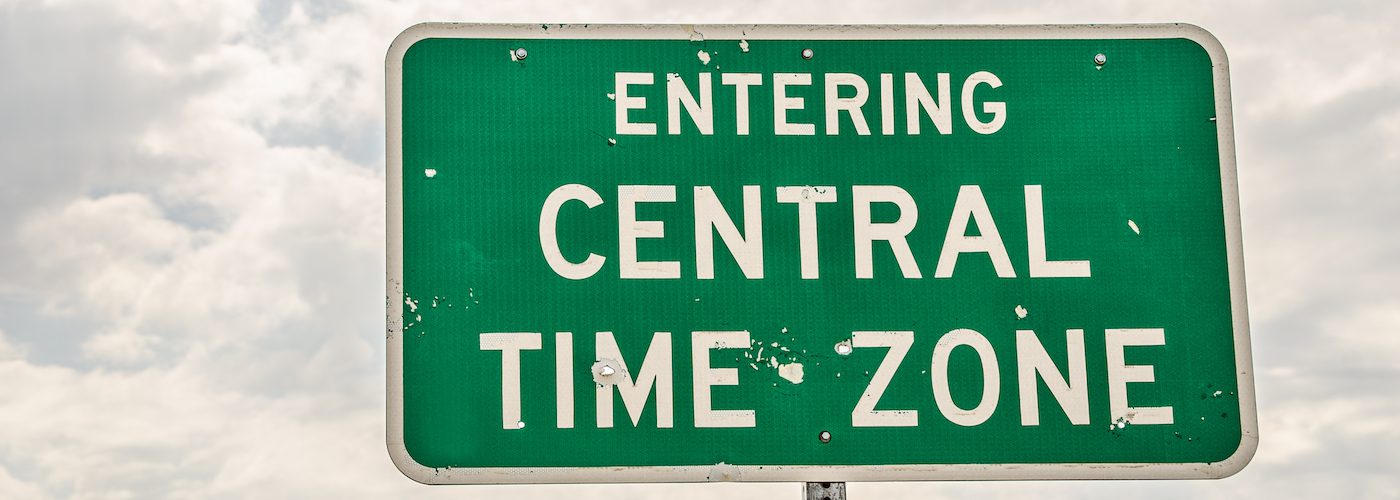
Understanding Chicago’s Time Zone: Central Standard Time (CST) and Central Daylight Time (CDT)
To truly appreciate Chicago’s temporal setting, it’s essential to distinguish between Central Standard Time (CST) and Central Daylight Time (CDT), as the city observes Daylight Saving Time. This seasonal shift significantly impacts the clock and, consequently, daily planning.
The Basics of CST and CDT
Central Standard Time (CST) is observed during the fall and winter months. It is six hours behind Coordinated Universal Time (UTC), often expressed as UTC-6. This means that when it is noon UTC, it is 6:00 AM in Chicago under CST. This standard period reflects the solar time more closely during the shorter daylight days. During this time, the mornings tend to be brighter earlier, and evenings arrive sooner, creating a distinct atmosphere that influences everything from public transport schedules to the operating hours of local businesses and attractions. For visitors, this translates to planning indoor activities or early dinners to make the most of the available daylight.
Conversely, Central Daylight Time (CDT) takes effect during spring and summer. During this period, the clock is advanced by one hour, making it five hours behind Coordinated Universal Time (UTC-5). The shift to CDT is designed to make better use of longer daylight hours, pushing sunset later into the evening. This adjustment provides extended daylight for outdoor activities, evening strolls along the Magnificent Mile, and enjoying Chicago’s vibrant nightlife. The transition to CDT truly transforms the city, inviting residents and tourists alike to linger outdoors, dine al fresco, and partake in events that stretch into the twilight hours, making the experience of exploring landmarks like Navy Pier or enjoying a baseball game at Wrigley Field even more delightful.
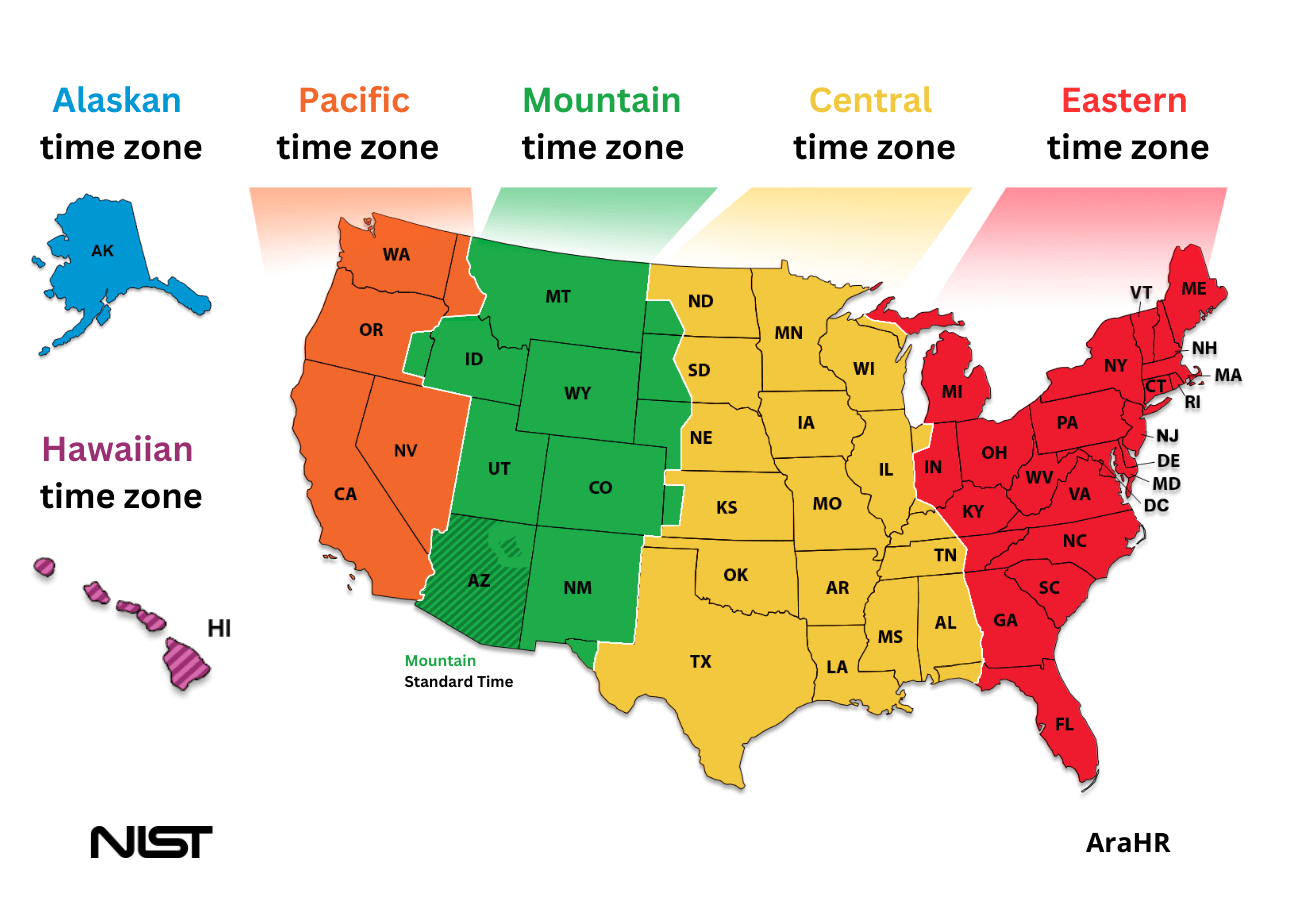
How Daylight Saving Time Impacts Chicago
The observance of Daylight Saving Time (DST) is a critical element of Chicago’s time zone dynamics. Typically, DST begins on the second Sunday in March when clocks “spring forward” by one hour, transitioning from CST to CDT. It ends on the first Sunday in November when clocks “fall back” by one hour, reverting from CDT to CST. This biannual change, while a common practice across much of the United States (with notable exceptions like most of Arizona), can be a point of confusion for travelers.
For those arriving in Chicago around these transition dates, it’s paramount to double-check flight times, hotel check-in/check-out schedules, and any pre-booked tours or appointments. A missed connection or a late arrival due to a miscalculation of the time change can easily disrupt travel plans. Moreover, the change affects local businesses, especially those with fixed operating hours, and public transportation schedules might see minor adjustments. The shift also influences energy consumption, agricultural practices, and even psychological well-being, commonly referred to as “jet lag” or “social jet lag” during the transition periods. Understanding these fundamental shifts between CST and CDT is the first step in ensuring a well-prepared and enjoyable visit to Chicago. The extended daylight in summer allows for longer days of exploration, from a morning visit to the Field Museum to an evening architectural boat tour on the Chicago River, truly maximizing the value of your travel time.
Navigating Chicago as a Traveler: Time Zone Considerations
For any traveler, understanding the local time zone is more than just a trivial detail; it’s a cornerstone of effective planning. In a bustling city like Chicago, where every minute can count, mastering the CT’s rhythm is key to a rewarding journey.
Planning Your Arrival and Departure
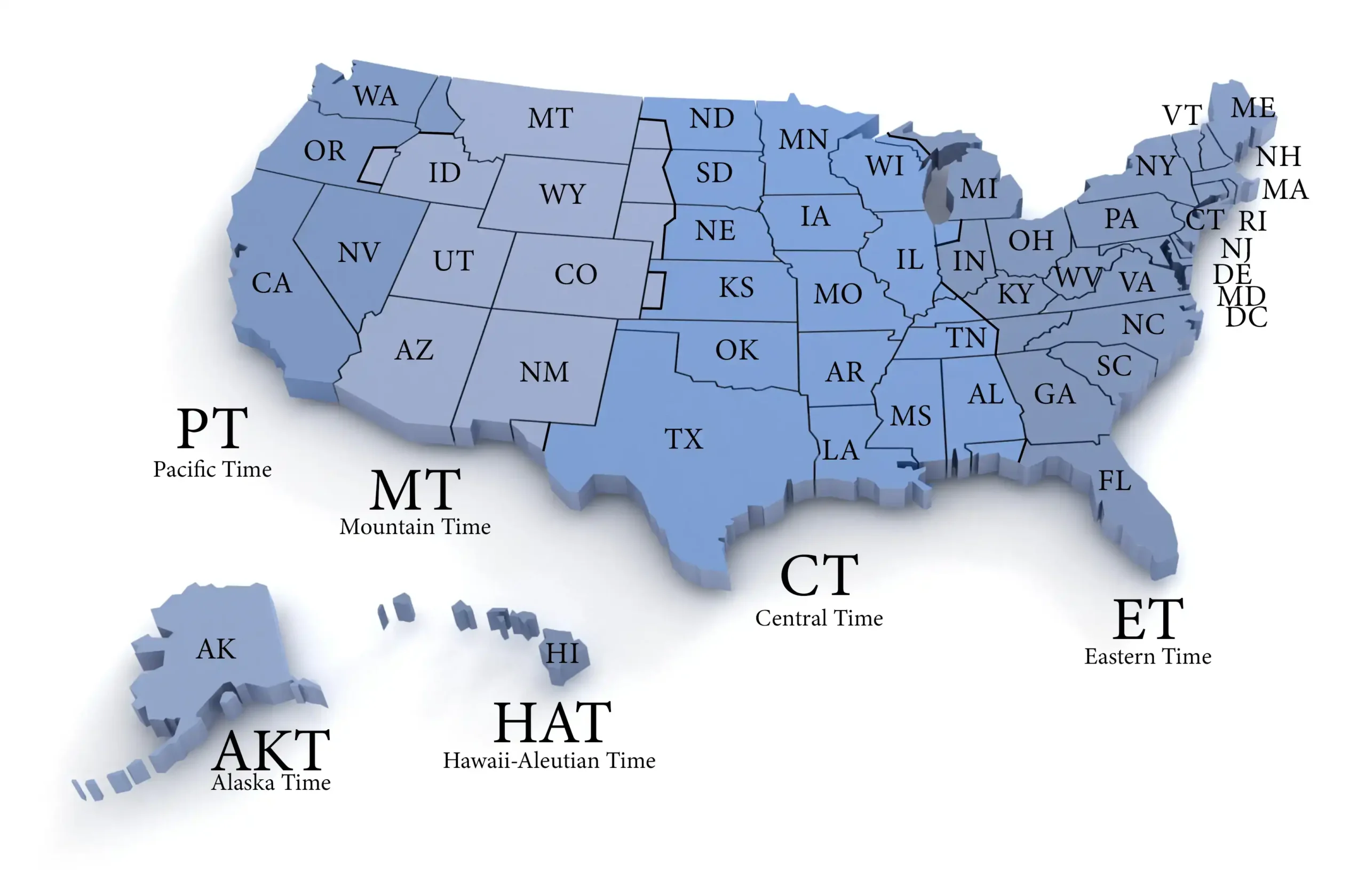
The most immediate impact of Chicago’s time zone will be felt upon arrival and departure. If you’re flying in from the Eastern Time Zone (ET), you’ll “gain” an hour, which can feel like a pleasant bonus for those looking to start their exploration sooner. However, for those coming from the Mountain Time Zone (MT) or Pacific Time Zone (PT), the time difference can result in jet lag, making the first day or two feel sluggish. A strategy for mitigating this involves adjusting your sleep schedule gradually before your trip. For instance, if you’re traveling from Los Angeles, try to go to bed and wake up an hour earlier for a few days before your flight to ease into the CT.
Booking flights, especially connecting ones, requires careful attention to the time zone changes. An itinerary might list departure and arrival times in local time, which means a 3-hour flight could potentially span a 4-hour difference in your perception if you’re traveling eastward, or a 2-hour difference if traveling westward into the CT. Confirming all times in Chicago local time (CST or CDT, depending on the season) will prevent missed flights or inconvenient delays. Similarly, when departing, ensure your return flights are scheduled with ample time to navigate security and check-in processes, taking into account the time zone you’ll be entering upon arrival at your next destination. This detailed approach ensures that your journey to and from Chicago is as smooth as possible, allowing you to focus on the excitement of your destination rather than logistical headaches.
Maximizing Your Itinerary: Attractions and Dining
Chicago’s array of attractions, from the awe-inspiring Willis Tower Skydeck to the reflective beauty of Cloud Gate (affectionately known as “The Bean”) in Millennium Park, all operate on CT. This means that opening and closing times will strictly adhere to CST/CDT. Planning your daily itinerary requires an awareness of these hours, especially if you have limited time. For instance, popular spots like the Shedd Aquarium or the Adler Planetarium might have extended hours during peak tourist seasons in CDT, allowing for more leisurely visits. Conversely, during CST, evenings will come earlier, necessitating a shift to indoor activities sooner.
Dining experiences are also influenced by the time zone. Chicago boasts a world-class culinary scene, with everything from deep-dish pizza joints to Michelin-starred restaurants. Dinner reservations, especially for popular establishments, should be made with the CT in mind. If you’re accustomed to dining later, you might find that many restaurants begin their dinner service earlier in Chicago than in, say, New York. Brunch is a popular weekend activity, and its timing perfectly aligns with the relaxed pace of a Chicago morning, typically starting around 10 AM or 11 AM local time. By aligning your internal clock with the city’s, you’ll be able to enjoy every meal and attraction without feeling rushed or out of sync.
Accommodation and Business Travel Logistics
For those seeking accommodation, Chicago’s diverse range of hotels, from luxury resorts like The Peninsula Chicago and The Langham Chicago to boutique hotels and budget-friendly options, all adhere to standard CT check-in and check-out times. Most hotels typically have a 3:00 PM check-in and an 11:00 AM or 12:00 PM check-out. If you’re arriving early or departing late, consider requesting early check-in or late check-out, or utilize luggage storage services, especially if your body clock is still adjusting. Planning these logistics carefully can significantly enhance your comfort and reduce stress during your stay. Properties like the Four Seasons Hotel Chicago or the historic Palmer House Hilton are well-equipped to assist with these requests, but it’s always best to communicate your needs in advance.
Business travelers, in particular, must be acutely aware of Chicago’s time zone. Conference calls, meetings, and deadlines with colleagues or clients in different time zones require meticulous scheduling. A 9:00 AM meeting in Chicago will be 10:00 AM in New York and 7:00 AM in Los Angeles. This difference can be even more pronounced for international business. Ensuring your devices are set to automatically update their time zone, and using a world clock app, can be invaluable tools for staying on schedule and professional. Chicago’s robust corporate infrastructure, with a plethora of business hotels and convention centers, is designed to support a dynamic business environment, making time management a crucial skill for visiting professionals.
Beyond the Clock: Experiencing Chicago’s Vibrant Lifestyle
Chicago’s identity is deeply intertwined with its geographical location and the time zone it inhabits. The Central Time Zone not only dictates the practicalities of travel but also shapes the city’s cultural rhythm, social interactions, and overall lifestyle, offering a unique blend of urban sophistication and Midwestern charm.
Iconic Landmarks and Must-See Attractions
The rhythm of CT sets the stage for exploring Chicago’s world-renowned landmarks and attractions. Whether it’s catching a sunrise over Lake Michigan from Grant Park or enjoying the glittering skyline from the Willis Tower at sunset, the time of day profoundly impacts the experience. During CDT, the extended daylight hours allow for longer visits to outdoor attractions such as the Lincoln Park Zoo or leisurely boat tours along the Chicago River, stretching into the cooler evening. Families can enjoy more time outdoors, making the most of parks and public spaces.
The city’s extensive cultural institutions, including the Art Institute of Chicago, the Field Museum, and the Shedd Aquarium, schedule their events, exhibits, and educational programs according to CT. Checking their specific operating hours and any special seasonal adjustments is crucial for planning. For example, some museums might offer “after hours” events during CDT, providing a unique perspective on their collections. Even a simple stroll through Millennium Park to admire Cloud Gate or listen to a concert at the Jay Pritzker Pavilion will be dictated by the local clock, influencing crowd levels and the overall ambiance. The ability to seamlessly integrate these experiences into your day, without constantly fretting about time, is a hallmark of a well-planned Chicago trip.
Culinary Delights and Entertainment
Chicago’s culinary landscape and entertainment scene thrive on the local time. From bustling breakfast diners opening early for commuters to late-night jazz clubs in neighborhoods like Wrigleyville, the city’s gastronomic and cultural offerings follow a predictable temporal flow. Dining schedules, happy hour timings, and the start times for theater performances, live music gigs, and sporting events like a Chicago Bulls game, are all firmly rooted in CT.
For travelers looking to immerse themselves in Chicago’s famed nightlife, the shift to CDT in summer offers extended evenings, allowing for more time to enjoy rooftop bars, vibrant street festivals, and outdoor concerts. Even seemingly mundane activities like grocery shopping or visiting a local market adhere to these hours. Understanding the daily rhythm of meals – breakfast typically 7-9 AM, lunch 12-2 PM, and dinner starting around 6 PM – helps integrate visitors into the local lifestyle, making reservations and finding open establishments effortless. The city’s legendary deep-dish pizza, for example, is best enjoyed with ample time, making it a perfect evening meal after a day of sightseeing.
The Impact on Local Culture and Daily Life
Beyond specific activities, Chicago’s adherence to the Central Time Zone permeates its local culture and the daily lives of its residents. It shapes commute times, school schedules, television programming, and even how families plan their weekends. The collective observance of DST means that the entire city adjusts its pace, creating a shared experience of longer summer evenings and cozier winter nights. This shared temporal rhythm fosters a sense of community and predictability.
For those considering a long-term stay or even relocating, understanding this rhythm is vital for seamless integration. The social fabric of Chicago, from community events in local parks to neighborhood gatherings, is synchronized by the clock. While navigating time zone differences can initially be a challenge for newcomers, quickly adapting to the CT allows for a deeper appreciation of Chicago’s unique character and its position as a major economic and cultural hub in the heart of the United States. The pace of life in Chicago, while undoubtedly fast-paced, is harmonized by its consistent adherence to this time standard, influencing everything from the morning coffee rush to the late-night train departures.
Practical Tips for a Seamless Chicago Visit
Armed with the knowledge of Chicago’s presence in the Central Time Zone and its observance of Daylight Saving Time, you can now equip yourself with practical strategies to ensure your visit is as smooth and enjoyable as possible. These tips cater to various aspects of travel, from personal adjustment to logistical planning.
Adjusting to the Time Zone
- Pre-Adjust Your Sleep Cycle: If traveling significant distances (e.g., from the Pacific Time Zone or internationally), gradually shift your bedtime and wake-up time by an hour or two each day in the week leading up to your trip. This pre-adjustment can significantly lessen the effects of jet lag upon arrival in Chicago.
- Hydrate and Stay Active: Dehydration can exacerbate jet lag symptoms. Drink plenty of water before, during, and after your flight. Once in Chicago, light exercise or a walk through a park like Grant Park can help reset your body clock and boost energy levels.
- Embrace Natural Light: Upon arrival, expose yourself to natural light, especially in the morning. This helps regulate your circadian rhythm. Conversely, minimize bright light exposure in the evenings if you’re trying to adjust to an earlier bedtime.
- Avoid Caffeine and Alcohol Before Bed: While tempting, these can disrupt sleep patterns and make it harder to adjust to the new time zone. Opt for calming activities before sleep.
- Power Naps, Strategically: If you need a nap, keep it short (20-30 minutes) and take it earlier in the day to avoid disrupting nighttime sleep.
- Set Your Clocks Immediately: As soon as you land, change all your devices to Chicago local time. This mental shift can help you begin adapting immediately. Most smartphones automatically adjust, but it’s always wise to double-check.
Essential Planning Tools
- World Clock Apps: Utilize a world clock app on your smartphone or computer. These tools are invaluable for quickly checking the current time in Chicago relative to your home time zone, or any other time zone for coordinating international calls.
- Airline and Accommodation Notifications: Sign up for flight status alerts and hotel booking confirmations. These often provide updated times in the local time zone, which is crucial during DST transitions. Always confirm specific check-in/check-out times with your hotel, whether it’s the luxurious Waldorf Astoria Chicago or the historic The Drake.
- Attraction Websites and Apps: Before visiting popular sites like the Art Institute of Chicago or Navy Pier, consult their official websites or dedicated apps. These will have the most current operating hours, special event schedules, and any temporary changes due to holidays or seasonal variations, all displayed in Chicago local time.
- Itinerary Builders: Use online itinerary planners or travel apps to map out your daily activities. Many allow you to input travel times and activity durations, helping you visualize your day within the constraints of the local time zone and ensuring you don’t overschedule.
- Local Event Calendars: If you’re planning to attend a concert, festival, or sports event, always check the start times on local Chicago event calendars. For example, a Cubs game at Wrigley Field will have its first pitch firmly on CT, and knowing this will help you plan your travel to Wrigleyville.
By proactively addressing these time zone considerations, you’ll ensure that your visit to Chicago is not just memorable, but also impeccably managed, allowing you to fully immerse yourself in the city’s unparalleled attractions, vibrant culture, and welcoming atmosphere without the added stress of temporal misalignment. From the iconic architecture to the delicious food and friendly locals, Chicago awaits, perfectly synchronized to its Central Time Zone rhythm.
LifeOutOfTheBox is a participant in the Amazon Services LLC Associates Program, an affiliate advertising program designed to provide a means for sites to earn advertising fees by advertising and linking to Amazon.com. Amazon, the Amazon logo, AmazonSupply, and the AmazonSupply logo are trademarks of Amazon.com, Inc. or its affiliates. As an Amazon Associate we earn affiliate commissions from qualifying purchases.