
One of the most common questions travelers and business professionals ask when planning a trip to the Windy City is about its time zone. Understanding the local time is crucial for scheduling flights, attending meetings, making dinner reservations, and simply enjoying all the incredible attractions Chicago has to offer. So, let’s cut straight to the chase: Is Chicago on Eastern Standard Time (EST)?
The definitive answer is no. Chicago operates on the Central Time Zone (CST/CDT). This means it is typically one hour behind EST and two hours ahead of Pacific Standard Time (PST). This seemingly minor detail has significant implications for travel planning, business coordination, and maximizing your experience in one of the United States’ most vibrant cities. From its iconic skyline to its diverse culinary scene and world-class museums, Chicago offers an unparalleled travel experience, but getting your timing right is the first step to a seamless visit.
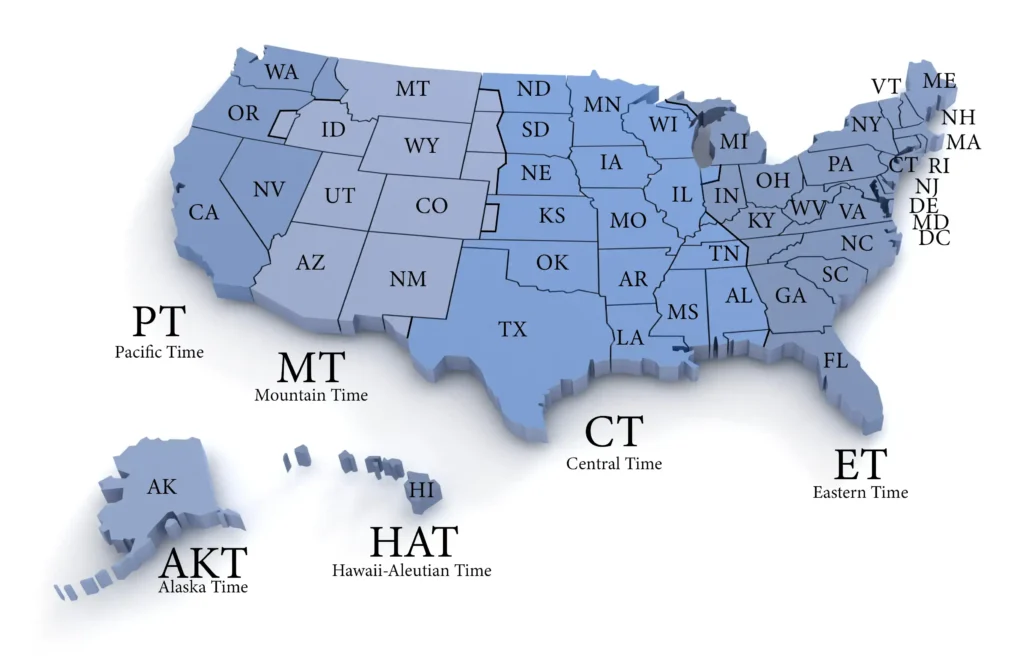
Understanding Time Zones in the United States
The vast geographical expanse of the United States necessitates the division into multiple time zones to maintain a synchronized sense of time across different longitudes. This system helps manage everything from television broadcast schedules to interstate commerce and travel logistics.
The Four Continental US Time Zones
The continental United States is primarily divided into four standard time zones:
- Pacific Standard Time (PST/PDT): Covers states on the West Coast, such as California, Nevada, and Washington.
- Mountain Standard Time (MST/MDT): Encompasses states like Colorado, Arizona (though much of Arizona does not observe Daylight Saving Time), Utah, and Montana.
- Central Time Zone (CST/CDT): Spans a large central portion of the country, including states like Illinois, Texas, Missouri, and Louisiana.
- Eastern Standard Time (EST/EDT): Covers the East Coast, including major cities like New York City, Miami, and Washington D.C.
Each adjacent time zone is typically one hour apart, meaning that if it’s 3:00 PM EST, it’s 2:00 PM CST, 1:00 PM MST, and 12:00 PM PST.
Where Does Chicago Fit In?
Chicago is firmly situated within the Central Time Zone. This places it at UTC-6 during Standard Time (CST) and UTC-5 during Daylight Saving Time (CDT). The shift to Daylight Saving Time typically occurs on the second Sunday in March when clocks “spring forward” one hour, and then revert to Standard Time on the first Sunday in November, when clocks “fall back” one hour.
For travelers coming from the East Coast, this means arriving in Chicago will effectively turn back the clock by one hour. Conversely, visitors from the West Coast will need to adjust their internal clocks forward by two hours. Understanding this difference is not just an academic exercise; it’s a practical necessity for seamless travel planning and enjoying your stay without unnecessary confusion.
The Impact of Chicago’s Time Zone on Travelers
While a one-hour or two-hour time difference might seem negligible compared to international travel, it can still have a notable impact on your experience. Being prepared for this adjustment will help you optimize your schedule and avoid any missed appointments or attractions.
Planning Your Arrival and Departure
When booking flights or train tickets to Chicago, pay close attention to the arrival and departure times listed, as they will always reflect the local time zone of the respective airport or station. For instance, a flight departing New York City at 9:00 AM EST and lasting two hours will arrive in Chicago at approximately 10:00 AM CST (9:00 AM departure + 2 hours flight time – 1 hour time difference). This calculation can sometimes be counter-intuitive, so double-checking your itinerary with the local time is essential.
Minor jet lag, often referred to as “time zone fatigue,” can also occur even with a one or two-hour shift. If you have an early morning meeting or a full day of sightseeing planned immediately after arrival, consider arriving a day earlier or planning a lighter schedule for your first day to allow your body to adjust. This is particularly relevant for business travelers who need to be sharp for meetings upon landing at O’Hare International Airport or Midway International Airport.
Navigating Daily Activities and Attractions
Chicago’s vibrant array of attractions, museums, dining establishments, and entertainment venues operate according to Central Time. If you’re coming from EST, remember that 9:00 AM local time in Chicago feels like 10:00 AM to you. This means you might wake up feeling like you have an extra hour, or conversely, evening activities might feel like they’re starting later.
Many popular attractions like the Art Institute of Chicago, Shedd Aquarium, and Field Museum have specific opening and closing hours, often with last entry times. Tours, such as the famous architecture boat tours on the Chicago River, also run on fixed schedules. Always confirm these times against the local Chicago clock. Dining reservations, especially for popular restaurants in areas like River North or the West Loop, are also strictly adhered to based on CST. A slight miscalculation could lead to missing your reservation or arriving late.
Business and Conference Travel
For business travelers, time zone awareness is paramount. Chicago is a major hub for conventions, trade shows, and corporate events. Meetings scheduled with colleagues or clients in different time zones require careful coordination. If you’re hosting a conference in Chicago with attendees from both coasts, be mindful of the time difference when scheduling plenary sessions or breakout meetings to maximize participation. Providing a clear agenda with both local Chicago time and common corresponding time zones (e.g., EST, PST) can greatly assist attendees. Many hotels catering to business travelers, such as The Langham Chicago or Hyatt Regency Chicago, are well-versed in assisting guests with these scheduling nuances.
Exploring Chicago: A Traveler’s Guide
Beyond the time zone, Chicago is a city brimming with experiences that cater to every type of traveler. From its towering skyscrapers to its serene parks along Lake Michigan, the city blends urban sophistication with Midwestern charm.
Iconic Landmarks and Must-See Attractions
Chicago boasts an impressive collection of landmarks and attractions that are truly world-class. No visit is complete without marveling at the reflective surface of Cloud Gate (affectionately known as “The Bean”) in Millennium Park, where you can capture incredible photos of the skyline. Steps away, Grant Park offers vast green spaces and hosts many of the city’s largest festivals.
The Willis Tower (formerly Sears Tower) offers breathtaking panoramic views from its Skydeck, including “The Ledge,” a glass balcony extending four feet out from the building. For a different perspective, 360 CHICAGO Observation Deck at the John Hancock Center offers stunning vistas, particularly at sunset. History and art enthusiasts will find solace in the Art Institute of Chicago, home to an extraordinary collection spanning centuries and continents, and the Field Museum, renowned for its natural history exhibits and Sue, the T. rex skeleton.
Families and nature lovers will enjoy Navy Pier with its Ferris wheel, gardens, and diverse entertainment options, and the free Lincoln Park Zoo, offering an urban oasis with exotic animals. Shopping enthusiasts will delight in the Magnificent Mile along Michigan Avenue, featuring luxury boutiques, department stores, and flagship brands.
Accommodation Options for Every Lifestyle
Chicago’s hotel scene is as diverse as its neighborhoods, offering a wide range of accommodation options to suit every budget and lifestyle.
- Luxury Travel: For an opulent experience, hotels like The Peninsula Chicago, Four Seasons Hotel Chicago, or Waldorf Astoria Chicago on the Magnificent Mile offer exquisite suites, world-class dining, and impeccable service.
- Boutique Hotels: Areas like River North and the West Loop are home to stylish boutique hotels such as Kinzie Hotel or The Publishing House Bed and Breakfast, providing unique charm and personalized experiences.
- Budget-Friendly Options: Travelers on a tighter budget can find excellent value in hotels in the Loop or Streeterville, offering comfortable stays without compromising on location or amenities. Hostels and extended-stay apartments also provide cost-effective solutions for longer visits.
- Family Trips: Many hotels offer family-friendly suites and amenities like indoor pools. Consider locations near Grant Park or Navy Pier for easy access to kid-friendly attractions.
Booking in advance, especially during peak seasons or major events, is always recommended to secure your preferred hotel and potentially better rates. Utilizing comparison websites and checking reviews can help you find the perfect fit for your travel needs.
A Taste of Chicago: Culinary Experiences
Chicago’s food scene is legendary, offering everything from casual comfort food to Michelin-starred dining. You absolutely cannot leave without trying a classic deep-dish pizza from iconic establishments like Lou Malnati’s, Giordano’s, or Pequod’s Pizza. Another local favorite is the Chicago-style hot dog, “dragged through the garden” with a specific set of toppings, best enjoyed from a stand like Portillo’s.
Beyond these staples, Chicago boasts an incredible array of ethnic cuisines, upscale restaurants, and innovative culinary experiences. Neighborhoods like Pilsen are renowned for their authentic Mexican food, while the West Loop’s “Restaurant Row” is a haven for foodies seeking trendy and gourmet options. Exploring the local food scene is an integral part of understanding Chicago’s culture and is a rewarding experience for any tourism-focused trip.
Embracing Local Culture and Experiences
Chicago’s cultural tapestry is rich and diverse. Catch a Cubs game at historic Wrigley Field or a White Sox game at Guaranteed Rate Field. Immerse yourself in the city’s legendary jazz and blues scene at intimate clubs in Lincoln Park or Hyde Park.
For a unique perspective on the city’s architectural prowess, take an architecture river cruise led by the Chicago Architecture Center. These tours provide fascinating insights into the history and design of Chicago’s iconic buildings. Throughout the year, the city hosts numerous festivals, from the Taste of Chicago to Lollapalooza, offering endless entertainment options. Engaging with these local activities and experiences provides a deeper appreciation for the city beyond its standard tourist attractions.
Maximizing Your Chicago Visit: Practical Tips
To make the most of your trip to Chicago, a few practical considerations beyond the time zone can significantly enhance your experience.
Best Time to Visit
Chicago experiences all four seasons distinctly.
- Summer (June-August): Warm weather is ideal for outdoor activities, festivals, and enjoying Lake Michigan. However, it’s also peak tourist season, meaning larger crowds and higher prices for hotels and flights.
- Spring (April-May) and Fall (September-October): These shoulder seasons offer pleasant temperatures, fewer crowds, and often better deals on accommodation. Fall foliage is particularly beautiful, and spring brings the city to life after winter.
- Winter (November-March): Chicago winters can be very cold with heavy snow. However, this is also a magical time for holiday lights, ice skating in Millennium Park, and enjoying cozy indoor attractions without the crowds. Some hotels offer significant discounts.
Consider your priorities and tolerance for weather when deciding the best time for your destination.
Transportation Around the City
Getting around Chicago is relatively easy, thanks to its efficient public transportation system. The CTA (Chicago Transit Authority) operates an extensive network of ‘L’ trains (elevated and subway lines) and buses that connect all major neighborhoods and attractions. Purchasing a Ventra card or using contactless payment makes travel seamless. For specific journeys or late-night outings, ride-sharing services like Uber and Lyft are readily available. Walking is also an excellent way to explore many downtown areas, especially during pleasant weather. For arrivals from outside of Illinois, Amtrak offers convenient train service into Union Station.

Essential Travel Planning Advice
Beyond the time zone and logistics, remember these general travel tips:
- Book Ahead: Especially for popular restaurants, shows, or tours, making reservations in advance is highly recommended.
- Stay Connected: Utilize city-wide Wi-Fi hotspots or ensure you have a reliable data plan to navigate and stay updated.
- Pack Smart: Be prepared for varying weather conditions, even within the same day. Layers are key.
- Safety First: Be aware of your surroundings, especially in crowded tourist areas, and keep valuables secure.
By keeping these tips in mind, your trip to Chicago will be not only enjoyable but also incredibly efficient and stress-free.
In conclusion, while the question “Is Chicago on Eastern Standard Time?” is often asked, the answer is a firm no. Chicago proudly operates within the Central Time Zone. Understanding this crucial detail is the first step in planning a successful trip to this magnificent city. With its unparalleled landmarks, diverse accommodation options, vibrant tourism scene, and rich cultural offerings, Chicago promises an unforgettable experience for every visitor, regardless of what time zone they hail from. So pack your bags, set your watch to CST, and get ready to discover the magic of the Windy City!
LifeOutOfTheBox is a participant in the Amazon Services LLC Associates Program, an affiliate advertising program designed to provide a means for sites to earn advertising fees by advertising and linking to Amazon.com. Amazon, the Amazon logo, AmazonSupply, and the AmazonSupply logo are trademarks of Amazon.com, Inc. or its affiliates. As an Amazon Associate we earn affiliate commissions from qualifying purchases.