
The question of whether Chicago is the most dangerous city in the United States is a complex one, often fueled by sensationalized headlines and a tendency to focus on crime statistics without full context. While Chicago has undoubtedly grappled with significant challenges related to violence, a nuanced examination reveals that such a definitive claim is an oversimplification. To truly understand the safety landscape of American cities, we must look beyond raw numbers and consider factors such as the methodology of data collection, the specific types of crime, the geographic distribution of incidents, and the ongoing efforts to address these issues. This exploration will delve into the various facets of urban safety in Chicago and compare it with other major metropolitan areas.

Understanding Crime Statistics and Their Interpretation
The perception of Chicago as uniquely dangerous is often rooted in its reported homicide rates. However, these statistics, while alarming, require careful interpretation. Crime data is collected and reported by various agencies, including the Federal Bureau of Investigation (FBI) and local police departments. Discrepancies in reporting methods, definitions of crimes, and the sheer volume of data can lead to confusion and misrepresentation.
Homicide Rates: A Closer Look
When comparing homicide rates, it’s crucial to consider per capita figures rather than raw numbers. A larger population naturally leads to a higher total number of incidents, but a lower rate relative to the population indicates a potentially safer environment. While Chicago has seen periods of high homicide rates, particularly in specific neighborhoods, other cities have also experienced significant surges in violent crime. Factors such as socioeconomic disparities, gang activity, and access to firearms play a critical role in driving these statistics across the nation.
Beyond Homicides: A Broader Spectrum of Crime
Focusing solely on homicides provides an incomplete picture of a city’s safety. Other categories of crime, such as property crime, assault, and robbery, also contribute to a resident’s or visitor’s sense of security. When examining these broader crime trends, the narrative surrounding Chicago often becomes more varied. Many parts of the city remain exceptionally safe, with crime concentrated in specific areas, often linked to complex social and economic factors. Furthermore, visitor experiences in popular tourist districts like the Magnificent Mile or areas surrounding attractions such as the Art Institute of Chicago are generally positive, with crime incidents involving tourists being relatively rare.
Data Limitations and Methodological Challenges
The accuracy and comparability of crime data across different jurisdictions present significant challenges. The FBI’s Uniform Crime Reporting (UCR) program, while a vital tool, has limitations. Not all law enforcement agencies report data consistently, and the definitions of certain crimes can vary. More recently, the FBI has moved towards the National Incident-Based Reporting System (NIBRS), which provides more detailed information but has faced challenges in widespread adoption. This makes direct, apples-to-apples comparisons between cities and over time difficult.
Comparing Chicago’s Safety to Other Major U.S. Cities
To ascertain if Chicago is indeed the “most dangerous,” it’s essential to compare its crime statistics with those of other major metropolitan areas. This comparative analysis often reveals a more complex reality than the headlines suggest.
A City of Contrasts: Neighborhood-Level Safety
It is undeniable that Chicago experiences significant crime challenges in certain neighborhoods, often those with high poverty rates and limited opportunities. These areas contribute disproportionately to the city’s overall crime statistics. However, Chicago is a vast city with diverse communities. Many neighborhoods, including affluent areas and those popular with tourists, exhibit much lower crime rates. The experience of safety in Lincoln Park or near the Navy Pier can be vastly different from that in areas experiencing more acute social issues.
National Trends in Urban Violence
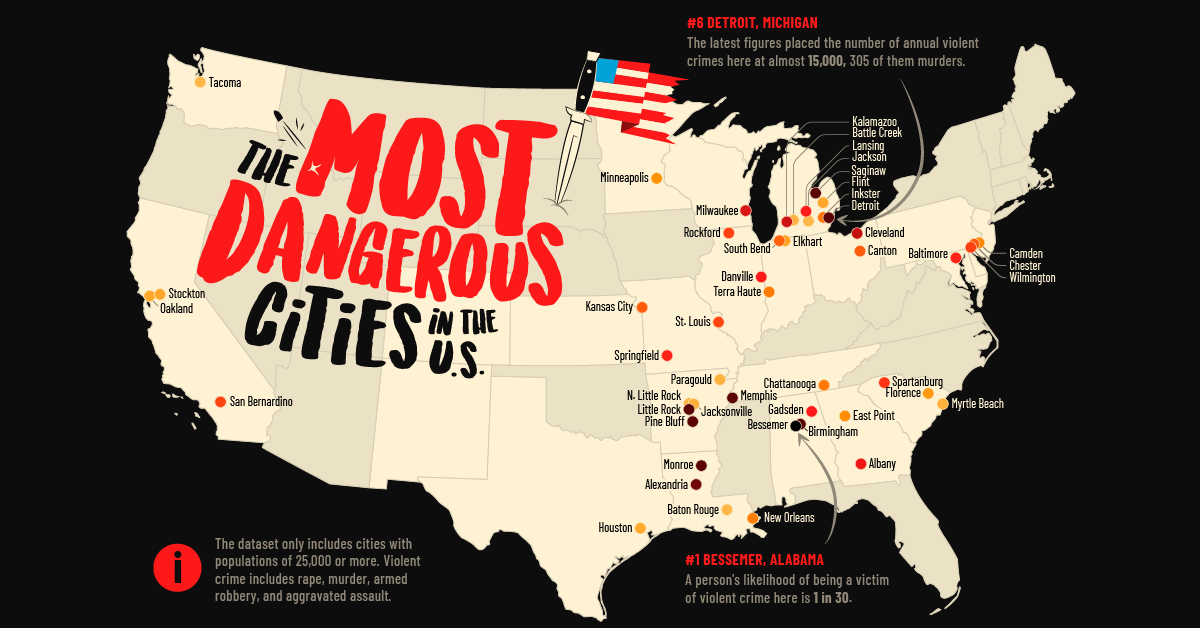
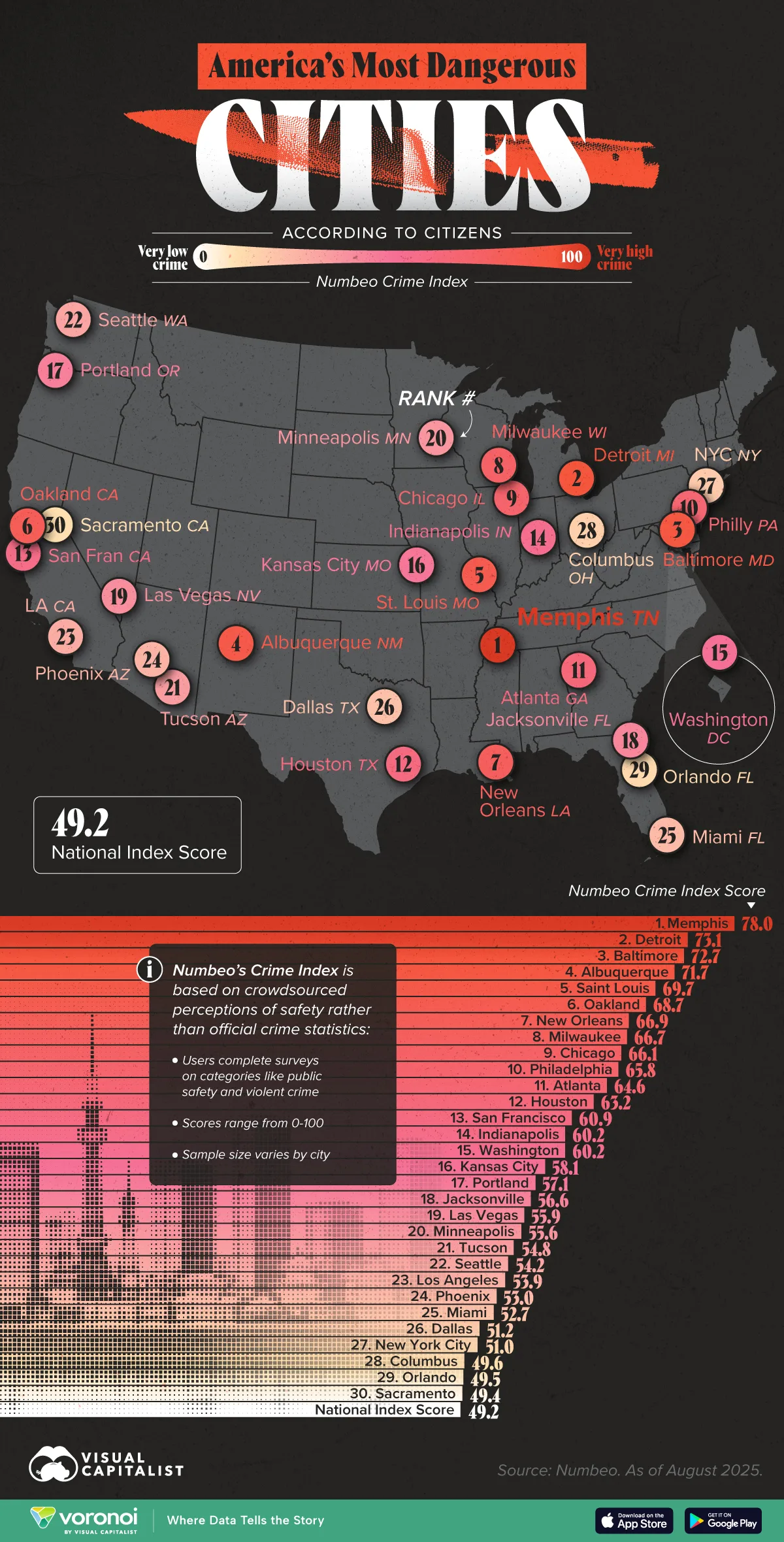
Chicago is not alone in its struggle with urban violence. Many other large cities across the United States, such as St. Louis, Baltimore, and Detroit, have, at various times, reported higher per capita homicide rates or experienced significant increases in violent crime. The factors driving these trends are often systemic and national in scope, involving economic downturns, drug epidemics, and evolving policing strategies.
Perceptions vs. Reality for Tourists
For visitors planning a trip to Chicago, the perception of danger can be a significant deterrent. However, crime data consistently shows that violent crimes targeting tourists are rare. The vast majority of visitors enjoy their time exploring the city’s world-class museums like the Field Museum, enjoying its vibrant culinary scene, and experiencing its renowned architecture along the Chicago River. Standard travel safety precautions, such as being aware of one’s surroundings and avoiding particularly troubled areas late at night, are generally sufficient for a safe and enjoyable visit.
Factors Influencing Urban Safety
The safety of any city is influenced by a multitude of interconnected factors. Attributing crime rates to a single cause or declaring a city definitively “most dangerous” ignores the complex web of social, economic, and political forces at play.
Socioeconomic Disparities and Their Impact
Poverty, lack of educational and employment opportunities, and historical segregation are deeply intertwined with crime rates in many American cities, including Chicago. These disparities create environments where crime can fester, often fueled by a lack of trust between communities and law enforcement. Addressing these root causes through targeted social programs, economic development, and community policing initiatives is crucial for long-term safety improvements.
Law Enforcement and Community Initiatives
The effectiveness of law enforcement strategies and the presence of community-led initiatives play a significant role in shaping a city’s safety. Chicago has seen various approaches to crime reduction, from increased police presence to data-driven policing and community outreach programs. The success of these initiatives often depends on collaboration between police, community organizations, and residents themselves. Programs focused on de-escalation, violence interruption, and providing alternatives to criminal activity are gaining traction.
Urban Planning and Design
The physical layout of a city can also impact safety. Well-lit streets, accessible public spaces, and mixed-use developments can deter crime and foster a greater sense of community vigilance. Conversely, areas with abandoned buildings, poor lighting, and a lack of community engagement can become breeding grounds for criminal activity. Thoughtful urban planning that prioritizes community well-being is an often-overlooked aspect of crime prevention.
Conclusion: A Nuanced Perspective on Chicago’s Safety
In conclusion, labeling Chicago as the “most dangerous city in the United States” is an oversimplification that fails to capture the city’s multifaceted reality. While Chicago faces significant challenges related to violent crime, particularly in specific neighborhoods, it is essential to consider the context of these statistics. When compared to other major American cities, its crime rates, when viewed in their entirety and with proper per capita analysis, do not consistently place it at the absolute top.
The city’s safety is a story of contrasts. It is a city with vibrant, safe neighborhoods and world-class attractions that draw millions of visitors each year. Simultaneously, it grapples with deep-seated socioeconomic issues that contribute to higher crime rates in certain areas. Understanding Chicago’s safety requires looking beyond sensational headlines and delving into the complexities of crime data, socioeconomic factors, and the ongoing efforts to create a safer environment for all its residents and visitors. For travelers, a balanced perspective, coupled with standard safety precautions, will allow for the full enjoyment of what this dynamic metropolis has to offer.
LifeOutOfTheBox is a participant in the Amazon Services LLC Associates Program, an affiliate advertising program designed to provide a means for sites to earn advertising fees by advertising and linking to Amazon.com. Amazon, the Amazon logo, AmazonSupply, and the AmazonSupply logo are trademarks of Amazon.com, Inc. or its affiliates. As an Amazon Associate we earn affiliate commissions from qualifying purchases.