
When planning a visit to a new city, one of the most significant factors influencing the overall experience is its walkability. The ability to explore on foot, to stumble upon hidden gems, and to truly immerse oneself in the local atmosphere can elevate a trip from ordinary to extraordinary. For travelers considering the vibrant metropolis of Chicago, the question naturally arises: Is Chicago walkable? The answer, in short, is a resounding yes, with nuances and considerations that make it a destination that rewards exploration by foot.
Chicago is a city built on a grid system, a logical and deliberate urban design that lends itself exceptionally well to walking. Its downtown core, known as “The Loop,” is a compact and easily navigable district teeming with iconic landmarks, world-class museums, and a lively culinary scene. This central hub is where many visitors begin their exploration, and for good reason. The sheer density of attractions within a relatively small area makes walking an efficient and enjoyable mode of transport. From the majestic architecture of buildings like the Willis Tower to the artistic wonders housed within the Art Institute of Chicago, most key sights are within easy strolling distance of each other.

Beyond the immediate confines of The Loop, many of Chicago’s diverse neighborhoods possess their own distinct charm and are incredibly walkable within their boundaries. Areas like Lincoln Park, Wicker Park, and Old Town invite leisurely strolls down tree-lined streets, past unique boutiques, cozy cafes, and lively restaurants. This allows for a deeper dive into the city’s multifaceted personality, moving beyond the postcard-perfect views to discover the everyday rhythms of its residents.
Navigating the Urban Landscape: Factors Enhancing Chicago’s Walkability
Several key elements contribute to Chicago’s status as a walkable city. Understanding these factors can help visitors optimize their travel plans and make the most of their pedestrian adventures.
The Grid System and Public Transportation Synergy
The foundational element of Chicago’s walkability is its meticulously planned grid system. Streets are laid out in a straightforward north-south and east-west pattern, making it remarkably easy to orient oneself and navigate without constant reliance on GPS. This predictability is a boon for walkers, transforming potentially daunting urban exploration into an accessible and enjoyable endeavor.
Complementing the grid is Chicago’s extensive and efficient public transportation network. The Chicago Transit Authority (CTA) operates a comprehensive system of ‘L’ trains and buses that crisscross the city. This is crucial for walkability, as it allows visitors to easily reach different neighborhoods without needing a car, and then explore those areas on foot. For instance, one can take the ‘L’ to a destination like Millennium Park, spend hours exploring its attractions like “The Bean” (Cloud Gate), and then hop back on the train to visit another district. This symbiotic relationship between walking and public transit is a hallmark of a truly walkable city, offering the best of both worlds: the freedom of pedestrian exploration and the reach of mass transit.
Pedestrian-Friendly Infrastructure and Green Spaces
Chicago boasts a strong commitment to pedestrian-friendly infrastructure. Wide sidewalks are the norm in most urban and neighborhood centers, providing ample space for walking and preventing congestion. The city has also invested in pedestrian-oriented streetscaping, with attractive lighting, benches, and decorative elements that enhance the walking experience. Crosswalks are generally well-marked and frequent, making it relatively safe to cross streets, especially in business districts.
Furthermore, Chicago is renowned for its abundant green spaces, many of which are seamlessly integrated into the urban fabric and highly accessible by foot. The iconic Lakefront Trail stretches for miles along the shores of Lake Michigan, offering breathtaking views and a dedicated path for walkers, runners, and cyclists. Numerous parks, such as Grant Park, Lincoln Park, and Jackson Park, provide oases of tranquility within the bustling city, all easily accessible on foot from surrounding neighborhoods. These green lungs not only contribute to the city’s aesthetic appeal but also offer pleasant routes for walking and recreation.
Exploring Chicago’s Walkable Neighborhoods
While the downtown core is a pedestrian paradise, the true magic of Chicago for walkers lies in its diverse and distinct neighborhoods, each offering a unique flavor and a wealth of discoveries for those who prefer to explore on foot.
The Cultural Heart: The Loop and Surrounding Districts
As mentioned, The Loop is the undeniable epicenter of Chicago’s walkable attractions. Here, one can spend days marveling at architectural marvels, from the historic Chicago Board of Trade Building to the modern skyscrapers that define the city’s skyline. The aforementioned Art Institute of Chicago is a must-visit, and the theaters of the Theater District offer world-class entertainment, all within a few blocks of each other.
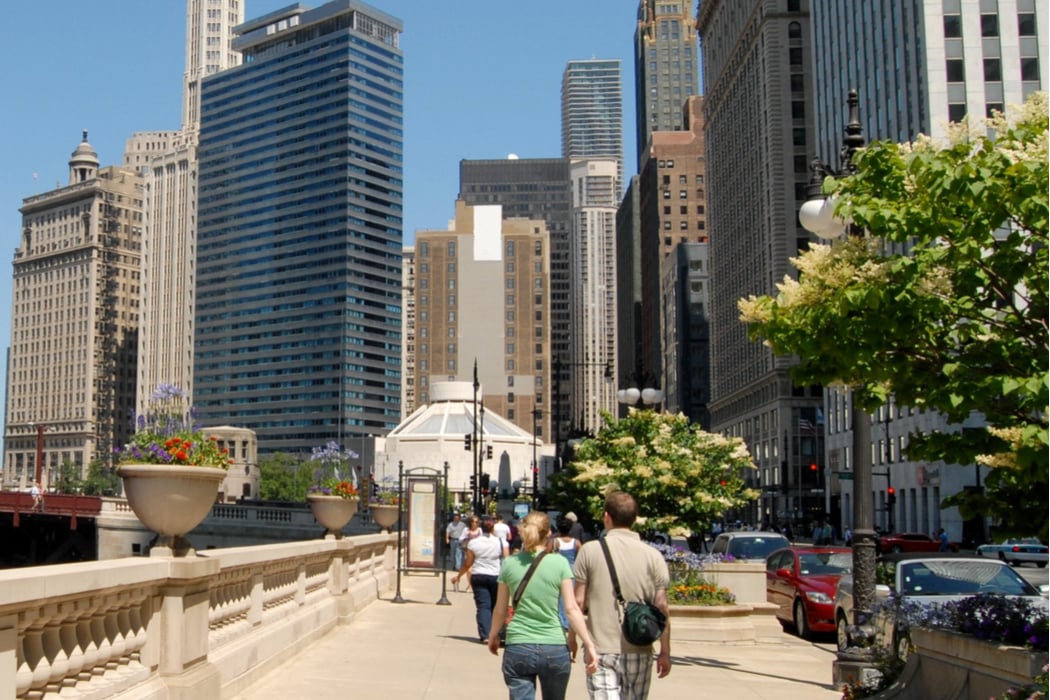
Adjacent to The Loop, areas like the River North district are known for their art galleries, upscale boutiques, and vibrant nightlife. Walking through River North, one can easily hop between trendy restaurants, lively bars, and innovative shops. Further south, Museum Campus brings together the Field Museum, the Shedd Aquarium, and the Adler Planetarium, all connected by scenic walking paths with stunning views of the city skyline and Lake Michigan.
Bohemian Charm and Urban Vibes: Lincoln Park, Wicker Park, and Bucktown
Venturing north of the Loop, neighborhoods like Lincoln Park, Wicker Park, and Bucktown offer a more bohemian and residential feel, yet remain incredibly walkable and rich with character.
Lincoln Park is a neighborhood beloved for its namesake park, which features a free zoo, the Lincoln Park Conservatory, and sprawling green lawns perfect for picnics and leisurely strolls. The streets surrounding the park are lined with charming brownstones, independent shops, and a diverse array of restaurants and cafes, making it a delight to explore on foot.
Wicker Park and Bucktown, often discussed together, are known for their hip and trendy atmosphere. Milwaukee Avenue in Wicker Park is a pedestrian magnet, packed with vintage clothing stores, record shops, art galleries, and some of the city’s most celebrated eateries and bars. Walking between these two neighborhoods is also a popular activity, allowing visitors to experience the subtle shifts in ambiance and discover hidden courtyards and street art. The accessibility via the ‘L’ train makes it easy to reach these vibrant pockets of the city and then dedicate your time to exploring them on foot.
Historic Allure and Lakeside Breezes: Old Town and the Lakefront
Old Town is another gem for walkers, retaining much of its historic charm with its beautifully preserved Victorian architecture. Wells Street, the neighborhood’s main thoroughfare, is a bustling street filled with unique boutiques, cozy pubs, and renowned comedy clubs like The Second City. The tree-lined residential streets offer a peaceful respite and a chance to admire the intricate details of the historic homes.
And of course, no discussion of Chicago’s walkability is complete without highlighting the Lakefront Trail. This 18-mile paved path is a linear park that hugs the shoreline of Lake Michigan, connecting various parks and beaches. It’s an unparalleled resource for walkers, offering continuous, uninterrupted paths with stunning natural beauty and iconic city views. Whether you’re looking for a brisk morning walk, a scenic afternoon stroll, or a picturesque route to a specific destination along the lake, the Lakefront Trail is a testament to Chicago’s commitment to pedestrian access and urban green space.
Considerations for the Urban Walker
While Chicago is undeniably walkable, there are a few practical considerations that can enhance the experience and ensure a smoother journey for the urban explorer.
Weather and Seasonal Variations
Chicago is famous for its distinct seasons, and these can significantly impact the walkability of the city. Summers are generally warm and pleasant, with long daylight hours, making it ideal for extensive walking and outdoor activities. Spring and fall offer milder temperatures, though they can be unpredictable with occasional rain or cooler days.
Winter in Chicago can be harsh, with cold temperatures, snow, and ice. While the core downtown areas are usually well-maintained and navigable, extreme weather can make extended walking less enjoyable. During these months, it’s wise to combine walking with utilizing the CTA ‘L’ trains and buses to move between destinations. Dressing in layers and wearing appropriate footwear is essential for winter exploration.

Distance and Urban Planning
While many of Chicago’s attractions are clustered within walkable districts, the city is large, and distances between some neighborhoods can be significant. For example, walking from The Loop to further-flung neighborhoods like Pilsen or Hyde Park might be too ambitious for a single outing. This is where the efficiency of the CTA becomes invaluable. Planning your days to focus on walkable areas and using public transit to transition between them is the most effective strategy.
It’s also worth noting that while sidewalks are generally well-maintained, urban environments can sometimes present uneven surfaces or construction. Being aware of your surroundings and wearing comfortable, supportive shoes is always recommended for any urban walking adventure.
In conclusion, Chicago is a city that beckons to be explored on foot. Its logical street grid, robust public transportation system, abundant green spaces, and diverse, pedestrian-friendly neighborhoods create an environment where walking is not just a possibility, but a pleasure. From the architectural grandeur of The Loop to the independent spirit of Wicker Park and the natural beauty of the Lakefront Trail, Chicago rewards those who choose to wander, discover, and experience its many layers at a human pace. So, pack your walking shoes, embrace the city’s rhythm, and prepare to be captivated by the walkability of this magnificent American metropolis.
LifeOutOfTheBox is a participant in the Amazon Services LLC Associates Program, an affiliate advertising program designed to provide a means for sites to earn advertising fees by advertising and linking to Amazon.com. Amazon, the Amazon logo, AmazonSupply, and the AmazonSupply logo are trademarks of Amazon.com, Inc. or its affiliates. As an Amazon Associate we earn affiliate commissions from qualifying purchases.