
When planning a trip to a vibrant metropolis like Chicago, it’s natural for travelers to consider the safety of various neighborhoods and attractions. Chinatown, a jewel of cultural heritage and culinary excellence, often sparks this question, particularly for first-time visitors or those less familiar with urban environments. The short answer is yes, Chinatown in Chicago is generally considered a safe and welcoming destination for tourists and locals alike. However, like any bustling urban district, it benefits from awareness and adherence to general safety precautions. This article delves into the specifics of safety in Chicago’s Chinatown, offering insights into its unique appeal, practical travel tips, and a realistic perspective on enjoying this dynamic neighborhood.

Understanding Safety in Chinatown, Chicago
Chinatown in Chicago is a historically rich and culturally significant neighborhood that thrives on community spirit and a constant flow of visitors. It’s an area where families live, businesses operate, and tourists explore, creating a lively and generally secure atmosphere.
General Safety Overview
Statistically, Chinatown experiences crime rates comparable to or often lower than many other urban commercial and residential districts in Chicago. The visible presence of community members, business owners, and local patrons contributes to a sense of natural surveillance, often a deterrent to opportunistic crime. The main streets, such as Wentworth Avenue and Archer Avenue, are well-lit and typically busy from morning until late evening, especially on weekends and during festivals.
The Chicago Police Department maintains a presence in the area, and local community organizations are also actively involved in neighborhood watch programs and safety initiatives. These concerted efforts contribute to making Chinatown a relatively low-risk area for visitors. Serious violent crime is rare, and the most common issues, as in any major city, might involve petty theft or pickpocketing, particularly in crowded areas.
Common Urban Travel Precautions
While Chinatown is safe, applying standard urban travel precautions is always prudent. These measures are not unique to Chinatown but are good practices for exploring any large city:
- Be aware of your surroundings: Pay attention to who is around you, especially in crowded markets or on public transport.
- Secure your valuables: Keep wallets in front pockets, use cross-body bags, and avoid flashing expensive electronics or jewelry.
- Travel in groups, especially at night: While many areas of Chinatown remain lively after dark, walking with companions can add an extra layer of security.
- Utilize well-lit and populated routes: Stick to main thoroughfares rather than cutting through less-trafficked alleyways, especially after dark.
- Use reputable transportation: When leaving the area late at night, opt for ride-sharing services, taxis, or reliable public transit directly from main streets.
- Don’t leave bags unattended: Whether dining or shopping, keep an eye on your belongings.
By following these simple guidelines, visitors can significantly enhance their sense of security and fully immerse themselves in the experience Chinatown offers.
Exploring the Cultural Heart: What Makes Chinatown Special?
Beyond the question of safety, the enduring appeal of Chicago’s Chinatown lies in its profound cultural richness and vibrant community spirit. It serves as a living museum, a culinary paradise, and a dynamic social hub that captivates every visitor.
A Rich Tapestry of History and Heritage
Chicago’s Chinatown boasts a fascinating history, dating back to the late 19th and early 20th centuries when Chinese immigrants, many displaced from other parts of the United States, sought community and opportunity in Chicago. Unlike some other Chinatowns that emerged organically, Chicago’s Chinatown was a planned move by the Chinese Consolidated Benevolent Association in 1912, acquiring land and establishing a distinct cultural enclave. This deliberate foundation has contributed to its unique character and resilience.
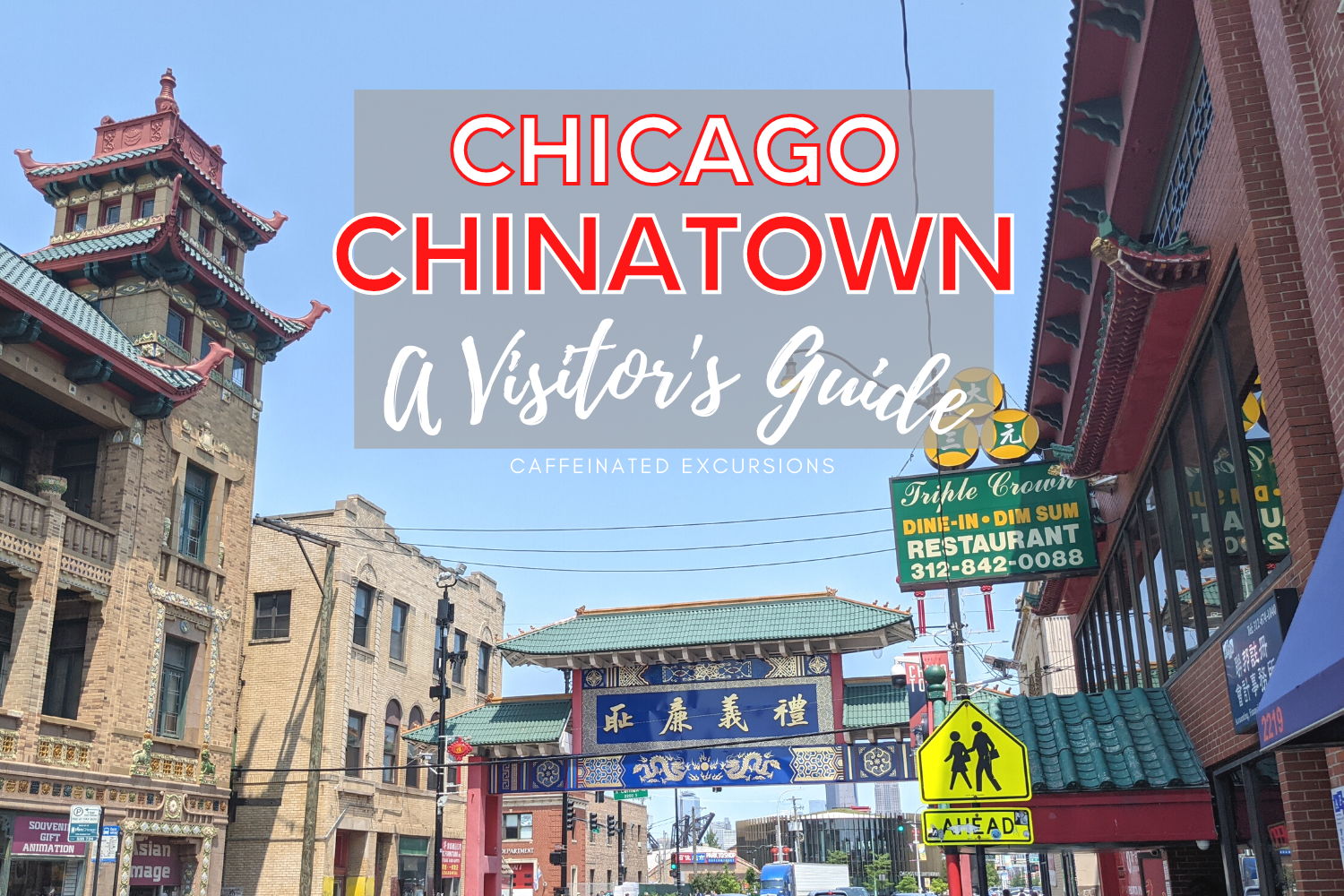
Visitors can explore landmarks such as the Chinatown Gate (also known as the Wentworth Avenue Gate), an ornate and iconic structure that welcomes visitors into the heart of the district. The Nine Dragon Wall, a replica of the famous wall in Beijing, China, stands as a vibrant testament to Chinese artistry and mythology. The statue of Dr. Sun Yat-sen, a pivotal figure in Chinese history, also serves as a poignant reminder of the community’s roots and its connection to the homeland. These historical markers, coupled with traditional architecture and bustling streets, create an immersive cultural experience that transports visitors far beyond the confines of Chicago.
Culinary Delights and Authentic Experiences
For many, the primary draw of Chinatown is its unparalleled culinary scene. The neighborhood is a veritable food paradise, offering an astonishing array of authentic Chinese and East Asian cuisines. From dim sum parlors serving delicate dumplings and savory buns to Szechuan restaurants famed for their fiery dishes, and Cantonese eateries known for their roast duck and seafood, there’s a taste sensation for every palate.
Beyond the sit-down restaurants, visitors can explore bakeries offering traditional pastries, bubble tea shops with endless flavor combinations, and grocery stores brimming with exotic ingredients, fresh produce, and unique snacks. These culinary explorations are more than just meals; they are authentic cultural experiences. Many restaurants have been family-run for generations, preserving recipes and traditions that offer a genuine taste of China. Participating in a dim sum brunch, browsing the shelves of an Asian supermarket, or simply grabbing a fresh bao bun from a street vendor are all integral parts of the Chinatown experience, making it an essential stop for any food-loving traveler in Chicago.
Navigating Chinatown: Practical Tips for Visitors
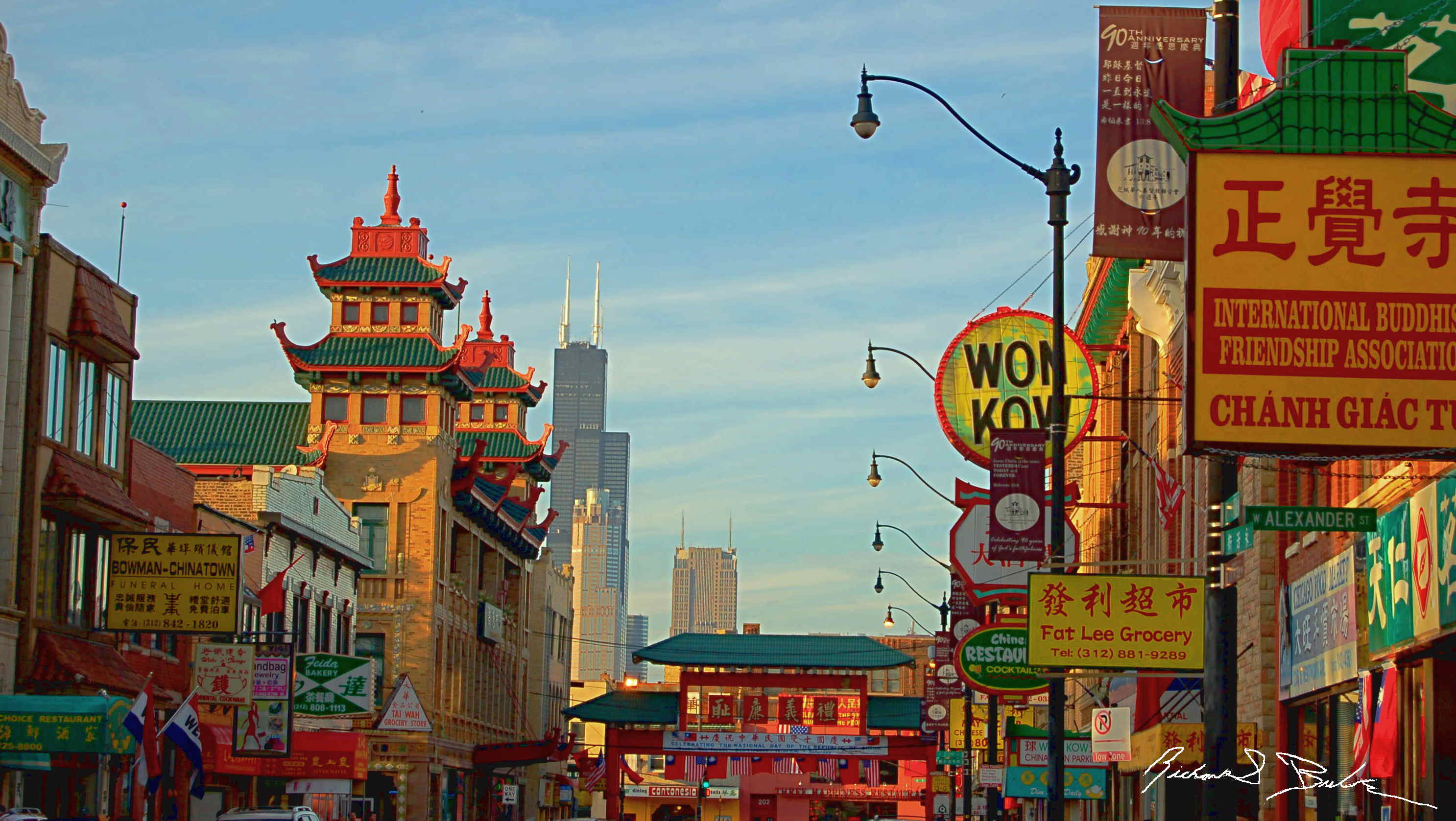
To maximize your visit to Chicago’s Chinatown, understanding the practical aspects of getting there and around, as well as knowing the best times to visit, can significantly enhance your experience.
Transportation and Accessibility
Chinatown is remarkably accessible, making it an easy addition to any Chicago itinerary.
- CTA Red Line: The most convenient way to reach Chinatown is via the CTA Red Line. The Cermak-Chinatown station drops you right in the heart of the neighborhood, at the intersection of Cermak Road and Wentworth Avenue. This station is well-lit and frequently used, making it a safe option even in the evening.
- Bus Services: Several CTA bus routes also serve the area, providing connections from various parts of the city.
- Driving and Parking: If you choose to drive, Chinatown has several parking garages and metered street parking options. However, during peak hours or special events, parking can be challenging, so public transportation is often recommended.
- Water Taxi: During warmer months, a unique and scenic way to arrive is via the Chicago Water Taxi which operates a stop at Ping Tom Memorial Park. This offers a beautiful approach along the Chicago River and deposits you at the southern edge of Chinatown.
Once in Chinatown, the district is highly walkable. Most attractions, restaurants, and shops are clustered within a few blocks, making it easy to explore on foot.
Best Times to Visit and Local Etiquette
- Weekends and Evenings: Chinatown truly comes alive on weekends, especially during lunchtime for dim sum, and in the evenings when restaurants are bustling. These times offer the most vibrant atmosphere, albeit with larger crowds.
- Weekdays: For a more relaxed experience, visiting on a weekday can allow for easier navigation and shorter wait times at popular eateries.
- Festivals: Planning your visit around major festivals, such as Chinese New Year (late January/early February) or the Moon Festival (September/October), promises an unforgettable cultural spectacle with parades, performances, and special events. These are incredibly popular and draw massive crowds, so expect increased activity and potential safety precautions advised for large gatherings.
- Etiquette: While generally casual, a few points of etiquette can enhance your experience:
- Dining: Tipping customs are similar to other parts of the US (15-20% for good service). Many authentic restaurants might be cash-preferred or have minimum credit card charges, so it’s wise to carry some cash.
- Photography: Be respectful when taking photos, especially of people. Always ask permission before photographing individuals, particularly older residents.
- Bargaining: While not common in most restaurants, some smaller shops or market stalls might be open to friendly bargaining, though it’s less prevalent than in some other parts of the world.
Addressing Specific Concerns and Dispelling Myths
The question “Is Chinatown safe?” often stems from broader perceptions about urban areas or, sometimes, from historical stereotypes. Addressing these directly helps paint a more accurate picture.
Perceptions vs. Reality
The perception of safety in any urban area can be influenced by media portrayals, anecdotal evidence, or a general unfamiliarity with city life. For Chinatown in Chicago, the reality is that it’s a well-established and integrated part of the city, not an isolated or inherently dangerous enclave. The community takes pride in its appearance and welcoming nature, aiming to attract visitors and foster positive interactions.
Compared to Chicago’s Loop or other downtown areas, Chinatown might even feel less overwhelming due to its distinct cultural identity and close-knit community feel. While bustling, it rarely feels chaotic or unsafe. The vibrancy of the streets, the aroma of delicious food, and the distinct cultural elements often overshadow any fleeting concerns about safety. The most common “crimes” tourists might encounter are simply the aggressive sales tactics from street vendors or beggars, which are easily navigated with a polite but firm “no, thank you.”
Community Engagement and Local Efforts
The safety and well-being of Chinatown are not left to chance; they are actively maintained by a strong sense of community. Local business associations, cultural centers, and residents work together to ensure the neighborhood remains a pleasant and secure place. Initiatives include:
- Community Watch Programs: Organized groups of residents and business owners often patrol the area, acting as additional eyes and ears for the police.
- Event Security: During major festivals and parades, additional security personnel and police officers are deployed to manage crowds and ensure public safety.
- Cleanliness and Maintenance: The neighborhood is generally well-maintained and clean, which contributes to a feeling of order and safety. Graffiti and litter are typically addressed promptly.
- Cultural Preservation and Promotion: By actively promoting its heritage and attractions, the community encourages tourism, which in turn brings more foot traffic and vibrancy, further enhancing safety through natural surveillance.
These proactive efforts demonstrate a collective commitment to maintaining Chinatown as a safe, family-friendly, and inviting destination.
Beyond Safety: Why Chinatown is a Must-Visit
With the primary safety concern addressed, it’s essential to highlight the myriad reasons why Chinatown in Chicago should be a definite stop on your travel itinerary. It offers a unique window into Chinese culture and a rich sensory experience that distinguishes it from other parts of the city.
Unique Attractions and Landmarks
Beyond its iconic gate and culinary scene, Chinatown boasts several other attractions that enrich a visit:
- Ping Tom Memorial Park: A stunning urban oasis situated along the Chicago River, this park features traditional Chinese gardens, beautiful landscaping, a boathouse, and scenic river views. It’s an excellent spot for relaxation, a stroll, or enjoying public art. The park also hosts various community events and offers kayak rentals during warmer months.
- Chinatown Square: This two-story outdoor mall and pedestrian area is adorned with twelve bronze animal sculptures representing the Chinese zodiac. It’s a great place for shopping, finding unique gifts, or simply soaking in the atmosphere.
- Temples and Cultural Centers: While not always open to the general public for tours, the exteriors of traditional temples and the presence of various cultural centers underscore the deep spiritual and educational roots of the community.
- Art and Murals: Throughout Chinatown, you’ll discover vibrant murals and public art installations that tell stories of Chinese history, folklore, and the immigrant experience, adding visual appeal to your exploration.
Festivals and Events
Attending one of Chinatown’s many festivals is perhaps the most immersive cultural experience available.
- Chinese New Year Parade: This is undoubtedly the biggest and most spectacular event, featuring dragon dances, lion dances, traditional music, and colorful floats. The entire neighborhood comes alive with celebratory energy.
- Moon Festival (Mid-Autumn Festival): Celebrated in the fall, this festival involves mooncakes, lanterns, and family gatherings, often with outdoor performances and cultural displays.
- Dragon Boat Race: Held on the Chicago River adjacent to Ping Tom Memorial Park in the summer, this thrilling event combines athleticism with traditional Chinese culture, drawing large crowds and creating a festive atmosphere.
These events offer an unparalleled opportunity to witness traditional Chinese customs and celebrations firsthand, enriching your travel experience and providing memorable moments.
In conclusion, the question “Is Chinatown safe in Chicago?” can be confidently answered with a resounding yes. It is a vibrant, culturally rich, and generally safe neighborhood that welcomes visitors with open arms. By exercising standard urban travel precautions, travelers can fully enjoy the historical charm, culinary delights, and unique cultural experiences that make Chicago’s Chinatown an indispensable part of any trip to the Windy City. So, put your safety concerns aside, and prepare to be captivated by this remarkable destination.
LifeOutOfTheBox is a participant in the Amazon Services LLC Associates Program, an affiliate advertising program designed to provide a means for sites to earn advertising fees by advertising and linking to Amazon.com. Amazon, the Amazon logo, AmazonSupply, and the AmazonSupply logo are trademarks of Amazon.com, Inc. or its affiliates. As an Amazon Associate we earn affiliate commissions from qualifying purchases.