
The question of whether Colorado leans liberal is a complex one, multifaceted and subject to ongoing political and social evolution. While often perceived as a progressive stronghold, a deeper examination reveals a state with a diverse political landscape, a blend of urban liberalism and rural conservatism, and a rich history of both progressive movements and independent thought. To understand Colorado’s political identity, one must delve into its demographic makeup, its voting patterns, its legislative history, and the unique cultural currents that shape its identity.
The Shifting Political Landscape of Colorado
For decades, Colorado was considered a reliably conservative or swing state. Its economic development, particularly the growth of its burgeoning tech industry and outdoor recreation sector, has attracted a diverse population, leading to a significant shift in its political leanings. This transformation is not a monolithic march towards liberalism, but rather a nuanced evolution influenced by several key factors.

Urban Centers vs. Rural Areas: A Tale of Two Colorados
The most striking political divide in Colorado is the chasm between its urban centers and its rural communities.
Denver and the Front Range: Bastions of Progressivism
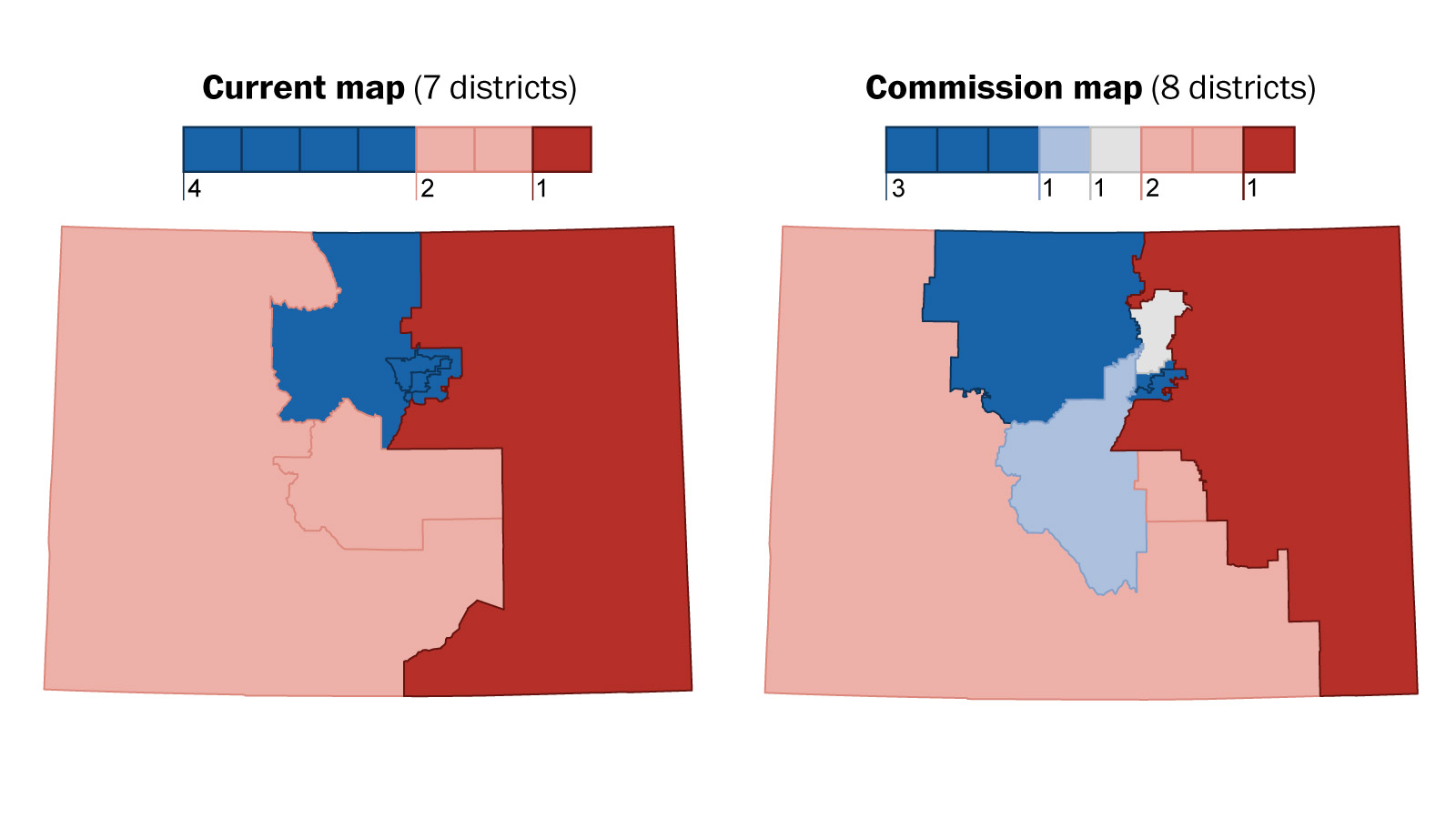
The Denver metropolitan area, along with the rapidly growing communities along the Front Range corridor – including cities like Boulder, Fort Collins, and Colorado Springs – consistently vote Democratic. These areas are characterized by higher population densities, greater ethnic and racial diversity, a younger demographic, and a robust higher education presence. The economies here are driven by technology, aerospace, finance, and service industries, fostering a more liberal outlook on social issues, environmental protection, and government regulation. Boulder, in particular, is renowned for its progressive politics and strong environmental advocacy.
The Western Slope and Eastern Plains: Conservative Strongholds
In contrast, the more sparsely populated rural areas, particularly on the Eastern Plains and in the western mountain counties, tend to lean conservative. These regions often have economies tied to agriculture, mining, and energy production. Residents here may place a higher value on individual liberty, limited government intervention, and traditional values. The political discourse in these areas often prioritizes issues like property rights, resource extraction, and gun ownership. This geographical and ideological divide is a defining feature of Colorado’s political map.
Demographic Shifts and Their Political Impact
Colorado’s population has grown significantly and become more diverse over the past few decades. This influx of new residents, many from more liberal states, has contributed to the state’s overall shift.
In-migration and Political Leanings
A substantial portion of Colorado’s growth comes from people moving in from other states. Many of these migrants are drawn to the state’s natural beauty, outdoor lifestyle, and job opportunities in burgeoning industries. A considerable number of these new residents bring with them their existing political ideologies, which often tend to be more liberal or moderate. This demographic shift has had a palpable impact on election outcomes, particularly in the rapidly expanding suburbs and urban areas.
Growing Diversity and Progressive Values
The increasing racial and ethnic diversity of Colorado also correlates with a more liberal political outlook. As the state’s population becomes more representative of the nation’s diverse tapestry, its political priorities and policy preferences tend to align with progressive values, including social justice, equality, and inclusivity.
Legislative Achievements and Progressive Policies
Colorado has a track record of enacting progressive legislation, further solidifying its image as a liberal state. These policies span a range of issues, from environmental protection and social welfare to economic regulation and individual liberties.
Environmental Stewardship and Renewable Energy
Environmentalism is a core tenet of Colorado’s identity, deeply intertwined with its stunning natural landscapes and its popular outdoor recreation economy. The state has been a leader in environmental policy and renewable energy initiatives.
Commitment to Clean Energy
Colorado has set ambitious goals for reducing greenhouse gas emissions and increasing its reliance on renewable energy sources like solar and wind power. Legislation has been passed to promote clean energy development, incentivize energy efficiency, and regulate emissions from industrial sources. The state’s commitment to protecting its natural resources and addressing climate change is a clear indicator of its progressive leanings. For example, the state has been at the forefront of discussions and policy implementation regarding carbon reduction and the transition to a green economy.
Public Lands Protection
The preservation of Colorado’s vast public lands, including national parks like Rocky Mountain National Park and national forests, is a matter of great importance to many Coloradans. Policies aimed at protecting these areas from development and ensuring their accessibility for recreation and conservation are generally supported by a progressive electorate.
Social and Economic Reforms
Beyond environmental issues, Colorado has also been a pioneer in implementing social and economic reforms that align with liberal values.
Healthcare Access and Affordability
Efforts to expand access to affordable healthcare have been a significant focus. Colorado has actively participated in the Affordable Care Act, and state-level initiatives have sought to further improve healthcare coverage and reduce costs for its residents.
Criminal Justice Reform
The state has also made strides in criminal justice reform, with legislative efforts aimed at reducing recidivism, addressing systemic inequalities, and promoting rehabilitation over punitive measures. These reforms often reflect a belief in second chances and a more compassionate approach to the justice system.
Marriage Equality and LGBTQ+ Rights
Colorado was one of the first states to legalize same-sex marriage, and it continues to have strong protections for LGBTQ+ individuals, reflecting a commitment to equality and individual rights.
The Nuances of Political Identity: Beyond Simple Labels
While the evidence strongly suggests a liberal tilt, it’s crucial to avoid oversimplification. Colorado’s political identity is rich and complex, incorporating elements that defy easy categorization.
Independent Streak and Libertarian Influences
Colorado has a historical and cultural independent streak. This manifests as a skepticism of overreaching government, regardless of party affiliation. There are significant libertarian influences within the state, particularly in its mountainous regions and among its entrepreneurial class, which can lead to support for policies that emphasize personal freedom and economic liberty, even if those policies are not strictly aligned with traditional party platforms.
Bipartisan Support for Certain Issues
Despite partisan divides, certain issues tend to garner bipartisan support in Colorado. For instance, investments in infrastructure, support for education, and access to outdoor recreation are often areas where common ground can be found. The state’s reliance on tourism and its natural resources often foster a sense of shared stewardship that transcends political ideology.
The Role of Independent Voters
A significant portion of Colorado’s electorate identifies as independent. These voters are often pragmatic and issue-oriented, shifting their support based on specific policies and candidates. Their influence can be crucial in determining election outcomes and can lead to unexpected results that defy simple liberal-conservative labels.
Conclusion: A State in Transition
In conclusion, is Colorado a liberal state? The answer is increasingly yes, particularly when viewed through the lens of its voting patterns in major urban centers, its progressive legislative achievements, and its demographic evolution. However, it is not a monolith. The persistent influence of rural conservatism, the strong independent streak, and the bipartisan support for certain key issues prevent it from being easily pigeonholed. Colorado is a dynamic and evolving state, a testament to the complex interplay of geography, demographics, and ideology that shapes the American political landscape. Its journey from a swing state to one with a discernible liberal leaning is a compelling narrative of modern American political transformation, driven by growth, diversity, and a deep appreciation for its unique environment.
LifeOutOfTheBox is a participant in the Amazon Services LLC Associates Program, an affiliate advertising program designed to provide a means for sites to earn advertising fees by advertising and linking to Amazon.com. Amazon, the Amazon logo, AmazonSupply, and the AmazonSupply logo are trademarks of Amazon.com, Inc. or its affiliates. As an Amazon Associate we earn affiliate commissions from qualifying purchases.