
When planning a trip to the scenic Colorado, often referred to as the Centennial State, travelers immerse themselves in its breathtaking landscapes, vibrant cities, and diverse culture. From the majestic peaks of Rocky Mountain National Park to the bustling streets of Denver, there’s an endless array of experiences to capture. In an age where documenting every moment, from a thrilling ski run in Aspen to a gourmet meal in Boulder, has become second nature, understanding local laws surrounding recording conversations is crucial. For both visitors and residents, navigating the nuances of consent when it comes to audio and video recordings ensures a smooth and respectful experience, aligning with the principles of responsible tourism and mindful living.
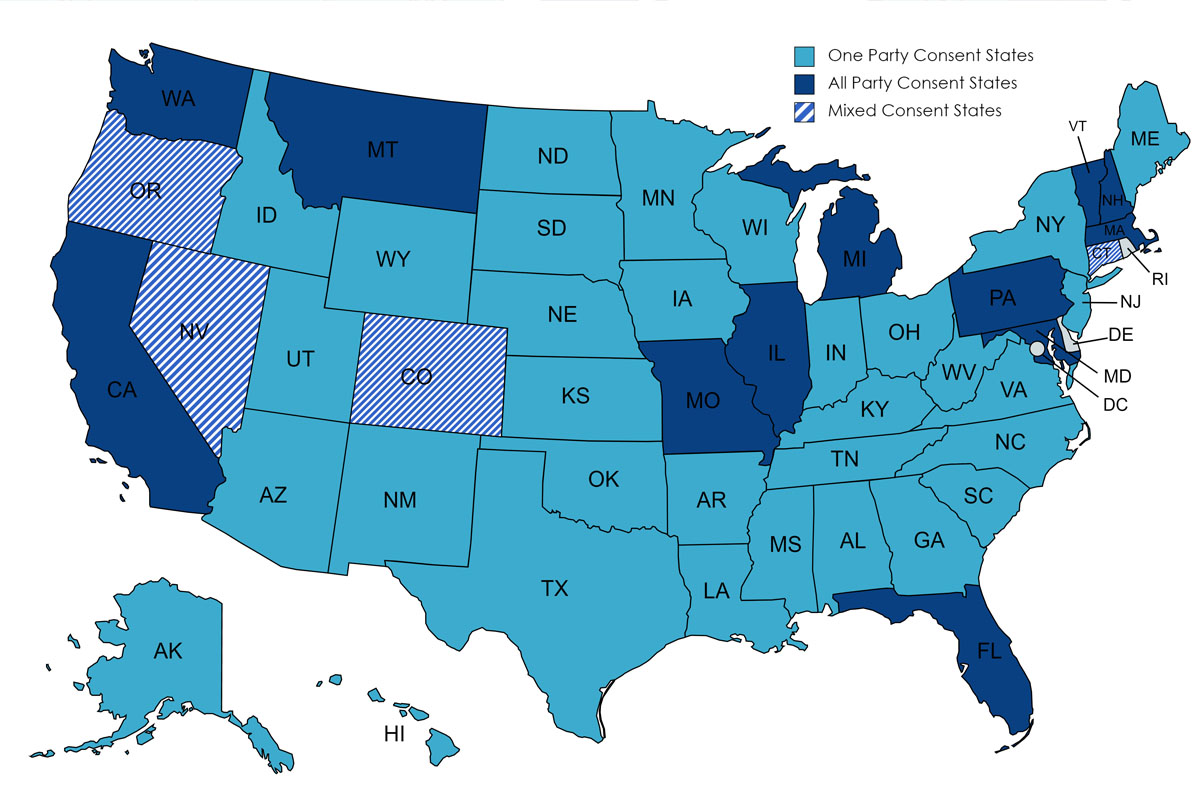
The question “Is Colorado a one-party consent state?” refers to specific legislation that dictates the legality of recording private conversations. In simple terms, a “one-party consent” law means that you can legally record a conversation as long as you are a party to the conversation, or you have the consent of at least one person who is a party to the conversation. This stands in contrast to “two-party consent” or “all-party consent” states, where every individual involved in a conversation must explicitly agree to be recorded. This distinction has significant implications, not only for legal proceedings but also for everyday interactions, especially in public spaces, accommodations, and tourist attractions across the United States.
For those exploring Colorado, whether it’s for an adventure sports holiday, a cultural city break, or a tranquil retreat into nature, being aware of these laws contributes to a more informed and worry-free trip. It influences how you might share your experiences on social media, interact with service providers in hotels or restaurants, or even capture candid moments with travel companions. This comprehensive guide will delve into Colorado’s specific laws on consent for recording, explore their practical implications for travelers and tourists, and offer best practices for navigating privacy and digital etiquette in this beautiful state, ensuring your memories are cherished responsibly and legally.
Understanding Colorado’s Consent Laws for Recording
To fully appreciate the implications for travelers and residents, it’s essential to first establish a clear understanding of Colorado’s legal stance on recording conversations. The answer to the titular question is straightforward: Yes, Colorado is indeed a one-party consent state when it comes to recording private conversations. This means that under Colorado law, you can legally record an in-person or telephone conversation without informing the other parties, provided you are a participant in the conversation or have the consent of at least one participant.
This legal framework is primarily governed by the Colorado Wiretapping and Eavesdropping Act, which outlines the rules regarding the interception of oral communications. The core principle is that if you are involved in the conversation, your consent serves as the “one party” required by law. However, it’s crucial to understand the limitations and nuances of this rule. The law specifically targets private conversations where parties have a reasonable expectation of privacy. This distinction is vital, as it delineates what can and cannot be recorded without explicit consent.
For instance, recording a casual chat with a waiter at a restaurant, a tour guide explaining a landmark, or a front desk clerk at a Marriott or Hyatt hotel falls under this one-party consent rule if you are part of the conversation. The intent of the law is to protect individuals from having their private communications secretly recorded by third parties not involved in the discussion. It does not typically extend to situations where there is no reasonable expectation of privacy.
The Nuance of “Reasonable Expectation of Privacy”
The concept of a “reasonable expectation of privacy” is central to understanding Colorado’s recording laws. This concept differentiates between conversations held in private settings and those occurring in public.
- Private Settings: In private settings, such as inside a home, a hotel room, a private office, or a closed meeting room, individuals generally have a reasonable expectation that their conversations are private. In these scenarios, Colorado’s one-party consent law applies. If you are a party to such a conversation, you can record it. If you are not a party, you would need the consent of at least one participant to legally record it. Recording a conversation without any party’s consent in a private setting would likely constitute illegal eavesdropping.
- Public Settings: In public places, such as streets in Colorado Springs, parks, public squares, or open-air festivals, individuals generally have a much lower, or even no, reasonable expectation of privacy regarding what they say or do. Conversations held in public that can be overheard by others are typically not considered private communications. Therefore, recording such conversations, or recording people in public spaces, usually does not fall under the one-party consent rule because there is no expectation of privacy in the first place. This is why tourists can freely film street performers or capture the general ambiance of a bustling market without explicit consent from every individual in view.
It’s important to differentiate between audio recording and video recording. While the one-party consent law primarily addresses audio interception, video recording in public spaces is generally permissible as long as it doesn’t involve harassment, voyeurism, or other illegal activities. However, attaching audio to video in a private setting without consent still falls under the wiretapping laws. Travelers should always be mindful that while general filming in public is allowed, intentionally zooming in on private conversations or individuals without their knowledge, even in a public setting, can raise ethical concerns and potentially legal issues if harassment or invasion of privacy is alleged.
Understanding these legal specifics provides a foundational knowledge base for anyone visiting or living in Colorado, ensuring that their interactions and documentation practices remain within legal boundaries and respect the privacy of others.
Implications for Travelers and Tourists in Colorado
For visitors exploring the diverse attractions of Colorado, from the historic sites in Mesa Verde National Park to the ski slopes of Breckenridge, understanding the state’s one-party consent law for recording has practical implications across various travel scenarios. It touches upon everything from capturing personal memories to creating content for social media and interacting with service providers.
Documenting Your Journey: Vlogging, Photography, and Social Media
The rise of digital content creation means many travelers capture their experiences through vlogs, photos, and social media posts. Colorado’s one-party consent law generally offers flexibility for personal documentation, particularly in public spaces.
- Public Spaces and Events: When you’re filming the stunning rock formations at Garden of the Gods, exploring downtown Durango, or attending a festival in Telluride, you are generally free to capture video and audio of the surroundings, including people who are incidentally in your shot. In these public environments, individuals do not have a reasonable expectation of privacy. This means you can create captivating travel videos and photographs without needing explicit permission from everyone who might appear in the background.
- Interactions with Locals and Guides: If you’re engaging in a conversation with a local artisan, a rafting guide on the Colorado River, or a park ranger, and you are a participant in that conversation, Colorado’s one-party consent law allows you to record the interaction without their explicit knowledge or permission. This can be useful for remembering details, capturing authentic moments, or even for safety purposes. However, while legal, it is always recommended to consider the ethical implications. A simple “Do you mind if I record this for my personal travel diary?” can foster goodwill and mutual respect, especially when interacting with individuals providing a service or sharing personal stories.
- Capturing Experiences: Whether it’s the cheers at a Denver Broncos game or the serene sounds of nature near the Continental Divide, you can capture audio and video as part of your overall experience. The law protects individuals from secretly intercepted private communications, not from incidental recordings in open, public settings.
Interactions within Accommodation and Private Tours
When your travels take you into more defined or private settings, the law’s application becomes more specific.
- Hotels, Resorts, and Rental Properties: In the privacy of your hotel room at a Hilton in Vail or a rented Airbnb in Winter Park, your conversations are considered private. If you are having a conversation with family members or friends within your rented space, you can record it as a participant. However, recording conversations of others, such as hotel staff who might enter your room (e.g., for maintenance, with permission) without their consent, could be problematic if they have a reasonable expectation of privacy. Similarly, placing recording devices in a rental property to record activities without the knowledge and consent of occupants is generally illegal and a severe invasion of privacy. Property owners listing on platforms like Vrbo or Airbnb are typically required to disclose any surveillance devices.
- Private Tours and Guided Experiences: If you book a private guided tour, say, a historical walking tour in Glenwood Springs or a jeep tour up Pikes Peak, your conversations with the guide are subject to Colorado’s one-party consent law. As a participant, you can record. Again, while legal, it’s often more courteous to ask, especially if the recording is for public dissemination. This builds trust and ensures the guide is comfortable with being featured.
The key takeaway is that while Colorado’s one-party consent law provides flexibility, especially for individuals recording their own experiences, travelers should always operate with an understanding of context and a strong ethical compass. Prioritizing respect for privacy and personal boundaries will enhance your travel experience and interactions, ensuring that your memories are not only well-documented but also responsibly acquired.

Navigating Privacy in Colorado Accommodations and Public Spaces
Understanding Colorado’s one-party consent law is just one piece of the puzzle; knowing how to practically apply it while respecting privacy in both public and private settings is paramount for any traveler. The nuances of where and how you record can significantly impact your experience and interactions within the Centennial State.
Recording in Hotels, Resorts, and Rental Properties
Accommodation forms a crucial part of any travel experience, and special considerations apply when it comes to recording within these spaces.
- Your Own Private Space: In your hotel room, resort suite, or rented apartment from platforms like Airbnb or Vrbo, you have a heightened expectation of privacy. As such, any conversations you are a party to within your rented space can be recorded under Colorado’s one-party consent rule. This includes conversations with travel companions or even with staff members who enter your room if you are part of that interaction. However, surreptitiously recording conversations of staff members who are not directly interacting with you, or installing hidden cameras to monitor others, is illegal and a serious privacy violation.
- Common Areas: Hotels and resorts often have common areas like lobbies, restaurants, gyms, and swimming pools. These are semi-public spaces. While incidental filming and photography for personal use are generally acceptable, similar to public streets, specific rules might apply. Most establishments will have policies against intrusive photography or videography that disrupts other guests or targets individuals without their consent. For example, discreetly recording a conversation you are having with a concierge in a busy lobby is generally permissible under one-party consent, as there’s no expectation of privacy for the conversation itself, and you are a participant. However, setting up a camera to film other guests enjoying their amenities might infringe on their reasonable expectation of privacy, especially if it’s intrusive.
- Security and Surveillance: It’s important to remember that many hotels and rental properties employ their own security cameras in common areas for safety and security. These are typically disclosed and visible. However, as a guest, you should assume that while your personal room offers privacy, common areas may be under surveillance by the establishment itself.
Respecting Privacy in Colorado’s Public Spaces
Colorado’s abundant natural beauty and vibrant urban centers offer countless opportunities for capturing stunning visuals and sounds. While public spaces generally have a lower expectation of privacy, exercising discretion and respect is always recommended.
- Incidental vs. Intentional Recording: When you’re filming the grandeur of Great Sand Dunes National Park and Preserve or the lively atmosphere of a festival in Denver, people will inevitably be in your shots. This “incidental” recording of individuals in public is generally fine. The issue arises when you intentionally focus on specific individuals without their knowledge or consent, especially if your actions could be perceived as intrusive, harassing, or an invasion of their personal space.
- Children and Vulnerable Individuals: Special sensitivity should be applied when recording children or individuals who may be vulnerable. Always err on the side of caution and seek explicit permission from parents or guardians before filming or photographing children, especially if their faces are identifiable or if the content might be shared publicly.
- Private Property within Public View: Even in public spaces, there are often adjacent private properties. While you can typically film what is openly visible from a public vantage point, attempting to film into private residences, hotel rooms, or other private enclosures from a public area can constitute an invasion of privacy or trespass, regardless of Colorado’s consent laws for conversations.
- Ethical Considerations: Beyond legal requirements, ethical considerations dictate that asking for permission is often the best approach, especially if someone is a central subject of your recording, if you plan to use their image or voice commercially, or if the interaction is sensitive. A simple “Is it okay if I record this?” can prevent misunderstandings and foster positive interactions, enriching your travel experience in Colorado.
By thoughtfully navigating these scenarios, travelers can enjoy documenting their Colorado adventures while maintaining respect for the privacy and comfort of others, ensuring a positive experience for everyone involved.
Responsible Tourism and Digital Etiquette in the Centennial State
As much as Colorado welcomes visitors to explore its wonders, it also champions a culture of respect – for its natural environment, its local communities, and the privacy of its inhabitants. Integrating responsible tourism practices with digital etiquette, especially concerning recording, enhances the experience for everyone and preserves the integrity of the Centennial State.
Adhering to Local Norms and Signage
While Colorado’s one-party consent law provides a legal baseline, it’s not the only consideration. Many private establishments, attractions, and even specific areas within public parks may have their own policies regarding photography and videography.
- “No Photography” or “No Recording” Zones: Pay attention to posted signage. Museums, art galleries, private businesses, or certain historical sites might prohibit or restrict recording for various reasons, including copyright protection, preservation, or guest privacy. Respecting these signs is paramount, regardless of general state laws. For instance, while you might be able to legally record a conversation you are part of, if a venue explicitly forbids recording devices, you should adhere to their rules as a condition of entry.
- Cultural Sensitivity: When visiting diverse communities or participating in local events, be mindful of cultural practices. Some indigenous sites or spiritual gatherings may have specific rules about photography or recording, out of respect for tradition or privacy. Always inquire or observe local customs before pointing your camera or recording device.
- Commercial Use Restrictions: Be aware that even if you can legally record something for personal use, using it for commercial purposes (e.g., selling footage, monetizing a YouTube channel with specific interviews) often requires explicit consent, typically in the form of a signed release from any identifiable individuals. Colorado’s one-party consent law doesn’t automatically grant commercial usage rights for recorded individuals.
The Ethics of Recording: Beyond Legality
The legal framework is a minimum standard; ethical considerations often go further, promoting goodwill and respectful interactions.
- Asking Permission: When in doubt, or when the recording involves a direct, personal interaction, simply asking “Do you mind if I record this?” is always the best approach. This small gesture can prevent awkwardness, build trust, and ensure that individuals feel respected. It’s especially crucial if someone is sharing personal information, or if you intend to feature them prominently in content that will be widely shared.
- Consider the Impact: Before you hit record, take a moment to consider how your actions might affect others. Is your recording intrusive? Will it make someone uncomfortable? Are you capturing someone in a vulnerable or private moment? Responsible tourism encourages visitors to leave a positive impact, and this extends to digital interactions.
- Privacy of Children: Always be extra cautious when recording children. It is generally advisable to seek permission from their parents or guardians before including children in your recordings, especially close-ups or if you plan to share the content publicly.
- When to Delete: If someone expresses discomfort after being recorded, even if you were legally within your rights, consider deleting the footage. Prioritizing human connection and respect over a piece of content often leads to a more enriching travel experience.
By embracing these principles of responsible tourism and digital etiquette, visitors to Colorado can not only capture incredible memories but also contribute to a respectful and harmonious environment for everyone. This approach ensures that your journey through the Centennial State is not just memorable for you, but also considerate of the people and places you encounter.

Conclusion
Navigating the picturesque landscapes and vibrant communities of Colorado is an unforgettable experience, offering everything from adrenaline-pumping adventures on the ski slopes of Vail to serene moments exploring the ancient cliff dwellings of Mesa Verde National Park. In an era defined by digital documentation, understanding the legalities and ethics of recording conversations and interactions has become an indispensable aspect of responsible travel and lifestyle.
As confirmed, Colorado operates under a one-party consent law for recording private conversations. This means that if you are an active participant in a conversation, you can legally record it without needing the explicit permission of others involved. This legal framework provides a degree of flexibility for travelers wishing to document their interactions, remember key details from guided tours, or capture the authentic sounds of their journey. However, this law is specifically nuanced by the concept of a “reasonable expectation of privacy,” primarily distinguishing between private settings where the law applies rigorously and public spaces where it is generally understood that privacy expectations are significantly diminished.
For the modern traveler, whether vlogging their ascent of Pikes Peak, reviewing a stay at a boutique hotel in Boulder, or simply capturing candid moments with family, these legal distinctions are vital. While the law generally permits filming and photography in public spaces and allows for one-party consent audio recording, responsible tourism extends beyond mere legality. It encompasses a commitment to digital etiquette, respect for local customs, and an awareness of how your actions might impact the privacy and comfort of others.
Prioritizing clear communication, such as asking for permission when appropriate, being mindful of “no recording” signage, and exercising caution when involving children or vulnerable individuals in your content, ensures a more positive and respectful experience for all. By integrating these practices, visitors can truly immerse themselves in the spirit of the Centennial State, capturing its beauty and dynamism while upholding the values of privacy and mutual respect. Armed with this knowledge, your journey through Colorado will not only be rich in memories but also conducted with utmost consideration and care.
LifeOutOfTheBox is a participant in the Amazon Services LLC Associates Program, an affiliate advertising program designed to provide a means for sites to earn advertising fees by advertising and linking to Amazon.com. Amazon, the Amazon logo, AmazonSupply, and the AmazonSupply logo are trademarks of Amazon.com, Inc. or its affiliates. As an Amazon Associate we earn affiliate commissions from qualifying purchases.