
The question of whether Colorado is a “red” or “blue” state is one that often sparks debate, not just among political analysts but also among those considering a move, a vacation, or a business venture in the Centennial State. While historically a swing state, Colorado has undeniably trended blue in recent decades, particularly in its major population centers. However, painting the entire state with a single color brush would be an oversimplification. Colorado is a vibrant tapestry of diverse political viewpoints, landscapes, and lifestyles, each contributing to a unique experience for residents and travelers alike. Understanding this nuanced political identity is key to appreciating the state’s rich culture, varied tourism offerings, and dynamic economic environment.
Understanding Colorado‘s Evolving Political Identity
Colorado’s political leanings are as diverse as its geography, ranging from the progressive urban hubs nestled along the Front Range to the more conservative agricultural communities of the Eastern Plains and the rugged individualists inhabiting the Western Slope. This political complexity is a significant factor in shaping the local culture, the types of businesses that thrive, and the overall visitor experience in different parts of the state.
From Swing State to Blue Lean: A Brief History
For much of its history, Colorado was considered a purple state, capable of voting for either Republican or Democratic presidential candidates and often electing officials from both parties. This balanced political landscape was a reflection of its diverse population – a blend of traditional Western ranchers, miners, and farmers, alongside a growing influx of urban professionals and outdoor enthusiasts.
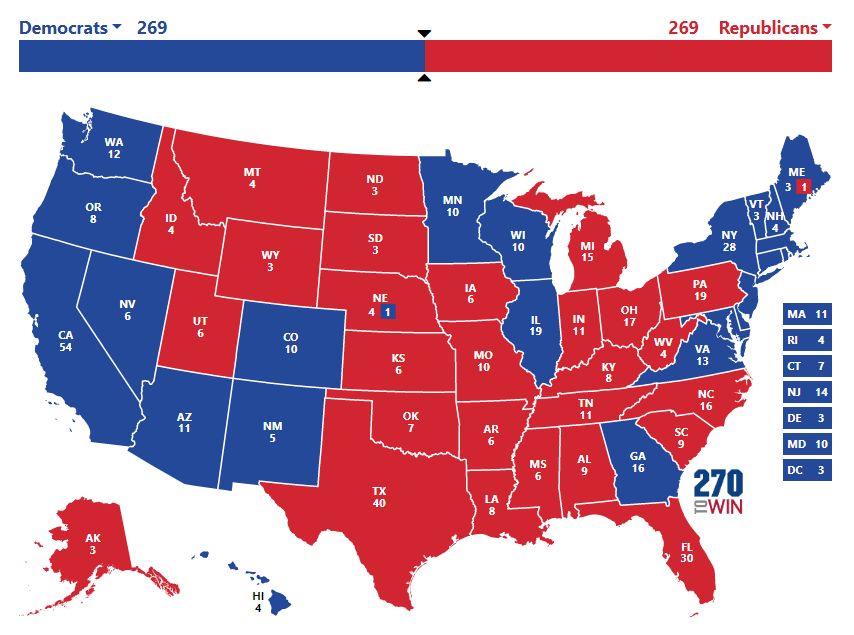
However, over the past two decades, a significant demographic shift has occurred. The rapid growth of metropolitan areas like Denver, Boulder, and Fort Collins has brought in a younger, more educated, and often more liberal population. These new residents, drawn by job opportunities in technology, aerospace, and renewable energy, as well as the appealing lifestyle centered around outdoor recreation and progressive values, have gradually shifted the state’s political center of gravity towards the Democratic Party. Today, Colorado consistently votes Democratic in presidential elections, and both chambers of its state legislature are controlled by Democrats. The governorship is also held by a Democrat. This trend solidifies Colorado’s current status as a reliably blue state, at least at the statewide level.
The Urban-Rural Divide: A Geographic Perspective
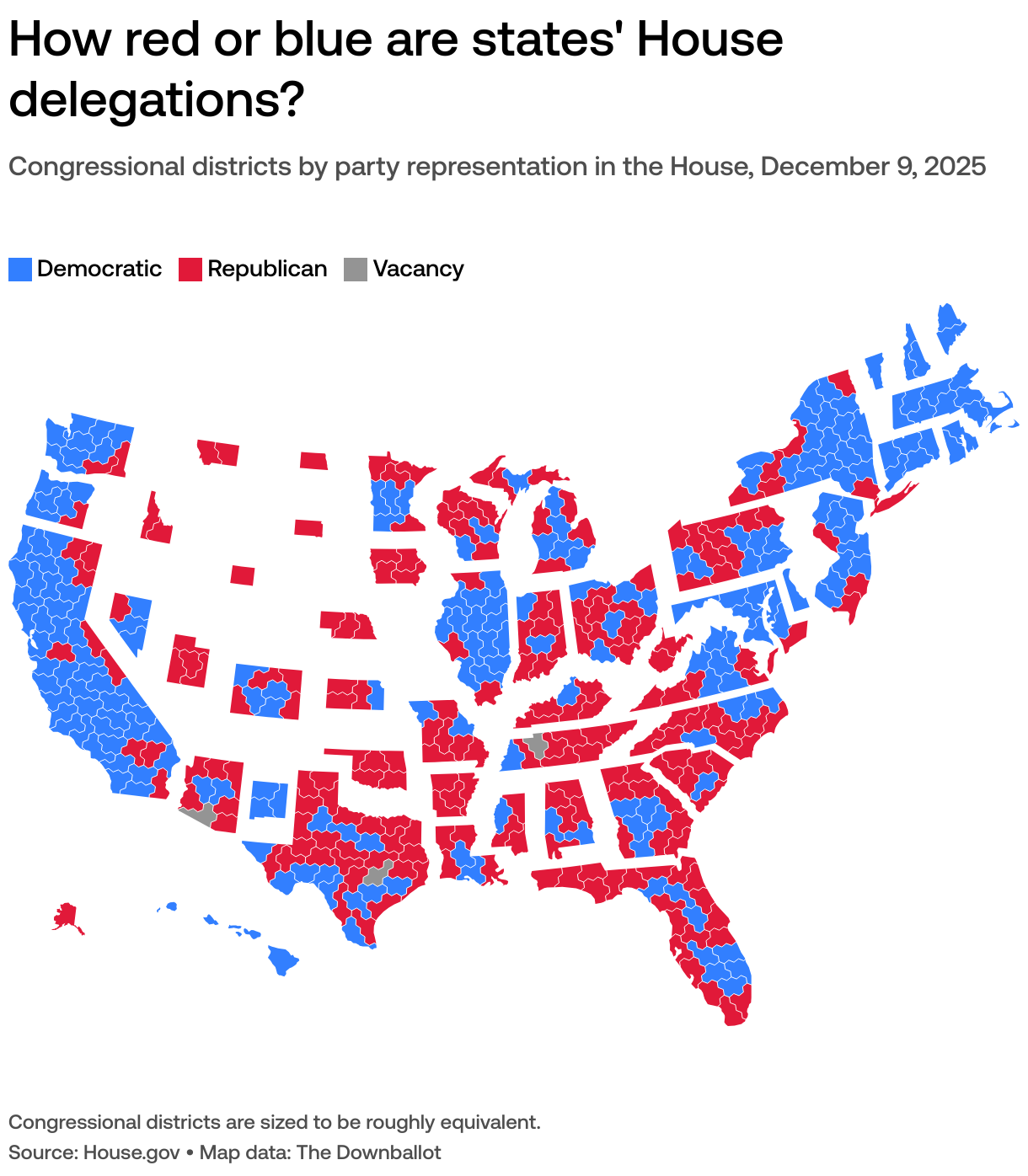
Despite the statewide blue lean, the political map of Colorado remains distinctly purple when viewed at a granular level. The most pronounced political divide runs along geographic lines:
- Blue Strongholds: The heavily populated Front Range corridor, stretching from Fort Collins in the north through Denver and Boulder, and down to Pueblo in the south, forms the state’s blue backbone. This region is home to most of Colorado’s major cities, universities, and tech industries.
- Red Enclaves: Conversely, the vast Eastern Plains, known for agriculture and ranching, and many of the smaller, more remote towns across the Western Slope and southern Colorado, tend to lean heavily Republican. These areas often prioritize conservative values, limited government intervention, and traditional industries.
- Purple Pockets: There are also fascinating purple pockets, particularly in some of the mountain resort towns and historically independent communities. Places like Colorado Springs, home to military installations and a strong evangelical presence, often swing between red and purple, though it still generally leans conservative. Other mountain towns, while often embracing environmentalism, also value self-reliance and outdoor freedoms that can appeal to different political stripes.
This urban-rural political cleavage is not unique to Colorado, but it is particularly stark here, with the majestic Rocky Mountains serving as a powerful backdrop to these differing worldviews.
The Influence of Politics on Colorado’s Tourism and Lifestyle
The political landscape of Colorado is not merely a topic for C-SPAN viewers; it profoundly influences the state’s tourism industry, local culture, and overall lifestyle offerings. From the types of attractions that are promoted to the culinary scenes and accommodation options, political leanings can subtly, or sometimes overtly, shape the visitor experience.
Cultural Nuances and Community Vibrancy
In Colorado’s blue urban centers, you’ll find a strong emphasis on progressive social policies, environmental sustainability, and a thriving arts and culture scene. Cities like Denver and Boulder are hubs for farm-to-table dining, craft breweries, live music, and diverse cultural festivals. The lifestyle here often involves outdoor activities (hiking, biking, skiing) combined with a cosmopolitan urban existence. The local culture is generally open, inclusive, and forward-thinking, attracting a demographic that values social responsibility and innovation. This is reflected in everything from the public art installations you’ll encounter to the types of independent shops and vegan restaurants that flourish.
Conversely, in the redder rural areas, a more traditional, community-focused lifestyle prevails. Here, agriculture, ranching, and outdoor pursuits like hunting and fishing are central. The culture is often characterized by strong community ties, an emphasis on self-reliance, and a slower pace of life. While amenities might be fewer, the authenticity and connection to Colorado’s pioneering spirit are palpable. Local diners, rodeos, and community fairs often define the social calendar. This isn’t to say there isn’t cultural vibrancy, but it manifests in different forms, often rooted in historical traditions and rural heritage.
Economic Drivers and Innovation Hubs
Colorado’s political leanings also correlate with its economic drivers. The blue areas along the Front Range are major innovation hubs. Denver, Boulder, and Fort Collins have attracted significant investment in technology, aerospace, biosciences, and renewable energy. This economic dynamism fuels a demand for luxury hotels, boutique apartments, and sophisticated dining experiences, catering to business travelers and affluent tourists. The progressive policies often support green initiatives, making Colorado a leader in sustainable tourism and development. Companies like the National Renewable Energy Laboratory in Golden symbolize this focus.
In the redder rural counties, the economy often relies on agriculture, mining, and traditional tourism centered around hunting, fishing, and national parks. Here, accommodation might include charming bed and breakfasts, rustic cabins, or campgrounds, appealing to those seeking an authentic, rugged outdoor experience. The focus is less on high-tech innovation and more on preserving traditional livelihoods and leveraging natural resources, though increasingly, agritourism and niche adventure tourism are gaining traction.
Exploring Colorado: Destinations Reflecting Diverse Perspectives
When planning a trip to Colorado, understanding the political leanings of different regions can subtly inform your expectations regarding local culture, available activities, and even the types of accommodations you’ll find. It’s less about making a political statement and more about choosing an experience that aligns with your desired travel style and personal interests.
Blue Strongholds: Denver and the Front Range
The Front Range is the heart of blue Colorado. Denver, the state capital, is a bustling metropolis known for its vibrant arts scene, world-class dining, and extensive green spaces. Travelers here will find a plethora of luxury hotels like the Grand Hyatt Hotel and boutique accommodations in areas like Cherry Creek or Larimer Square. Attractions such as the Denver Art Museum, Denver Museum of Nature & Science, Red Rocks Park and Amphitheatre, and Union Station cater to diverse interests. The River North Art District (RiNo) exemplifies the progressive, creative energy, with street art, craft breweries, and innovative eateries.
Further north, Boulder is renowned for its outdoor lifestyle, environmental consciousness, and progressive ethos. The Pearl Street Mall offers unique shopping and dining, while the surrounding Flatirons provide endless hiking and climbing opportunities. Fort Collins balances its university-town vibe with a thriving craft beer industry and access to the Cache la Poudre River for outdoor adventures. These cities attract those seeking a lively, cultured, and environmentally aware travel experience, with accommodation options ranging from eco-friendly hotels to chic downtown apartments.
Red Enclaves: Rural Colorado and the Eastern Plains
The Eastern Plains and many of the smaller towns beyond the Front Range represent traditional, conservative Colorado. Here, the pace is slower, and the landscape is dominated by vast agricultural fields and rolling prairie. Tourism here focuses on agritourism, hunting, fishing, and exploring the serene, wide-open spaces. You’ll find a strong sense of community, local diners serving hearty meals, and often very welcoming, albeit more traditional, locals. Accommodation might lean towards family-run motels, rustic cabins, or RV parks. It’s a perfect destination for those seeking quiet solitude, starry nights, and an authentic taste of rural American life, far from the urban bustle. Landmarks here might include historic railroad towns or natural formations off the beaten path, offering a glimpse into Colorado’s pioneer heritage.

Colorado Springs, while a large city, often leans more conservative than Denver. It is home to the United States Air Force Academy and is known for its stunning natural landmarks like the Garden of the Gods and Pikes Peak. Here, visitors find a blend of outdoor adventure with a strong patriotic and military presence. Hotels range from established chains to family-friendly resorts catering to a slightly different demographic than Denver’s more avant-garde offerings.
Purple Pockets: The Mountain Towns and Western Slope
The mountain communities and the Western Slope often present a fascinating mix of political leanings. Iconic ski towns like Vail, Aspen, Telluride, and Breckenridge attract a wealthy, often liberal, demographic for their luxury resorts, high-end dining, and world-class skiing. Yet, these towns also house long-time locals who value independence and self-reliance, sometimes holding more conservative views. The lifestyle here is centered around outdoor sports and an appreciation for the natural beauty of the Rocky Mountains. You’ll find everything from ultra-luxury suites and ski-in/ski-out accommodations to charming rustic lodges. Events like the Telluride Film Festival exemplify the sophisticated cultural offerings.
The Western Slope, including cities like Grand Junction, has a more pronounced purple or even red lean. This region is known for its vineyards, fruit orchards, and access to national parks and monuments like Mesa Verde National Park and Colorado National Monument. Here, you might experience a blend of traditional Western hospitality with a growing appreciation for local foods and burgeoning wine tourism. Accommodation options might include charming inns, vacation rentals, or established chain hotels, offering a gateway to a different side of Colorado.
Navigating Colorado as a Traveler: What to Expect
For travelers, understanding Colorado’s political leanings isn’t about choosing a side, but rather about appreciating the diverse experiences the state offers. Whether you seek a vibrant, progressive urban adventure or a tranquil, traditional rural escape, Colorado has a destination for you.
Accommodation Choices and Local Experiences
Your choice of accommodation and planned activities can be subtly influenced by the political climate of a region. In blue areas, you might find more options for eco-lodges, boutique hotels with a modern aesthetic, and a wider array of international cuisine, vegan options, and craft beverage establishments. Tourism tips in these areas often highlight sustainable practices, public transportation, and community engagement. You might easily find luxury resorts focused on wellness and organic dining.
In redder areas, you might encounter more traditional hotels, family-owned motels, and cabin rentals. Dining might emphasize comfort food and local specialties, with a focus on hearty, traditional fare. Experiences could include guided hunting or fishing trips, visits to historic ranches, or participation in local fairs and rodeos. For those interested in long-term stays, rural properties might offer more space and solitude, while urban areas provide convenience and access to amenities.
Embracing Colorado’s Unique Blend
Ultimately, Colorado’s unique appeal lies in its ability to cater to a broad spectrum of preferences. The state’s increasingly blue political identity at the statewide level is a reflection of its rapid growth and evolving demographics, particularly in the thriving Front Range. However, the underlying diversity of its regions means that visitors can still find red-leaning communities that cherish traditional values, as well as purple areas that represent a fascinating blend of both.
Regardless of political affiliation, all of Colorado’s regions share a common thread: an profound appreciation for the state’s breathtaking natural beauty and unparalleled outdoor recreation opportunities. From skiing in Keystone or Snowmass to exploring the Great Sand Dunes National Park and Preserve, or enjoying a concert at Red Rocks Park and Amphitheatre, the call of the outdoors transcends political lines.
The Future of Colorado’s Political and Tourism Landscape
As Colorado continues to grow and evolve, its political identity will undoubtedly remain a dynamic topic. The influx of new residents, coupled with ongoing shifts in economic drivers and lifestyle preferences, will continue to shape the state’s trajectory. For the tourism industry, this means an ongoing need to cater to a diverse clientele, offering a spectrum of experiences that range from cutting-edge urban luxury to authentic rural charm.
Whether you’re visiting Denver International Airport for a business trip, planning a family vacation to Manitou Springs, exploring the history of Cripple Creek, or indulging in the hot springs of Glenwood Springs or Steamboat Springs, Colorado’s political leanings are simply one layer of its multifaceted identity. The state’s true colors are found in its vibrant communities, its majestic landscapes, and the warm welcome it extends to all who come to explore its wonders. While Colorado may largely be considered a “blue” state on a map, its heart beats with the rhythm of countless “red” and “purple” notes, creating a symphony of experiences that are uniquely Coloradan.
LifeOutOfTheBox is a participant in the Amazon Services LLC Associates Program, an affiliate advertising program designed to provide a means for sites to earn advertising fees by advertising and linking to Amazon.com. Amazon, the Amazon logo, AmazonSupply, and the AmazonSupply logo are trademarks of Amazon.com, Inc. or its affiliates. As an Amazon Associate we earn affiliate commissions from qualifying purchases.