
The question of whether Colorado is a “red state” — a stronghold for the Republican Party — is a fascinating one that quickly reveals a complex and evolving political landscape. For those interested in travel, tourism, and understanding the lifestyle of a destination, delving into a state’s political identity can offer surprising insights into its culture, demographics, and the very experiences it offers to visitors. Far from a simple red or blue label, Colorado presents a vibrant tapestry woven from diverse communities, breathtaking natural beauty, and a spirit of independence that transcends easy categorization. While historically it leaned conservative, modern Colorado has undeniably shifted, painting a picture that is more purple, and increasingly, decidedly blue. This shift has profound implications for the state’s social fabric, its economic drivers, and the kind of unique travel experiences awaiting those who explore its majestic peaks and bustling urban centers.
A Shifting Political Landscape: From Purple to Blue
Understanding Colorado’s political evolution is key to grasping its contemporary identity. The state has long been considered a bellwether, a place where national trends often play out in miniature. Its journey from a reliably conservative stronghold to a consistently blue state is a story of demographic change, economic diversification, and the magnetic pull of its stunning environment. This transformation isn’t just about ballot boxes; it reflects deeper currents that shape local culture, infrastructure development, and the overall visitor experience.
Historical Roots and Western Independence
For much of its history, Colorado embodied the rugged individualism and conservative values often associated with the American West. Early settlers, drawn by the promise of mining fortunes, agricultural opportunities, and open spaces, forged a frontier mentality that emphasized self-reliance and limited government intervention. This heritage laid the groundwork for a strong Republican presence, particularly in the state’s rural areas and historically significant regions. The vast expanses of the Great Plains and the resource-rich Rocky Mountains fostered communities that often prioritized traditional industries like ranching, farming, and energy extraction.
In many parts of rural Colorado, particularly on the Western Slope and in the southeastern plains, this conservative leaning persists. Towns like Grand Junction, the hub of Mesa County, and regions like El Paso County, home to Colorado Springs, have historically been bastions of Republican support. These areas often showcase a different facet of Colorado life – one deeply connected to its pioneering past, offering visitors glimpses into authentic Western culture, rodeo events, and a pace of life far removed from the urban hustle. For travelers seeking an authentic taste of cowboy country, or interested in the state’s rich mining and railroad history, these regions offer a compelling array of experiences, from dude ranches to historical mining tours in places like Durango and Silverton.
The Urban-Rural Divide and Demographic Shifts
The dramatic shift in Colorado’s political identity over the past few decades can largely be attributed to a significant demographic transformation, particularly concentrated along the Front Range. Major urban centers and their surrounding suburbs have experienced explosive growth, drawing new residents from across the United States and beyond.
Cities like Denver, the state capital, and its neighboring counties—Arapahoe County, Jefferson County, and Adams County—have become increasingly Democrat. This trend extends north to liberal strongholds like Boulder and the rapidly growing city of Fort Collins in Larimer County. Even traditionally purple areas like Pueblo County in Southern Colorado, with its strong working-class roots, have shown tendencies to lean Democrat in recent elections.
This influx of new residents, many arriving from the West Coast (especially California), Texas, the Midwest, and the East Coast, has brought with it a more diverse set of political perspectives, generally skewing more progressive. These newcomers are often drawn by Colorado’s booming tech industry, its outdoor-centric lifestyle, and a perception of social openness. The result is a vibrant, cosmopolitan atmosphere in cities like Denver and Boulder, characterized by a thriving arts scene, innovative cuisine, and a strong emphasis on sustainability. For the modern traveler, this translates into an abundance of boutique hotels, farm-to-table restaurants, craft breweries, and cultural attractions like the Denver Art Museum, all reflecting a distinctly blue state ethos.
Colorado’s Unique Blend: Lifestyle and Local Culture
Beyond political affiliations, Colorado has cultivated a distinctive lifestyle that attracts millions of visitors and new residents each year. This unique blend of outdoor adventure, urban sophistication, and a commitment to well-being often transcends partisan divides, creating a universally appealing identity that underpins its tourism industry.
The “Colorado Lifestyle” Beyond Politics
The image of the “Colorado Lifestyle” is perhaps the state’s most enduring and attractive quality. It conjures visions of majestic mountains, pristine wilderness, and an active, healthy populace. While Colorado may lean blue politically, its residents, regardless of their voting preferences, share a deep appreciation for the outdoors. The iconic Rocky Mountains serve as a playground for skiing, snowboarding, hiking, mountain biking, and rock climbing. Destinations like Aspen, Vail, Breckenridge, and Telluride are world-renowned ski resorts, drawing luxury travelers and adventure seekers alike, creating a significant component of Ski Country USA.
But the outdoor appeal extends far beyond winter sports. Rocky Mountain National Park offers stunning vistas and abundant wildlife viewing. Natural landmarks like Garden of the Gods in Colorado Springs and Red Rocks Amphitheatre near Morrison (often considered a landmark by many, though not exclusively natural) are testaments to the state’s geological grandeur. This shared passion for nature fosters a culture that values environmental stewardship, sustainable practices, and community well-being, influencing everything from local food movements to urban planning. For travelers, this means access to unparalleled outdoor recreation, eco-friendly accommodations, and a general atmosphere of health and vitality that defines much of the Colorado experience.
Economic Drivers and Innovation
Colorado’s economy has diversified significantly from its mining and agricultural roots. Today, it’s a hub for technology, aerospace, renewable energy, and scientific research. Major companies and startups have flocked to the state, attracted by its skilled workforce, quality of life, and strategic location. This economic vitality, particularly concentrated in the Front Range cities, fuels the progressive leanings and cultural dynamism of the state.
The growth of industries such as biotechnology in Boulder and the burgeoning cannabis industry statewide (which was legalized through a ballot initiative, reflecting progressive voter sentiment) contribute to a forward-thinking and entrepreneurial spirit. This innovation is reflected in the state’s urban centers, which boast state-of-the-art convention centers like the Colorado Convention Center in Downtown Denver, a vibrant startup scene, and a sophisticated culinary landscape. For business travelers, this means access to modern amenities, high-speed connectivity, and an array of luxury hotels and serviced apartments catering to their needs. The blend of a strong economy and a progressive social environment makes Colorado an attractive destination for both leisure and business, demonstrating how economic prosperity and political leanings often intertwine to create a unique lifestyle.
Navigating Colorado: Travel, Accommodation, and Experiences
The political and demographic diversity within Colorado directly translates into a wide array of travel and accommodation options, ensuring that every visitor can find an experience tailored to their preferences, whether they seek rugged adventure or urban luxury.
Diverse Destinations for Every Traveler
Colorado’s multifaceted identity means that what one traveler experiences can be vastly different from another’s. If you’re drawn to the progressive, bustling energy of a major city, Denver offers a wealth of attractions. Its neighborhoods like LoDo (Lower Downtown) and the RiNo Art District are packed with trendy restaurants, vibrant nightlife, and unique art galleries. Boulder, with its pedestrian-friendly Pearl Street Mall, offers a more laid-back, health-conscious vibe, known for its outdoor gear shops, organic eateries, and proximity to mountain trails. These cities are magnets for those seeking cultural immersion, culinary exploration, and a youthful, active atmosphere.
Conversely, if your travel preferences lean towards traditional Western charm and a more conservative ethos, Colorado Springs offers a different experience. While growing and diversifying, it retains a strong military presence and a focus on faith-based tourism, along with incredible natural beauty like Pikes Peak and Garden of the Gods. Traveling further into the High Country or the Western Slope unveils towns like Durango, Ouray, and Silverton, where historical mining towns meet world-class outdoor adventures, often with a distinctly independent and self-reliant local culture. These regions provide opportunities for heritage tours, scenic train rides, and exploring ancient sites like the Mesa Verde National Park with its Anasazi Cliff Dwellings. This geographical and cultural diversity ensures that Colorado truly has something for everyone, regardless of their own political leanings or travel philosophy.
Accommodation Choices Across the Spectrum
The broad appeal of Colorado is reflected in its diverse accommodation landscape. From luxury resorts nestled in the ski towns of Aspen and Vail to rustic cabins in the heart of the Rocky Mountains, the state caters to every budget and taste. In the bustling urban centers like Denver, visitors can choose from a wide array of options, including upscale boutique hotels in LoDo, internationally recognized hotel chains near the Colorado Convention Center or Denver International Airport, and budget-friendly hotels in the suburban rings. Many urban accommodations cater to a progressive clientele, offering eco-friendly amenities, pet-friendly policies, and health-conscious dining options.
For those seeking a more traditional or family-oriented experience, Colorado Springs offers numerous resorts and hotels often featuring family-friendly amenities and easy access to outdoor activities. In the more rural areas and national parks, you’ll find charming bed-and-breakfasts, vacation rentals, and campsites that embrace the independent, self-reliant spirit of the West. Whether it’s a long-term stay in a fully equipped apartment for a business trip or a short-term booking at a resort for a family vacation, Colorado’s accommodation scene mirrors its diverse population, offering choices that appeal to a wide spectrum of lifestyles and preferences. Reviews and comparison tools are essential for navigating this rich tapestry, ensuring that travelers find the perfect fit for their Colorado adventure.
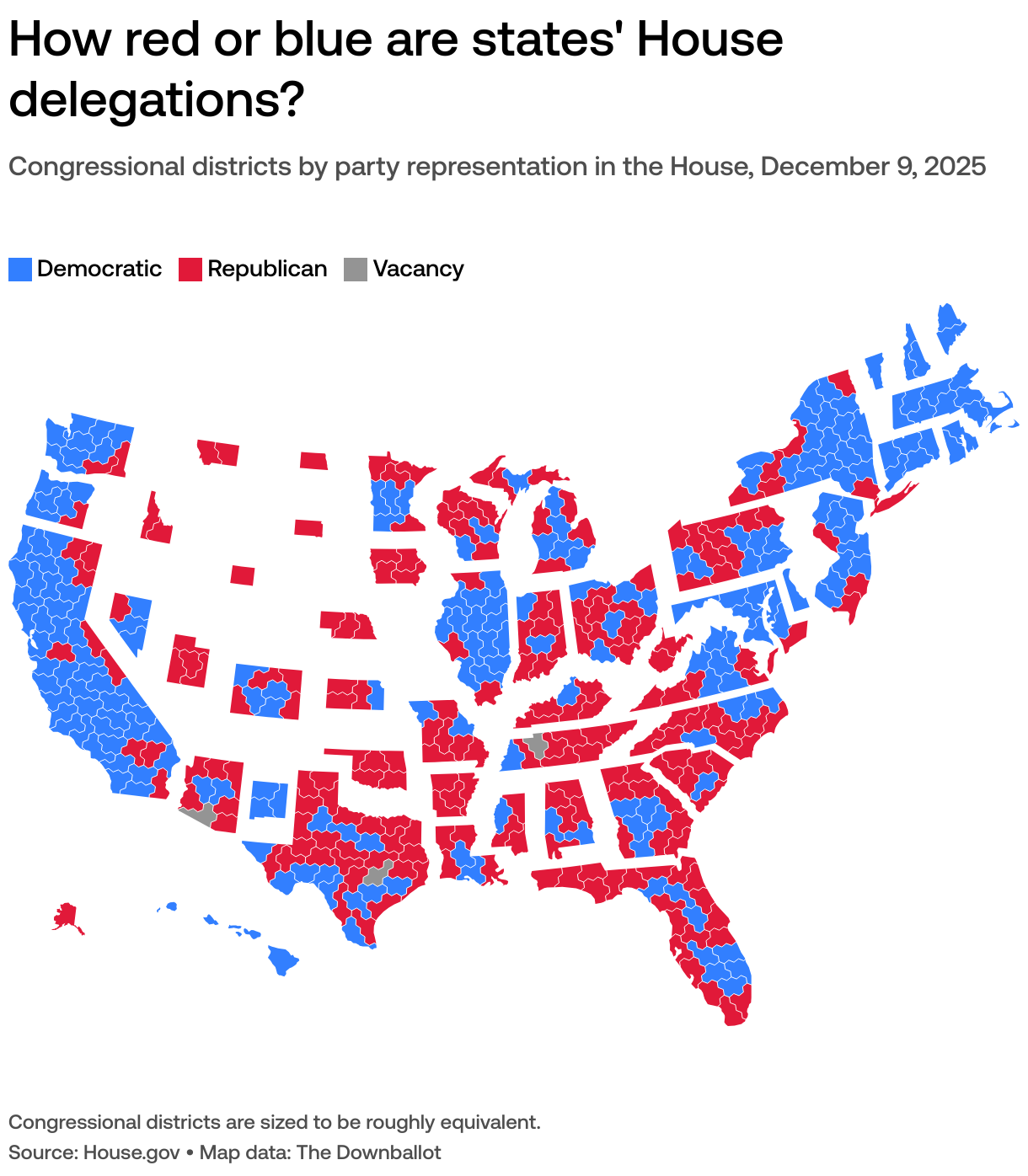
In conclusion, while the headline “Is Colorado A Red State?” might suggest a straightforward political query, the answer is a resounding “no” in today’s context. Colorado has definitively transitioned to a blue state, especially along its populous Front Range. However, to truly appreciate Colorado as a destination, it’s vital to look beyond this political label and recognize the rich blend of history, culture, and natural beauty that defines it. This political evolution has shaped a dynamic state that balances its conservative Western heritage with a forward-thinking, progressive urban culture. For travelers, this means a destination offering an incredibly diverse range of experiences—from rugged outdoor adventures and historical explorations to vibrant city life, world-class dining, and innovative industries. Whether you’re drawn by the majestic Rocky Mountains, the cultural vibrancy of Denver and Boulder, or the serene beauty of its rural landscapes, Colorado stands as a testament to American diversity, offering a compelling journey for every kind of traveler.
