
Colorado, often celebrated for its majestic Rocky Mountains, vibrant cities, and unparalleled outdoor adventures, presents a fascinating case study in American political identity. For visitors exploring its unique culture, understanding the state’s political leanings offers profound insights into its character, policies, and the very fabric of its local life. While traditionally perceived by some as a bastion of conservative values, particularly in its more rural expanses, Colorado has undergone a significant transformation in recent decades, evolving into a complex electoral battleground that often defies easy categorization. This nuanced political landscape directly impacts the local culture, influencing everything from urban development and environmental protection to social policies and the overall vibe encountered by tourists. To truly appreciate the local culture of Colorado, one must look beyond the postcard images and delve into the dynamic interplay of its diverse political identities. Is Colorado a Republican state? The answer, like its topography, is anything but monolithic, offering a richer understanding for anyone planning to immerse themselves in its distinctive charm.
The Shifting Political Landscape of Colorado
The political identity of Colorado has been in constant flux, mirroring broader demographic and economic changes across the United States. Historically, Colorado leaned conservative, with a strong emphasis on fiscal responsibility, individual liberty, and a connection to its Western heritage of ranching, mining, and self-reliance. This perception was rooted in decades where Republican candidates often found success in statewide elections and the state’s electoral votes reliably went to the GOP. However, the late 20th and early 21st centuries ushered in a significant demographic shift, particularly along the Front Range Urban Corridor, which stretches from Fort Collins in the north through Denver to Colorado Springs and Pueblo in the south.
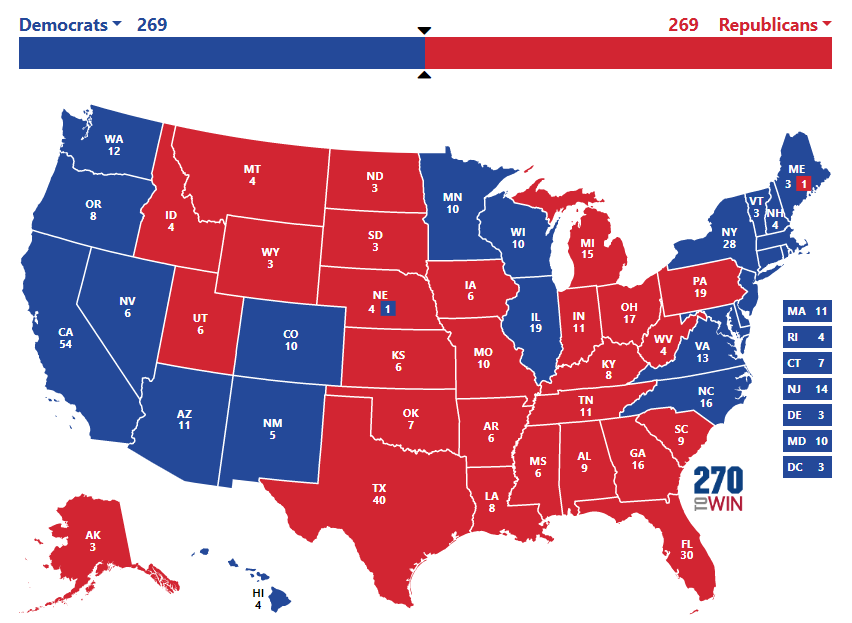
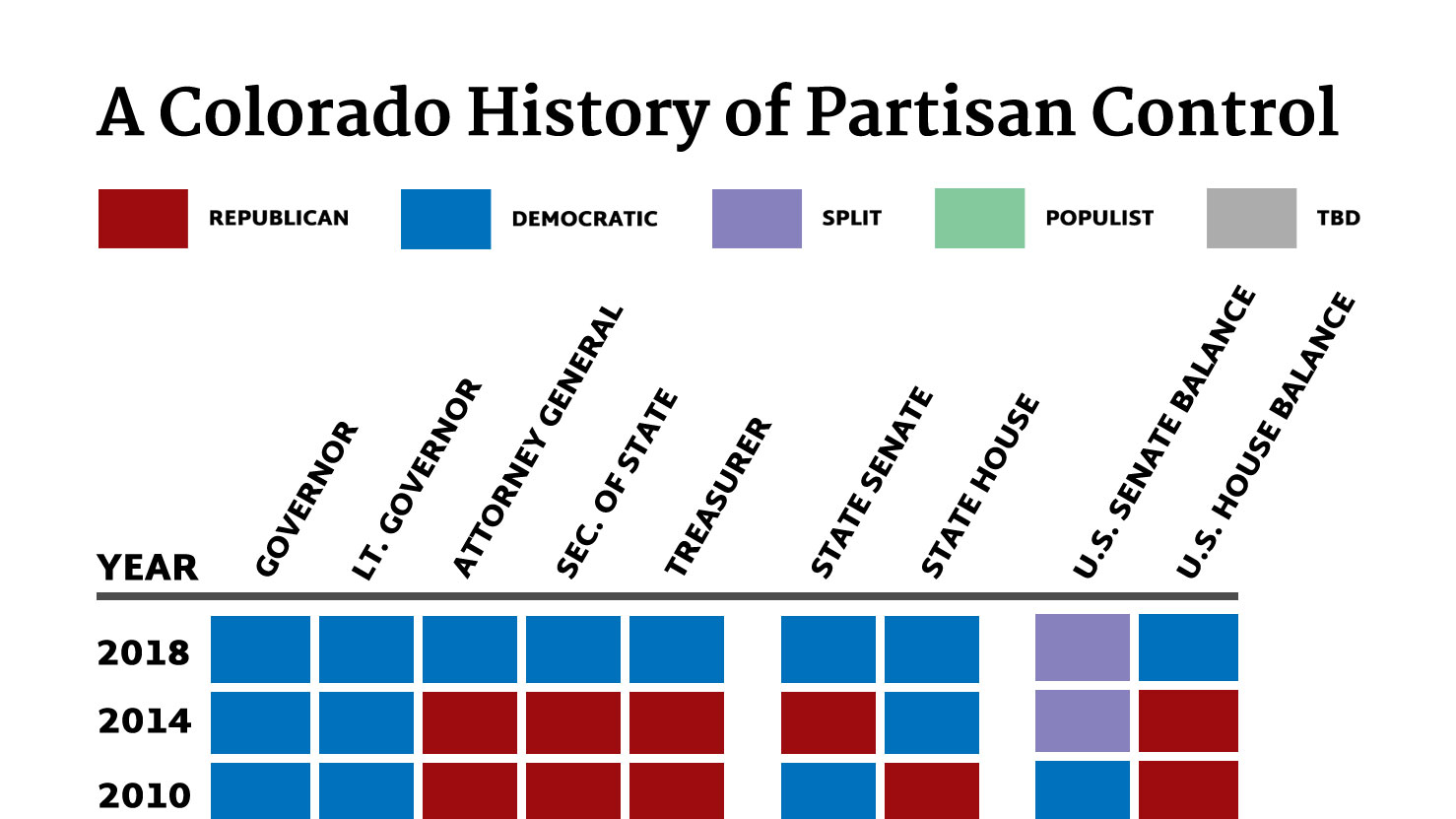
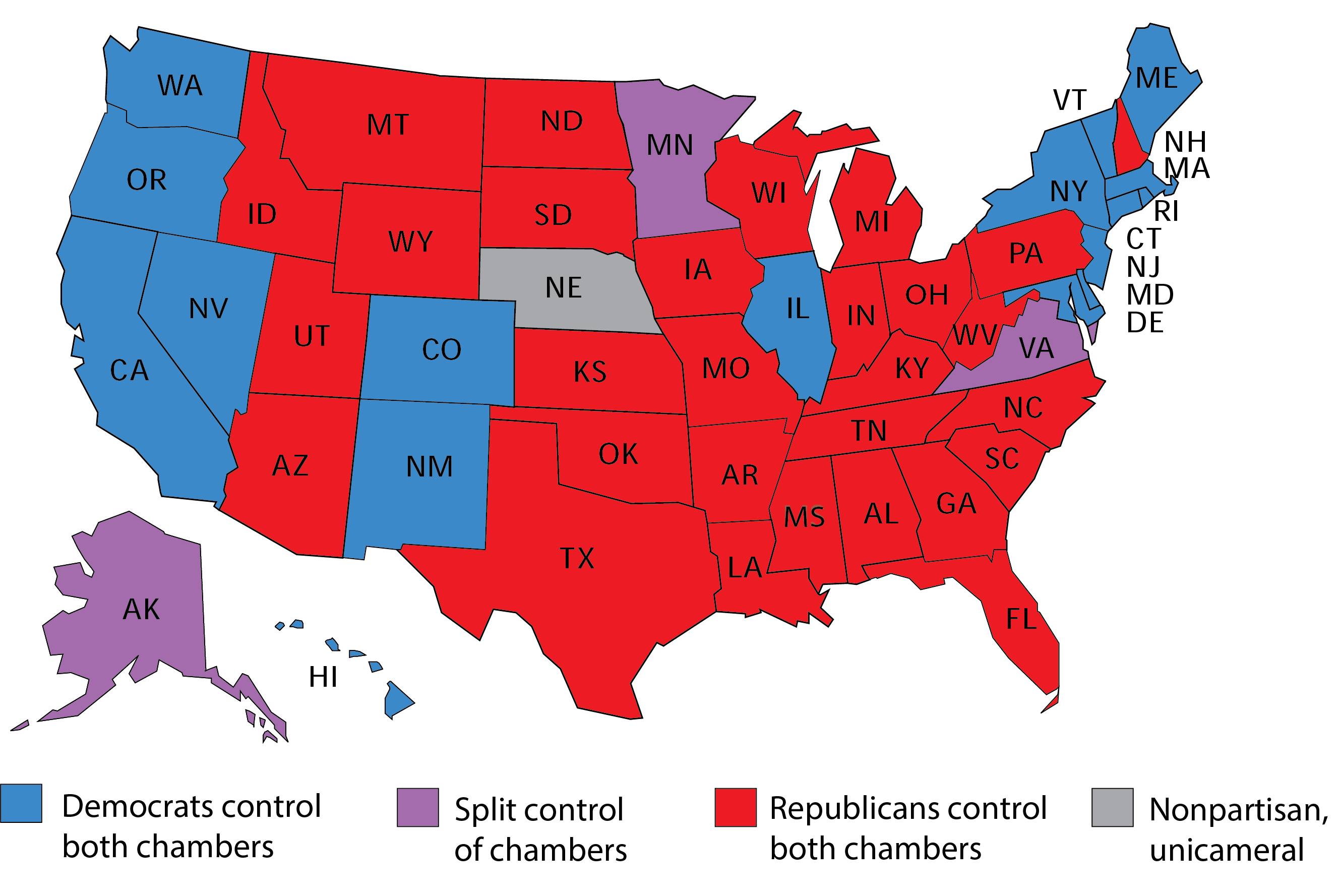
The influx of new residents, drawn by job opportunities in burgeoning tech, aerospace, and outdoor recreation industries, brought with them a diversity of political perspectives. Many of these newcomers hailed from more liberal states and urban centers, contributing to a rapid ‘blueing’ of the state’s political map. This transformation has been most evident in presidential elections; since 2008, Colorado has consistently voted for the Democratic presidential candidate. Moreover, Democrats have increasingly gained control of both chambers of the state legislature and secured major statewide offices, including the governorship and both U.S. Senate seats.
This shift, however, does not erase the conservative strongholds that still exist. Large swaths of eastern Colorado, with its agricultural roots, and many western slope communities, remain reliably Republican. This dichotomy creates a fascinating and often tense political dynamic, where the urban and suburban progressive centers increasingly dictate statewide policy, while rural areas retain their distinct conservative identity. For tourists, understanding this complex political geography means recognizing that “local culture” varies significantly across the state, from the progressive urban vibe of Denver and Boulder to the more traditional values found in towns like Grand Junction or Greeley. It illustrates that Colorado is not a single political entity, but rather a mosaic of diverse viewpoints coexisting, sometimes uneasily, within its borders.
Demographic Shifts and Their Impact
The primary driver behind Colorado’s political evolution is undoubtedly its changing demographics. The state has consistently ranked among the fastest-growing in the nation, attracting a highly educated and often younger population seeking quality of life, economic opportunity, and access to the outdoors. These new residents tend to be more socially liberal and environmentally conscious, aligning more closely with the Democratic party’s platforms. The growth has been concentrated along the Front Range, particularly in counties surrounding Denver, such as Arapahoe and Jefferson, and cities like Aurora and Lakewood.
This demographic transformation has diversified the state’s cultural fabric, introducing new perspectives on urban planning, public services, and social issues. As these populations have grown, their voting power has overshadowed the more sparsely populated rural areas, leading to a shift in political representation and policy priorities. What was once a purple state, evenly divided between Republican and Democratic voters, has become increasingly blue in its statewide elections, though local elections in many counties still reflect a strong conservative base. This ongoing shift means that the “local culture” experienced by a tourist today in Denver or Boulder is quite different from what it might have been a few decades ago, with a palpable emphasis on progressiveness, environmentalism, and a vibrant, inclusive urban lifestyle. Conversely, traveling to the Western Slope or the eastern plains still offers a glimpse into Colorado’s more traditional, conservative heritage.
Colorado’s Political Identity and its Cultural Fabric
The political leanings of Colorado are not just abstract concepts; they are deeply woven into the state’s cultural fabric, influencing the daily lives of its residents and shaping the experiences of its visitors. The strong Democratic presence, particularly in the urban and suburban centers, has led to a distinctive cultural environment that emphasizes progressive values. This is evident in various aspects, from the state’s pioneering approach to cannabis legalization, which has created a unique tourism niche, to its robust commitment to environmental protection and renewable energy initiatives.
For tourists, this translates into a destination that often feels forward-thinking and socially conscious. The local food scene in cities like Denver and Boulder thrives on farm-to-table concepts and sustainable practices, reflecting a broader ecological awareness. Art scenes are vibrant and diverse, often featuring socially conscious themes. Outdoor recreation, a cornerstone of Colorado’s appeal, is underpinned by state and local policies aimed at preserving natural spaces and promoting sustainable tourism. Ski resorts in areas like Vail and Aspen, while catering to luxury, also often promote environmental stewardship and community engagement.
However, the conservative undercurrents in other parts of the state provide a different cultural texture. In rural communities, traditional values, a strong sense of community, and an emphasis on self-reliance are more pronounced. These areas often showcase Colorado’s agricultural heritage, with local fairs, rodeos, and a slower pace of life that contrasts sharply with the bustling urban centers. Tourists venturing into these regions might find a more traditional American experience, characterized by classic diners, local craftsmanship, and a deep connection to the land. The political divisions, therefore, are not just about voting patterns but represent different ways of life that coexist within the same state, offering a rich tapestry of cultural experiences for the discerning traveler.
Environmental Policies and Outdoor Recreation
Colorado’s strong commitment to environmental protection, largely driven by its politically progressive urban centers, significantly enhances its appeal as an outdoor recreation destination. The state boasts an impressive network of state parks, wilderness areas, and national forests, all meticulously maintained and managed. Policies favoring renewable energy, conservation, and sustainable land use directly contribute to the pristine natural environments that draw millions of tourists annually. This means that when visitors hike in a national park like Rocky Mountain National Park or ski in Breckenridge, they are experiencing the tangible benefits of a political climate that prioritizes environmental stewardship.
The emphasis on eco-tourism and responsible travel is also a hallmark of modern Colorado culture. Many businesses, from outdoor gear retailers to tour operators, integrate sustainable practices into their operations. Local governments have invested in extensive trail systems for hiking and biking, green spaces within cities, and public transportation initiatives to reduce carbon footprints. This commitment makes Colorado a leading destination for those seeking active, nature-based experiences, and it’s a direct reflection of the values championed by its majority political representation. The culture of outdoor adventure is thus not merely a recreational pursuit but is deeply intertwined with the state’s progressive political identity and its resultant environmental policies.
Urban vs. Rural Divides: A Tale of Two Colorados
To understand Colorado’s political and cultural identity, it is essential to recognize the stark urban-rural divide that characterizes the state. This division is not unique to Colorado but is particularly pronounced given its rapid growth and the concentration of its population in the Front Range Urban Corridor. The urban areas, including Denver, Boulder, Fort Collins, and increasingly, their sprawling suburbs, are predominantly Democratic. These regions are characterized by a youthful, diverse, and highly educated populace that embraces progressive social policies, environmental regulations, and a vibrant, often cosmopolitan lifestyle.
Conversely, the vast eastern plains, which are largely agricultural, and many parts of the Western Slope, maintain strong Republican majorities. These areas embody a more traditional, conservative culture, with an emphasis on agrarian values, gun rights, and a skepticism towards extensive government regulation. Towns like Sterling on the plains or Montrose in the west reflect a different facet of Colorado’s identity—one that is deeply rooted in its frontier past and traditional industries.
For tourists, this creates an opportunity to experience “two Colorados” within a single trip. In Denver, one might find craft breweries, trendy eateries, LGBTQ+ friendly establishments, and art galleries showcasing modern expressions. A short drive to a rural town, however, could lead to community potlucks, local rodeos, and a slower, more traditional way of life. This political geography enriches the tourist experience, offering a broader understanding of the diverse American landscape and the varied cultural expressions that stem from differing political outlooks. It’s a testament to the fact that local culture is not monolithic but a rich tapestry woven from diverse threads, even within a single state.
Cultural Manifestations of Political Beliefs
The distinct political beliefs across Colorado manifest in tangible cultural ways that visitors can observe. In the progressive urban areas, a culture of health and wellness, sustainable living, and social activism is palpable. Farmers’ markets are ubiquitous, offering organic produce, while vegan and vegetarian dining options are plentiful. Recreational cannabis dispensaries, a direct outcome of progressive state policies, are common, contributing to a distinct “cannabis tourism” niche. Art installations often carry social messages, and public spaces are designed to encourage community engagement and active lifestyles.
In contrast, the more conservative regions might emphasize different cultural aspects. Here, hunting and fishing are not just hobbies but often deeply ingrained cultural practices. Events like county fairs celebrate agricultural heritage and traditional skills. Local businesses often reflect a more traditional ethos, with family-run enterprises and a strong emphasis on community ties. While these areas also appreciate Colorado’s natural beauty, their approach to enjoying it might lean more towards hunting, fishing, or off-roading, rather than just hiking or cycling. Understanding these regional differences, born from political and ideological divides, allows tourists to better appreciate the multifaceted identity of Colorado.
Colorado as a Microcosm of National Trends
Ultimately, Colorado’s political trajectory offers a compelling microcosm of broader national trends shaping the United States. The shift from a reliably Republican state to a consistently Democratic one, while retaining strong conservative pockets, reflects the ongoing demographic changes, urbanization, and evolving political polarization seen across the country. The state’s experience demonstrates how diverse populations, attracted by economic opportunities and lifestyle factors, can reshape the political and cultural identity of a region.
For visitors seeking to understand American local culture, Colorado serves as an excellent case study. It showcases how political leanings directly influence local laws, community values, and the very ambiance of a place. Whether exploring the progressive enclaves of Denver and Boulder or venturing into the traditional, conservative communities of the eastern plains or Western Slope, tourists are experiencing different facets of American identity that are shaped by political beliefs. This layered cultural landscape means that a trip through Colorado is not just a journey through stunning scenery, but also an insightful exploration into the dynamic political and social forces that define a destination’s unique character.
In conclusion, while Colorado may have once been seen as leaning Republican, its contemporary political reality is far more complex and nuanced. It is best described as a state with a vibrant, growing Democratic majority that sets the tone for statewide policies and urban culture, yet it respectfully accommodates significant Republican strongholds that uphold traditional values. This rich tapestry of political identities makes Colorado an exceptionally engaging destination for those who wish to delve deeper into local culture, offering diverse experiences that reflect the ever-evolving spirit of the American West.
LifeOutOfTheBox is a participant in the Amazon Services LLC Associates Program, an affiliate advertising program designed to provide a means for sites to earn advertising fees by advertising and linking to Amazon.com. Amazon, the Amazon logo, AmazonSupply, and the AmazonSupply logo are trademarks of Amazon.com, Inc. or its affiliates. As an Amazon Associate we earn affiliate commissions from qualifying purchases.