
Understanding Employment At-Will in the Colorado Professional Landscape
For professionals considering career opportunities, relocating for work, or managing a business within Colorado, understanding the nuances of employment law is a critical aspect of navigating the local lifestyle. The question of whether Colorado is an employment at-will state is fundamental, influencing everything from job security expectations to the strategic management of human resources. In essence, employment at-will signifies that either an employer or an employee can terminate the employment relationship at any time, for any reason, or no reason at all, as long as the reason is not illegal. This principle profoundly shapes the professional lifestyle in the state, impacting career planning, job search strategies, and the day-to-day dynamics of the workplace.
The Core Definition for Professionals
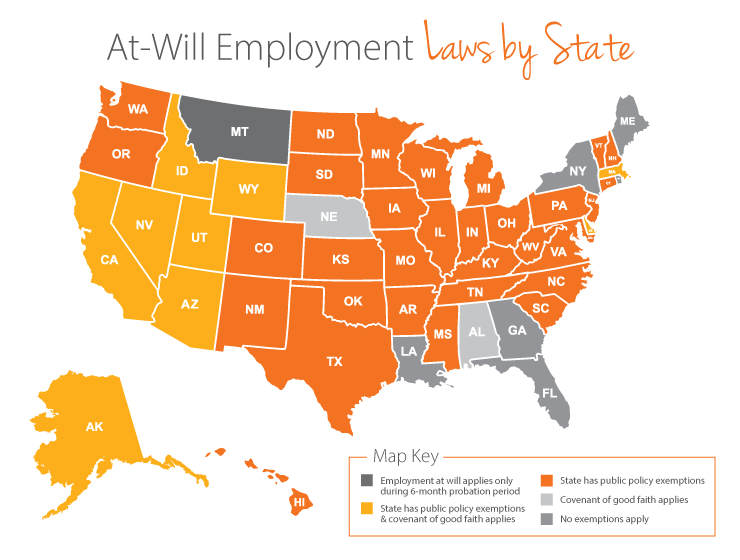
At its heart, the at-will doctrine grants significant flexibility to both parties in the employment agreement. For the individual professional, this means that while you are free to leave a job at any time without needing to provide a specific reason (beyond professional courtesy and any notice requirements), your employer generally holds the same right to terminate your employment. This concept stands in contrast to employment systems in some other countries or specific unionized environments where “just cause” may be required for termination. In Colorado, the default assumption for most employment relationships is at-will. This doesn’t mean arbitrary or unfair treatment is condoned, but rather that the legal framework begins with this presumption unless an explicit exception applies. Understanding this default is paramount for anyone planning a career move or establishing professional roots in the state, as it frames the expectations around job stability and employer-employee relations from the outset.
Implications for Employee Lifestyle and Career Planning
The at-will doctrine carries significant implications for an employee’s professional lifestyle and career planning. On one hand, it fosters a dynamic and competitive job market where both employers and employees have the freedom to pursue better opportunities without being strictly bound by long-term contracts (unless explicitly agreed upon). This can be seen as a positive for professionals seeking career mobility or wishing to pivot quickly to new roles or industries within Colorado. On the other hand, it places a premium on performance, adaptability, and proactive career management. Job security, in an at-will environment, often stems more from being a valuable asset to an organization and maintaining a strong professional network than from contractual protections.
For those contemplating a move to Colorado or considering a job change within the state, factoring the at-will status into your lifestyle choices is crucial. It means carefully reviewing any offer letters, employment agreements, and company policies, as these documents are where exceptions to the at-will default might be found. Professionals learn to cultivate resilience, continually develop their skills, and understand the importance of clear communication in the workplace. Furthermore, it influences how businesses approach their workforce strategy, often prioritizing engagement, competitive compensation, and a positive work environment to retain talent, recognizing that employees are also free to leave at any time.
Exceptions to At-Will Employment: Safeguards for Your Professional Lifestyle
While Colorado generally operates under the employment at-will doctrine, it’s a critical oversight for any professional or business owner to assume this principle is absolute. There are several significant exceptions that provide essential safeguards and define the boundaries within which the at-will rule operates. These exceptions are vital for protecting employee rights and ensuring a fair and equitable professional lifestyle, even in a flexible employment environment. Understanding these nuances is key to navigating the Colorado workplace effectively, whether you are an employer seeking to comply with legal obligations or an employee protecting your interests.
Contractual Agreements and Their Impact
Perhaps the most straightforward exception to at-will employment comes in the form of an express written contract. If an employer and employee enter into an agreement that specifies a definite term of employment, outlines conditions for termination, or requires “just cause” for dismissal, then the terms of that contract will supersede the at-will presumption. This is common in executive roles, highly specialized positions, or within industries where long-term commitments are standard. For a professional, securing such a contract can offer a heightened sense of job security and stability, directly impacting their financial planning and overall lifestyle in Colorado. It’s imperative to have any such contract reviewed by legal counsel to fully understand its implications and protections. Conversely, businesses offering such contracts must meticulously draft them to avoid unintended obligations while ensuring they attract and retain top talent.
Public Policy and Anti-Discrimination Laws

Even in an at-will state, an employer cannot terminate an employee for reasons that violate established public policy. This is a crucial protective layer for all professionals. Colorado law, like federal law, prohibits discrimination based on protected characteristics such as race, color, religion, national origin, sex (including pregnancy, sexual orientation, and gender identity), age (for individuals 40 or older), disability, and genetic information. Termination based on any of these factors is illegal and constitutes a wrongful discharge, regardless of the at-will doctrine. Similarly, firing an employee for exercising a legal right (e.g., filing a workers’ compensation claim), refusing to perform an illegal act, or whistleblowing on illegal activities within the company are all protected activities under the public policy exception. These protections are fundamental to a just professional lifestyle, ensuring that employees can advocate for themselves and maintain ethical conduct without fear of unlawful retaliation.
Implied Contracts and Promissory Estoppel
While less explicit than a written contract, an “implied contract” can also serve as an exception to at-will employment. An implied contract might arise from employer conduct, oral assurances, or statements made in employee handbooks or policy manuals that create a reasonable expectation of continued employment or specific termination procedures. For instance, if an employee handbook outlines a multi-step disciplinary process that must be followed before termination, an employee might argue that this creates an implied contract requiring adherence to those steps. Promissory estoppel is another related legal principle where an employee might successfully challenge an at-will termination. This occurs when an employer makes a clear and unambiguous promise, the employee relies on that promise to their detriment (e.g., turning down another job offer), and injustice can only be avoided by enforcing the promise. Both concepts highlight the importance of clear and consistent communication in the workplace, for both employers and employees, and underscore how actions and words can unintentionally modify the default at-will relationship, affecting a professional’s expected lifestyle.
Navigating the Colorado Workplace: Tips for a Secure Professional Lifestyle
For anyone working or operating a business in Colorado, successfully navigating the employment at-will environment requires proactive strategies. Understanding the legal framework is just the beginning; applying practical insights can significantly contribute to a more secure and predictable professional lifestyle. Whether you are an employee aiming to protect your career or an employer seeking to foster a compliant and positive work culture, these tips provide a robust framework for interaction and decision-making within Colorado’s dynamic job market.
Due Diligence Before Relocation or Employment
Before making a significant professional move to Colorado or accepting a new role, thorough due diligence is paramount. For employees, this means carefully reviewing all offer letters, employment agreements, and company policy documents. Look for any language that might specify a term of employment, outline termination procedures, or mention “just cause” requirements. Understanding the presence or absence of such clauses will clarify the nature of your employment relationship. It’s also wise to research the company’s culture and employee reviews, as a positive work environment often correlates with clearer communication and fair practices, even within an at-will framework. For employers, this translates to ensuring all hiring documents, including offer letters and employee handbooks, clearly articulate the at-will nature of employment, while also outlining all relevant company policies and anti-discrimination statements to set clear expectations and comply with state and federal laws.
Documentation and Communication Best Practices
Clear, consistent, and documented communication is a cornerstone of a secure professional lifestyle in an at-will state. For employees, maintaining records of performance reviews, significant achievements, and any concerns or complaints raised can be invaluable. If a situation arises where you believe your rights have been violated, having documented evidence can support your claim. Similarly, employers should prioritize robust documentation of employee performance, disciplinary actions, and policy violations. This not only supports fair and consistent treatment but also provides a defensible record if an employment decision is challenged. Regular and transparent performance feedback, clearly communicated expectations, and prompt attention to workplace issues can prevent misunderstandings and mitigate risks for both parties, fostering an environment of trust and predictability that enhances the professional lifestyle for everyone involved.
Seeking Professional Guidance
When in doubt, seeking professional guidance is always the most prudent course of action. Employees who believe they have been wrongfully terminated or discriminated against should consult with an employment law attorney in Colorado. An attorney can assess the specifics of your situation, identify potential exceptions to the at-will doctrine, and advise on the best course for protecting your rights. Similarly, employers should regularly consult with legal counsel to ensure their employment practices, policies, and contracts are compliant with evolving Colorado and federal laws. This proactive legal review is essential for minimizing legal risks, fostering a fair workplace, and ensuring that business operations align with the state’s employment regulations. Investing in legal expertise is a critical aspect of responsible professional and business management, contributing significantly to a stable and protected professional lifestyle.

The Broader Lifestyle Impact for Colorado Residents and Businesses
The status of Colorado as an employment at-will state extends its influence far beyond mere legal definitions; it profoundly shapes the economic landscape, career trajectory, and overall professional lifestyle for both individuals and businesses. This fundamental principle underpins much of the workplace culture, fostering a dynamic environment that encourages flexibility, adaptability, and continuous professional development. For individuals choosing to live and work in Colorado, understanding this framework means approaching their careers with a mindset of proactive management and continuous value creation. Job security often becomes tied to one’s skills, performance, and ability to contribute effectively to an organization, rather than relying solely on contractual obligations. This can empower professionals to take ownership of their career paths, fostering resilience and an entrepreneurial spirit in their working lives.
For businesses operating within Colorado, the at-will doctrine offers both strategic advantages and significant responsibilities. It provides employers with the flexibility to adapt their workforce to changing economic conditions, market demands, and organizational needs, which can be crucial for innovation and competitiveness. However, this flexibility comes with the imperative to create compelling work environments that attract and retain top talent, recognizing that employees are equally free to seek opportunities elsewhere. This often translates into a focus on strong corporate culture, competitive benefits, professional development programs, and transparent communication, all of which contribute to a higher quality professional lifestyle for employees. Ultimately, while employment at-will grants a broad scope for terminating employment, the legal exceptions and practical considerations ensure that ethical and lawful practices remain at the forefront, balancing employer flexibility with essential employee protections. For anyone engaging with the Colorado job market, integrating this understanding into their professional and personal planning is key to thriving in the state’s vibrant and evolving economy.
LifeOutOfTheBox is a participant in the Amazon Services LLC Associates Program, an affiliate advertising program designed to provide a means for sites to earn advertising fees by advertising and linking to Amazon.com. Amazon, the Amazon logo, AmazonSupply, and the AmazonSupply logo are trademarks of Amazon.com, Inc. or its affiliates. As an Amazon Associate we earn affiliate commissions from qualifying purchases.