
The question of whether Colorado belongs to the Midwest is more than just a geographical debate; it touches upon regional identity, cultural nuances, and even perceptions of travel and lifestyle. While many associate the Midwest with rolling farmlands, vast plains, and a distinct cultural heritage, Colorado presents a unique landscape of towering mountains, arid deserts, and a burgeoning urban scene that often feels a world away from the stereotypical image of America’s heartland. This exploration delves into the geographical, cultural, and experiential factors that shape our understanding of regional classifications and how they apply to the Centennial State.

Defining the Midwest: Beyond a Simple Map
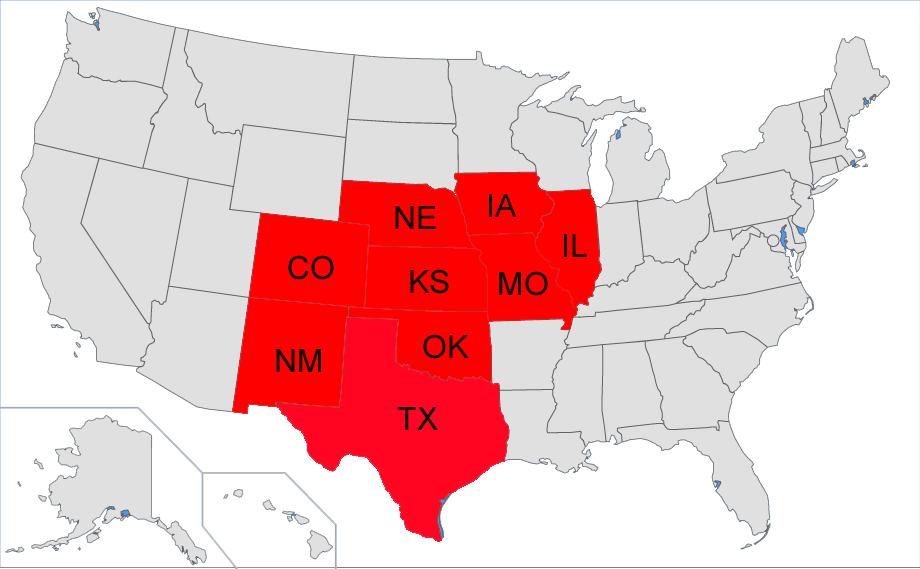
The Midwest is a broad and often loosely defined region of the United States. Geographically, it is typically comprised of twelve states, including Illinois, Indiana, Iowa, Kansas, Michigan, Minnesota, Missouri, Nebraska, North Dakota, Ohio, South Dakota, and Wisconsin. These states share certain characteristics, such as their central location within the country, their historical development tied to agriculture and industry, and a general perception of a shared cultural identity often characterized by friendliness, hard work, and a pragmatic outlook.
However, the boundaries of the Midwest are not always clear-cut, and neighboring states often find themselves in a grey area. Colorado, situated to the west of the traditional Midwest states, presents a significant geographical divergence. Its defining features are its dramatic mountainous terrain, including the iconic Rocky Mountains, which dominate the western two-thirds of the state. This elevation and topography are a stark contrast to the flatter, agricultural landscapes that are hallmarks of the Midwest.
Geographical Discrepancies
The most immediate reason Colorado is not considered part of the Midwest is its geography. While the Midwest is characterized by plains, prairies, and deciduous forests, Colorado is defined by its high-altitude environments. From the Denver metropolitan area, which sits on the High Plains, one can see the majestic peaks of the Front Range. Traveling further west, the elevation increases dramatically, leading to alpine tundra, dense conifer forests, and dramatic mountain valleys. This mountainous terrain is more akin to regions like the Rocky Mountains further north and west, or even the Southwest in its more arid southern reaches.
The climatic differences are also significant. While the Midwest experiences four distinct seasons with hot, humid summers and cold, snowy winters, Colorado‘s climate is heavily influenced by its altitude. Even in summer, evenings in the mountains can be cool, and winter conditions can be severe, with heavy snowfall and frigid temperatures, particularly at higher elevations. The amount of sunlight, the prevalence of arid conditions in some areas, and the unique weather patterns associated with mountainous regions all set Colorado apart from its eastern counterparts.
Cultural and Perceptual Divides
Beyond geography, the cultural and perceptual divides are equally important. While the Midwest is often associated with a more conservative, traditional, and agricultural-based culture, Colorado has developed a reputation for a more outdoorsy, adventurous, and increasingly progressive lifestyle. The state’s economy has diversified significantly, moving beyond its historical mining and agricultural roots to embrace technology, aerospace, and tourism.
The influx of people from other parts of the United States and the world has also contributed to a more cosmopolitan and diverse culture, particularly in cities like Denver, Boulder, and Fort Collins. These urban centers offer a vibrant arts scene, a thriving culinary landscape, and a strong emphasis on outdoor recreation and healthy living. This is a stark contrast to the more homogenous cultural perceptions often attributed to the Midwest.
The perception of Colorado as a destination for outdoor enthusiasts – from skiing in Aspen and Vail to hiking in Rocky Mountain National Park and exploring the canyons of Black Canyon of the Gunnison National Park – further solidifies its distinction. This emphasis on adventure, natural beauty, and a certain free-spirited attitude is not typically the primary association with the Midwest.

Exploring Colorado: A Landscape of Diverse Experiences
The article’s focus on travel, tourism, and lifestyle naturally leads us to explore what makes Colorado a distinct destination. While it may not fit the mold of the Midwest, it offers an unparalleled range of experiences for every type of traveler.
Travel and Tourism in the Centennial State
Colorado is a premier destination for travelers seeking adventure and natural beauty. The state boasts an array of iconic landmarks and attractions. Rocky Mountain National Park is a crown jewel, offering breathtaking vistas, abundant wildlife, and miles of hiking trails for all skill levels. Visitors can drive the scenic Trail Ridge Road, often called the “highway to the sky,” which traverses the alpine tundra and provides unparalleled panoramic views.
For those interested in history and architecture, Denver offers a blend of historic buildings and modern developments. The Colorado State Capitol Building with its “mile-high” step, and the historic Brown Palace Hotel and Spa, are testaments to the state’s past. Beyond the capital, charming mountain towns like Aspen, known for its luxury resorts and ski slopes, and Telluride, nestled in a box canyon, offer unique cultural and recreational experiences. Mesa Verde National Park, a UNESCO World Heritage Site, showcases the remarkable cliff dwellings of the Ancestral Puebloans, providing a profound connection to ancient history.
The state’s tourism industry thrives on its diverse landscapes, from the snow-capped peaks of the San Juan Mountains to the red rock formations of Garden of the Gods Park near Colorado Springs. The recreational opportunities are endless, including world-class skiing, snowboarding, hiking, mountain biking, whitewater rafting on rivers like the Arkansas River, and exploring the unique geological formations in places like the Great Sand Dunes National Park and Preserve.
Accommodation and Lifestyle Choices
The diversity of Colorado is reflected in its accommodation options and lifestyle choices. Whether one is seeking a luxurious resort experience, a cozy mountain cabin, or a budget-friendly apartment, Colorado has it all.
In the realm of hotels and resorts, Colorado offers a wide spectrum. From opulent hotels in Aspen and Vail that cater to the discerning luxury traveler, providing amenities like private ski lifts and world-class spas, to comfortable hotels and motels in smaller towns that serve as gateways to outdoor adventures. For those looking for longer stays or a more independent experience, apartment rentals and villas are readily available, particularly in cities like Denver and Boulder. The focus here is often on access to the outdoors and a healthy, active lifestyle.
The lifestyle in Colorado is often characterized by an appreciation for nature and outdoor activities. Whether it’s a family trip exploring national parks, a romantic getaway to a mountain lodge, or a solo adventure seeking challenging hikes, Colorado appeals to those who value experiences over material possessions. The burgeoning craft beer scene, the farm-to-table culinary movement, and a general emphasis on wellness and sustainability further define the Colorado lifestyle, setting it apart from the more traditional perceptions of the Midwest.
Colorado’s Place in the American Mosaic
Ultimately, while Colorado may share some similarities with Midwestern states in terms of its historical ties to westward expansion and its role in the development of the United States, its distinct geography, culture, and lifestyle firmly place it in its own category. It is a state that bridges the gap between the plains and the mountains, the arid Southwest and the more temperate regions, and the traditional American identity with a progressive, outdoor-focused ethos.
The appeal of Colorado lies precisely in its unique character. It is a destination that offers adventure, natural beauty, and a dynamic lifestyle that attracts people from all walks of life. While the definition of the Midwest may continue to evolve, Colorado stands as a testament to the vast and varied tapestry of American regions, a vibrant state that carved its own identity in the heart of the Rocky Mountains. Its classification is less about fitting into a predefined box and more about celebrating the distinct experiences it offers to travelers, residents, and anyone looking to explore the diverse landscapes and cultures of the United States.