
The question of whether Texas is a blue or red state is a complex one, often debated with passion and conviction. While its political leanings are frequently characterized by broad strokes, a closer examination reveals a more nuanced reality. Texas, a vast and diverse state, defies easy categorization, exhibiting a blend of conservative strongholds and burgeoning progressive pockets. To truly understand its political landscape, we must delve beyond the headlines and explore the diverse tapestry of its geography, demographics, and the experiences of those who call it home.
This exploration will take us through the vibrant cities and sprawling rural areas, the cultural melting pots and the traditional enclaves that define Texas. We’ll consider how factors like urbanization, shifting demographics, and the evolving aspirations of its residents contribute to its political identity. Ultimately, understanding Texas as blue or red requires appreciating the dynamic interplay of forces shaping its present and future, much like understanding its appeal as a travel destination or a place for unique accommodations.
The Shifting Sands of Political Affiliation
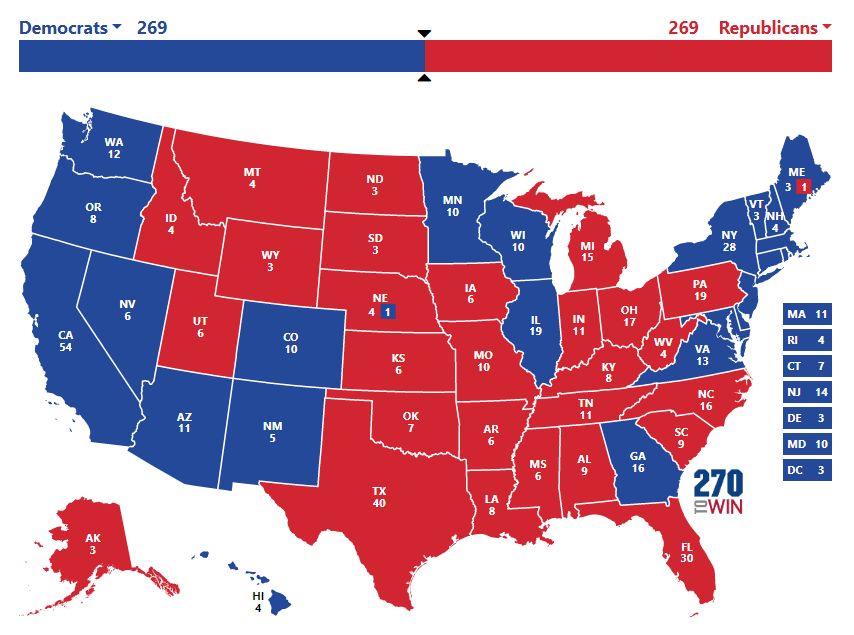
For decades, Texas has been an undeniable pillar of the Republican Party, earning its moniker as a “red state.” This perception is deeply rooted in its historical commitment to conservative principles, a strong sense of individual liberty, and a business-friendly environment that has attracted a steady stream of economic growth. The state’s vast ranches, oil fields, and a deeply ingrained independent spirit have often been associated with a more traditional, conservative outlook.
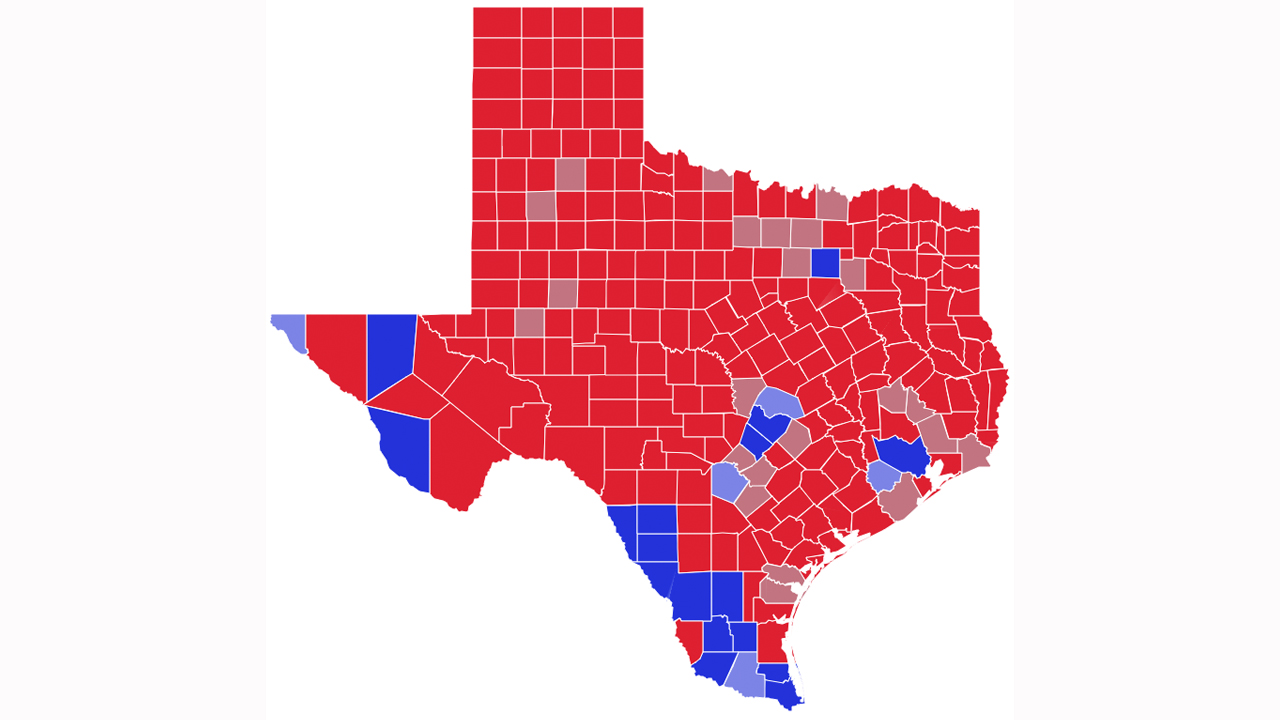
However, this seemingly monolithic red identity has begun to show cracks. The rapid growth of its major metropolitan areas—Houston, Dallas, Austin, and San Antonio—has introduced a significant counter-narrative. These urban centers are becoming increasingly diverse, attracting a younger, more progressive population drawn by burgeoning tech industries, a vibrant arts scene, and a more liberal social ethos. Austin, in particular, has long been a bastion of progressive thought within the state, often referred to as the “blue island” in a sea of red.
Urban Centers: Hubs of Progressive Influence
The influence of these urban centers on Texas politics cannot be overstated. As populations grow and diversify, so too do voting patterns. Houston, a sprawling metropolis known for its incredible diversity and robust economy, has seen increasing Democratic support in recent elections. The city’s complex tapestry of cultures and its reliance on various industries, from energy to healthcare, foster a more open-minded and inclusive political environment. Visitors to Houston often remark on its cosmopolitan feel, a stark contrast to the image many hold of Texas.
Similarly, Dallas, another economic powerhouse, is experiencing a gradual shift. While traditionally more conservative than Austin, Dallas is home to a growing professional class and a substantial minority population that increasingly leans Democratic. The city’s sophisticated cultural offerings, from world-class museums to a thriving culinary scene, attract a broad spectrum of residents with varying viewpoints.
The impact of these urban dynamics extends beyond local elections. As these cities contribute a significant portion of the state’s economic output and population, their political leanings inevitably influence the broader state narrative. The challenges of providing infrastructure, public services, and affordable housing in these rapidly expanding urban areas also shape the political discourse, often bringing issues traditionally championed by Democrats to the forefront. The infrastructure improvements and diverse lifestyle choices available in these cities make them attractive destinations for a wide range of travelers, from those seeking luxury hotels to budget-conscious explorers.
Rural Strongholds: The Enduring Conservative Base
Despite the growing blue influence in its cities, the vast rural expanse of Texas remains a staunchly conservative territory. The traditional values, agricultural roots, and a deeply ingrained skepticism of government intervention continue to define the political landscape in these areas. From the Panhandle to the piney woods of East Texas, conservative ideals often hold sway, shaping local governance and community life.
The lifestyle in these rural regions often emphasizes self-reliance, faith, and a strong sense of community. This can translate into a preference for policies that promote lower taxes, less regulation, and a more limited role for federal government. For travelers seeking an authentic taste of old Texas, these rural areas offer a glimpse into a way of life that has shaped the state’s identity for generations. Visiting a local rodeo or enjoying a meal at a small-town diner can provide profound insights into the values that resonate here.
The demographic composition of rural Texas also plays a significant role. Many of these areas have a longer-established population that often holds more traditional views. While younger generations may move to urban centers for educational and economic opportunities, those who remain often contribute to the enduring conservative voting bloc.
Demographics and Shifting Tides
Texas is one of the fastest-growing states in the nation, and this demographic boom is a key factor in understanding its evolving political identity. The state’s increasing diversity, fueled by both domestic migration and international immigration, is reshaping its electorate.
The Growing Influence of Minority Voters
The Hispanic population in Texas has grown significantly, and this demographic group is increasingly playing a pivotal role in state politics. While historically a significant portion of Hispanic voters have leaned Democratic, their political allegiances are not monolithic and can vary based on factors such as socioeconomic status, geographic location, and specific policy issues. As the Hispanic population continues to expand across the state, their collective voting power becomes a critical element in determining election outcomes, particularly in swing districts and urban areas.
The African American community in Texas, primarily concentrated in its major cities, has consistently shown strong support for the Democratic Party. Their engagement in the political process is vital for any Democratic candidate seeking to win statewide office. The cultural richness and historical significance of African American communities in cities like Houston and Dallas are integral to the state’s identity, offering unique experiences for those interested in local culture and history.
The Asian American population in Texas is also growing and diversifying, with varying political preferences. As this demographic group becomes more integrated into the state’s social and economic fabric, their influence on the political landscape is also likely to increase.
Youth and Newcomers: A Generational Divide
Beyond ethnic and racial diversity, Texas is also experiencing a generational shift. Younger voters, in general, tend to be more progressive than older generations. As these younger Texans come of age and begin to participate in the electoral process, they are likely to bring with them a different set of priorities and perspectives.
Furthermore, Texas attracts a significant number of people from other states, many of whom bring their own political leanings with them. The influx of individuals seeking economic opportunities or a particular lifestyle can contribute to the changing political dynamics of communities, especially in the suburbs and exurbs surrounding the major cities. The diverse lifestyle choices available, from luxury resorts to budget-friendly apartments, cater to this influx of new residents and visitors alike.
Beyond the Binary: A Spectrum of Political Expression
The conversation around Texas being blue or red often oversimplifies a complex reality. The state is not a monolithic entity; it is a dynamic and evolving landscape where diverse political viewpoints coexist and compete.
Swing Districts and Competitive Elections
While some areas of Texas are reliably red or blue, there are numerous “swing districts” where elections are closely contested. These districts, often found in the suburbs or more diverse rural areas, can shift their allegiance from one election to the next, making them crucial battlegrounds for both major political parties. The outcome of elections in these areas can often determine the broader political direction of the state.
The presence of these competitive districts suggests that a significant portion of the Texas electorate is open to persuasion and is not rigidly adhering to a single party line. This is a trend that is often observed in other large and diverse states, reflecting the complexities of modern political engagement.

The Role of Local Issues and Independent Voters
It’s also important to recognize that many Texans prioritize local issues and may not align themselves strictly with either the Democratic or Republican Party. Issues such as education, public safety, economic development, and infrastructure can often drive voter decisions at the local level, sometimes more so than national party platforms.
The number of independent voters in Texas is also a significant factor. These voters are not affiliated with a particular party and may choose to vote for candidates from either side, or abstain from voting altogether. Their preferences can be influenced by a multitude of factors, making them a somewhat unpredictable but crucial segment of the electorate.
In conclusion, the question of whether Texas is a blue or red state is best answered by recognizing its multifaceted nature. It is a state where deep-rooted conservative traditions continue to hold sway, particularly in its rural areas, while its rapidly growing urban centers and diverse demographics are increasingly embracing more progressive ideals. This ongoing evolution makes Texas a fascinating case study in political change, a place where the traditional red hue is being continuously blended with vibrant strokes of blue, creating a unique and compelling political spectrum. For those who visit or reside here, this dynamic interplay of cultures and ideas contributes to the rich and varied experiences that Texas has to offer, from its iconic landmarks to its diverse accommodation options and unique lifestyle choices.
LifeOutOfTheBox is a participant in the Amazon Services LLC Associates Program, an affiliate advertising program designed to provide a means for sites to earn advertising fees by advertising and linking to Amazon.com. Amazon, the Amazon logo, AmazonSupply, and the AmazonSupply logo are trademarks of Amazon.com, Inc. or its affiliates. As an Amazon Associate we earn affiliate commissions from qualifying purchases.