
When planning a trip to the Gem State, a question that might cross the minds of some travelers, especially those accustomed to tornado alley in the central United States, is: “Does Idaho get tornadoes?” While Idaho might not be the first state that comes to mind when discussing severe weather, understanding its climate and meteorological patterns is crucial for a safe and enjoyable travel experience, whether you’re exploring its vast wilderness, enjoying its vibrant cities, or settling into a cozy accommodation. This article delves into the reality of tornadoes in Idaho, examining their frequency, the conditions that foster them, and what travelers should know.

Understanding Tornadoes and Their Occurrence
The Science Behind Tornado Formation
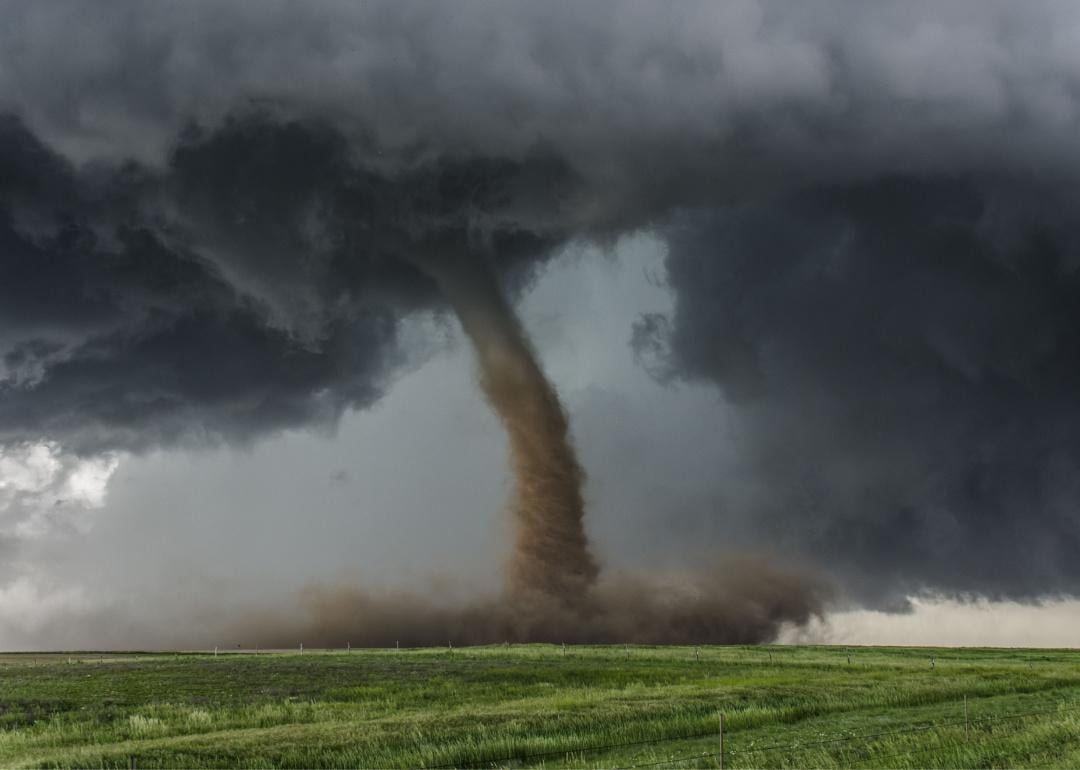
Tornadoes are violently rotating columns of air that are in contact with both the surface of the Earth and a cumulonimbus cloud or, in rare cases, the base of a cumulus cloud. They form under specific atmospheric conditions, primarily when warm, moist air meets cool, dry air. This collision creates instability in the atmosphere, leading to the development of severe thunderstorms known as supercells. Within these supercells, rotating updrafts called mesocyclones can form, and if these mesocyclones descend to the ground, they become a tornado.
The key ingredients for tornado formation typically include:
- Atmospheric Instability: A significant difference in temperature and moisture between different layers of the atmosphere.
- Wind Shear: Changes in wind speed and direction with height, which can cause the air to rotate.
- A Lifting Mechanism: Something that forces the air to rise, such as a cold front or a mountain range.
- Moisture: Sufficient water vapor in the atmosphere to fuel storm development.
Tornadoes in the United States: A Regional Overview
The United States experiences more tornadoes than any other country in the world, with the highest frequency occurring in a region known as “Tornado Alley,” which stretches across the central plains states. States like Texas, Oklahoma, Kansas, and Nebraska are particularly prone to violent tornadoes due to their geography and the interaction of air masses from the Gulf of Mexico, the Rocky Mountains, and the drier Great Basin.
However, it’s important to note that tornadoes are not confined to these traditional tornado-prone areas. They can and do occur in almost every state, albeit with varying degrees of frequency and intensity. Understanding the broader meteorological landscape is key to comprehending why Idaho, situated in the western United States, experiences tornadoes at all.
Tornado Activity in Idaho: Reality vs. Perception
Are Tornadoes Common in Idaho?
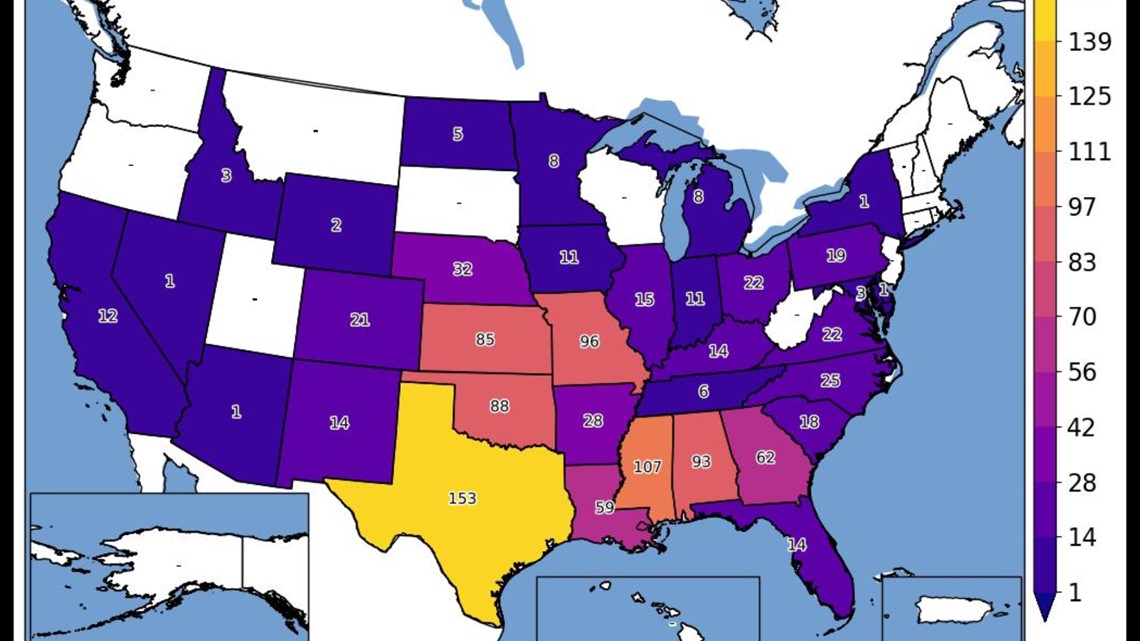
The short answer to “Does Idaho get tornadoes?” is yes, but they are relatively rare and generally less intense than those seen in the central United States. Idaho does not lie within the traditional Tornado Alley, and the atmospheric conditions that produce the most devastating tornadoes are less common in the state.
The mountainous terrain and the influence of the Pacific Ocean play a significant role in Idaho‘s weather patterns. While severe thunderstorms can occur, especially during the spring and summer months, they often lack the specific ingredients needed for sustained, powerful tornado development. However, this doesn’t mean Idaho is completely immune.
Historical Tornadoes and Their Impact
Despite their relative rarity, Idaho has experienced tornadoes throughout its history. These events, while not daily occurrences, have sometimes caused damage and disrupted local communities. When tornadoes do form in Idaho, they are often weaker, characterized by shorter lifespans and less destructive power.
The majority of tornadoes in Idaho are classified as EF0 or EF1 on the Enhanced Fujita scale, meaning they cause minor to moderate damage. However, there have been instances of stronger tornadoes, and even weaker ones can pose a significant threat to life and property if they strike populated areas. Understanding past events can provide valuable context for assessing current risks. For instance, a notable tornado event in Idaho might be a historical landmark that locals remember, or a point of interest for weather enthusiasts researching the state’s meteorological past.
Factors Influencing Tornado Formation in Idaho
Geographic and Climatic Influences
Idaho‘s geography is a primary factor in its tornado climatology. The state is characterized by a diverse landscape, ranging from the high plains of the north to the mountainous regions in the center and south. The presence of the Rocky Mountains influences air currents and can create unique weather phenomena.
While Idaho experiences a continental climate with hot summers and cold winters, the prevailing weather systems are often influenced by the Pacific Northwest. Maritime air masses from the Pacific can interact with continental air masses, leading to thunderstorms. However, the sheer height of the Rocky Mountains can disrupt the formation of the deep, rotating updrafts (mesocyclones) that are precursors to strong tornadoes. Furthermore, the drier air that often prevails in the intermountain West, particularly from the Great Basin, can limit the moisture needed for the most severe storms.
Seasonal Patterns and Storm Types
Tornadoes in Idaho are most likely to occur during the spring and early summer months, typically from April through July. This is when the atmosphere is most dynamic, with warm, moist air beginning to move northward and clashing with cooler air masses.
The types of storms that produce tornadoes in Idaho are often less organized than the supercells common in Tornado Alley. They might be associated with frontal systems or localized convection. The intensity and duration of these storms are generally less than those seen in more tornado-prone regions. However, even a brief tornado can be dangerous, and awareness is key. Travelers visiting Idaho during these months should remain informed about weather forecasts.
Preparing for Severe Weather in Idaho
Staying Informed: Weather Monitoring and Alerts
Regardless of where you travel, staying informed about weather conditions is paramount for safety. When visiting Idaho, especially during the spring and summer, it’s wise to monitor local weather forecasts regularly. Utilize reliable weather apps and websites, and pay attention to any severe weather alerts issued by the National Weather Service.
In the event of a tornado watch, which means conditions are favorable for tornadoes to develop, be prepared to take action. If a tornado warning is issued, indicating that a tornado has been sighted or indicated by radar, immediate shelter is necessary. Familiarize yourself with the emergency procedures of your accommodation, whether you are staying in a hotel, resort, or apartment. Many hotels in Idaho, from budget-friendly options to luxury suites, will have designated safe areas.
Safety Measures and Shelter Options
If you are caught in a tornado warning, the most important action is to seek shelter immediately. The safest place to be is in a basement or an interior room on the lowest floor of a sturdy building, away from windows. If you are in a mobile home or a vehicle, these are not safe during a tornado and you should evacuate to the nearest substantial shelter.
For travelers, understanding your surroundings is crucial. If you are in a national park or a remote area, identify any potential shelters in advance. For those staying in cities like Boise, Coeur d’Alene, or Idaho Falls, local emergency management agencies provide guidance on shelter locations. Many tourist attractions and landmarks in Idaho are equipped with safety protocols.
What to Do After a Tornado
After a tornado has passed, it’s important to exercise caution. Avoid downed power lines, stay clear of damaged structures, and listen to authorities for further instructions. If you are traveling with family, ensure everyone is accounted for and safe. The experience of a tornado, even a minor one, can be disorienting, so having a plan for reunification and communication is beneficial.
For those who have experienced property damage, contacting your insurance provider and your accommodation provider (if applicable) is a necessary step. The resilience of Idaho communities is a testament to their ability to recover from challenging events.
Conclusion: Enjoying Idaho’s Wonders Safely
In conclusion, while Idaho is not a hotbed for tornadoes, the state does experience them, albeit infrequently and generally with less severity than in other parts of the country. The unique geography and climate of the Gem State contribute to its lower tornado risk. However, complacency is never advisable when it comes to severe weather.
Travelers visiting Idaho should be aware of the potential for tornadoes, particularly during the spring and summer months. By staying informed about weather forecasts, understanding safety procedures, and knowing where to find shelter, you can significantly mitigate any risks. Idaho offers a wealth of experiences, from its stunning natural landmarks and vibrant local culture to its diverse accommodation options and exciting travel opportunities. By prioritizing safety and being prepared, you can fully immerse yourself in the adventure and beauty that the Gem State has to offer, enjoying everything from its national parks and outdoor activities to its charming towns and delicious local food, all while knowing you’ve taken sensible precautions.
LifeOutOfTheBox is a participant in the Amazon Services LLC Associates Program, an affiliate advertising program designed to provide a means for sites to earn advertising fees by advertising and linking to Amazon.com. Amazon, the Amazon logo, AmazonSupply, and the AmazonSupply logo are trademarks of Amazon.com, Inc. or its affiliates. As an Amazon Associate we earn affiliate commissions from qualifying purchases.