
As a state that has long been associated with a spirit of independence and a deep appreciation for its natural beauty, the question of whether Colorado leans liberal is one that elicits diverse perspectives. This inquiry often arises in discussions about its evolving demographics, political landscape, and the unique cultural tapestry woven by its cities and its vast, untamed wilderness. To truly understand Colorado’s political leanings, we must delve beyond simplistic labels and examine the multifaceted factors that shape its identity, from the progressive policies adopted in its urban centers to the more conservative sentiments found in its rural communities.
The Shifting Political Landscape
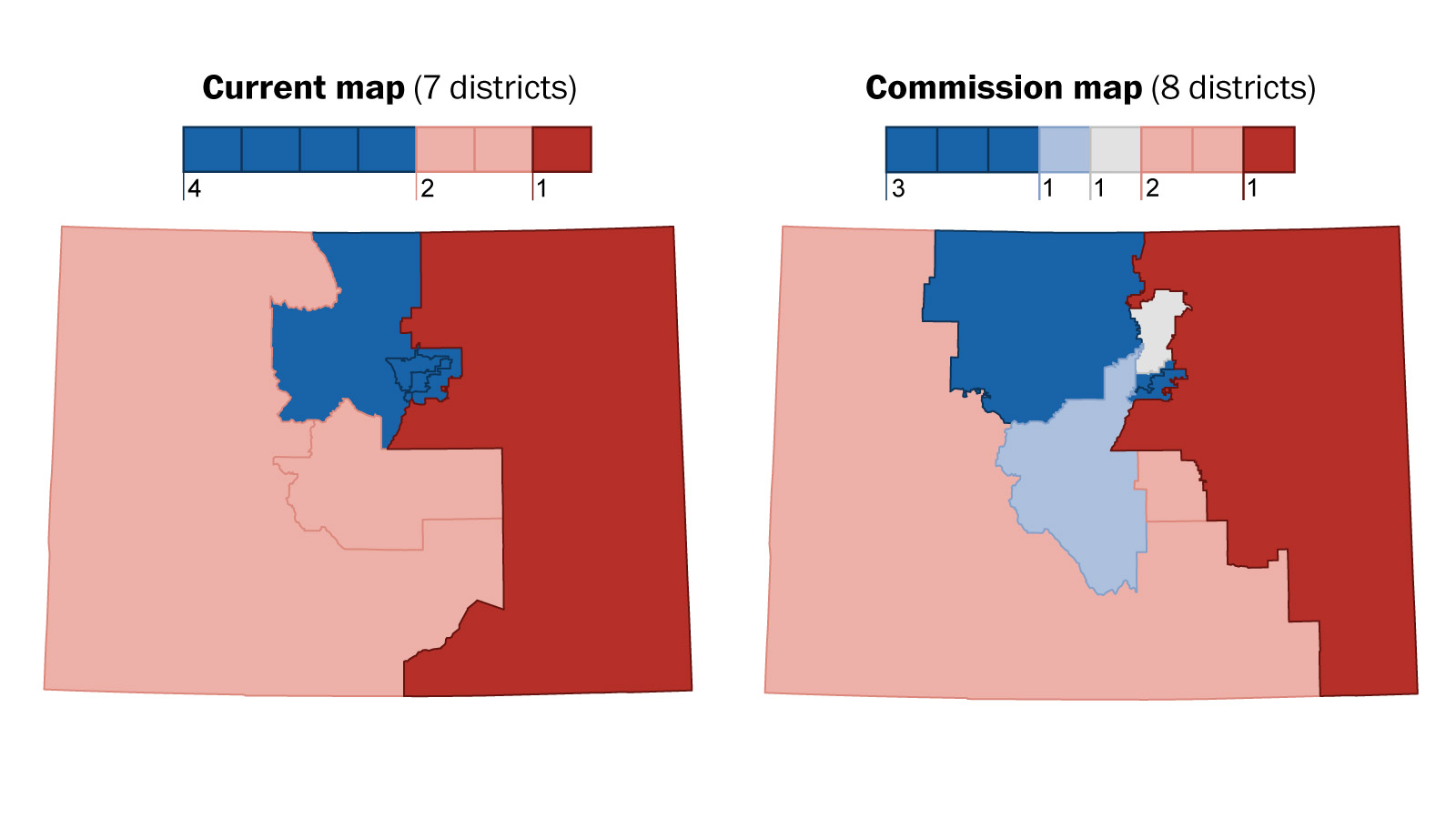
For decades, Colorado was considered a swing state, a battleground where both Democrats and Republicans vied for electoral success. However, in recent election cycles, a discernible shift has occurred, with the state increasingly favoring Democratic candidates. This trend is not a sudden aberration but rather a culmination of demographic changes, urban growth, and a growing embrace of progressive values, particularly among younger generations and those migrating to the state.
Urban Centers as Progressive Hubs
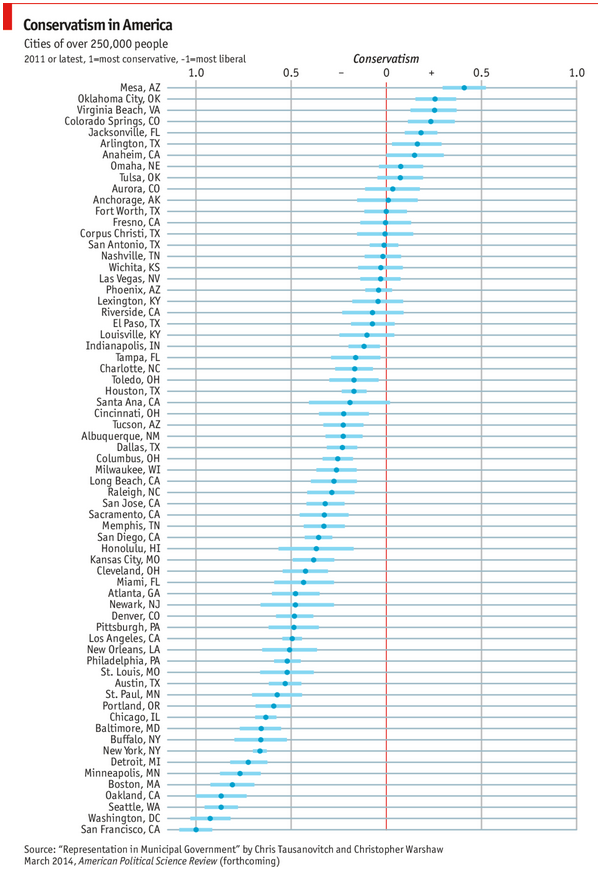
The state’s major metropolitan areas, such as Denver, Boulder, and Fort Collins, are undeniably bastions of liberal thought and policy. These cities are characterized by diverse populations, a strong emphasis on education and environmentalism, and a generally progressive outlook on social issues.
Denver: The Mile-High City’s Progressive Pulse
Denver, the state capital, has emerged as a significant center for progressive politics. Its growing economy, fueled by industries like technology and aerospace, has attracted a young and diverse workforce, many of whom bring with them liberal social and economic viewpoints. The city has consistently voted for Democratic candidates in recent elections, and its local government has implemented policies that reflect a commitment to issues such as renewable energy, public transportation, and social justice. The vibrant arts scene, numerous craft breweries, and increasing population density contribute to a dynamic and forward-thinking atmosphere that aligns with liberal ideals.
Boulder: A Haven for Environmentalism and Innovation
Boulder, nestled at the foot of the Rocky Mountains, is renowned for its strong environmental consciousness and its commitment to sustainable living. This university town, home to the University of Colorado Boulder, boasts a highly educated populace that often embraces liberal policies. Boulder has been a leader in advocating for renewable energy, conservation efforts, and progressive social initiatives, solidifying its reputation as one of the most liberal cities in the United States.
Fort Collins: Balancing Growth with Progressive Values
Fort Collins, home to Colorado State University, also exhibits strong liberal tendencies. While experiencing significant growth, the city has made efforts to maintain its progressive character by investing in green initiatives, supporting local businesses, and promoting a high quality of life for its residents. Its proximity to Rocky Mountain National Park further instills an appreciation for nature and conservation, values often associated with liberal ideology.
Rural Colorado: A Different Political Climate
In stark contrast to its urban centers, the vast rural areas of Colorado often lean more conservative. These communities, traditionally rooted in agriculture, ranching, and resource extraction, tend to hold more traditional values and express skepticism towards policies perceived as encroaching on individual liberties or impacting their livelihoods.
The Western Slope: A Conservative Stronghold
The Western Slope, encompassing areas like Grand Junction and Mesa County, has historically been a conservative stronghold. The economy here is heavily influenced by industries such as oil and gas, coal mining, and agriculture, which often align with a more business-friendly and less regulated political approach. While pockets of progressive sentiment exist, the prevailing political climate is more aligned with Republican principles.
Eastern Plains: Agricultural Roots and Traditional Values
The eastern plains of Colorado, characterized by expansive farmlands and small towns, also tend to lean conservative. The agricultural heritage of this region has fostered a culture that values self-reliance, tradition, and a strong work ethic. Residents here often express concerns about federal regulations, water rights, and the economic impact of environmental policies, aligning them with more conservative political viewpoints.

Key Issues Shaping Colorado’s Identity
Beyond urban-rural divides, several key issues significantly influence Colorado’s political identity and, by extension, its liberal or conservative leanings. These issues often reflect the state’s unique environment, its growing economy, and the evolving values of its residents.
Environmentalism and Conservation
Colorado’s breathtaking natural beauty is central to its identity, and environmental issues play a significant role in its political discourse. There is a broad consensus across the state regarding the importance of protecting its natural resources, from the Rocky Mountains to its pristine rivers. However, the approach to environmental policy often reveals differing political ideologies.
Renewable Energy vs. Resource Extraction
The push towards renewable energy sources, such as solar and wind power, finds strong support in liberal urban areas. Cities like Denver and Boulder have been at the forefront of adopting green energy initiatives and setting ambitious climate goals. Conversely, in rural areas reliant on resource extraction, there is often more emphasis on supporting industries like oil and gas, and a greater degree of skepticism towards stringent environmental regulations that could impact economic activity. This divergence in priorities highlights a core tension within the state’s political landscape.
Social Policies and Individual Liberties
Social issues, including those related to LGBTQ+ rights, reproductive freedom, and cannabis legalization, have seen Colorado embrace progressive stances, particularly in its urban centers. The state was an early adopter of recreational marijuana sales, a move that reflects a more liberal approach to personal freedoms.
A Progressive Stance on Social Issues
Colorado’s cities have consistently championed policies that promote inclusivity and individual liberties. This has translated into strong support for LGBTQ+ rights, access to reproductive healthcare, and a general acceptance of diverse lifestyles. While conservative viewpoints exist, the dominant narrative in many parts of the state, particularly among younger demographics, leans towards greater social liberalism.
Economic Development and Regulation
The economic trajectory of Colorado is another critical factor in understanding its political leaning. The state has experienced robust economic growth, driven by a burgeoning tech sector, outdoor recreation, and tourism. This growth has attracted new residents with diverse economic philosophies.
The Tech Boom and Its Influence
The rise of the tech industry, particularly in the Denver metropolitan area, has brought a wave of highly educated professionals who often align with liberal economic principles, advocating for investment in infrastructure, education, and social programs. This influx of talent and capital contributes to the progressive character of the state’s urban economies.
Outdoor Recreation and Tourism: A Unique Economic Driver
Colorado’s renowned outdoor recreation and tourism industries shape its economy and influence its political discourse. While these industries are often seen as apolitical, they depend heavily on the preservation of natural landscapes, a value that resonates with both liberal and conservative voters. However, debates arise regarding land use, development, and the balance between economic opportunity and environmental stewardship. Ski resorts like Aspen Snowmass and Vail Resorts are economic powerhouses that attract a global clientele, often with a global perspective on social and environmental issues.
Conclusion: A State of Nuance
In conclusion, the question “Is Colorado Liberal?” does not yield a simple yes or no answer. It is a state of profound nuance, characterized by a dynamic interplay between progressive urban centers and more conservative rural landscapes. While the overall trend in recent years has shown a lean towards liberal policies and voting patterns, particularly in its major cities, the conservative undercurrents in its vast rural regions remain a significant part of its political identity.
Colorado’s liberalism is not monolithic but rather a spectrum, shaped by its unique geography, its diverse population, and the ongoing evolution of its economic and social priorities. Understanding this complexity is crucial for appreciating the full picture of this vibrant and ever-changing state. The allure of its majestic Rocky Mountains, the innovation of its cities like Denver and Boulder, and the independent spirit of its people all contribute to a political identity that is as varied and captivating as its landscapes.
LifeOutOfTheBox is a participant in the Amazon Services LLC Associates Program, an affiliate advertising program designed to provide a means for sites to earn advertising fees by advertising and linking to Amazon.com. Amazon, the Amazon logo, AmazonSupply, and the AmazonSupply logo are trademarks of Amazon.com, Inc. or its affiliates. As an Amazon Associate we earn affiliate commissions from qualifying purchases.