
Embarking on a journey to a new destination always involves careful planning, and understanding the local time zone is a fundamental, yet often overlooked, aspect that can significantly impact your travel experience. For those setting their sights on the majestic landscapes and vibrant cities of Colorado, a key question arises: Is Colorado on Mountain Standard Time? The definitive answer is yes, primarily. Colorado observes the Mountain Time Zone, which means it operates on Mountain Standard Time (MST) during the winter months and switches to Mountain Daylight Time (MDT) during the spring, summer, and fall. This seemingly simple detail holds considerable importance for travelers, influencing everything from flight schedules and hotel check-ins to planning your daily adventures amidst the state’s iconic peaks and valleys. Delving into the nuances of Colorado’s timekeeping will ensure your visit is as seamless and enjoyable as the stunning views you’ll encounter.
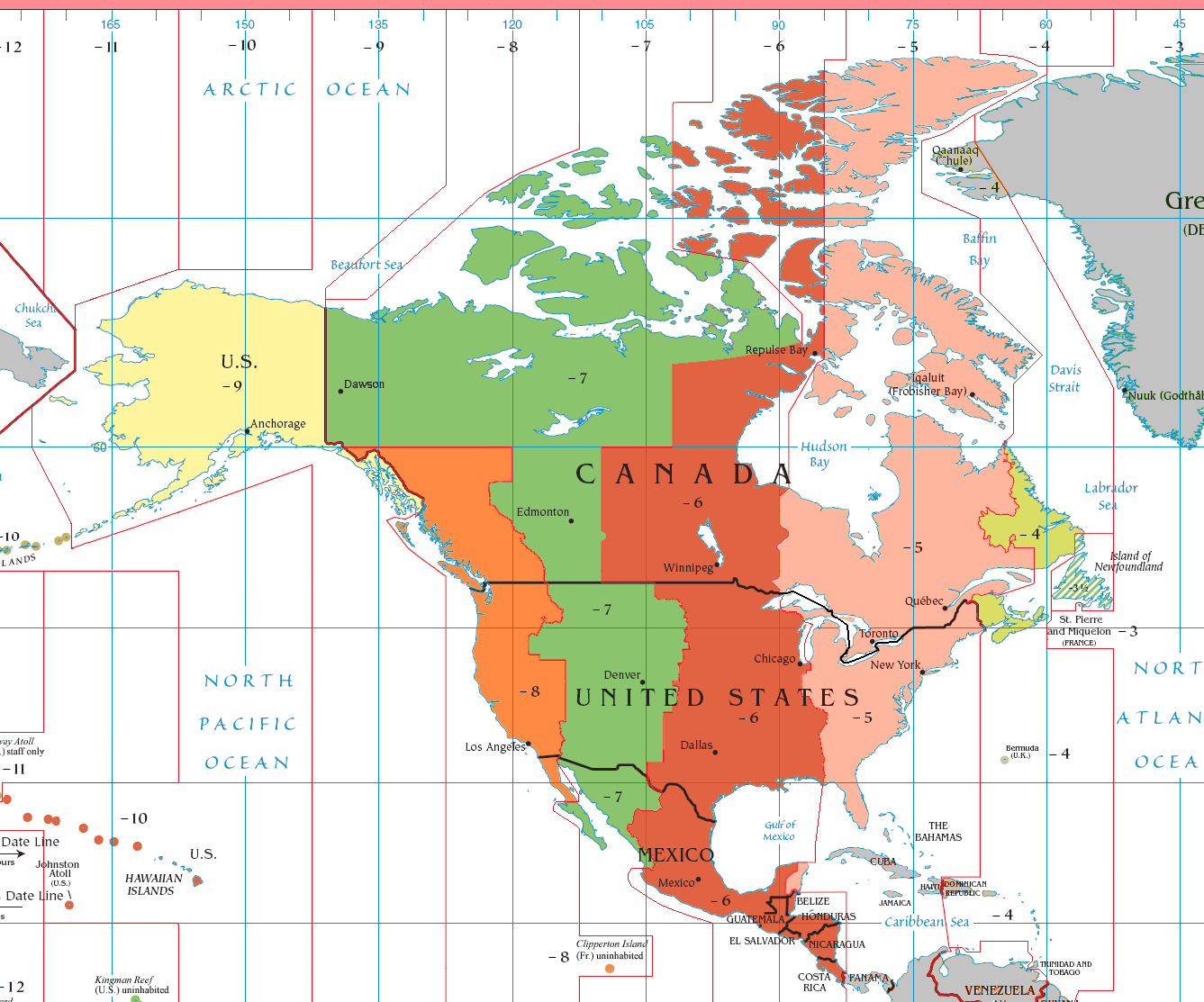
Understanding Mountain Standard Time (MST) and Mountain Daylight Time (MDT)
The concept of time zones is designed to standardize timekeeping across vast geographical regions, aligning local time with the sun’s position. For Colorado, this alignment falls under the umbrella of the Mountain Time Zone, which dictates its daily rhythm.
The Basics of MST
Mountain Standard Time (MST) is defined as UTC-7, meaning it is seven hours behind Coordinated Universal Time. This places Colorado distinctively on the North American time map. During the period when MST is observed, the sun rises and sets relatively early compared to regions further west. Beyond Colorado, other states and parts of states that typically observe MST include Arizona (which famously does not observe Daylight Saving Time, except for the Navajo Nation), New Mexico, Utah, Wyoming, Montana, and the southern parts of Idaho. Additionally, parts of Canada and Mexico also share this time zone. For travelers, understanding MST means anticipating early sunsets during late fall and winter, which can impact evening activity planning, particularly for outdoor excursions or scenic drives through mountain passes.
When MDT Takes Over
Like most of the United States, Colorado observes Daylight Saving Time (DST), a practice that shifts the clock forward by one hour to make better use of daylight. When DST is in effect, Colorado switches from MST to Mountain Daylight Time (MDT), which is UTC-6. This transition typically occurs on the second Sunday in March, when clocks “spring forward,” and reverts on the first Sunday in November, when clocks “fall back” to MST. The advent of MDT brings with it longer daylight hours in the evenings, a welcome change for many residents and visitors. During summer, this translates to later sunsets, allowing for extended outdoor activities, leisurely dinners on patios, and more daylight for exploring attractions like Rocky Mountain National Park or the vibrant streets of Denver. Knowing when to expect this shift is crucial for synchronizing your travel plans and maximizing your experience, especially if your trip spans these transition dates.
Navigating Time Differences for Your Colorado Travel
Traveling across time zones can be a disorienting experience, but with a little preparation, you can seamlessly adjust to Colorado’s time. The extent of the time difference you’ll encounter largely depends on your point of origin within the United States or abroad.
East Coast vs. West Coast Travelers
For domestic travelers, the time difference can range from a slight adjustment to a more significant leap.
- From the Eastern Time Zone (ET): If you’re flying from major cities like New York City or destinations in Florida, you’ll experience a two-hour time difference (e.g., 10 AM ET is 8 AM in Colorado during MST/MDT). This shift, while manageable, can affect early morning energy levels and initial coordination.
- From the Central Time Zone (CT): Travelers from places like Chicago or Texas will face a one-hour difference. This is often the easiest transition, as it requires minimal adjustment to your internal clock.
- From the Pacific Time Zone (PT): Heading east from California or Washington will also mean a one-hour difference. While it’s only an hour, remember you’re “losing” an hour when flying east, which can make your arrival feel later than it actually is.
International Visitors
For those venturing to Colorado from international locales, particularly Europe or Asia, the time adjustment will be considerably greater. A trip from London, for instance, involves a 7-hour difference during summer (6 hours during winter), while visitors from Tokyo would contend with a 15-hour gap. Such significant shifts invariably lead to jet lag, characterized by fatigue, disorientation, and disrupted sleep patterns. Understanding this beforehand allows you to plan strategies for minimizing its effects, such as choosing flight times that facilitate easier adjustment upon arrival.
Planning Flights and Itineraries

Precise planning is paramount when dealing with time zones. Always double-check flight times, hotel booking confirmations, and tour departure schedules, ensuring they are explicitly noted in local Colorado time. Airlines and booking platforms generally display times in the local time of the airport or destination, but a quick verification can prevent costly misunderstandings. Factor in the time change when calculating your arrival in Colorado relative to check-in times for your accommodation. If you’re arriving from a significantly different time zone, consider planning a more relaxed first day, allowing your body to acclimate before diving into strenuous activities. A buffer day can be invaluable for shaking off travel fatigue and embracing the local pace.
Time Zones and the Colorado Experience
The local time zone does more than just dictate when the sun rises and sets; it subtly shapes the rhythm of life and the availability of experiences in Colorado. Embracing this rhythm can enhance your appreciation for the state’s offerings.
Activities and Attractions
Colorado’s diverse attractions operate on MST/MDT, and understanding this is key to maximizing your visit.
- Ski Resorts: World-renowned resorts like Vail and Aspen open their lifts early, often by 8:30 AM or 9:00 AM, to capitalize on the best snow conditions. During the shorter days of MST, this means skiing under stunning morning light before an earlier sunset wraps up the day’s runs. In MDT, longer daylight allows for more runs and après-ski activities extending into the evening.
- National Parks: Visiting natural wonders such as Rocky Mountain National Park or Mesa Verde National Park benefits greatly from time zone awareness. Sunrise hikes offer spectacular views, and during MDT, you’ll have ample daylight to explore trails. Ranger programs and visitor center hours adhere strictly to local time, so planning accordingly is essential.
- City Attractions: In urban centers like Denver, museums, art galleries, and restaurants follow a standard operating day. Concerts at the iconic Red Rocks Amphitheatre typically kick off in the early evening, aligning with sunset during the summer months (MDT) to create a magical atmosphere. Being aware of the time ensures you don’t miss showtimes or restaurant reservations.
Adjusting to the Pace of Mountain Time
There’s often a perceived difference in pace between different regions, and Colorado, with its mountain lifestyle, is no exception. While major cities like Denver maintain a bustling energy, the overall rhythm of life, especially in mountain towns, can feel a bit more relaxed. Embracing early mornings for outdoor activities is a common practice, particularly during MDT when sunrises are still relatively early but sunsets are beautifully late. This allows adventurers to hit the trails, slopes, or rivers before the crowds and make the most of the day. Dining schedules tend to be standard, but an earlier sunset in MST means evening activities might start and end a bit earlier than you’d experience further east or west, influencing your late-night entertainment plans. Allowing yourself to sync with this natural rhythm will enrich your travel experience.
Practical Tips for Time Zone Management
A well-prepared traveler minimizes potential pitfalls associated with time zone changes, ensuring a smooth and enjoyable trip to Colorado.
Before You Travel
- Automatic Time Updates: Ensure all your electronic devices (smartphones, smartwatches, laptops) are set to automatically update their time zone. This is usually the default setting, but a quick check can save you from manual adjustments and confusion.
- Confirm All Bookings: Double-check every reservation—flights, hotels, rental cars, guided tours, restaurant reservations—to confirm the times are explicitly stated in local Colorado time. If in doubt, a quick call to the provider can offer clarity.
- Inform Contacts: Let family, friends, and colleagues know you’ll be in a different time zone. This prevents missed calls or unexpected early morning disturbances. Use a world clock app to easily visualize the time difference between your location and theirs.
During Your Trip
- Allow for Adjustment: Upon arrival, try to switch to [Colorado](https://lifeoutofthebox.com/colorado] time immediately. If you arrive in the morning, try to stay awake until local bedtime. If you arrive in the evening, try to sleep at a reasonable local hour.
- Stay Hydrated: Colorado’s higher altitude, combined with travel fatigue, can lead to dehydration. Drinking plenty of water helps combat both altitude sickness and jet lag symptoms, aiding your body’s adjustment.
- Utilize Smartphone Features: Your smartphone is an excellent tool. Use its built-in world clock feature to quickly see the time back home and in Colorado. Set alarms for key events in local time.
Minimizing Jet Lag
For those crossing multiple time zones, jet lag can be a significant hurdle.
- Gradual Adjustment: A few days before your departure, try to gradually shift your sleep schedule by an hour or two each day in the direction of Colorado’s time.
- Natural Light Exposure: Upon arrival, expose yourself to natural light during the day, especially in the morning. This helps reset your body’s internal clock. Avoid bright lights in the evenings if you’re trying to sleep earlier.
- Mind Your Diet: Avoid heavy meals, excessive caffeine, and alcohol on your travel day and during the first day of your trip. These can disrupt sleep patterns and exacerbate jet lag symptoms. Opt for lighter, easily digestible foods.
In conclusion, Colorado confidently resides within the Mountain Time Zone, observing Mountain Standard Time for roughly half the year and transitioning to Mountain Daylight Time for the other half. Far from being a mere technicality, this time zone status is an integral part of the travel experience, influencing everything from logistical planning to how you immerse yourself in the natural beauty and vibrant culture of the Centennial State. By understanding and accounting for Colorado’s time, you empower yourself to plan an efficient, enjoyable, and truly memorable adventure.
LifeOutOfTheBox is a participant in the Amazon Services LLC Associates Program, an affiliate advertising program designed to provide a means for sites to earn advertising fees by advertising and linking to Amazon.com. Amazon, the Amazon logo, AmazonSupply, and the AmazonSupply logo are trademarks of Amazon.com, Inc. or its affiliates. As an Amazon Associate we earn affiliate commissions from qualifying purchases.