
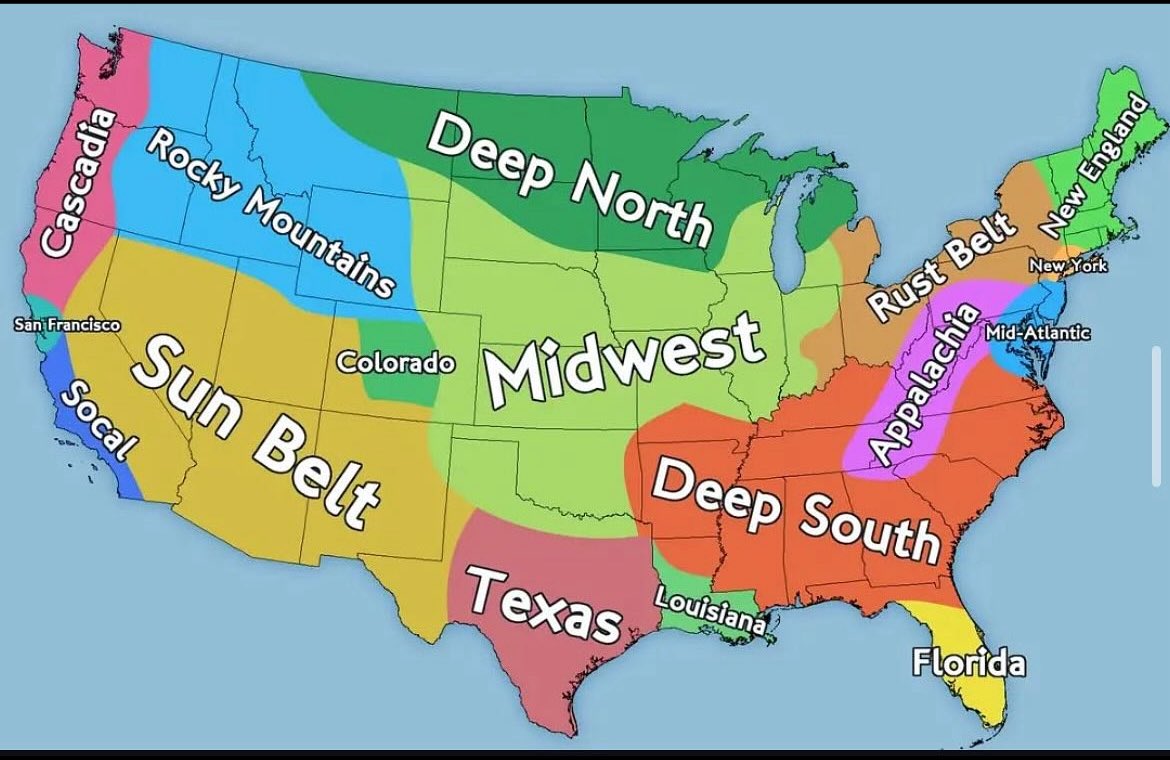
The question “Is Colorado considered Midwest?” often sparks debate and sometimes confusion for those unfamiliar with American geography and regional distinctions. While some might instinctively group Colorado with states known for their vast plains, the reality is that Colorado firmly belongs to the Western United States, specifically the Mountain West region. This distinction is crucial not only for geographical accuracy but also for understanding the unique travel experiences, diverse landscapes, and distinct lifestyle that Colorado offers. For any traveler planning their next adventure, comprehending Colorado’s true regional identity is the first step towards unlocking its full potential as a premier destination.

The Midwest, often characterized by its expansive prairies, agricultural dominance, and humid continental climate, encompasses states like Iowa, Nebraska, Kansas, and Illinois. While eastern Colorado shares some of the flat, prairie-like terrain with its Midwestern neighbors, the towering presence of the Rocky Mountains to the west fundamentally alters its geological, climatic, and cultural profile. This dramatic topographical shift from plains to peaks defines Colorado’s character and sets it apart from the traditional Midwest. Its identity is inextricably linked to its mountainous terrain, which shapes everything from its economy and demographics to its tourism appeal and outdoor-centric lifestyle. This article delves into why Colorado is distinct from the Midwest, exploring its unique geography, culture, and the myriad of attractions that make it a compelling destination for travelers worldwide.
Defining the Midwest: Where Does Colorado Stand?
To understand why Colorado isn’t considered part of the Midwest, it’s essential to first define what constitutes the Midwestern United States. Geographically, the Midwest is largely defined by its relatively flat topography, characterized by vast plains and rolling hills, a legacy of ancient glaciers. Economically, it is historically recognized as America’s agricultural heartland, famous for corn and soybean production, alongside a significant industrial manufacturing base. Culturally, the region is often associated with a distinct ‘Midwestern hospitality,’ a slower pace of life, and a strong sense of community. Its climate is typically marked by four distinct seasons, including hot, humid summers and cold, snowy winters, without the extreme aridness found in much of the West or the dramatic elevation changes of mountain regions.
When we apply these definitions to Colorado, the discrepancies become immediately apparent. While the eastern plains of Colorado share some characteristics with western Kansas or Nebraska, this only represents a fraction of the state’s diverse landscape. The overwhelming presence of the Rocky Mountains utterly transforms Colorado’s geographical identity. The state experiences a semi-arid climate west of the 100th meridian, and significantly higher elevations lead to different weather patterns, including less humidity and more sunshine, even in winter. This geographical reality fundamentally shapes the state’s industries, drawing people to outdoor recreation, mining, and technology rather than solely agriculture or heavy industry.
Geographical and Cultural Distinctions
The most glaring distinction between Colorado and the Midwest is its geography. The Rocky Mountains bisect the state, creating dramatic changes in elevation, climate, and ecosystems within short distances. This contrasts sharply with the predominantly flat or gently rolling terrain of the Midwest. The Mountain West region, to which Colorado belongs, is characterized by its high altitudes, rugged landscapes, and a greater emphasis on natural resource industries like mining and timber, alongside a burgeoning outdoor recreation economy.
Culturally, Colorado also diverges. The ‘Mountain West’ identity fosters a culture that prioritizes outdoor activities, environmental consciousness, and a more independent, pioneering spirit. Cities like Denver and Boulder are known for their progressive attitudes, health-conscious lifestyles, and a strong connection to nature. While Midwestern cities have their own unique charm, they generally don’t share the same deep-seated outdoor adventure culture or the consistent proximity to majestic mountain wilderness that defines Colorado. The food scene also reflects this difference, with Colorado boasting a vibrant craft beer industry, farm-to-table restaurants leveraging local produce from diverse microclimates, and a culinary landscape influenced by its Western heritage.
Historical and Economic Roots
Historically, the development of Colorado was driven by the Pikes Peak Gold Rush in the mid-19th century, attracting prospectors and settlers seeking mineral wealth. This contrasts with the Midwestern settlement patterns, which were primarily focused on agricultural expansion and industrial growth along major rivers and railway lines. The economy of Colorado evolved from mining and ranching to a diverse blend that now includes aerospace, technology, tourism, and a thriving outdoor recreation industry, all heavily influenced by its mountainous terrain and natural beauty.
Today, major economic drivers in Colorado are high-tech industries, renewable energy, and, critically, tourism. The state’s ski resorts, national parks, and vibrant cities attract millions of visitors annually, contributing significantly to its economy. This economic profile is markedly different from the traditional agricultural and manufacturing strongholds of the Midwest, solidifying Colorado’s identity as a distinctly Western state with its unique economic landscape and opportunities. For those looking to invest, work, or simply explore, Colorado presents a vibrant, forward-thinking economy often dubbed the “New West.”
Colorado’s True Identity: The Mountain West Gem
Far from being a Midwestern state, Colorado is truly a crown jewel of the Mountain West, offering an unparalleled blend of natural beauty, adventurous activities, and dynamic urban experiences. This identity is embraced by locals and visitors alike, shaping the travel guides, accommodation options, and overall lifestyle within the state. From the snow-capped peaks to the arid red rock formations, Colorado’s diverse landscapes promise an adventure for every type of traveler. The state’s commitment to preserving its natural wonders is evident in its numerous national parks and protected areas, which stand as testament to its Western heritage and ecological significance.
The allure of Colorado lies in its ability to cater to a wide spectrum of interests. Whether you’re an adrenaline junkie seeking extreme sports, a nature lover yearning for serene vistas, a history buff eager to explore ancient civilizations, or a city explorer looking for vibrant culture and culinary delights, Colorado delivers. Its regional identity is not merely a geographical classification; it’s a descriptor of the experiences one can expect – grand, inspiring, and uniquely American West. The distinct four seasons each bring their own charm, from world-class skiing in winter to whitewater rafting in spring, and hiking and mountain biking in summer and fall.
A Landscape of Majestic Beauty and Outdoor Adventures

The heart of Colorado’s identity lies in its breathtaking landscapes. Home to 58 “fourteeners” (peaks over 14,000 feet), the state is a paradise for mountaineers, hikers, and photographers. Rocky Mountain National Park is perhaps the most famous, offering stunning alpine scenery, abundant wildlife, and hundreds of miles of trails. Other notable natural landmarks include Garden of the Gods near Colorado Springs, with its dramatic red rock formations, and Great Sand Dunes National Park, where North America’s tallest dunes meet the Sangre de Cristo Mountains. For a journey into ancient history, Mesa Verde National Park preserves the incredible cliff dwellings of the Ancestral Puebloans.
Outdoor adventures abound across the state. In winter, world-renowned ski resorts like Aspen Snowmass, Vail, Breckenridge, and Telluride attract skiers and snowboarders from around the globe. Summers are ideal for whitewater rafting on rivers like the Arkansas River, mountain biking on extensive trail networks, rock climbing in places like Eldorado Canyon State Park, and fly fishing in crystal-clear mountain streams. The focus on nature and adventure forms the backbone of Colorado’s tourism industry, making it a dream destination for those seeking an active lifestyle and profound connection with the wilderness.
Vibrant Cities and Rich Cultural Experiences
Beyond its natural wonders, Colorado also boasts vibrant cities that offer a rich tapestry of cultural experiences. Denver, the capital, is a bustling metropolis known for its thriving arts scene, diverse culinary landscape, and numerous craft breweries. Visitors can explore the Denver Art Museum, catch a game at Coors Field, or wander through the historic Larimer Square. Boulder, nestled at the foothills of the Rocky Mountains, is famed for its intellectual community, outdoor lifestyle, and pedestrian-friendly Pearl Street Mall.
Colorado Springs, beyond Garden of the Gods, is home to the United States Air Force Academy and offers easy access to Pikes Peak, often called “America’s Mountain.” Historic mining towns like Aspen, Telluride, and Durango offer a glimpse into the state’s past while also providing world-class amenities and access to outdoor activities. These urban centers and charming towns serve as cultural hubs, featuring museums, galleries, live music venues, and a burgeoning food scene that highlights local ingredients and innovative cuisine, reflecting Colorado’s dynamic and evolving identity.
Planning Your Colorado Adventure: Travel, Accommodation, and Lifestyle
For travelers eager to explore the wonders of Colorado, careful planning ensures a memorable and seamless experience. Understanding the diverse offerings in terms of destinations, accommodations, and local lifestyle will help shape an itinerary that perfectly suits your interests and budget. Whether you’re dreaming of a luxurious ski holiday, a rugged backpacking trip, or a family-friendly cultural excursion, Colorado has options to fit every preference. The state’s robust tourism infrastructure, from charming boutique hotels to expansive resorts, supports a wide array of travel styles and budgets, making it accessible for many.
Considering the vastness of the state and its varied terrain, choosing your travel style is paramount. Road trips are incredibly popular, allowing visitors to experience the dramatic shifts in landscape from the eastern plains to the Western Slope. However, for those with less time or specific destinations in mind, flying into Denver International Airport (DEN) or regional airports in Grand Junction, Colorado Springs, or Aspen can be more efficient. Public transportation within cities like Denver is efficient, but a rental car is often recommended for exploring the more remote national parks and mountain towns.
Top Destinations and Must-Visit Landmarks
When planning your trip to Colorado, certain destinations stand out as essential visits. Denver, as the primary gateway, offers urban attractions and serves as a convenient base for day trips to the mountains. From Denver, you can easily reach Rocky Mountain National Park for hiking and scenic drives. To the south, Colorado Springs offers the stunning Garden of the Gods and the iconic Pikes Peak.
For winter sports enthusiasts, the ski resorts of Vail, Aspen Snowmass, Breckenridge, and Telluride are world-class. These resorts often transform into mountain biking and hiking hubs during the summer, offering year-round appeal. Southwest Colorado is home to Mesa Verde National Park and the charming historic railway town of Durango, while southeast Colorado boasts the unique landscape of Great Sand Dunes National Park. Each region provides a distinct experience, highlighting the incredible diversity of the state’s natural and cultural offerings.
Finding Your Perfect Stay: From Luxury to Budget
Colorado’s accommodation options are as diverse as its landscapes, catering to every type of traveler and budget. For those seeking luxury, world-renowned resorts like The Broadmoor in Colorado Springs or the St. Regis Aspen Resort offer unparalleled service, amenities, and access to premium attractions. Many ski towns feature high-end hotels, private chalets, and vacation rentals with ski-in/ski-out access, perfect for an indulgent escape.
Mid-range options include numerous chain hotels in urban centers like Denver and Boulder, as well as charming boutique hotels and bed & breakfasts in smaller towns. For budget-conscious travelers, hostels, campgrounds in national forests and parks, and economy hotels provide comfortable yet affordable alternatives. Vacation rentals, from cozy cabins to spacious apartments, are also widely available across the state, offering flexibility and a home-away-from-home experience, especially for families or longer stays. Booking in advance, particularly during peak seasons (winter for skiing, summer for hiking), is highly recommended to secure the best rates and availability.
Embracing the Colorado Lifestyle
To truly experience Colorado, it’s important to embrace its distinct lifestyle. This means immersing yourself in the outdoor culture, trying local cuisine, and appreciating the state’s commitment to sustainability and wellness. The emphasis on active living is palpable; you’ll find locals hiking, biking, running, and skiing year-round. Joining a guided outdoor excursion, trying a new sport, or simply enjoying a scenic walk can help you connect with this aspect of the Colorado way of life.
The local food scene is a highlight, with a strong focus on farm-to-table dining, craft breweries, and innovative culinary experiences. Don’t miss the chance to sample local delicacies, from Rocky Mountain oysters (a unique regional dish) to freshly brewed craft beers that have put Colorado on the map as a brewing powerhouse. Engage with local communities, visit farmers’ markets, and explore the unique shops and galleries that showcase local artistry. Whether it’s the thrill of summiting a “fourteener,” the tranquility of a mountain lake, or the vibrancy of a Denver neighborhood, [Colorado](https://lifeoutofthebox.com/colorado] offers an enriching and unforgettable travel experience that firmly places it in a league of its own, far from the Midwestern plains.
LifeOutOfTheBox is a participant in the Amazon Services LLC Associates Program, an affiliate advertising program designed to provide a means for sites to earn advertising fees by advertising and linking to Amazon.com. Amazon, the Amazon logo, AmazonSupply, and the AmazonSupply logo are trademarks of Amazon.com, Inc. or its affiliates. As an Amazon Associate we earn affiliate commissions from qualifying purchases.