
California, a state celebrated for its diverse landscapes, from the sun-drenched beaches of Southern California to the majestic peaks of the Sierra Nevada Mountains, and its vibrant cities like Los Angeles and San Francisco, is a popular destination for travelers and residents alike. The allure of California extends beyond its iconic landmarks and world-class attractions; it’s also a place where many significant life decisions are made, including marriage. When it comes to marital status, the concept of “common law marriage” often sparks curiosity. This article aims to clarify whether common law marriage is legally recognized in California, offering insights relevant to individuals considering their relationship status within the state, whether they are long-term residents or planning a lifestyle change while exploring its many experiences.
Understanding Common Law Marriage
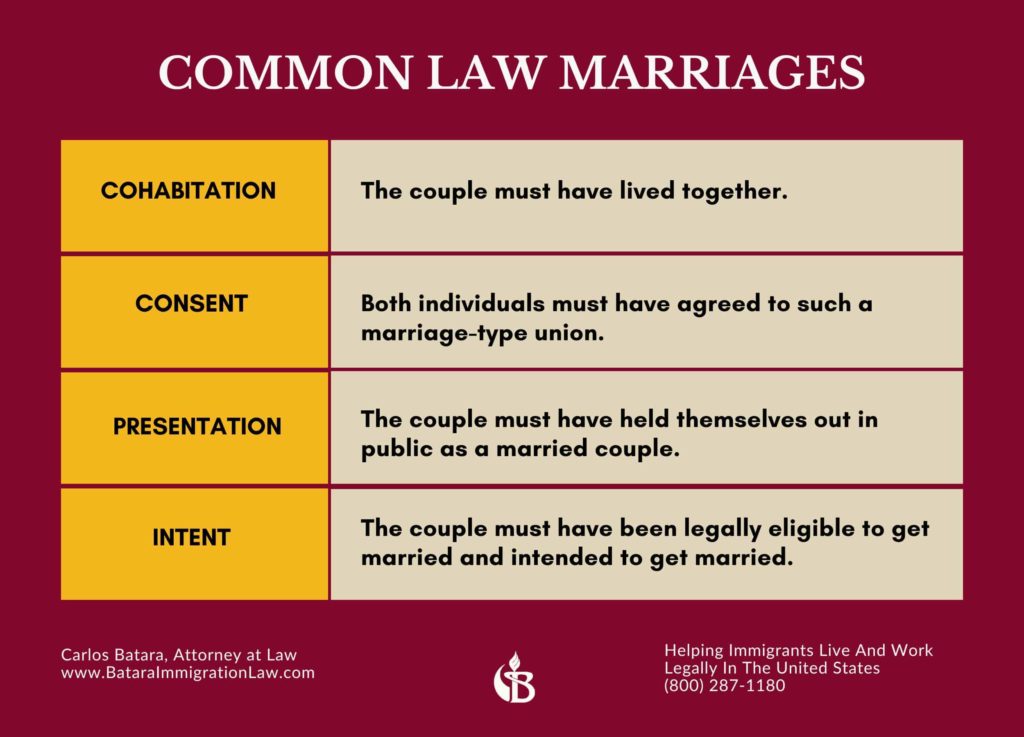
Before delving into the specifics of California, it’s crucial to understand what common law marriage entails in jurisdictions where it is recognized. A common law marriage, also known as an “informal marriage” or “marriage in fact,” is a legally recognized union between two people who have not obtained a marriage license or participated in a formal wedding ceremony. Instead, the marriage is established by the parties’ agreement to be married, their cohabitation as husband and wife, and their public representation of themselves as a married couple.
Key Elements of Common Law Marriage
The specific requirements for establishing a common law marriage can vary from state to state, but generally, they include:
- Present Intent to Be Married: Both individuals must have the genuine intention of being married at the present time, not at some future point. This is a crucial element, and it’s often the most difficult to prove.
- Cohabitation: The couple must live together as husband and wife. This means sharing a residence and presenting themselves as a married couple in their daily lives.
- Public Declaration or Holding Out: The couple must represent themselves to the public as being married. This can manifest in various ways, such as introducing each other as “my husband” or “my wife” to friends, family, and colleagues, filing joint tax returns (though this is less common now), or referring to themselves as a married couple in social or business settings.
It’s important to note that common law marriage is not about simply dating, living together, or being in a long-term committed relationship. All the elements must be present concurrently to establish a valid common law marriage in states that permit it.
States That Recognize Common Law Marriage
As of recent legal interpretations and legislative actions, a limited number of states in the United States still recognize common law marriage contracted within their borders. These states typically include:
- Colorado
- Iowa
- Kansas
- Montana
- New Hampshire (for inheritance purposes only)
- Oklahoma
- Rhode Island
- South Carolina
- Texas
- Utah
- District of Columbia
It’s vital to understand that even in these states, the requirements for proving a common law marriage can be stringent. Without clear documentation or overwhelming testimonial evidence, establishing such a marriage can be challenging.
Common Law Marriage in California: The Definitive Answer
Now, let’s address the core question: Is common law marriage legal in California?
The answer is a resounding no. California does not recognize common law marriage that is entered into within its own borders. This means that even if a couple meets all the criteria – they intend to be married, live together, and hold themselves out to the public as married – their union will not be legally considered a marriage in California under common law.
California’s Approach to Marriage Recognition
California adheres to the formal legal requirements for marriage. To be legally married in California, couples must:
- Obtain a Marriage License: This involves applying for a license from a county clerk’s office. The license is a prerequisite to a legal marriage.
- Have a Solemnization Ceremony: The marriage must be solemnized by an authorized officiant, such as a judge, priest, minister, or other person authorized by law.
- Exchange Vows: The couple must exchange vows, signifying their commitment to be married.
- Record the Marriage: The completed marriage license, signed by the couple, officiant, and witnesses, must be returned to the county recorder’s office for official registration.
These steps ensure that there is clear legal evidence of the marriage and that both parties have met the state’s requirements for entering into a marital contract.
What About Common Law Marriages from Other States?
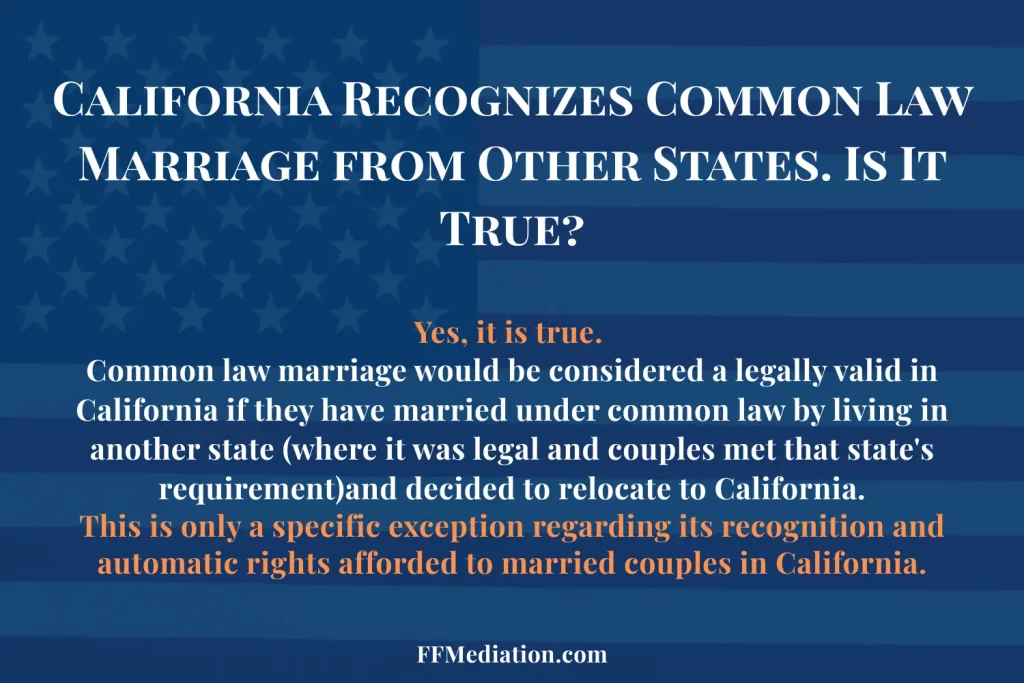
This is where a crucial distinction arises. While California does not permit new common law marriages to be formed within its state lines, it does recognize the validity of common law marriages legally established in other states. This principle is based on the Full Faith and Credit Clause of the U.S. Constitution, which requires states to respect the public acts, records, and judicial proceedings of every other state.
Therefore, if a couple validly entered into a common law marriage in a state that recognizes it (such as Texas or Colorado), and they later move to California, California will treat them as legally married. This recognition extends to all the rights and responsibilities associated with marriage, including property division in the event of divorce, inheritance, and spousal support.
Proving a Valid Out-of-State Common Law Marriage in California:
The challenge for couples who believe they have a common law marriage from another state is proving its validity when in California. This often requires presenting substantial evidence to the California courts, such as:
- Affidavits: Sworn statements from the couple and individuals who witnessed their marital relationship in the originating state.
- Documentation: Evidence of cohabitation (e.g., leases, utility bills in both names), joint bank accounts, insurance policies listing each other as spouses, or official documents where they represented themselves as married.
- Testimony: Witness testimony from friends, family, and acquaintances who can attest to the couple holding themselves out as married.
The burden of proof lies with the party claiming the existence of the common law marriage. It’s a complex legal process that often necessitates the guidance of an experienced family law attorney specializing in California marital law.
Alternatives and Considerations for Couples in California
Given that common law marriage is not an option for forming new unions in California, couples seeking to formalize their commitment have several well-defined legal pathways. Whether you’re planning a romantic getaway to a luxury resort in Napa Valley or looking for long-term accommodation in a vibrant city, understanding these options is crucial for your relationship’s legal standing.
Formal Marriage: The Standard Path
The most straightforward and legally recognized way to establish a marital relationship in California is through a formal marriage. This process, as outlined earlier, involves obtaining a license and having a ceremony. California offers a wide array of options for this, from intimate ceremonies at historic landmarks to grand celebrations at renowned hotels and resorts. Many couples choose to tie the knot during their travel experiences, making destinations like Big Sur or the picturesque vineyards of Sonoma County the backdrop for their union.
Domestic Partnership
For couples who may not wish to marry but desire legal recognition and rights, California offers domestic partnerships. Established by state law, domestic partnerships provide many of the same rights and responsibilities as marriage, particularly for state-level benefits. To register a domestic partnership in California, partners must:
- Be of the same sex, or one or both must be over 62 years of age.
- Share a common residence.
- Not be married to anyone else.
- Not be related by blood in a way that would prevent marriage.
- Be capable of consenting to the domestic partnership.
This option is particularly appealing to same-sex couples who may have faced historical limitations in marriage equality or to older couples who wish to maintain certain financial independence while still receiving state-recognized benefits.
Unmarried Cohabitation Agreements
While not conferring marital status, couples in California who are cohabiting without a formal marriage or domestic partnership can protect their interests by entering into a cohabitation agreement. This legal contract can outline how assets and debts will be handled during the relationship and in the event of separation. It’s a practical tool for unmarried couples who want to define their financial arrangements and avoid potential disputes down the line, especially if they are investing in shared property or businesses.

Navigating Relationships in the Golden State
The legal landscape of marital relationships in California is clear: new common law marriages are not recognized. This distinction is vital for individuals considering their relationship status, whether they are planning a family trip to Disneyland or settling into a long-term stay in an apartment in San Diego.
For those who believe they have established a common law marriage in another state and have relocated to California, seeking legal counsel is paramount. An attorney can assess the evidence and guide you through the process of seeking recognition of that out-of-state marriage.
For couples residing in California and wishing to formalize their commitment, a formal marriage or a domestic partnership are the legally established avenues. These options provide clarity, legal protections, and the ability to navigate California’s complex legal system with certainty. Whether you are enjoying the vibrant local culture in San Francisco or exploring the natural wonders of Yosemite National Park, understanding these legal frameworks ensures your personal life is as well-structured and secure as your travel plans.
LifeOutOfTheBox is a participant in the Amazon Services LLC Associates Program, an affiliate advertising program designed to provide a means for sites to earn advertising fees by advertising and linking to Amazon.com. Amazon, the Amazon logo, AmazonSupply, and the AmazonSupply logo are trademarks of Amazon.com, Inc. or its affiliates. As an Amazon Associate we earn affiliate commissions from qualifying purchases.