
When travelers dream of the quintessential European escape, Copenhagen often tops the list. With its impeccably curated streets, revolutionary cycling culture, and a design aesthetic that balances minimalism with profound warmth, the Danish capital is an urban planner’s dream. Yet, as the global appetite for Scandinavian-inspired lifestyle grows, pockets of New York have begun to mirror this Nordic charm. While the two cities are worlds apart in geography, history, and scale, the lines between them are blurring through shared values in urban design, culinary innovation, and public space philosophy.
The Architectural Echoes of Nordic Minimalism
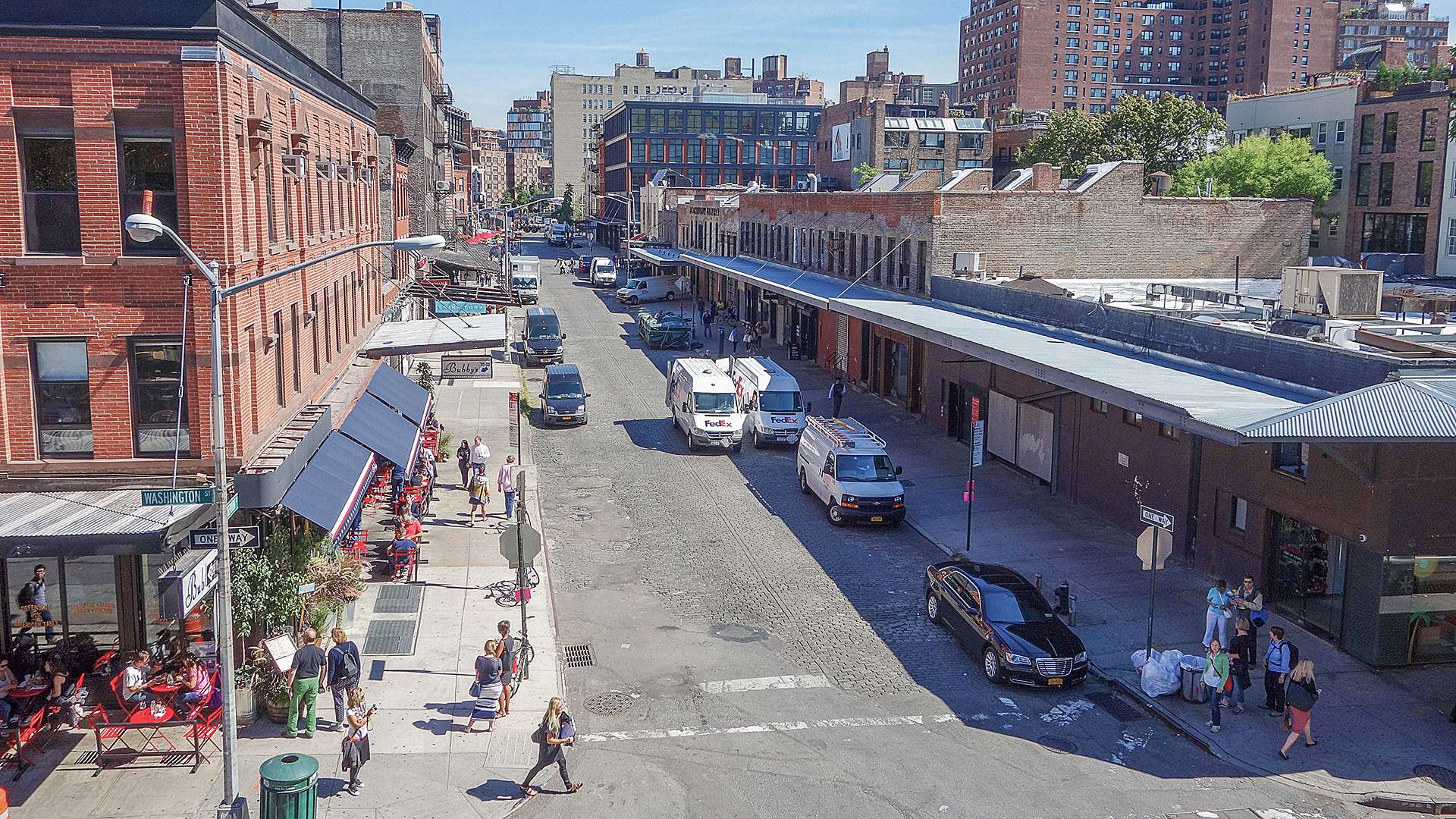
The most immediate comparison between Copenhagen and the boroughs of New York City lies in the recent evolution of architecture. Denmark has long championed “human-centric” design, characterized by an emphasis on light, sustainable materials, and the integration of water. In New York, we see this reflected in the dramatic transformation of the Brooklyn Waterfront.
Waterfront Revitalization
In Copenhagen, the Harbor Bath project turned industrial, polluted waterways into clean, swimmable public spaces. Similarly, the development of Brooklyn Bridge Park mirrors this desire to reconnect city dwellers with their waterfront. Both cities are prioritizing recreational space over commercial shipping dominance, creating a shared aesthetic of wooden boardwalks, integrated greenery, and public seating that encourages social interaction.
Adaptive Reuse and Modernism
Copenhagen is world-renowned for transforming old silos and warehouses into high-end residential and cultural hubs. When walking through Dumbo or Williamsburg, one finds that same spirit of adaptive reuse. The stark brick facades and converted industrial structures in Brooklyn evoke the same atmosphere found in Refshaleøen, where former shipyards have been reborn as artisanal food markets and design studios.
The Culinary Parallel: New Nordic meets New York Farm-to-Table
Perhaps the most tangible connection between these two cities is found on the plate. The New Nordic food movement, which emphasizes local, seasonal ingredients and meticulous presentation, found a natural partner in New York City’s established farm-to-table culture.
Simplicity as Sophistication
In Copenhagen, the rise of Noma fundamentally changed how the world viewed regional dining. It moved away from heavy, complex sauces toward celebrating the inherent quality of the soil and sea. New York chefs, particularly those operating in the Hudson Valley or trendy enclaves like Greenpoint, have adopted this philosophy with fervor. The emphasis on foraging, pickling, and fermentation—staples of the Danish kitchen—is now a mainstay in modern American bistros.

Coffee and Bakeries
The culture of the hygge cafe is an export that New York has embraced wholeheartedly. The Copenhagen cafe scene, defined by high-quality single-origin roasts and meticulously laminated pastries, has been mirrored in the surge of artisanal bakeries across Manhattan and Brooklyn. The focus on small-batch production and communal, cozy interiors serves as an antidote to the frantic pace usually associated with the Big Apple.
Urban Mobility: The Quest for the Bicycle Utopia
If there is one thing that defines the daily life of a citizen in Copenhagen, it is the bicycle. It is not merely a mode of transport but a core pillar of civic identity. New York has spent the better part of the last decade trying to capture a fragment of this magic.
Infrastructure as a Statement
The implementation of the Citibike program and the expansion of protected bike lanes across New York City demonstrate an aspiration to mirror the efficiency of Denmark. While New York faces unique geographic hurdles—the daunting scale of its bridges and the intensity of its gridlocked traffic—the shift in mentality is undeniable. The presence of cyclists weaving through Manhattan during rush hour is becoming a more common sight, reminiscent of the bike-congested Dronning Louises Bro in Copenhagen.
Public Space Philosophy
Beyond bicycles, both cities are increasingly valuing the “third place”—public spaces that are neither work nor home. Whether it is the High Line in New York or the Superkilen park in Copenhagen, the goal remains the same: to create democratic spaces where culture, fitness, and relaxation coexist. These areas act as the lungs of the city, providing a reprieve from the density of urban living.
Why the Comparison Matters
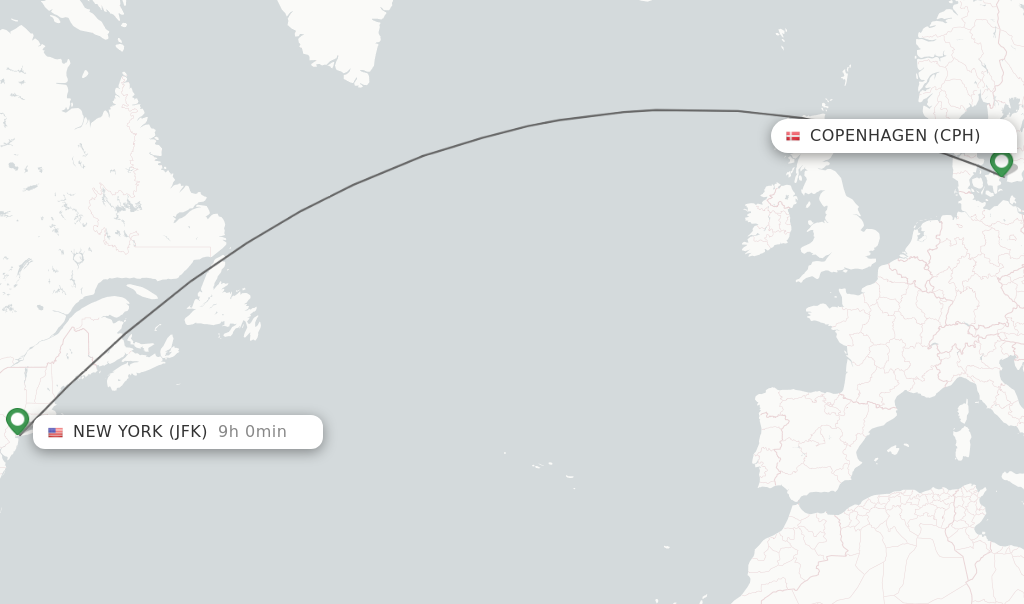
Is Copenhagen in New York? Literally, no. Culturally, however, the distance is shorter than ever. The values that define the Danish lifestyle—sustainability, equality, and a focus on well-being—are becoming the aspirational standards for modern New York urban development.
This is not to say that New York is losing its gritty, fast-paced identity. Rather, it is expanding its definition of success. A traveler visiting from Europe today will find familiar comforts in the bakeries of Williamsburg or the bike paths of Battery Park. They will encounter a city that is learning to pause, to value design, and to cherish the quality of its public life.
Ultimately, both cities prove that whether you are in the heart of Scandinavia or the concrete canyons of the United States, the quest for a more livable city is a universal endeavor. New York might never replace the serene, canal-lined streets of Copenhagen, but it is undoubtedly borrowing its best ideas to create a more harmonious future for its millions of inhabitants. The synthesis of these two urban paradigms provides a roadmap for the modern metropolis, showing that with careful planning and a bit of Danish ingenuity, even the busiest city can find its own version of tranquility.
LifeOutOfTheBox is a participant in the Amazon Services LLC Associates Program, an affiliate advertising program designed to provide a means for sites to earn advertising fees by advertising and linking to Amazon.com. Amazon, the Amazon logo, AmazonSupply, and the AmazonSupply logo are trademarks of Amazon.com, Inc. or its affiliates. As an Amazon Associate we earn affiliate commissions from qualifying purchases.