
For many visitors traveling to Las Vegas, the allure of the casino floor is synonymous with the cinematic legends of high-stakes blackjack. Movies often depict genius mathematicians using card counting to bankrupt the massive gaming corporations of Nevada. However, the reality of the game is far more nuanced, balanced precariously between skill, house policy, and the law. To understand whether counting cards is a crime, one must distinguish between the legal statutes of the United States and the strict private policies enforced by major resorts.
The Legal Landscape: Skill Versus Fraud
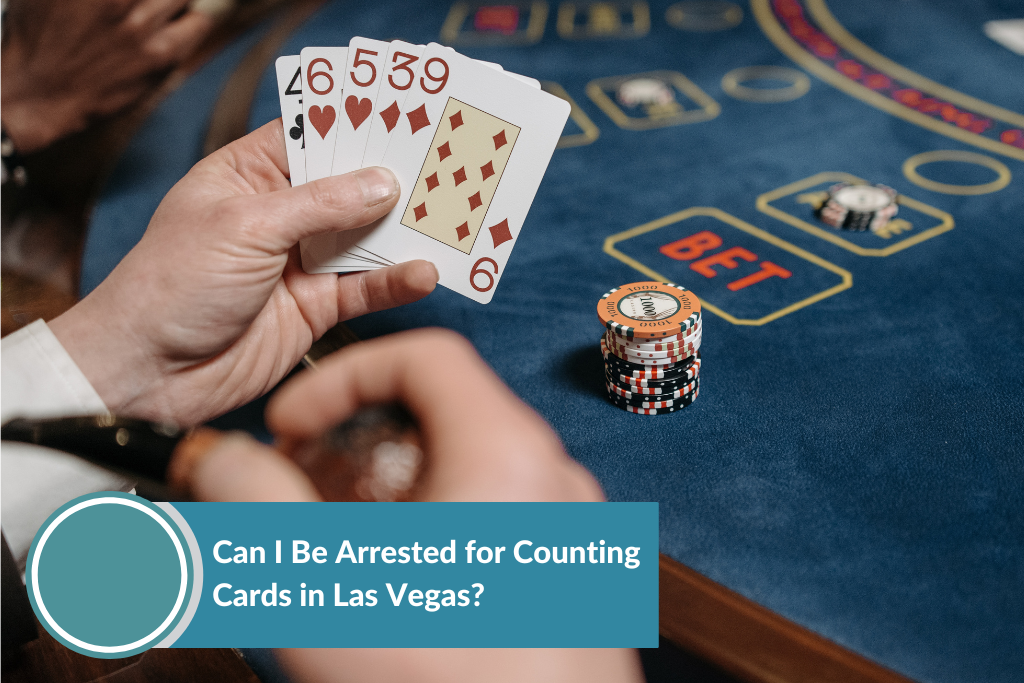
The most common misconception regarding card counting is that it constitutes a form of cheating or theft. In the eyes of the law, card counting is simply the application of mathematical probability to a game of chance. It is the practice of tracking the ratio of high cards to low cards remaining in the deck, which allows a player to adjust their bets when the statistical advantage shifts in their favor.
The Legislative Perspective
Because counting cards relies solely on a player’s mental acuity—tracking cards as they are dealt—it does not involve the use of external devices, marked cards, or collusion with the dealer. Under Nevada law, as long as a player is using their own cognitive ability, they are not committing a crime. There are no statutes in the Las Vegas Strip gaming jurisdiction that explicitly prohibit a player from thinking about the game or keeping a mental tally of the cards.
The Difference Between Counting and Cheating
It is vital to differentiate between “advantage play” and “cheating.” If a player uses a hidden camera, a computer, or a smartphone to assist in their calculations, they have crossed the line into illegal territory. In Clark County, the use of any electronic, electrical, or mechanical device to predict the outcome of a game is a felony. This distinction is what keeps the professional card counter on the side of the law while keeping the cheater behind bars.
House Policy and the Right to Refuse Service
While the state of Nevada does not criminalize card counting, the individual Casinos are private businesses. This reality creates the greatest hurdle for those attempting to gain an edge. Every resort, from the iconic Caesars Palace to the luxurious Bellagio, operates under a strict set of house rules.
Private Property Rights
A casino is private property. Therefore, owners reserve the right to refuse service to any individual for almost any reason, provided it is not discriminatory based on protected characteristics like race or religion. If pit bosses or security personnel suspect a player is counting cards, they are well within their rights to ask that player to stop playing blackjack, limit their betting spread, or leave the premises entirely.
The “Back-Off” Process
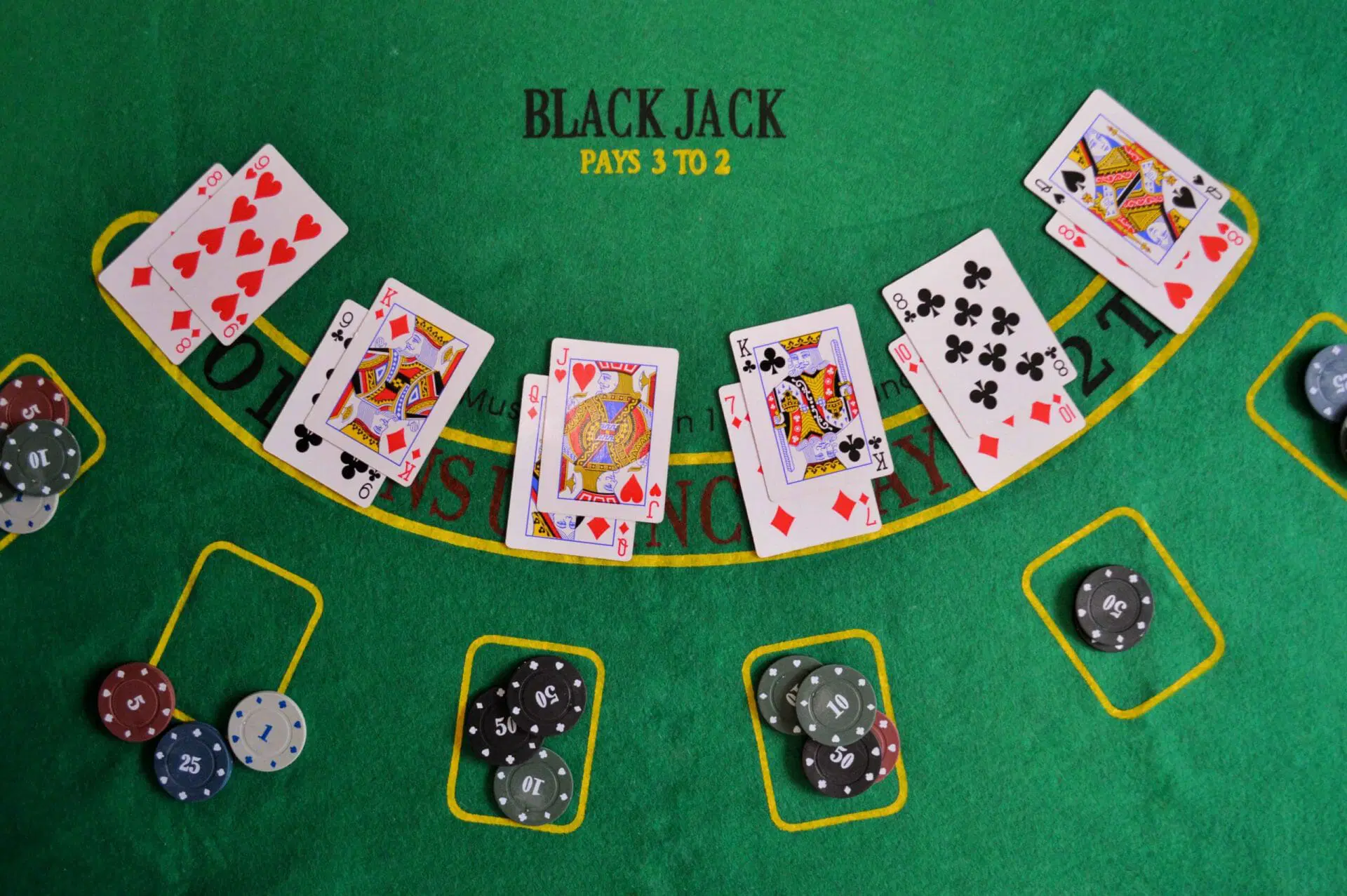
When a casino identifies a suspected card counter, they do not call the police; they initiate a “back-off.” This typically begins with the dealer or the floor manager politely suggesting that the player try a different game, such as Roulette or Craps, where card counting provides no statistical advantage. If the player persists, they are escorted out of the building. In some cases, a player may be “barred” from returning to a specific property or even blacklisted from a larger resort network.
The Practical Challenges of Counting in Modern Casinos
Even if a player possesses the intellectual capability to count cards perfectly, the environment in modern Las Vegas has evolved to make the practice increasingly difficult. The golden age of card counting, often associated with the early days of the MGM Grand, has been replaced by sophisticated anti-advantage measures.
Continuous Shuffling Machines
The primary tool used to neutralize card counting is the Continuous Shuffling Machine (CSM). Unlike a traditional shoe, where a set number of decks are dealt before a manual shuffle, a CSM constantly mixes the cards back into the machine after every few hands. This makes it mathematically impossible to track the deck composition, rendering the card counter’s primary strategy useless. These machines have become standard at many lower-stakes tables across major resorts like the Wynn Las Vegas and the Venetian Resort.
Surveillance and Analytics
Modern Las Vegas casinos utilize advanced artificial intelligence and surveillance technology. Security teams, often working from high-tech control rooms, monitor player behavior patterns. They look for specific “tells,” such as a player who only increases their bet significantly when the count is favorable and drops to the table minimum when the count is unfavorable. These erratic betting patterns act as a red flag that draws immediate attention from the surveillance department.
Strategies for the Responsible Visitor
For the casual tourist, the notion of “beating the house” is often more about the thrill of the atmosphere than a genuine attempt to make a living. It is essential to maintain a realistic perspective when visiting The Mirage or the Circus Circus Hotel and Casino.
Enjoyment Over Advantage
Visitors should view Blackjack as a form of entertainment rather than a source of income. Because the house edge is built into the rules of the game—such as the dealer’s ability to win ties in certain scenarios—the odds are fundamentally stacked against the player over the long term. Even if one were to master the skill of counting, the volatility of the game and the constant vigilance of casino security make it a high-stress pursuit rather than a vacation-friendly activity.
The Value of Comps
If you are playing at a high level and betting significant amounts of money, you are far more likely to be rewarded through “comps” than through successful card counting. Major resorts like The Cosmopolitan of Las Vegas provide amenities such as free meals, room upgrades, and show tickets to players who display loyalty to their property. Focusing on these perks provides a much more reliable return on your gambling investment than attempting to outsmart a pit boss who has seen every trick in the book.
Final Thoughts on the Casino Floor
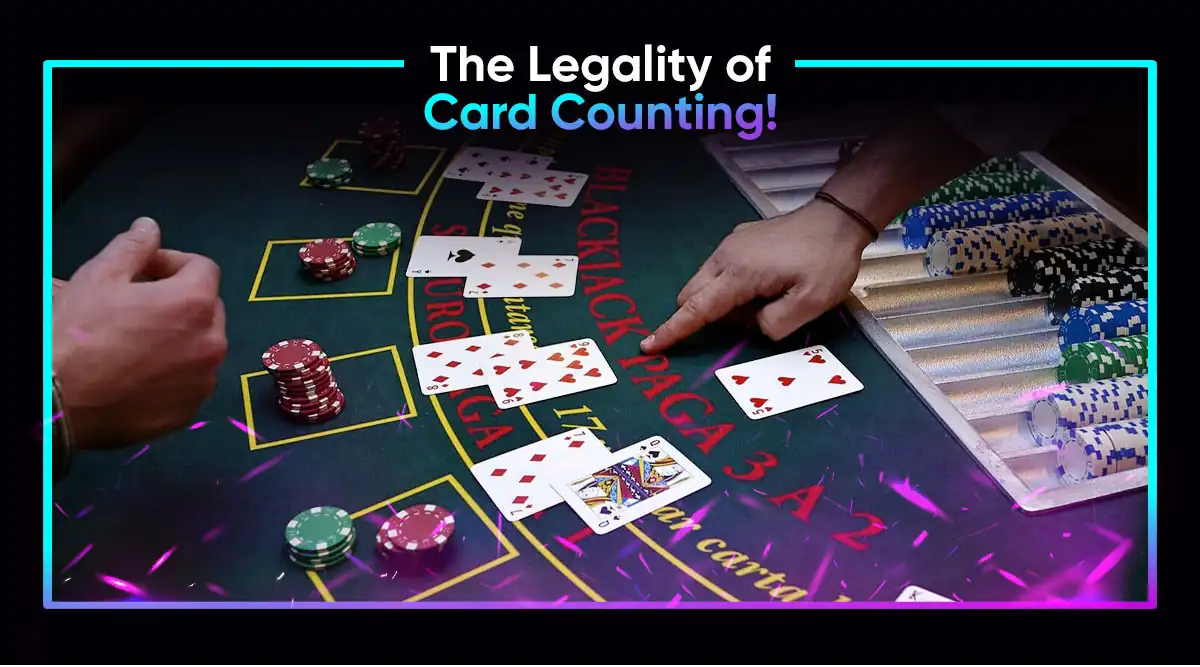
Ultimately, while it is technically “legal” to count cards in the sense that you will not be arrested, it is highly discouraged by the operators of Las Vegas. The casinos have spent decades refining their games, their staff training, and their surveillance systems to ensure that they maintain their statistical advantage. If you choose to study the math behind the cards, treat it as an intellectual exercise, but do not be surprised if your stay at a resort like Treasure Island Hotel and Casino ends abruptly if you are found to be applying that knowledge at the tables. The best way to enjoy a trip to this vibrant city is to respect the house rules, play responsibly, and soak in the legendary hospitality that only this desert oasis can provide.
LifeOutOfTheBox is a participant in the Amazon Services LLC Associates Program, an affiliate advertising program designed to provide a means for sites to earn advertising fees by advertising and linking to Amazon.com. Amazon, the Amazon logo, AmazonSupply, and the AmazonSupply logo are trademarks of Amazon.com, Inc. or its affiliates. As an Amazon Associate we earn affiliate commissions from qualifying purchases.