
Navigating the intricate landscape of health insurance can often feel like deciphering a foreign language, especially when terms like “Covered California” and “Medicare” are involved. Many individuals, particularly those approaching or already within the age range typically associated with Medicare, find themselves questioning the relationship between these two distinct entities. While both play crucial roles in providing health coverage to Californians, they are not interchangeable, nor is one a direct subset of the other. Understanding their individual purposes, eligibility criteria, and how they might intersect is paramount to making informed decisions about your healthcare needs.

Understanding Covered California
Covered California is the state’s health insurance marketplace, established under the Affordable Care Act (ACA). Its primary function is to offer a platform where individuals and families who do not have access to affordable health insurance through an employer or government program can shop for and enroll in qualified health plans. These plans are certified by the state and meet certain minimum coverage requirements.
Key Features of Covered California
- Eligibility: Eligibility for Covered California is generally based on income, employment status, and whether you have access to other qualifying coverage. It is designed for individuals who are not eligible for Medicare, Medi-Cal, or employer-sponsored insurance.
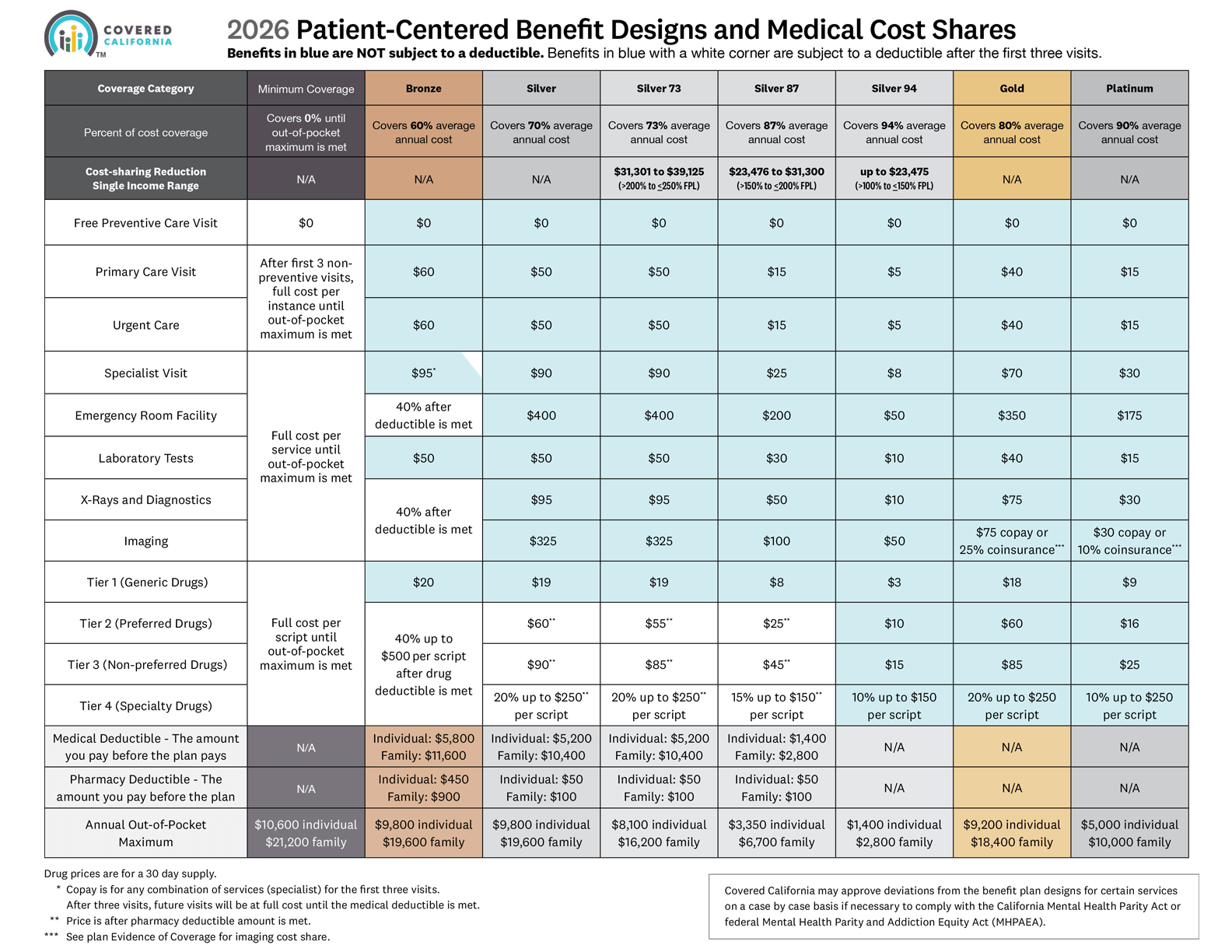
- Subsidies: A significant benefit of Covered California is the availability of financial assistance in the form of premium tax credits and cost-sharing reductions. These subsidies are based on household income and can substantially lower the monthly premiums and out-of-pocket costs for eligible enrollees.
- Plan Options: Covered California offers a range of health plans, including various types of managed care plans like Health Maintenance Organizations (HMOs) and Preferred Provider Organizations (PPOs), from a selection of reputable insurance carriers.
- Enrollment Periods: Enrollment in Covered California is typically limited to specific periods, such as the annual open enrollment period or during qualifying life events like losing other coverage, getting married, or having a baby.
Who Benefits from Covered California?
The primary beneficiaries of Covered California are:
- Individuals and families: Those without employer-sponsored insurance.
- Small business owners: Who wish to offer health benefits to their employees.
- Young adults: Who have aged off their parents’ plans but are not yet eligible for Medicare.
- Low to moderate-income individuals: Who qualify for subsidies to make coverage more affordable.
Understanding Medicare
Medicare is a federal health insurance program primarily for:
- People aged 65 or older.
- Certain younger people with disabilities.
- People with End-Stage Renal Disease (ESRD).
Unlike Covered California, which is state-specific and operates under federal guidelines, Medicare is a national program administered by the Centers for Medicare & Medicaid Services (CMS).
The Parts of Medicare
Medicare is divided into several parts, each covering different types of healthcare services:
- Part A (Hospital Insurance): Helps cover inpatient hospital stays, care in a skilled nursing facility, hospice care, and some home health care. For most people, Part A is premium-free if they or their spouse paid Medicare taxes while working.
- Part B (Medical Insurance): Helps cover doctors’ services, outpatient care, medical supplies, and preventive services. Most people pay a monthly premium for Part B.
- Part C (Medicare Advantage): An alternative way to receive Medicare benefits. These plans are offered by private companies approved by Medicare. They bundle Part A, Part B, and often Part D (prescription drug coverage) and may offer extra benefits like vision, hearing, and dental.
- Part D (Prescription Drug Coverage): Helps cover the cost of prescription drugs. This coverage is offered through private insurance companies that have been approved by Medicare.
Who Benefits from Medicare?
- Seniors: The vast majority of individuals aged 65 and older.
- Individuals with Disabilities: Those under 65 who have received Social Security disability benefits for at least 24 months.
- Individuals with ESRD: Requiring dialysis or kidney transplant.
The Crucial Distinction: Covered California vs. Medicare
The fundamental difference lies in their purpose and eligibility. Covered California is an ACA marketplace for individuals who are not eligible for other forms of coverage, including Medicare. Medicare is a federal entitlement program for specific populations based on age, disability, or specific medical conditions.
Therefore, to directly answer the question “Is Covered California Medicare?”: No, Covered California is not Medicare.
However, there are scenarios where an individual might interact with both systems, or need to choose between them.
Navigating the Intersection: When Coverage Choices Arise
Seniors Approaching Medicare Eligibility
For individuals who are currently enrolled in a Covered California plan and are approaching their 65th birthday, the transition to Medicare becomes a key consideration.
- Initial Enrollment Period (IEP): Around their 65th birthday, individuals have a seven-month window (three months before, the month of, and three months after) to enroll in Medicare Parts A and B without penalty.
- Discontinuing Covered California: If you are eligible for Medicare, you generally cannot remain enrolled in a Covered California plan if you have access to Medicare coverage. This is because Medicare is considered a primary source of coverage for eligible individuals. You would typically need to disenroll from your Covered California plan once your Medicare coverage begins.
- Special Enrollment Period for Medicare: Turning 65 is a qualifying life event that allows you to enroll in Medicare outside of its regular enrollment periods. This also provides a special enrollment period for Covered California if you need to transition to a different type of plan after Medicare eligibility.
Individuals with Disabilities
For individuals under 65 who qualify for Medicare due to a disability, the same principle applies: Medicare is their primary coverage. If they were previously enrolled in Covered California, they would need to transition to Medicare.
Medi-Cal and Medicare Dual Eligibility
A specific scenario involves individuals who are eligible for both Medi-Cal (California’s Medicaid program) and Medicare. These individuals are known as “dual eligibles.”
- Dual Eligible Plans: For dual eligibles, there are special plans designed to coordinate benefits. These plans, often referred to as Medicare Savings Programs or Dual Eligible Special Needs Plans (D-SNPs), aim to provide seamless coverage for services that both programs might cover.
- Covered California’s Role: Covered California is not the gateway to these dual-eligible benefits. Individuals who qualify for both Medi-Cal and Medicare would work through Medi-Cal or specific Medicare Advantage plans that cater to dual eligibles, not Covered California itself.

Making the Right Choice
The decision of which health coverage option to pursue hinges entirely on your individual circumstances, including your age, income, employment status, and health needs.
- If you are under 65, do not have employer-sponsored insurance, and your income is within the eligibility range for subsidies, Covered California is likely your primary avenue for obtaining health insurance.
- If you are 65 or older, or have a qualifying disability or ESRD, Medicare is your primary health insurance. You would then explore the different Medicare options (Original Medicare with a Part D plan and a Medigap policy, or a Medicare Advantage plan).
It is always advisable to consult with a knowledgeable insurance broker or a representative from Covered California or the Centers for Medicare & Medicaid Services to ensure you fully understand your eligibility, enrollment periods, and the benefits of each program. While the names might sound similar and both concern health insurance in California, Covered California and Medicare serve distinct populations with different eligibility requirements.
LifeOutOfTheBox is a participant in the Amazon Services LLC Associates Program, an affiliate advertising program designed to provide a means for sites to earn advertising fees by advertising and linking to Amazon.com. Amazon, the Amazon logo, AmazonSupply, and the AmazonSupply logo are trademarks of Amazon.com, Inc. or its affiliates. As an Amazon Associate we earn affiliate commissions from qualifying purchases.