
Navigating the connectivity landscape of a major metropolitan hub like Las Vegas requires more than just a passing knowledge of local infrastructure. For business travelers, remote workers, and tourists relying on digital navigation, the sudden loss of internet service can feel like a complete disruption of the visitor experience. When questions arise regarding the stability of major service providers like Cox, understanding how to diagnose and resolve these issues is essential for maintaining a seamless stay in Nevada.
Understanding Connectivity Disruptions in the Entertainment Capital
The digital infrastructure in Las Vegas is among the most sophisticated in the world, supporting thousands of high-traffic venues, luxury resorts, and residential developments simultaneously. However, the sheer density of usage often places a strain on network providers. Whether you are staying in the heart of the Las Vegas Strip or a quiet suburb in Henderson, connectivity is the lifeline that bridges your travel itinerary with the physical world.

Identifying Network Outages versus Local Hardware Failures
Before assuming a city-wide outage, it is vital to perform a quick diagnostic. Often, a perceived outage is actually a localized equipment failure. If you find yourself without internet access, consider the following steps:
- Check the Status of Your Gateway: Look for blinking red lights on your modem or router. A consistent solid red or amber light usually indicates an authentication issue or an inability to communicate with the local node.
- Power Cycle Your Equipment: Disconnect the power cable for at least 30 seconds before reconnecting. This simple act refreshes your session with the local network distribution point.
- Assess Multiple Devices: If only one device is offline, the issue is likely with that device’s network settings rather than the service provider. If all devices are disconnected, you are likely looking at a service interruption.
Relying on Official Infrastructure Channels
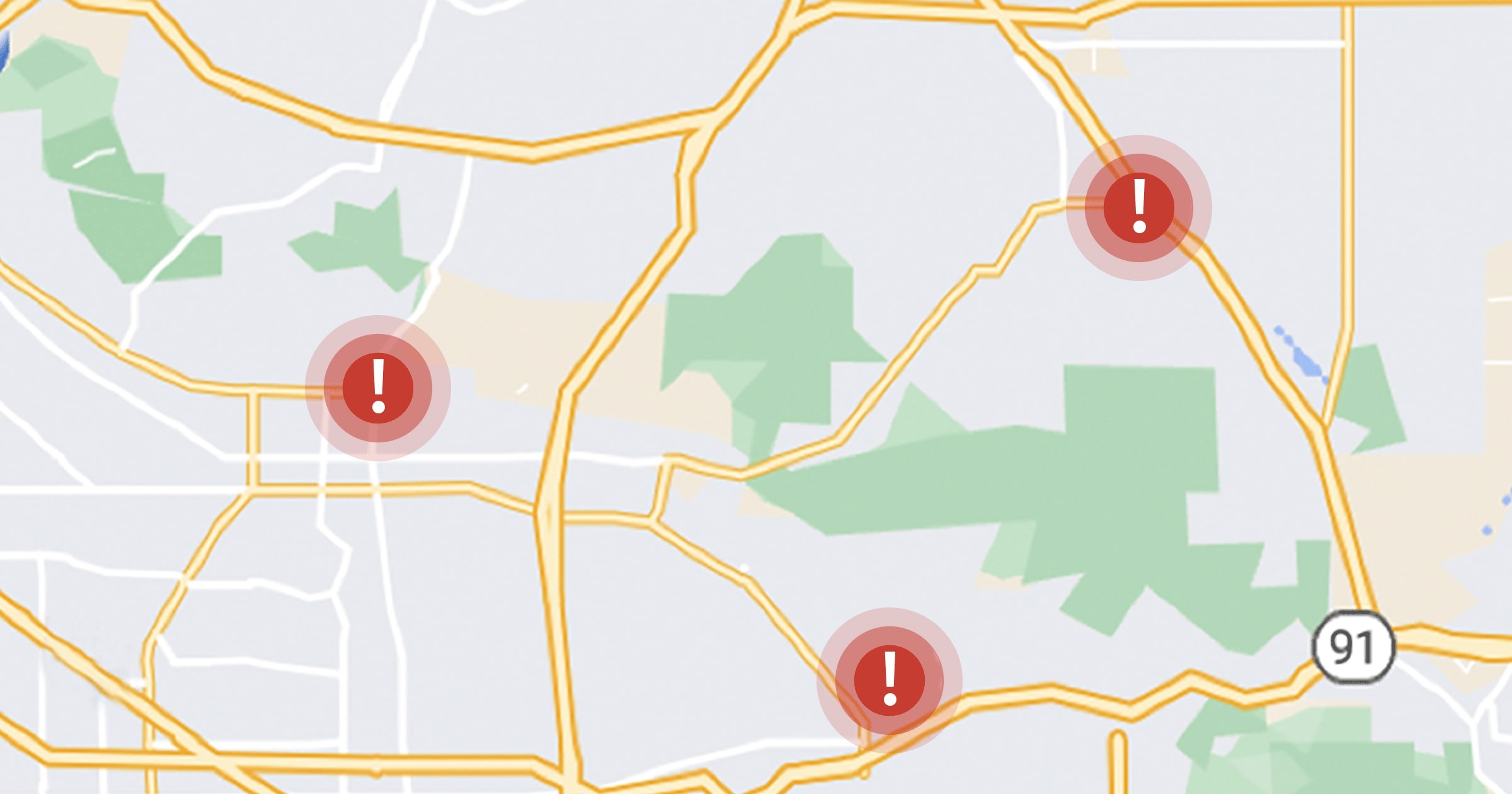
When you suspect a major outage, avoid relying on third-party “outage tracker” websites, which often scrape data without verification. Instead, use the official portals provided by the service provider. For those in the Southwest United States, checking the official account portal or using the automated phone system is the most reliable way to receive real-time updates regarding maintenance work or unexpected server failures in your specific zip code.
Navigating Connectivity While Visiting Resorts and Landmarks
The experience of being “down” changes significantly depending on where you are situated within the city. For those staying at massive resorts like the Bellagio or the Caesars Palace, connectivity is typically managed by internal enterprise-grade systems that operate independently of residential consumer networks.
Why Resort Internet Differs from Home Internet
Large hospitality entities utilize dedicated fiber-optic lines and robust redundant systems. If your resort’s Wi-Fi fails, it is rarely due to a provider-wide outage and almost always a localized internal infrastructure fault. In such cases, alerting the front desk or the resort’s IT support desk is the most effective path to resolution. They have direct lines to the network engineers responsible for the building’s internal backbone.
Staying Connected at Public Spaces
If you are wandering near the Fremont Street Experience or visiting the High Roller, you are likely relying on either cellular data or public Wi-Fi access points. When an ISP experiences a regional outage, cellular congestion often follows as everyone shifts from Wi-Fi to mobile data. During these peak traffic times, prioritizing essential communications—such as ride-sharing apps or digital tickets—becomes necessary to ensure your plans remain on schedule.
Proactive Strategies for Digital-First Travelers
In a city known for constant change and technological evolution, the savvy traveler prepares for potential service disruptions before they happen. Reliability is not just about the network; it is about having a redundant plan in place.
The Role of Portable Connectivity
For business travelers who cannot afford even a few minutes of downtime, relying solely on local infrastructure is a risk. Consider the following:
- Mobile Hotspots: Carrying a personal mobile hotspot that utilizes a different carrier network than your primary phone can be a life-saver during a regional outage.
- Offline Maps and Documents: Download offline versions of maps and critical travel documents. In Las Vegas, where the layout can be complex, having access to offline navigation is highly recommended.
- Local SIMs and eSIMs: If you are an international traveler, having an eSIM that utilizes multiple roaming partners ensures that if one network goes down, you can manually switch to another to maintain data access.
Engaging with Local Digital Resources
When you are settled in and need to troubleshoot, engage with local digital communities. Subreddits dedicated to Las Vegas and local tech forums are excellent for crowdsourced information. Residents often post about area-specific issues long before an official map updates. However, always exercise caution with the information shared in these spaces, as hearsay can often lead to unnecessary troubleshooting steps that don’t address your unique connectivity problems.

The Future of Internet Reliability in Las Vegas
As Las Vegas continues to expand its footprint as a center for global conventions and professional sports, the infrastructure requirements are becoming increasingly stringent. Ongoing investments in 5G, fiber optics, and mesh networking are standard across the Las Vegas Valley.
Major providers are constantly upgrading their hardware to handle the influx of millions of tourists each year. This creates a more resilient system overall, even if occasional outages are an unavoidable reality of large-scale networking. Understanding that you are in a highly monitored, high-tech environment should provide some comfort; if a major issue does occur, it is likely being addressed by a team of engineers working around the clock to restore service to one of the most connected cities in the United States.
By combining proactive technical preparation with a clear understanding of how to differentiate between local hardware issues and regional outages, you can ensure that your visit to this vibrant desert oasis remains uninterrupted. Whether you are here for the National Finals Rodeo or a quiet weekend getaway, your ability to remain online is firmly in your control if you know where to look and how to prepare. Keep your devices updated, maintain backup options, and stay informed through official service channels to keep your connection as vibrant as the city itself.
LifeOutOfTheBox is a participant in the Amazon Services LLC Associates Program, an affiliate advertising program designed to provide a means for sites to earn advertising fees by advertising and linking to Amazon.com. Amazon, the Amazon logo, AmazonSupply, and the AmazonSupply logo are trademarks of Amazon.com, Inc. or its affiliates. As an Amazon Associate we earn affiliate commissions from qualifying purchases.