
Alabama, a state steeped in Southern charm and rich in history, offers a diverse array of experiences for every traveler. From the vibrant streets of Birmingham to the pristine beaches of Gulf Shores, the state beckons with its unique blend of natural beauty and cultural attractions. Visitors can explore the Civil Rights District in Montgomery, marvel at the architectural wonders of Mobile, or lose themselves in the breathtaking landscapes of the Cheaha State Park. Accommodation options abound, ranging from luxurious resorts like the Grand Hotel Golf Resort & Spa to cozy bed and breakfasts tucked away in charming towns.
As travelers plan their itineraries and seek to enhance their experiences, a common question arises concerning the legal status of various substances. One such substance that has gained significant attention is Delta-8 THC. Understanding the legal landscape surrounding Delta-8 THC in Alabama is crucial for both residents and visitors looking to purchase or consume these products responsibly. This article delves into the current regulations, the legislative history, and the practical implications for enjoying Alabama’s attractions with peace of mind.
Navigating the Legal Landscape of Delta-8 THC in Alabama
The legality of Delta-8 THC in Alabama has been a subject of considerable discussion and evolving legislation. At its core, the question hinges on how Delta-8 THC is classified in relation to federally regulated substances. To understand the current situation, it’s essential to trace the legal path that brought us to today’s understanding.
The 2018 Farm Bill and its Ripple Effects
A pivotal moment in the regulation of hemp-derived cannabinoids, including Delta-8 THC, was the passage of the Agriculture Improvement Act of 2018, commonly known as the 2018 Farm Bill. This landmark legislation federally legalized hemp and removed it from the Controlled Substances Act. Crucially, the Farm Bill defined hemp as any cannabis plant, and its derivatives, containing no more than 0.3% Delta-9 THC on a dry weight basis. This broad legalization opened the door for the widespread production and sale of hemp-derived products.
Following the 2018 Farm Bill, manufacturers began to extract and synthesize various cannabinoids from hemp. Delta-8 THC, an isomer of Delta-9 THC, is present in hemp in very small quantities. Through processing, it can be derived from CBD (cannabidiol), which is abundant in hemp. Because Delta-8 THC is derived from hemp and contains less than 0.3% Delta-9 THC, it was initially widely considered legal under the federal framework established by the Farm Bill.
This federal interpretation paved the way for a burgeoning Delta-8 THC market across the United States. Consumers in states that had not explicitly banned it, or had legalized recreational or medical cannabis, found Delta-8 products readily available. Retailers, from dedicated vape shops to online marketplaces, began stocking a variety of Delta-8 products, including tinctures, edibles, vapes, and concentrates. The appeal of Delta-8 THC often stemmed from its reported psychoactive effects, which are generally considered milder than those of Delta-9 THC, while still offering a desirable experience for many users.
Alabama’s Stance and Legislative Developments
Alabama, like many other states, has had to grapple with the implications of the 2018 Farm Bill. While the federal law legalized hemp, it did not mandate that all states adopt the same approach to hemp-derived cannabinoids. States retained the authority to regulate or even prohibit these products within their borders.
Initially, Alabama did not have specific legislation explicitly addressing Delta-8 THC. This created a legal gray area. However, the landscape began to shift with the introduction of legislation aimed at clarifying or restricting the sale and possession of Delta-8 THC products.
A significant legislative effort in Alabama aimed to address the burgeoning Delta-8 market. In 2021, House Bill 234 was introduced, which sought to amend existing laws regarding controlled substances and hemp. This bill, along with subsequent discussions and amendments, aimed to define and regulate hemp-derived products more clearly.
The key aspect of the legislative debate often revolved around the definition of “hemp” and “THC.” While the Farm Bill set a federal standard for Delta-9 THC content, the legality of other THC isomers, like Delta-8, became a point of contention. Some argued that any intoxicating cannabinoid, regardless of its source, should be regulated similarly to Delta-9 THC. Others maintained that if the product was derived from legal hemp and met the Delta-9 THC threshold, it should remain legal.
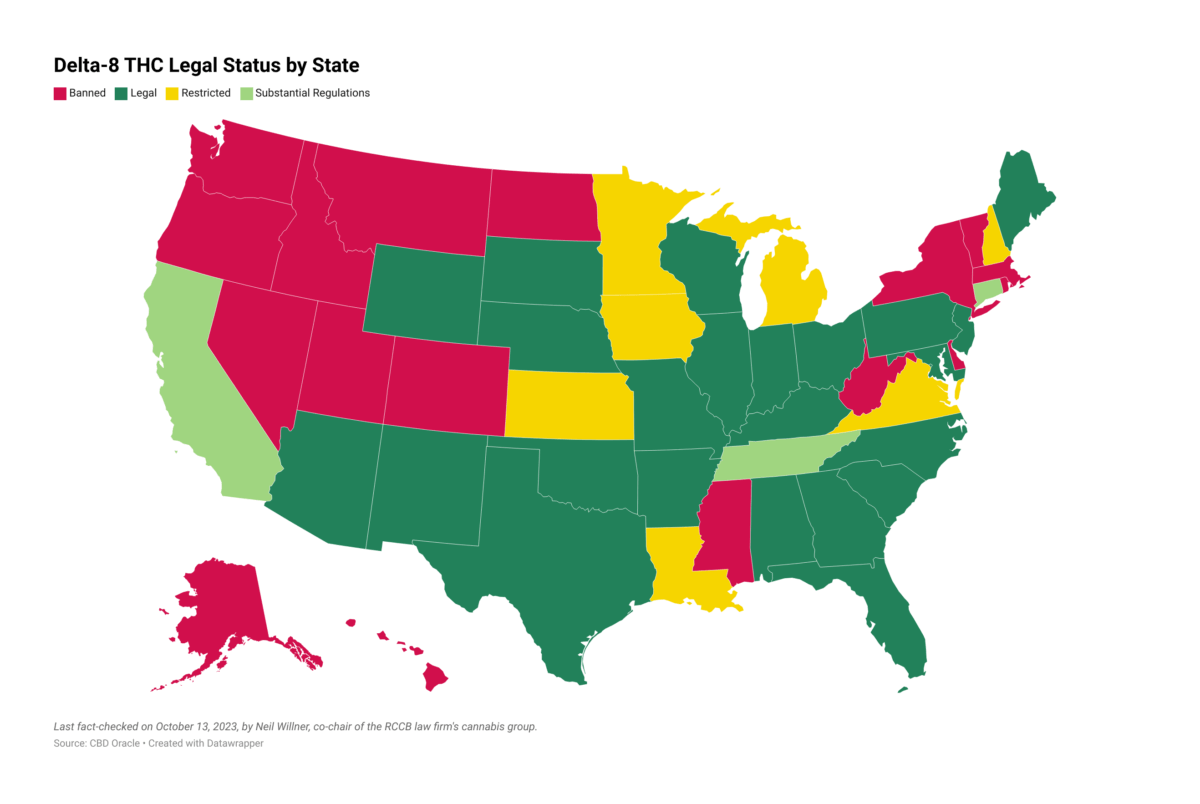
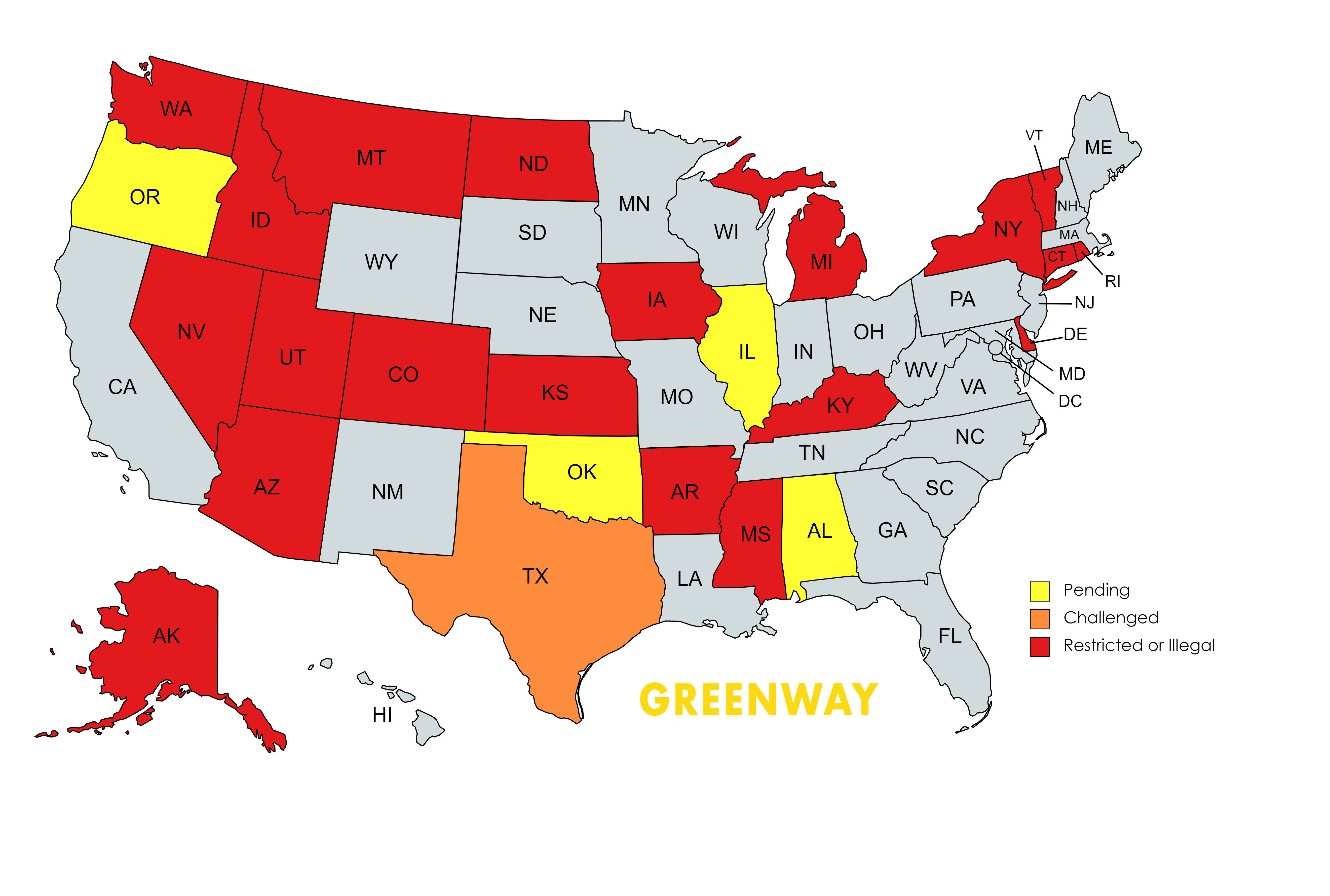
After considerable debate and amendments, Alabama enacted legislation that effectively legalized hemp and its derivatives, including Delta-8 THC, provided they meet specific criteria. The crucial condition is that the Delta-8 THC must be derived from hemp that contains no more than 0.3% Delta-9 THC on a dry weight basis. This aligns Alabama with the federal definition under the 2018 Farm Bill.
However, it’s important to note that this legalization is not without its nuances. The legislation often includes provisions related to the production, distribution, and sale of these products. For instance, there may be requirements for testing, labeling, and age restrictions, similar to those for other regulated substances. The intent behind these measures is generally to ensure consumer safety and prevent diversion to illicit markets.
Therefore, for a Delta-8 THC product to be considered legal in Alabama, it must originate from hemp that complies with the federal definition. This means that any Delta-8 THC derived from marijuana, which has a higher Delta-9 THC content, would not be legal under Alabama law. The focus remains squarely on the hemp source material.
Key Considerations for Consumers and Businesses
Understanding the legal framework is the first step, but practical considerations are vital for anyone engaging with Delta-8 THC products in Alabama. This includes knowing where to purchase these products, what to look for in terms of quality and legality, and adhering to any age restrictions or possession limits that may be in place.
Where to Find Legal Delta-8 Products
With the legal landscape clarified, legal Delta-8 THC products are becoming more accessible in Alabama. Consumers can typically find these products from several sources:
- Specialty Hemp and CBD Shops: Many cities across Alabama, including Birmingham, Huntsville, and Montgomery, have dedicated brick-and-mortar stores that specialize in hemp-derived products. These establishments are often knowledgeable about their inventory and can provide guidance on the legality and quality of their Delta-8 offerings.
-
Online Retailers: A significant portion of Delta-8 THC sales occur online. Many reputable online retailers ship their products nationwide, including to Alabama. When purchasing online, it is crucial to ensure that the retailer is legitimate, provides third-party lab testing results (Certificates of Analysis or COAs), and clearly states that their products are hemp-derived and comply with the <0.3% Delta-9 THC limit.
-
Gas Stations and Convenience Stores: In some areas, you might find Delta-8 products in gas stations or convenience stores. However, the quality and legality of products from these sources can vary widely. It is generally advisable to exercise caution and prioritize purchasing from specialized retailers or trusted online vendors who can provide transparent information about their products.
Ensuring Product Quality and Legality
When purchasing Delta-8 THC, consumers should prioritize products that are:
-
Hemp-Derived: As established, the legality hinges on the product being derived from hemp. This distinction is critical.
-
Third-Party Lab Tested: Reputable manufacturers will have their products tested by independent laboratories. These lab reports, often called Certificates of Analysis (COAs), verify the cannabinoid content, including the levels of Delta-8 THC and Delta-9 THC, and ensure the absence of harmful contaminants like pesticides, heavy metals, and residual solvents. Always look for access to these COAs, often available on the manufacturer’s website or via a QR code on the product packaging.
-
Clearly Labeled: Products should have clear and accurate labeling that includes the ingredients, cannabinoid profile, manufacturer’s information, and any necessary warnings.
-
Compliant with the 0.3% Delta-9 THC Limit: This is the cornerstone of legality in Alabama. The COA should explicitly confirm that the Delta-9 THC content is below this threshold.
Age Restrictions and Other Regulations
Just as with other consumer products that may have age restrictions, such as tobacco or alcohol, Delta-8 THC products are typically subject to age verification. In Alabama, consumers generally must be 21 years of age or older to purchase Delta-8 THC products. This is a common regulatory measure designed to prevent access by minors. Businesses are responsible for enforcing these age restrictions at the point of sale, whether in-store or online.
While Alabama has legalized hemp-derived Delta-8 THC, it’s always prudent to stay informed about any updates or changes in legislation. The legal landscape for cannabinoids is dynamic, and new regulations or interpretations can emerge. Travelers planning to bring Delta-8 products into the state or purchase them while visiting should be aware of these potential shifts.
Experiencing Alabama Responsibly: Travel, Tourism, and Lifestyle
The legalization of Delta-8 THC in Alabama can be viewed within the broader context of the state’s growing tourism and lifestyle offerings. As the state continues to attract visitors for its diverse attractions, understanding the legal status of substances like Delta-8 THC contributes to a smoother and more enjoyable experience.
Enhancing Travel Experiences
For those who choose to use Delta-8 THC products, their legality in Alabama means they can potentially be enjoyed responsibly as part of a travel experience. Imagine a relaxing evening after a day of exploring the historic streets of Tuscaloosa or unwinding at a resort in Point Clear overlooking Mobile Bay. With Delta-8 being legal, individuals can make informed choices about incorporating these products into their leisure activities, provided they do so in a manner that respects public spaces and local ordinances.
When planning accommodations, whether it’s a suite at a downtown Birmingham hotel, a villa in Gulf Shores, or an apartment for a longer stay, understanding local regulations around any substance use is always recommended. Most accommodations will have their own policies regarding smoking or consumption of certain products on their premises. Responsible use and adherence to these policies will ensure a positive stay.
Exploring Alabama’s Tourism and Lifestyle
Alabama offers a rich tapestry of tourism and lifestyle experiences. From the culinary delights of Southern cuisine to the vibrant local culture found in towns like Florence, the state provides ample opportunities for exploration. Visitors can discover famous landmarks, engage in outdoor activities, or immerse themselves in the history of the region.
The availability of legal Delta-8 THC products means that individuals can potentially enjoy these experiences with an added layer of relaxation or enhancement, depending on their personal preferences. It’s important, however, to always consume responsibly and to be aware of public consumption laws. Driving under the influence of any substance, including Delta-8 THC, is illegal and dangerous. Therefore, planning transportation and consumption in advance is crucial.
Budget and Luxury Travel Considerations
Whether you are embarking on a budget-friendly family trip or a luxurious getaway, the legal status of Delta-8 THC in Alabama remains consistent. This means that travelers of all budgets can access and use these products within the legal framework. For luxury travelers staying at upscale resorts or enjoying fine dining experiences, understanding and adhering to the regulations ensures that their sophisticated travel plans are not marred by legal issues. For budget travelers exploring the state’s natural beauty or enjoying free attractions, knowing that Delta-8 is legal offers another option for personal enjoyment during their stay.
Ultimately, the legalization of Delta-8 THC in Alabama allows for greater clarity and freedom for consumers and businesses alike. By staying informed about the regulations, prioritizing quality products, and practicing responsible consumption, individuals can fully enjoy all that the beautiful state of Alabama has to offer, from its iconic landmarks to its diverse lifestyle experiences.
LifeOutOfTheBox is a participant in the Amazon Services LLC Associates Program, an affiliate advertising program designed to provide a means for sites to earn advertising fees by advertising and linking to Amazon.com. Amazon, the Amazon logo, AmazonSupply, and the AmazonSupply logo are trademarks of Amazon.com, Inc. or its affiliates. As an Amazon Associate we earn affiliate commissions from qualifying purchases.