
Navigating the legal landscape of cannabis-derived products can be a perplexing journey, especially when you’re planning a trip or simply living your life in a particular state. For those considering or curious about Delta-8 tetrahydrocannabinol (THC) in the Lone Star State, the question of its legality in Texas is paramount. This seemingly simple inquiry opens a complex discussion involving state legislation, federal guidance, and the ever-evolving nature of hemp and cannabis law. As Texas continues to embrace the economic opportunities presented by hemp cultivation and related products, understanding the specific regulations surrounding Delta-8 THC is crucial for consumers, businesses, and even travelers exploring the state’s diverse attractions.

The emergence of Delta-8 THC as a popular alternative to its more regulated cousin, Delta-9 THC, has been a significant development in the cannabis industry. Derived from hemp, a plant with a Delta-9 THC concentration of less than 0.3% on a dry weight basis, Delta-8 THC is often marketed as a legal option due to its distinct chemical structure. However, the legality of these products is not always straightforward and can be subject to differing interpretations and legislative actions. For visitors planning a Texas getaway, perhaps to explore the vibrant music scene in Austin or the historical sites in San Antonio, understanding the local laws regarding Delta-8 THC can prevent unwanted complications. This article aims to demystify the legal status of Delta-8 THC in Texas, providing clarity for both residents and tourists.
The core of the legal debate surrounding Delta-8 THC in Texas hinges on its classification. Hemp-derived cannabinoids, including Delta-8 THC, gained a degree of legal protection with the passage of the 2018 Farm Bill at the federal level. This legislation federally legalized hemp and its derivatives, provided they contain no more than 0.3% Delta-9 THC. Following this federal precedent, Texas enacted its own legislation, notably House Bill 1325 in 2019. This bill legalized hemp and hemp products, aligning with the federal definition. The key distinction is that Delta-8 THC is chemically different from Delta-9 THC, and its production typically involves extracting it from hemp. This has led many to believe that Delta-8 THC falls under the umbrella of legal hemp products in Texas.
However, the situation is far from black and white. State agencies, including the Texas Department of State Health Services, have issued guidance and statements that have created uncertainty. The main point of contention often revolves around whether the synthesis of Delta-8 THC from CBD (cannabidiol), which is also derived from hemp, is considered a “controlled substance analogue” or a “manufactured substance” that may fall outside the scope of legal hemp products. This interpretation suggests that while the source material (hemp) is legal, the process of converting it into Delta-8 THC might be viewed differently by state regulators.
Understanding the Legal Framework: Hemp vs. Marijuana
To truly grasp the legality of Delta-8 THC in Texas, it’s essential to differentiate between hemp and marijuana. This distinction is fundamental to understanding cannabis law in the United States and, consequently, in Texas. The 2018 Farm Bill established a clear dividing line: hemp is defined as cannabis with a Delta-9 THC concentration of 0.3% or less on a dry weight basis, while anything exceeding this threshold is classified as marijuana. Marijuana remains a Schedule I controlled substance under federal law, making its possession, sale, and cultivation illegal in most jurisdictions.
In Texas, HB 1325 mirrored this federal distinction. The bill legalized the production, sale, and possession of hemp and hemp-derived products, as long as they adhere to the strict 0.3% Delta-9 THC limit. This opened the door for a burgeoning market of hemp-derived cannabinoids, including CBD, CBG, CBN, and, of course, Delta-8 THC. These products can be found in various forms, from gummies and edibles to tinctures and vapes, readily available in dispensaries, head shops, and online retailers across the state. Travelers seeking to relax after a day of exploring the Alamo or enjoying the nightlife in Houston might encounter these products.
The Delta-8 THC Conundrum: Synthesis and Regulation
The crux of the legal ambiguity surrounding Delta-8 THC lies in its typical production method. While Delta-8 THC occurs naturally in the cannabis plant, it is present in very small quantities. To make it commercially viable, manufacturers often synthesize Delta-8 THC from CBD, which is abundant in hemp. This process involves using chemical solvents and reagents to convert CBD molecules into Delta-8 THC.
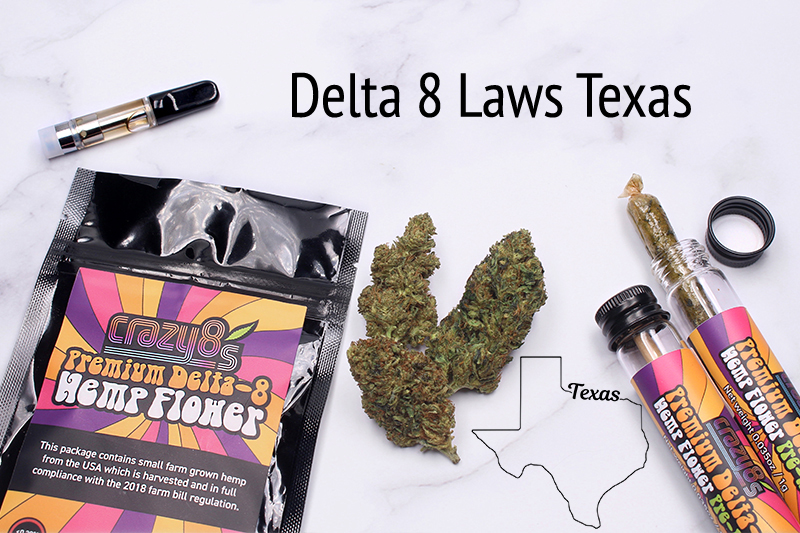
The concern for regulatory bodies like the Texas Department of State Health Services (DSHS) is that this chemical conversion process could be interpreted as manufacturing a controlled substance or a substance that is chemically similar enough to Delta-9 THC to be regulated as such. In Texas, the definition of a controlled substance includes not only specific listed chemicals but also “any compound, mixture, or preparation which contains any quantity of the following substances” and “all isomers, esters, ethers, salts, and salts of isomers, esters, and ethers of any of the substances.” Some interpretations suggest that Delta-8 THC, even when derived from legal hemp, could fall under this broad definition, especially if the synthesis process is viewed as an alteration of a naturally occurring compound into a more psychoactive substance.
This has led to a somewhat precarious legal environment. While there hasn’t been a complete ban on Delta-8 THC in Texas, the DSHS has expressed concerns and has, at times, indicated that it considers Delta-8 THC to be an illegal substance. This ambiguity creates challenges for businesses operating within the state and for consumers who wish to use these products legally.
Shifting Interpretations and Ongoing Debates
The legal status of Delta-8 THC in Texas has been a subject of ongoing debate and has seen shifts in interpretation. For a period, it was widely understood that Delta-8 THC, as a hemp-derived product meeting the Delta-9 THC limit, was legal. This understanding was largely based on the initial implementation of HB 1325 and the federal Farm Bill. Many Texas residents and visitors could purchase and consume Delta-8 THC products without significant concern, enjoying their purported effects while exploring destinations like the Texas Hill Country or the beaches of Galveston.
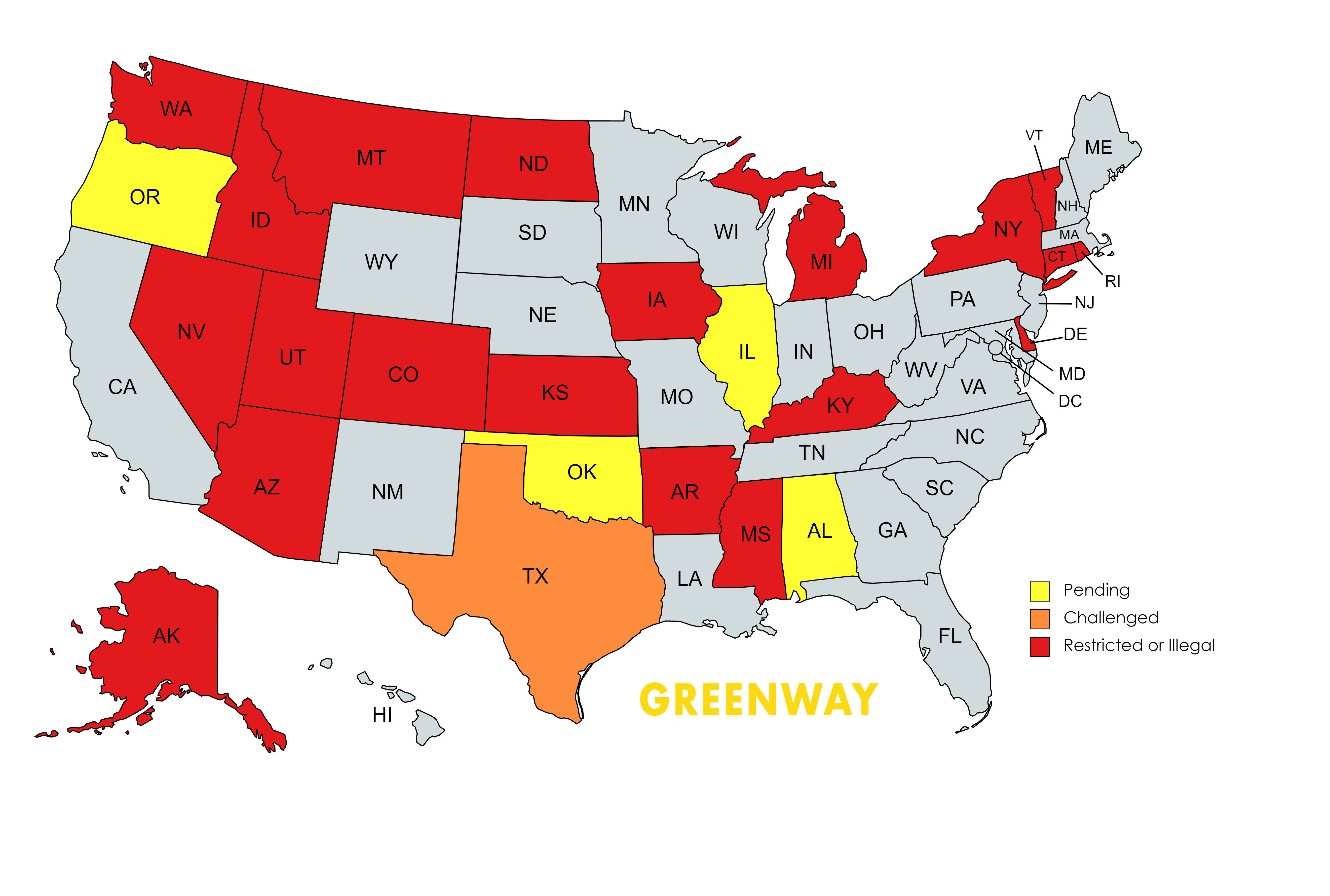
However, concerns about public health and safety, along with potential misuse, have prompted renewed scrutiny from regulatory bodies. The DSHS has issued statements indicating that Delta-8 THC derived from hemp through chemical synthesis may be considered illegal under Texas law. This stance creates a situation where products that appear legally available on shelves might, in fact, be in a legal gray area, subject to potential enforcement actions.
The debate often centers on the intent of the legislation. Proponents of Delta-8 THC legality argue that the intent of HB 1325 was to legalize all hemp-derived cannabinoids, provided they meet the Delta-9 THC threshold. They emphasize that Delta-8 THC is a naturally occurring isomer of THC and that its synthesis is a common practice in the broader chemical industry. Critics, however, point to the psychoactive nature of Delta-8 THC and argue that its widespread availability, especially to minors, poses a risk that was not fully contemplated by the original legislation.
What This Means for Travelers and Consumers in Texas
For travelers planning a trip to Texas, whether for business or leisure, understanding the nuanced legal status of Delta-8 THC is crucial to avoid any potential legal trouble. While many establishments sell Delta-8 products, and enforcement actions have not been widespread or consistently applied, the legal ambiguity means that carrying or possessing these items could, in theory, lead to issues.
Here are some practical considerations for anyone considering purchasing or using Delta-8 THC in Texas:
- Err on the Side of Caution: Given the conflicting interpretations and the DSHS’s expressed concerns, it is advisable for travelers to exercise caution. If you are traveling from a state where Delta-8 THC is clearly legal and regulated, be aware that the situation in Texas is less certain.
- Source Matters: If you choose to purchase Delta-8 THC in Texas, look for products from reputable vendors who provide Certificates of Analysis (COAs) from third-party labs. These COAs should verify the cannabinoid content, including the levels of Delta-9 THC, and confirm the absence of harmful contaminants. While this doesn’t resolve the legal ambiguity, it ensures you are getting a product that is at least compliant with hemp regulations in terms of its Delta-9 THC content.
- State Lines and Carry-On Luggage: When traveling to or from Texas, be extremely mindful of state laws. While Delta-8 THC might be in a gray area in Texas, other states may have stricter laws. It is generally not recommended to transport Delta-8 THC across state lines due to varying legal interpretations and potential federal scrutiny. If you are flying, avoid carrying any cannabis-derived products in your carry-on or checked luggage.
- Local Ordinances and Enforcement: While state law sets the broad framework, local municipalities can sometimes enact their own ordinances, and enforcement can vary. It’s wise to be aware of the general sentiment and any specific regulations in the city or region you are visiting, whether it’s the cultural hub of Dallas or the artistic community of Marfa.
- The Future of Delta-8 THC in Texas: The legal landscape of hemp-derived cannabinoids is constantly evolving. Future legislative sessions or court rulings could further clarify or change the status of Delta-8 THC in Texas. Consumers and businesses should stay informed about any updates to state law.
In conclusion, while Delta-8 THC is widely available and consumed in Texas and is often considered legal due to its derivation from hemp that meets the 0.3% Delta-9 THC limit, its status remains in a legal gray area. The Texas Department of State Health Services has expressed concerns, leading to a level of uncertainty that prudent individuals, especially travelers, should acknowledge. As the state continues to navigate the complexities of the cannabis industry, staying informed about the latest legal developments is key to making informed decisions.