
The Lone Star State, known for its vast landscapes, vibrant cities, and rich history, has always been a popular destination for travelers. Whether you’re exploring the bustling streets of Dallas, soaking in the unique culture of Austin, or enjoying the coastal charm of Galveston, Texas offers a diverse range of experiences. For those planning a visit in 2024, a question that might arise, especially concerning the thriving cannabis industry, is the legal status of Delta-8 THC. Understanding the intricacies of Delta-8 THC legality in Texas is crucial for both residents and visitors, ensuring a compliant and enjoyable stay. This article delves into the current legal landscape of Delta-8 THC in Texas for 2024, exploring its origins, the legislative battles, and what travelers need to know.
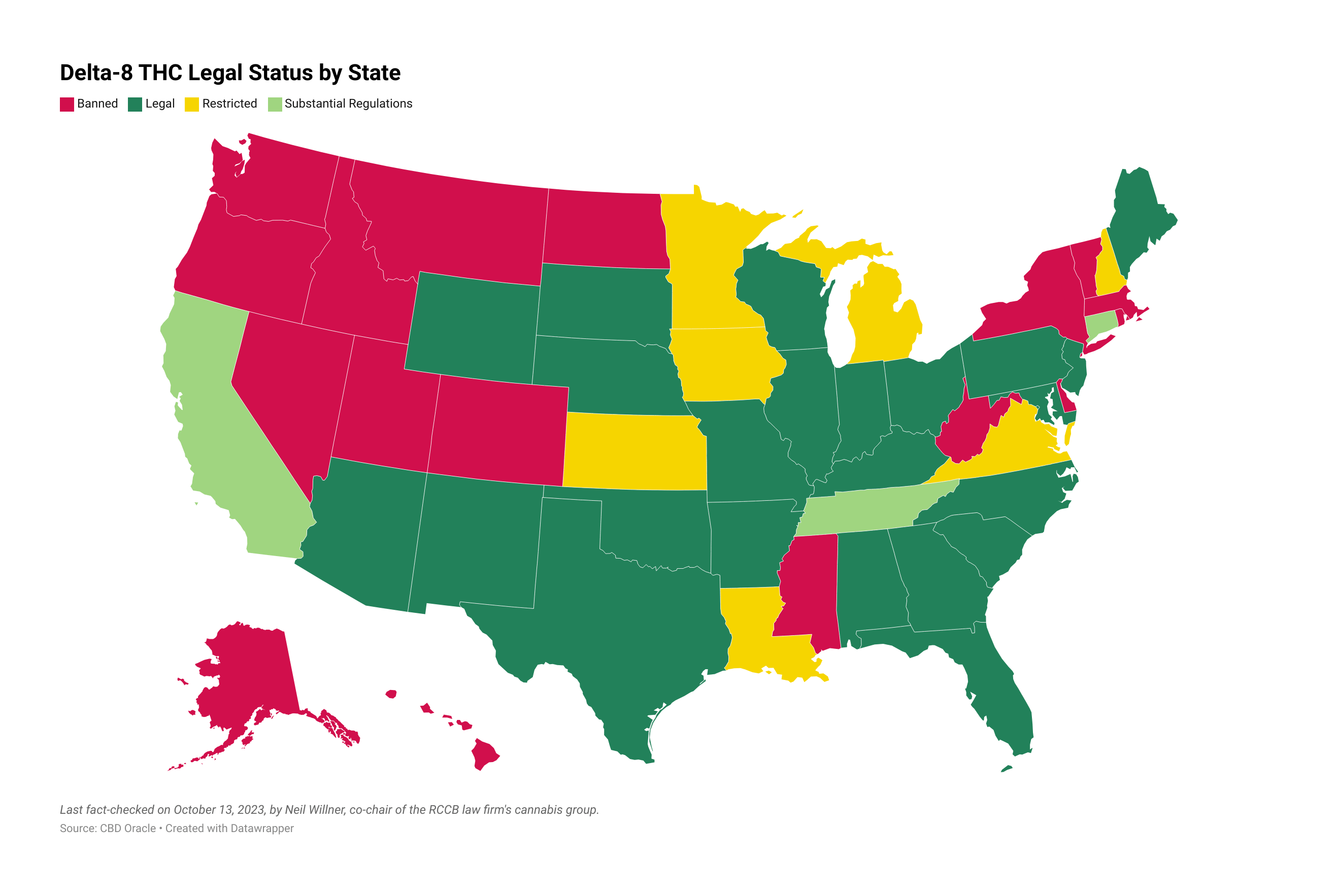
The emergence of Delta-8 THC as a widely available cannabinoid has been a significant development in the broader cannabis market. Unlike its more well-known cousin, Delta-9 THC, Delta-8 THC is found in much lower concentrations in the cannabis plant. Its rise in popularity is largely due to its ability to be legally produced from hemp, a distinction that has created a complex regulatory environment across the United States. Texas, with its generally conservative stance on cannabis, has navigated this new territory with a series of legislative actions and interpretations that have shaped the current legal framework.
The Legal Basis: From Hemp to Delta-8 THC
The legality of Delta-8 THC in Texas is intrinsically linked to the 2018 Farm Bill, a landmark piece of federal legislation that legalized hemp production nationwide. The bill defined hemp as any cannabis plant containing less than 0.3% Delta-9 THC on a dry weight basis. This distinction was pivotal, as it separated hemp from marijuana, which is federally illegal and, at the time, largely illegal in Texas.
Following the 2018 Farm Bill, a burgeoning industry emerged, extracting or synthesizing cannabinoids from hemp. Delta-8 THC, being a naturally occurring compound in hemp, quickly became a popular product. Manufacturers began to create a wide array of Delta-8 THC products, including edibles, tinctures, vapes, and more, often marketing them as legal alternatives to Delta-9 THC.
Texas’s Initial Stance and the 2021 Legislative Session
Texas’s initial response to the proliferation of Delta-8 THC products was somewhat ambiguous. For a period, products derived from hemp and containing less than 0.3% Delta-9 THC were largely unregulated, leading to widespread availability. However, this changed significantly during the 2021 Texas legislative session.
House Bill 1119 was a key piece of legislation that aimed to clarify the state’s stance on hemp and its derivatives. While the bill did not explicitly ban Delta-8 THC, it did redefine the state’s definition of hemp to align more closely with the 2018 Farm Bill. Crucially, the bill also introduced stricter regulations on the production and sale of intoxicating hemp-derived cannabinoids.
The Texas Department of State Health Services (DSHS) played a significant role in interpreting and enforcing these new regulations. In 2021, the DSHS issued a statement that declared Delta-8 THC a Schedule I controlled substance, effectively classifying it as illegal. This declaration, however, was met with considerable backlash and legal challenges from the burgeoning Delta-8 industry and consumer groups.
The Court Battles and the Current Status
The DSHS’s classification of Delta-8 THC as illegal was quickly contested. Lawsuits were filed, arguing that the DSHS overstepped its authority and that the agency’s interpretation contradicted the intent of the 2018 Farm Bill and subsequent Texas legislation. These legal battles created a period of uncertainty for Delta-8 THC businesses and consumers in Texas.
In a significant development, a Texas court ruled in favor of the Delta-8 industry, temporarily blocking the DSHS’s ban. This ruling meant that, at least for a time, Delta-8 THC products remained legal to possess and sell in Texas, provided they met the hemp-derived criteria of less than 0.3% Delta-9 THC.
As of 2024, the legal landscape for Delta-8 THC in Texas is still in flux, but the current standing is that it remains legal. The court’s decision effectively halted the state’s attempt to ban the substance outright. However, this doesn’t mean the market is entirely without regulation. The Texas Department of Agriculture (TDA) oversees the state’s hemp program, and there are ongoing discussions and potential for future legislative action to further define and regulate the production, distribution, and sale of Delta-8 THC and other intoxicating hemp derivatives.
What Travelers Need to Know About Delta-8 in Texas
For those planning a trip to Texas in 2024, understanding the legal status of Delta-8 THC is important, especially if you intend to purchase or consume these products. While currently legal, it’s essential to be informed and exercise caution.
Purchasing Delta-8 Products

If you choose to purchase Delta-8 THC products in Texas, it’s advisable to buy from reputable dispensaries or retailers that specialize in hemp-derived products. These establishments are more likely to adhere to quality control standards and provide accurate labeling. Look for products that clearly indicate their hemp origin and the concentration of Delta-8 THC and Delta-9 THC. Many legitimate retailers will also provide third-party lab reports (Certificates of Analysis or COAs) that verify the cannabinoid content and ensure the absence of harmful contaminants.
When you visit a new city like Houston or San Antonio, you might find various shops selling these products. Always prioritize businesses that demonstrate transparency and a commitment to product safety.
Consumption and Travel
While Delta-8 THC is legal in Texas, it’s crucial to be aware of any local ordinances or specific establishment policies regarding its use. For instance, while you might be able to legally possess it, smoking or vaping in public places might still be prohibited under general nuisance laws, similar to tobacco or marijuana. Always be discreet and respectful of local laws and customs.
If you are traveling to Texas from another state, be mindful of the laws in your home state regarding Delta-8 THC. Even if it’s legal in Texas, it might not be legal where you are traveling from, and carrying it across state lines could lead to legal complications.
The Evolving Landscape
The legal status of Delta-8 THC is a dynamic issue. While it is currently legal in Texas for 2024, legislative and regulatory bodies continue to monitor the market. Future sessions could introduce new rules or restrictions. Therefore, staying informed about any updates from official Texas state agencies or reputable news sources is advisable. This is particularly important if you are a frequent visitor or a business owner in the state.
Understanding Delta-8 THC: A Brief Overview
For those unfamiliar with it, Delta-8 THC is a psychoactive cannabinoid found in the cannabis plant. It is an isomer of Delta-9 THC, meaning it has a similar chemical structure but differs in the placement of a double bond. This subtle difference results in a less potent psychoactive effect compared to Delta-9 THC, often described as a milder, more clear-headed high.
Production Methods
Delta-8 THC can be naturally present in hemp and marijuana, but in very small quantities. The Delta-8 THC that is commonly found in products today is typically synthesized from CBD (cannabidiol), which is abundant in hemp. This chemical conversion process is what allows for the widespread availability of Delta-8 THC products, as CBD can be legally sourced from hemp.
Potential Effects and Considerations
Users report a range of effects from Delta-8 THC, including relaxation, mild euphoria, and improved focus. However, like all cannabinoids, individual experiences can vary. Some users may experience anxiety or paranoia, especially at higher doses. It’s always recommended to start with a low dose and gradually increase as needed to gauge your personal tolerance.
When considering the use of Delta-8 THC, especially if you have any underlying health conditions or are taking medications, it’s always best to consult with a healthcare professional.
Conclusion: Navigating Texas’s Delta-8 Landscape in 2024
As of 2024, Delta-8 THC remains legal in Texas, primarily due to court rulings that have temporarily blocked state attempts to ban it. This legality stems from the 2018 Farm Bill, which legalized hemp and its derivatives containing less than 0.3% Delta-9 THC. While the current legal status offers clarity for consumers and businesses, the landscape is subject to ongoing developments.
For travelers planning to visit the diverse attractions and vibrant cities of Texas, from the historical sites of San Antonio to the natural beauty of Big Bend National Park, understanding the legal nuances of Delta-8 THC is important. Purchasing from reputable sources and being mindful of consumption in public spaces are key to a compliant and enjoyable experience. As the regulations continue to evolve, staying informed will be crucial for anyone interacting with the Delta-8 THC market in the Lone Star State. Texas continues to offer a wealth of experiences, from exploring world-class museums in Fort Worth to enjoying the culinary scene in Austin, and with careful consideration, visitors can navigate its unique legal framework.
LifeOutOfTheBox is a participant in the Amazon Services LLC Associates Program, an affiliate advertising program designed to provide a means for sites to earn advertising fees by advertising and linking to Amazon.com. Amazon, the Amazon logo, AmazonSupply, and the AmazonSupply logo are trademarks of Amazon.com, Inc. or its affiliates. As an Amazon Associate we earn affiliate commissions from qualifying purchases.