
For travelers and residents alike, understanding the legal landscape of cannabis products, particularly Delta 9 THC, in Texas can be a complex endeavor. The Lone Star State, renowned for its vibrant culture, expansive landscapes, and diverse attractions, also presents a unique legal framework when it comes to hemp-derived cannabinoids. As you plan your next trip to Austin’s live music scene, explore the historic sites of San Antonio, delve into the museums of Houston, or experience the metropolitan allure of Dallas, it’s crucial to be informed about what’s permissible and what’s not. This article aims to demystify the legality of Delta 9 THC in Texas, providing clarity for tourists seeking to responsibly explore the state and locals navigating their everyday lifestyle choices. We’ll delve into the federal and state regulations, explain the key distinctions between different cannabis products, and offer practical advice for those looking to understand the availability and consumption of legal Delta 9 THC within the state. From understanding product sourcing to navigating accommodation policies, our guide will ensure you’re well-equipped with the knowledge needed for a worry-free Texas experience.
Navigating the Legal Landscape: The Farm Bill and Texas Law
The question of Delta 9 THC’s legality in Texas isn’t straightforward; it hinges on a critical distinction made at both federal and state levels regarding the source and concentration of the cannabinoid. This distinction separates hemp from marijuana, and consequently, dictates the legality of Delta 9 THC products. Understanding this legal framework is paramount for anyone considering the purchase or consumption of these products within the state.
The Federal Framework: The 2018 Farm Bill
The journey to understanding Delta 9 THC legality in Texas begins with the federal Agriculture Improvement Act of 2018, more commonly known as the 2018 Farm Bill. This landmark legislation fundamentally changed the legal status of hemp in the United States. Prior to the 2018 Farm Bill, all cannabis varieties, including hemp, were classified as Schedule I controlled substances. The 2018 Farm Bill removed hemp from the list of controlled substances, federally legalizing its cultivation, processing, and sale. The crucial definition provided by the bill states that hemp is “the plant Cannabis sativa L. and any part of that plant, including the seeds thereof and all derivatives, extracts, cannabinoids, isomers, acids, salts, and salts of isomers, whether growing or not, with a Delta 9 THC concentration of not more than 0.3 percent on a dry weight basis.” This 0.3% threshold for Delta 9 THC concentration is the linchpin of its legality. Any cannabis plant or product exceeding this limit is classified as marijuana and remains federally illegal, subject to strict regulations. This federal distinction paved the way for states like Texas to establish their own specific hemp programs and regulations.
Texas House Bill 1325: State-Specific Regulations
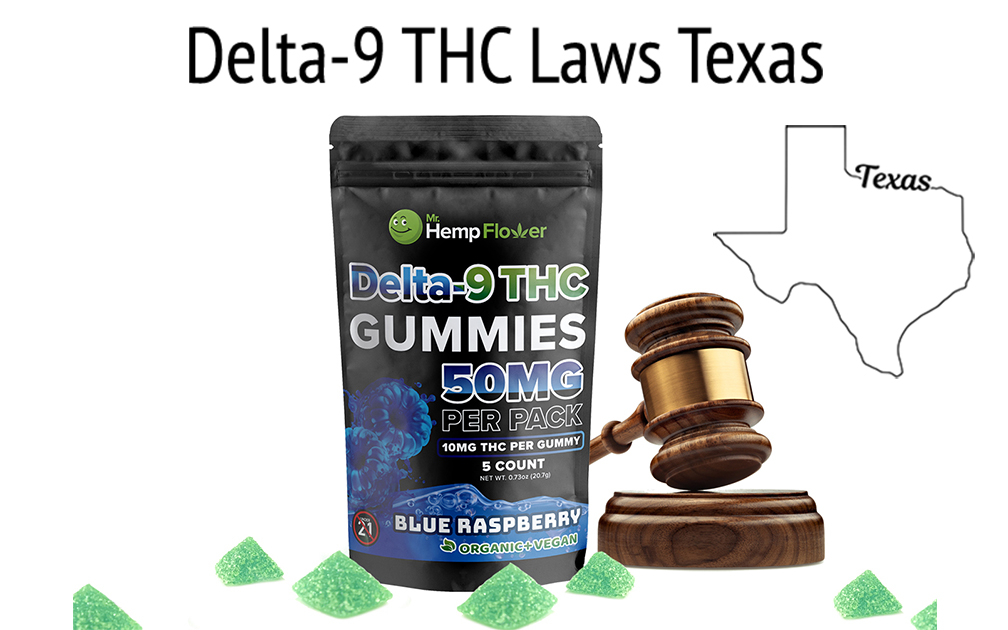
Following the federal guidance, Texas enacted its own legislation, House Bill 1325, in 2019. This bill officially legalized the cultivation, processing, and sale of hemp in Texas, aligning state law with the federal Farm Bill. Crucially, House Bill 1325 mirrors the federal definition of hemp, explicitly stating that hemp-derived products containing less than 0.3% Delta 9 THC by dry weight are legal. This means that while marijuana-derived Delta 9 THC (which typically contains much higher concentrations) remains illegal in Texas for recreational use, hemp-derived products with the specified low Delta 9 THC content are not. This includes a wide array of products that have since proliferated across the state, from CBD oils to edibles, provided they adhere to the strict 0.3% Delta 9 THC limit. For travelers exploring the unique offerings of Texas, or residents seeking alternative wellness and lifestyle products, this legal clarity is vital, but it also underscores the importance of verifying product compliance. The legislation empowers the Texas Department of Agriculture to regulate hemp production and the Texas Department of State Health Services to regulate the retail sale of consumable hemp products.

What Does This Mean for Travelers and Locals in Texas?
The legal framework established by the 2018 Farm Bill and Texas House Bill 1325 has significant implications for both visitors and permanent residents. It has opened up a new market for hemp-derived Delta 9 THC products, leading to their widespread availability. However, understanding the nuances of these products, where to find them, and how to consume them responsibly is crucial to staying within the bounds of the law and ensuring a safe experience.
Understanding Delta 9 THC Products: Edibles, Vapes, and Tinctures
When we talk about legal Delta 9 THC in Texas, we are specifically referring to products derived from hemp that maintain a Delta 9 THC concentration below the 0.3% dry weight threshold. These products come in various forms, each offering a different consumption experience. Edibles are perhaps the most popular, often found as gummies, chocolates, or beverages. They typically deliver effects more slowly but last longer. The key with edibles is that even if the total product weight is substantial, the concentration of Delta 9 THC within it must remain under 0.3%. For example, a 5-gram gummy containing 10mg of Delta 9 THC would be legal because 10mg is 0.2% of 5000mg. Vape cartridges and disposables containing hemp-derived Delta 9 THC are also available, offering a quicker onset of effects. Lastly, tinctures are liquid extracts typically taken sublingually, allowing for precise dosing and relatively fast absorption. Regardless of the form, consumers should always check the product’s Certificate of Analysis (COA), usually accessible via a QR code on the packaging, to verify its cannabinoid content and ensure it complies with Texas law. This transparency is vital for consumer safety and legal compliance.
Where to Find Legal Hemp-Derived Delta 9 THC
The market for legal hemp-derived Delta 9 THC products in Texas has flourished since the passage of House Bill 1325. Travelers and locals can find these products in a variety of retail environments. Specialty CBD and hemp shops are prevalent in major cities like Austin, Dallas, Houston, and San Antonio, offering knowledgeable staff and a wide selection. Many smoke shops and convenience stores have also started stocking these items, particularly edibles. For convenience, online retailers that ship to Texas are also a popular option, often providing a broader inventory and detailed product information. When purchasing, it’s crucial to buy from reputable vendors who transparently display their products’ lab testing results (COA). This ensures that the products are accurately labeled for their Delta 9 THC content and are free from harmful contaminants. Always prioritize quality and verified compliance to avoid legal issues or health risks.
Important Considerations for Consumption and Possession
While hemp-derived Delta 9 THC is legal in Texas under the 0.3% dry weight limit, responsible consumption and awareness of local norms are essential. First and foremost, the legal age for purchasing these products in Texas is 21, mirroring alcohol and tobacco regulations. It is illegal to possess or consume these products if you are underage. Secondly, while state law permits possession, public consumption might still be viewed differently. Many local ordinances discourage or prohibit the consumption of cannabis products in public spaces. Therefore, it’s advisable to consume products discreetly and in private settings, especially when visiting public attractions such as Zilker Park in Austin or the San Antonio Riverwalk. Driving under the influence of any intoxicating substance, including Delta 9 THC, is strictly illegal and carries severe penalties. Even if the product is legal, impairment behind the wheel is not. Lastly, always be mindful of carrying products that could be confused with illegal marijuana. Keeping products in their original, clearly labeled packaging helps avoid misunderstandings with law enforcement. Understanding these guidelines ensures a respectful and lawful experience for everyone enjoying Texas.
Incorporating Hemp-Derived Delta 9 THC into Your Texas Lifestyle and Travel Experience
For many, the availability of legal hemp-derived Delta 9 THC products offers a new dimension to their travel and lifestyle choices. Whether seeking relaxation after a day of exploring Texas’s bustling cities or simply integrating it into a wellness routine, understanding how these products fit into various aspects of your stay is important. This section explores how to thoughtfully incorporate these products while respecting local culture and ensuring a comfortable experience, especially concerning accommodation and responsible tourism.
Exploring Texas Destinations with New Perspectives
Texas is a state of vast diversity, from the live music capital of Austin to the historic charm of San Antonio and the urban sophistication of Dallas and Houston. For some, the mild effects of legal hemp-derived Delta 9 THC can enhance sensory experiences or simply provide a sense of calm and relaxation, making certain activities more enjoyable. Imagine unwinding with a legal edible after a long day of sightseeing, perhaps enjoying the sunset over Lady Bird Lake in Austin or reflecting on the history witnessed at The Alamo. Others might find it useful for managing travel-related anxieties or simply winding down before bed in their hotel room. When visiting iconic landmarks like the Space Center Houston or the Fort Worth Stockyards, remember that public consumption is generally frowned upon or explicitly prohibited. The goal is to integrate these products discreetly and respectfully, allowing them to complement your travel narrative rather than overshadowing it or causing any legal complications. Always prioritize your safety and the enjoyment of those around you.
Hotel Stays and Accommodation: What You Should Know
When planning your accommodation in Texas, whether it’s a luxury resort, a boutique hotel in Dallas, or a charming Airbnb in the Texas Hill Country, it’s crucial to understand the policies regarding cannabis product consumption. Even though hemp-derived Delta 9 THC is legal in the state, private establishments are within their rights to prohibit its use on their premises. Most hotels and resorts have strict no-smoking policies, which often extend to vaping. While edibles or tinctures might be less conspicuous, it is always best practice to check directly with your specific accommodation provider about their policies regarding hemp-derived products. Many high-end hotels like the Omni Dallas Hotel or the JW Marriott San Antonio Hill Country Resort & Spa will have clear guidelines. Violating these rules could lead to fines, eviction, or other undesirable consequences, disrupting your travel plans. Respecting the property’s regulations ensures a smooth and pleasant stay for both you and other guests.
Responsible Tourism and Conscious Consumption
Engaging in responsible tourism means being mindful of your actions and their impact on the local community and environment. When it comes to consuming legal hemp-derived Delta 9 THC in Texas, this translates to several key practices. Firstly, always consume products in moderation and be aware of your personal tolerance levels. Especially with edibles, the effects can take time to manifest, so “start low and go slow.” Secondly, never operate a vehicle or machinery while under the influence. Public safety is paramount, and impairment is illegal regardless of the substance’s legal status. Thirdly, dispose of packaging and waste properly, contributing to the cleanliness and preservation of Texas’s beautiful natural sites, from Big Bend National Park to the coastal areas near Galveston. Finally, be respectful of local customs and the diverse perspectives of Texans. While the products are legal, not everyone may be comfortable with their use, particularly in public settings. Conscious consumption is about enjoying your legal choices responsibly, enhancing your personal experience without detracting from the experience of others or infringing upon community standards.
The Future of Delta 9 THC in Texas
The legal status of Delta 9 THC in Texas is a dynamic landscape, constantly influenced by scientific advancements, shifts in public opinion, and ongoing legislative debates. While the current framework provides clear guidelines for hemp-derived products, the broader conversation around cannabis legalization continues to evolve, promising potential changes for both residents and visitors in the years to come.
Potential Legislative Changes and Evolving Markets
The hemp and cannabis industry is relatively nascent, and legislative adjustments are to be expected. In Texas, there have been ongoing discussions and attempts to further decriminalize marijuana or expand the state’s medical cannabis program, which currently has very strict qualifying conditions. Any changes to the state’s stance on marijuana could impact the perception and regulation of hemp-derived Delta 9 THC products. For instance, if Texas were to eventually legalize recreational marijuana, the distinction between hemp-derived and marijuana-derived Delta 9 THC might become less critical, or new regulations might emerge to govern the entire cannabis market. Furthermore, the market for cannabinoids is always innovating, with new compounds and product formulations regularly appearing. Regulators often play catch-up, leading to potential future legislation to clarify the legality of emerging cannabinoids or to refine the existing hemp laws. Businesses and consumers alike should remain vigilant about legislative sessions in Austin and any proposed bills that could alter the current legal framework.
Staying Informed: Resources for Travelers and Residents
Given the evolving nature of cannabis laws, staying informed is paramount. For travelers, before embarking on a trip to Texas, it’s always advisable to conduct a quick check for any recent legislative updates that might affect hemp or cannabis products. Reliable sources include the official websites of the Texas Department of State Health Services, which regulates consumable hemp products, and the Texas Department of Agriculture, which oversees hemp cultivation. For residents, following local news outlets in cities like Houston or San Antonio, and advocacy groups focused on cannabis reform, can provide insights into impending changes. Educational resources from reputable industry associations can also offer valuable information on product safety and legal compliance. By proactively seeking out current and accurate information, both travelers and Texans can confidently navigate the legal landscape of Delta 9 THC and ensure their choices align with state regulations, contributing to a safe and enjoyable experience within the state.
In conclusion, the answer to “Is Delta 9 THC legal in Texas?” is a qualified yes, provided it is hemp-derived and contains no more than 0.3% Delta 9 THC on a dry weight basis, as per the 2018 Farm Bill and Texas House Bill 1325. This legal distinction has opened up a burgeoning market for various products, from edibles to vapes, available to those aged 21 and over. For travelers exploring the diverse attractions of Texas, from the vibrant streets of Austin to the historical depth of San Antonio, understanding these regulations is crucial for a smooth journey. Always prioritize purchasing from reputable sources that provide Certificates of Analysis, consume responsibly and discreetly, especially in public spaces, and respect the policies of your chosen accommodation provider. As the legal landscape continues to evolve, staying informed through official state resources will ensure you remain compliant and can fully enjoy all that the great state of Texas has to offer, safely and within the bounds of the law.
LifeOutOfTheBox is a participant in the Amazon Services LLC Associates Program, an affiliate advertising program designed to provide a means for sites to earn advertising fees by advertising and linking to Amazon.com. Amazon, the Amazon logo, AmazonSupply, and the AmazonSupply logo are trademarks of Amazon.com, Inc. or its affiliates. As an Amazon Associate we earn affiliate commissions from qualifying purchases.