
The Allure of the Mile High City: An Introduction to Denver Living
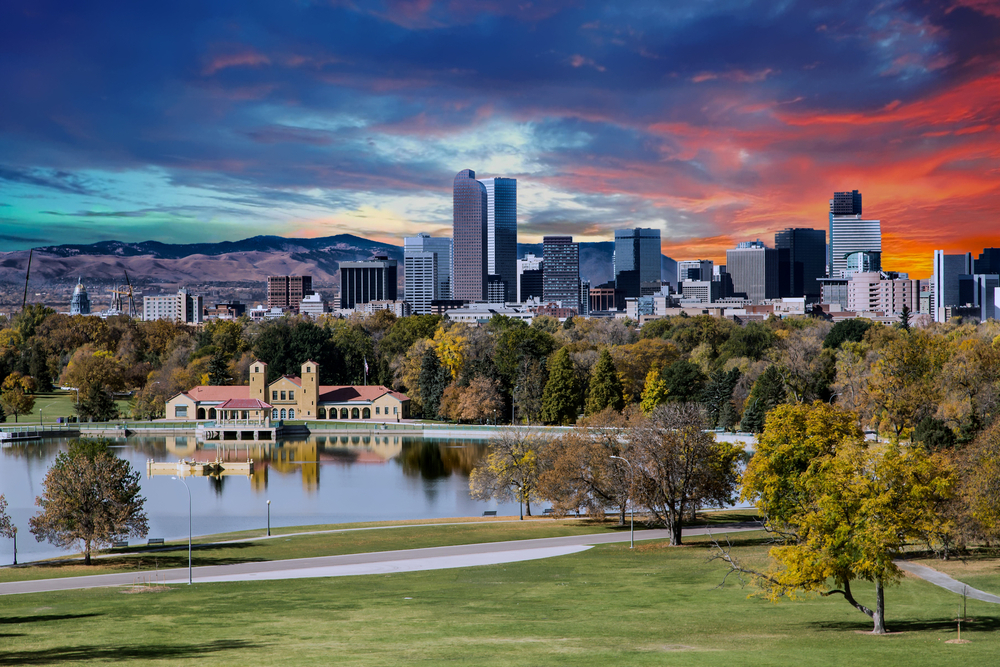
Denver, Colorado, affectionately known as the Mile High City, has rapidly ascended as one of the most desirable places to live in the United States. Nestled at the eastern foot of the majestic Rocky Mountains, Denver offers a unique blend of urban sophistication and unparalleled access to nature. For many, the idea of residing in a city that promises over 300 days of sunshine a year, a robust economy, and an endless playground for outdoor enthusiasts is incredibly appealing. However, determining if Denver is truly a “good place to live” requires a deeper dive into various aspects of daily life, from economic realities to cultural vibrancy and community spirit. This exploration will provide a comprehensive perspective for anyone considering making this dynamic Colorado metropolis their home. The city’s growth trajectory over the past decade has transformed its landscape, bringing with it both exciting opportunities and notable challenges that prospective residents must consider. Understanding these multifaceted elements is crucial to assessing whether the Mile High City aligns with individual lifestyle aspirations and practical needs. From its thriving arts scene to its diverse culinary landscape, Denver presents a lifestyle that champions an active, engaged, and progressive way of life, drawing in a continuous stream of new residents seeking adventure, career opportunities, and a strong sense of community.
Cost of Living in Denver: Weighing the Economic Factors
The economic landscape of Denver is a critical factor for anyone contemplating a move. While the city boasts a strong job market, the cost of living, particularly housing, significantly impacts affordability and overall quality of life.
Housing Market Dynamics
Denver’s housing market has experienced explosive growth, making it one of the most competitive in the nation. Both home prices and rental rates have seen substantial increases over the past decade, driven by high demand and limited inventory. As of recent data, the median home price in Denver can be significantly above the national average, often exceeding half a million dollars for a single-family home. Rent for a one-bedroom apartment in desirable areas such as Highlands, Cherry Creek, or Capitol Hill can easily range from $1,600 to over $2,500 per month, depending on size, amenities, and proximity to downtown. Even more suburban areas surrounding the core city have seen prices climb steadily. This competitive market means that prospective buyers and renters must be prepared for a fast-paced environment and often higher budgets than they might encounter in other parts of the United States. While there are more affordable options in further outlying suburbs or less central neighborhoods, the premium for convenience and highly-sought-after locales remains a significant consideration. The ongoing development of new apartment complexes and mixed-use communities attempts to address some of the supply issues, but demand continues to outstrip availability in many segments.
General Expenses and Taxes
Beyond housing, other living expenses in Denver are generally in line with or slightly above national averages. Groceries, utilities, and transportation costs are moderate, though certainly not inexpensive. Colorado has a flat state income tax rate, which is relatively low compared to some other states. The sales tax in Denver is higher than the state average due to various local taxes, adding to the cost of goods and services. Vehicle registration fees can also be notably high. On the upside, energy costs can be manageable, especially with the abundant sunshine contributing to solar energy adoption and fewer extreme heating demands compared to colder northern climates. Healthcare costs, like many places, are a significant variable depending on insurance coverage and individual needs. Overall, while not as expensive as major coastal cities like New York or San Francisco, Denver’s cost of living requires a solid financial plan, particularly for housing.
Job Market and Economic Outlook
Denver’s economy is robust and diversified, offering ample job opportunities across various sectors. Key industries driving the city’s growth include technology, aerospace, healthcare, energy, and the burgeoning cannabis industry. Major companies and startups alike have established a significant presence here, contributing to a healthy job market and competitive salaries in certain fields. The city is also a hub for government and military installations. The unemployment rate often hovers below the national average, reflecting a dynamic and expanding economy. The presence of numerous higher education institutions, such as the University of Denver and the University of Colorado Denver, also feeds a steady stream of talent into the workforce, fostering innovation and a vibrant professional environment. While salaries for many professions are competitive, they often need to be weighed against the higher cost of living to determine true disposable income and economic comfort.
Lifestyle and Quality of Life: Beyond the Numbers
Beyond the financial considerations, Denver truly shines in the lifestyle it offers, catering to a wide array of interests and fostering a high quality of life for its residents.
Outdoor Recreation Paradise
One of the most compelling reasons people move to Denver is its unparalleled access to outdoor recreation. The majestic Rocky Mountains serve as a breathtaking backdrop and an endless playground for adventurers. Residents can easily access world-class skiing and snowboarding resorts like Vail and Breckenridge within a few hours’ drive. Hiking, mountain biking, rock climbing, and trail running opportunities are abundant year-round in nearby state parks and national forests, including the iconic Red Rocks Park and Amphitheatre. Even within the city limits, Denver boasts an extensive network of parks and green spaces, such as City Park, home to the Denver Zoo and Denver Museum of Nature & Science, and Washington Park, offering lakes, jogging paths, and sports facilities. This ingrained outdoor culture contributes to a health-conscious and active community.
Vibrant Culture and Arts Scene
Denver is far from just an outdoor haven; it boasts a thriving cultural and arts scene. The city is home to the Denver Art Museum, with its distinctive architecture and impressive collection, and the expansive Denver Performing Arts Complex, which hosts Broadway shows, opera, ballet, and symphony performances. Live music venues, from intimate clubs to major arenas like Ball Arena, cater to all tastes. The city’s culinary landscape is equally diverse, with an explosion of farm-to-table restaurants, ethnic eateries, and an internationally recognized craft brewery scene that makes Denver a true destination for foodies and beer aficionados alike. Numerous festivals and community events occur throughout the year, celebrating everything from local art and music to craft beer and food, ensuring there’s always something engaging happening.
Education and Healthcare
For families, Denver offers a range of educational options, from highly-rated public schools within the Denver Public Schools system to numerous private and charter schools. Higher education opportunities are abundant, with institutions like the University of Denver, the University of Colorado Denver, and nearby Colorado State University providing diverse academic programs and research opportunities. In terms of healthcare, Denver is home to several highly-regarded hospitals and medical centers, including the University of Colorado Hospital and Rose Medical Center, offering access to excellent medical care and specialized services. The region is a hub for medical innovation and research, providing a robust healthcare infrastructure.
Community and Social Environment
Denver’s community is often described as friendly, active, and progressive. The city attracts a diverse population, including many young professionals and families, contributing to a vibrant and energetic social environment. There’s a strong sense of community, particularly within individual neighborhoods, each boasting its unique character, local shops, and community events. Volunteerism is also quite prevalent, reflecting a civic-minded population. The overall vibe is one of health-consciousness, outdoor enthusiasm, and a forward-thinking approach to urban living, making it easy for newcomers to find like-minded individuals and integrate into various social circles.
Navigating Denver: Transportation and Urban Amenities
Effective transportation and well-developed urban amenities are crucial for day-to-day living and contribute significantly to a city’s livability.
Public Transportation and Commuting
Denver’s public transportation system, managed by the Regional Transportation District (RTD), includes an extensive network of buses and light rail lines. The light rail effectively connects downtown Denver with various suburbs and key destinations, including the airport. While RTD offers a viable alternative to driving for many commuters, traffic congestion, particularly on major highways like I-25 and I-70 during peak hours, remains a significant challenge. For those who prefer active commuting, many Denver neighborhoods are highly walkable and bike-friendly, with numerous dedicated bike lanes and trails throughout the city. However, relying solely on public transport or active commuting can be difficult for those living in more distant suburbs or working in areas not well-served by light rail.
Airport Access and Connectivity
Denver International Airport (DIA) is one of the busiest airports in the world and a major hub for domestic and international travel. Its strategic central location in the United States makes it incredibly convenient for residents, offering direct flights to countless destinations. The direct light rail connection from downtown to DIA is a significant amenity, providing efficient and stress-free access for travelers. This excellent connectivity is a major draw for professionals who travel frequently and for anyone who values ease of access for personal trips.
Urban Planning and Development
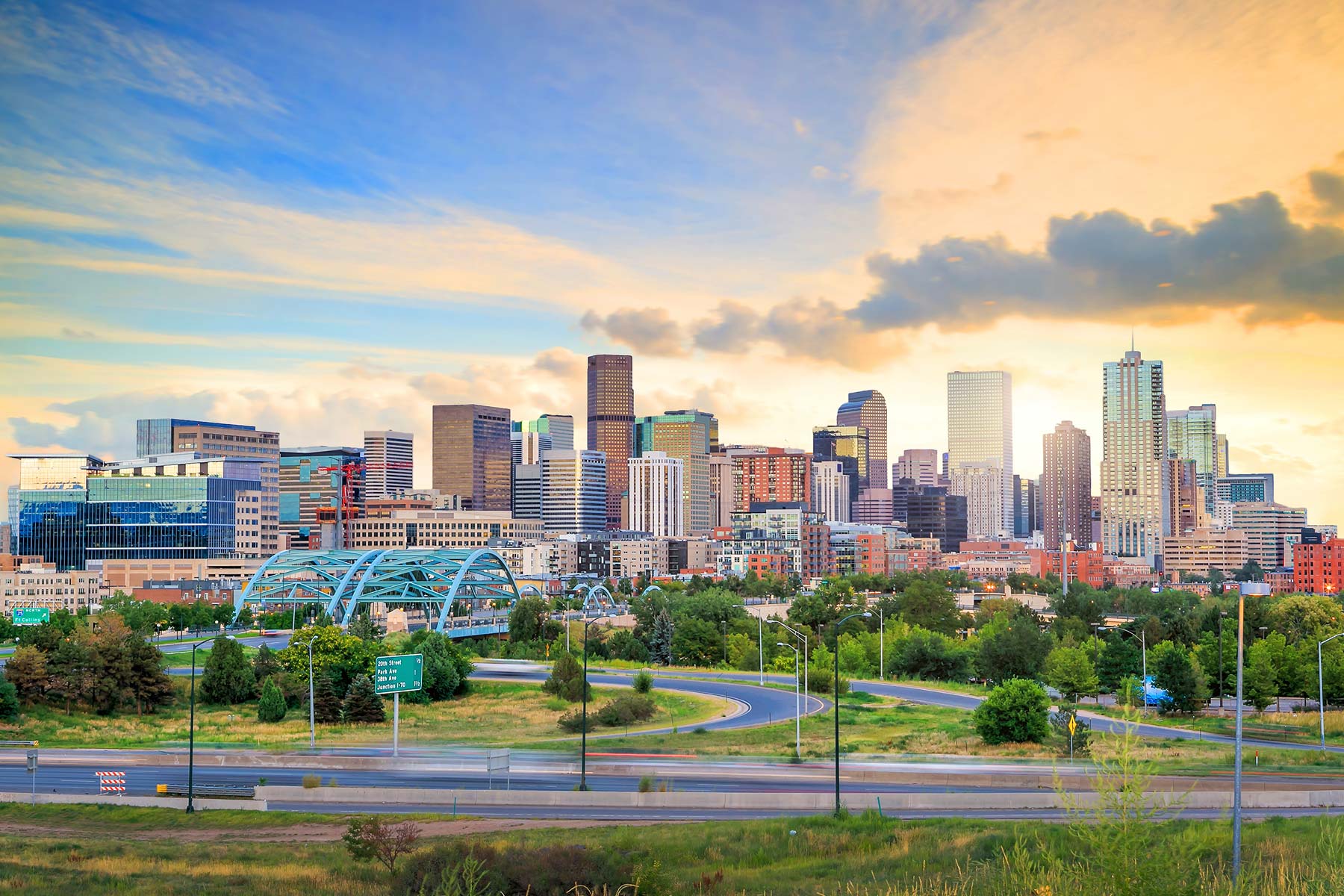
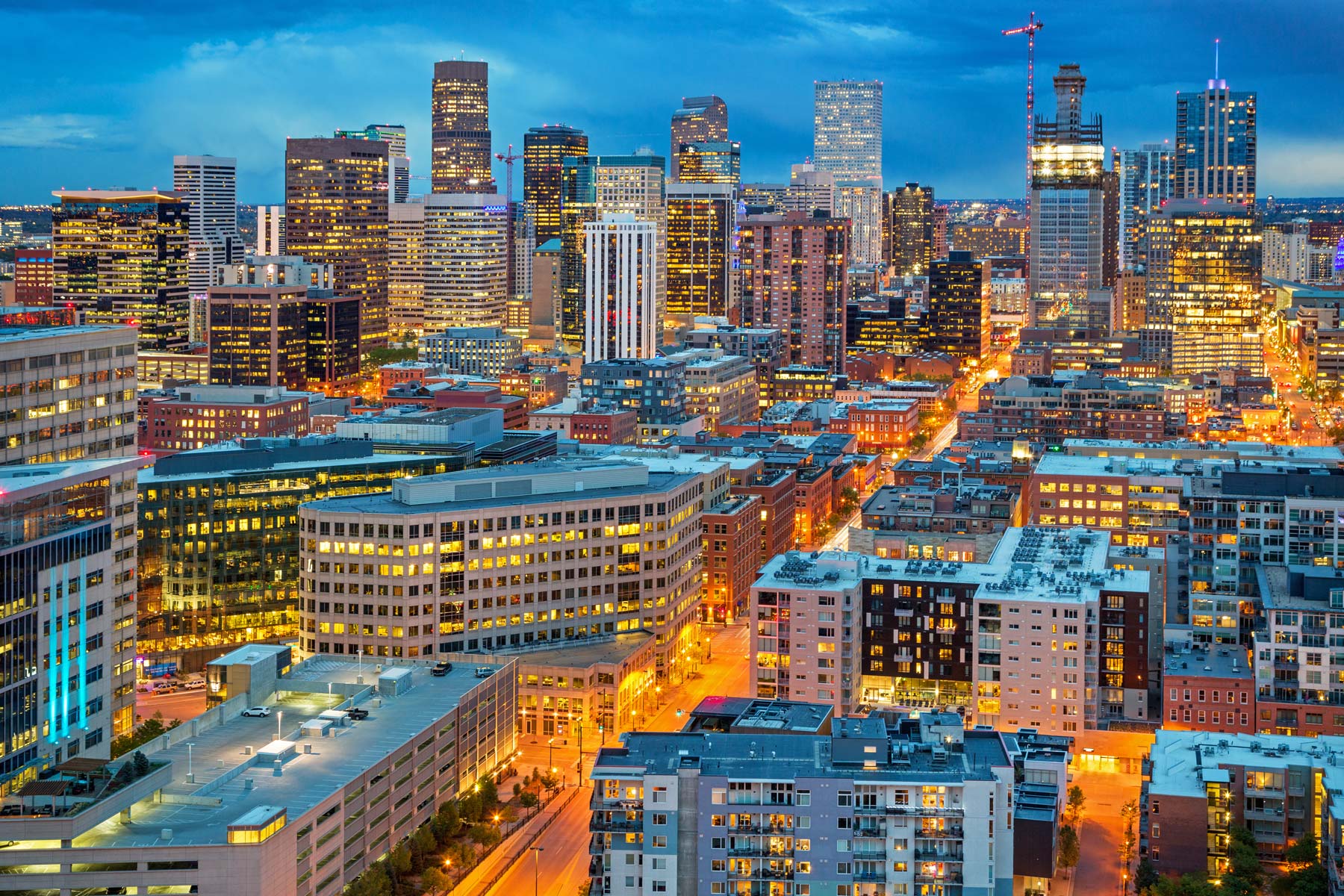
Denver is a city in constant evolution, with ongoing urban planning and development projects reshaping its skyline and infrastructure. From revitalized historic districts like LoDo (Lower Downtown) to new mixed-use developments, the city is committed to growth and modernization. This development brings new housing, businesses, and amenities but also presents challenges such as managing increased traffic, preserving historic character, and ensuring equitable development for all residents. The city actively engages in sustainability initiatives and smart growth strategies to balance progress with environmental responsibility and community well-being.
The Pros and Cons: A Balanced Perspective on Denver Living
Ultimately, whether Denver, Colorado is a “good place to live” depends on individual priorities and circumstances. A balanced perspective requires acknowledging both its considerable advantages and its notable drawbacks.
Advantages of Living in Denver
The primary draws for residents include the unparalleled outdoor lifestyle, with immediate access to the Rocky Mountains for hiking, skiing, and other adventures. The strong and diversified job market, particularly in tech and healthcare, offers ample professional opportunities. Denver’s vibrant cultural scene, encompassing museums, performing arts, live music, and a renowned culinary and craft beer landscape, provides endless entertainment. The city also boasts over 300 days of sunshine annually, contributing to a generally pleasant climate and an active, health-conscious community. Excellent airport connectivity via Denver International Airport (DIA) is a significant plus for travel.
Challenges of Living in Denver
The most significant challenge is undoubtedly the high cost of living, particularly housing, which can be a barrier for many. The rapid population growth, while a sign of a thriving city, also leads to increased traffic congestion, crowded public spaces, and strains on infrastructure. New residents often need to adjust to Denver’s mile-high altitude, which can cause temporary discomfort. While generally sunny, the weather can also present extremes, with hot summers and snowy winters that sometimes bring blizzards, alongside sudden shifts in temperature. The intense competition for housing and the speed of urban development can also contribute to a sense of displacement for long-time residents and challenges for newcomers to establish themselves.
Who is Denver For?
Denver is an excellent fit for young professionals seeking career growth in burgeoning industries, outdoor enthusiasts who crave immediate access to nature, and families looking for a vibrant, active community with good schools and healthcare. It appeals to individuals who value a healthy, active lifestyle and appreciate a dynamic blend of urban amenities with natural beauty. Those who can comfortably manage the higher cost of living and embrace a fast-paced, growing city environment will likely thrive in Denver. For others, the economic hurdles and rapid changes might present significant obstacles. Ultimately, Denver offers a compelling lifestyle for those whose priorities align with its unique blend of Rocky Mountain adventure and metropolitan opportunity.
LifeOutOfTheBox is a participant in the Amazon Services LLC Associates Program, an affiliate advertising program designed to provide a means for sites to earn advertising fees by advertising and linking to Amazon.com. Amazon, the Amazon logo, AmazonSupply, and the AmazonSupply logo are trademarks of Amazon.com, Inc. or its affiliates. As an Amazon Associate we earn affiliate commissions from qualifying purchases.