
Yes, Detroit, Michigan is firmly situated within the Eastern Time Zone (ET), observing both Eastern Standard Time (EST) during the colder months and Eastern Daylight Time (EDT) when Daylight Saving Time is in effect. For travelers, residents, and businesses alike, understanding this fundamental aspect of the Motor City is crucial for seamless planning and efficient operations. This guide will delve into what the Eastern Time Zone entails for Detroit, how it impacts travel and tourism, and what to expect when experiencing this vibrant Midwestern hub.
The concept of standardized time zones in the United States dates back to the late 19th century, primarily driven by the needs of the burgeoning railroad industry. Before then, localities often kept their own “local time,” based on the sun’s position, leading to widespread confusion and scheduling nightmares for cross-country travel. The official adoption of time zones, formalized by the Standard Time Act of 1918, divided the contiguous US into four primary zones: Pacific, Mountain, Central, and Eastern. Detroit, like most of the Lower Peninsula of Michigan, was designated to the Eastern Time Zone, aligning it with major East Coast cities like New York City and Washington D.C. This decision has had lasting implications for Detroit’s economic ties, cultural rhythm, and connectivity with the broader Eastern US and even parts of Canada, particularly neighboring Windsor, Ontario, which also observes ET.

Navigating Time in the Motor City: A Traveler’s Perspective
For anyone planning a trip to Detroit, understanding its time zone is more than just a trivial detail; it’s a practical necessity that influences everything from flight arrivals to dinner reservations. The city’s position in the Eastern Time Zone puts it five hours behind Coordinated Universal Time (UTC-5) during EST and four hours behind (UTC-4) during EDT.
Understanding Eastern Standard Time (EST) and Eastern Daylight Time (EDT)
The biannual shift for Daylight Saving Time is a critical element of the Eastern Time Zone experience. Typically, on the second Sunday in March, clocks “spring forward” one hour, moving from EST to EDT. This provides an extra hour of daylight in the evenings, a welcome change for tourism and outdoor activities during Detroit’s vibrant spring and summer months. Conversely, on the first Sunday in November, clocks “fall back” one hour, returning to EST, signaling the approach of winter.
For travelers, this time shift warrants attention. Booking flights, coordinating meetings, or planning to catch a sporting event at Comerica Park or a concert at the historic Fox Theatre requires confirming the correct time of year. Arriving from the west, particularly the Central Time Zone or further, means gaining an hour, which can be a pleasant surprise for those looking to maximize their first day in Detroit. Conversely, departing west means “losing” an hour, so proper adjustment for connecting flights or appointments is vital. Many hotels, especially those catering to business travelers, are well-versed in advising guests about the time change, and modern smartphones automatically adjust, minimizing confusion for most.
Geographic Context: Michigan’s Time Zone Landscape
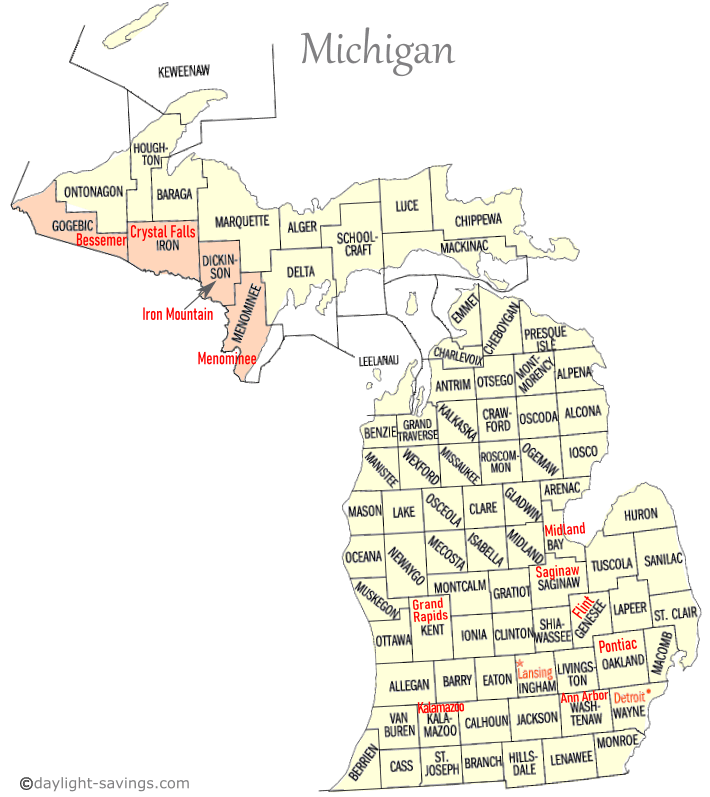
While Detroit is undeniably in the Eastern Time Zone, the state of Michigan itself presents a slight quirk. The vast majority of the state, including the entire Lower Peninsula where Detroit is located, observes ET. However, a small portion of the western Upper Peninsula, specifically the four counties bordering Wisconsin (Gogebic, Iron, Dickinson, and Menominee), follows the Central Time Zone. This geographical nuance typically doesn’t impact visitors to Detroit but is an interesting point for those planning extensive road trips across the state, perhaps venturing into Northern Michigan and then across the Mackinac Bridge to the Upper Peninsula.
For those traveling to Detroit from neighboring states like Ohio, Indiana, Pennsylvania, or New York, the transition is seamless as these states also observe the Eastern Time Zone. Travelers from Illinois, particularly Chicago, will need to adjust their clocks forward one hour, as Illinois is in the Central Time Zone. This consistent time zone with much of the Northeast facilitates business communication, logistical planning, and even synchronized entertainment broadcasts, cementing Detroit’s place within the larger East Coast cultural and economic sphere.
Unveiling Detroit: Beyond the Clock
While time zones provide the logistical framework, the true essence of Detroit lies in its rich history, resilient culture, and burgeoning tourism scene. As a hub for travel, accommodation, and diverse lifestyle experiences, Detroit offers something for every type of visitor.
Iconic Landmarks and Cultural Experiences
Detroit boasts an impressive array of landmarks and attractions that tell the story of American industry, music, and innovation. A visit to the Henry Ford Museum and Greenfield Village in nearby Dearborn is an immersive journey through American ingenuity, from presidential limousines to the bus where Rosa Parks made history. Music lovers cannot miss the Motown Museum (Hitsville USA), where the sounds of legendary artists like The Supremes and Marvin Gaye were born.

The city’s artistic pulse is evident at the Detroit Institute of Arts (DIA), home to an extensive collection of art, including Diego Rivera’s magnificent “Detroit Industry Murals.” For those interested in African American history, the Charles H. Wright Museum of African American History is a profound and essential stop. Architectural enthusiasts will marvel at downtown’s Art Deco masterpieces like the Fisher Building and the Guardian Building, contrasting sharply with the modern glass towers of the Renaissance Center, the iconic headquarters of General Motors and home to the Detroit Marriott at the Renaissance Center.
Outdoor attractions abound, too. Belle Isle Park, an island park designed by Frederick Law Olmsted (who also designed New York City’s Central Park), offers stunning views of the Detroit River and Windsor, Canada, along with an aquarium, conservatory, and nature center. The ever-evolving Detroit Riverwalk provides miles of scenic pathways for walking, biking, and enjoying the waterfront views of Lake Erie and Lake St. Clair.
Detroit’s culinary scene is as diverse as its population. Visitors can savor a classic Detroit-style coney dog, indulge in a square-cut deep-dish Detroit-style pizza, or explore the authentic flavors of Greektown, Mexicantown, and Corktown. The historic Eastern Market provides a vibrant experience, especially on market days, with local produce, artisanal goods, and unique food vendors.
Accommodation for Every Lifestyle
Whether you’re in Detroit for luxury travel, a budget-friendly family trip, or an extended business stay, the city offers a wide range of accommodation options. From grand downtown hotels to charming boutique properties and convenient short-term rentals, there’s a perfect fit for every traveler.
- Luxury Hotels: Properties like the Detroit Marriott at the Renaissance Center offer unparalleled views and top-tier amenities, catering to discerning guests and business travelers. Other upscale options include the Shinola Hotel and The Detroit Club, blending historic elegance with modern comforts.
- Boutique Stays: Detroit’s burgeoning Midtown and Corktown neighborhoods host stylish boutique hotels that offer a more intimate and localized experience, often featuring unique design and curated services.
- Budget-Friendly Options: For those mindful of their travel budget, numerous reputable hotel chains provide comfortable and affordable stays throughout the metropolitan area, ensuring access to Detroit’s attractions without breaking the bank.
- Apartments and Long-Term Stays: The rise of apartment rentals and extended-stay hotels caters to families, groups, and business travelers requiring more space and amenities like kitchens. Platforms for booking such accommodations allow for flexibility, cost savings, and a taste of local living.
- Resorts and Villas: While not a traditional “resort” destination in the sense of beach resorts, the surrounding Michigan area, particularly towards Lake Huron or Northern Michigan, offers stunning lakefront villas and resorts for those looking to combine a city trip with a nature escape.
Booking websites and comparison tools are invaluable for finding the best deals and reading reviews to ensure the perfect match for your travel needs. Many hotels also offer packages tailored to specific interests, such as sports events, cultural tours, or romantic getaways.
Planning Your Detroit Journey: Practical Tips
Ensuring a smooth trip to Detroit involves more than just selecting attractions; it’s about understanding the practicalities that enhance the entire travel experience.
Maximizing Your Stay: Time Zone Awareness for Travelers
For visitors arriving from time zones further west, a mild form of jet lag might occur, although a one- or two-hour shift is generally easy to adjust to. Hydrating, getting some sunlight upon arrival, and trying to stick to Detroit’s local time schedule can help mitigate any effects. Always double-check event start times, especially for major sporting events like a Detroit Lions game at Ford Field or a Red Wings game at Little Caesars Arena, as these are strictly scheduled by the local Eastern Time Zone. The same applies to restaurant reservations, museum hours (such as the Detroit Historical Museum), and tour departures. When planning a business trip, aligning schedules with local Detroit time is critical for productive meetings and timely engagements.
Exploring Detroit’s Vibrant Lifestyle and Tourism
Detroit’s ongoing revitalization makes it an exciting destination for various lifestyle travel preferences.
- Family Trips: With attractions like the Detroit Zoo, the Michigan Science Center, and the vast open spaces of Belle Isle Park, Detroit is increasingly family-friendly.
- Luxury Travel: Beyond upscale hotels, Detroit offers fine dining experiences, high-end shopping in areas like Midtown, and exclusive cultural events.
- Budget Travel: Free attractions like the Detroit Riverwalk and the outer grounds of Campus Martius Park (which hosts seasonal ice skating and events), combined with affordable dining options and public transport, make Detroit accessible for budget-conscious explorers.
- Business Stays: For those on business, Detroit’s convention centers, proximity to major corporate headquarters, and range of business-oriented hotels make it a convenient choice. The Eastern Time Zone also facilitates easier communication with East Coast partners.
From experiencing the roaring engines at the Detroit Auto Show to enjoying a quiet evening stroll along the Detroit Riverwalk, every moment in the Motor City is enriched by understanding its temporal rhythm. Embrace the local time, and you’ll find yourself perfectly in sync with the pulse of this dynamic American city.
In conclusion, Detroit unequivocally operates within the Eastern Time Zone, transitioning between EST and EDT with the seasons. This adherence simplifies travel and business with a significant portion of the US and Canada, ensuring that whether you’re visiting for its iconic landmarks, vibrant cultural scene, diverse cuisine, or comfortable accommodations, your journey through Detroit will be on schedule, allowing you to fully immerse yourself in all the city has to offer.
LifeOutOfTheBox is a participant in the Amazon Services LLC Associates Program, an affiliate advertising program designed to provide a means for sites to earn advertising fees by advertising and linking to Amazon.com. Amazon, the Amazon logo, AmazonSupply, and the AmazonSupply logo are trademarks of Amazon.com, Inc. or its affiliates. As an Amazon Associate we earn affiliate commissions from qualifying purchases.