
Detroit, Michigan, a city renowned for its automotive heritage, vibrant music scene, and resilient spirit, often finds itself at the nexus of complex social and political discussions. One such recurring topic is the city’s status as a “sanctuary city.” Understanding what this designation entails, and whether it applies to Detroit, is crucial for appreciating the city’s approach to immigration, public safety, and community well-being. This exploration delves into the nuances of sanctuary city policies, examines Detroit’s specific actions and statements, and considers the broader implications for residents and visitors alike.
Defining Sanctuary Cities: A Spectrum of Approaches
The term “sanctuary city” is not a legally defined term with a single, universally accepted definition. Instead, it refers to a spectrum of local government policies and practices that aim to protect undocumented immigrants from federal immigration enforcement. These policies can vary significantly from one municipality to another, and even within the same state.

Core Principles and Common Practices
At their core, policies often associated with sanctuary cities revolve around limiting the extent to which local law enforcement cooperates with federal immigration and customs enforcement agencies. This can manifest in several ways:
- Prohibiting Detainers: Many sanctuary city policies prevent local law enforcement from honoring federal immigration detainers, which are requests to hold an individual suspected of violating immigration laws for up to 48 hours so that federal agents can take them into custody. The rationale behind this is that local police should not be compelled to act as immigration agents, thereby straining community trust and potentially leading to the detention of individuals who have not committed any local crimes.
- Restricting Information Sharing: Sanctuary policies may also limit the sharing of sensitive information about individuals’ immigration status with federal immigration authorities, especially without a judicial warrant or court order. This is often done to prevent the use of local interactions as a basis for federal deportation proceedings.
- Access to City Services: Some cities go further, ensuring that undocumented immigrants have access to essential city services, such as public schools, libraries, and even certain forms of municipal identification cards. This is often framed as a matter of public health, safety, and inclusion, ensuring that all residents can engage with their communities without fear of reprisal.
Distinguishing Policy from Political Stance
It’s important to note that the label “sanctuary city” can sometimes be used more broadly as a political statement or as a point of contention, rather than a precise description of specific, codified policies. Some cities may adopt resolutions or make public statements expressing solidarity with immigrant communities without enacting formal, legally binding policies that restrict federal enforcement. Conversely, some cities that do not explicitly use the “sanctuary city” label may still have policies in place that have a similar effect on immigration enforcement.
Legal Landscape and Federal Response
The legal standing of sanctuary city policies has been a subject of ongoing debate and legal challenges. Federal administrations have, at various times, sought to penalize cities that adopt such policies, often by withholding federal funding. However, courts have, in many instances, upheld the rights of local governments to set their own priorities regarding law enforcement and resource allocation, provided these policies do not directly conflict with federal law. This creates a dynamic and often evolving legal landscape for cities considering or implementing sanctuary-like measures.
Detroit’s Stance: Policy, Practice, and Public Statements
When examining whether Detroit, Michigan, qualifies as a sanctuary city, it’s essential to look beyond a simple label and investigate the concrete actions and official positions taken by its municipal government. Detroit’s approach has evolved over time, reflecting the city’s diverse population and its commitment to fostering an inclusive environment.
Historical Context and Evolution
Detroit has a long history of welcoming immigrants and refugees, drawn by economic opportunities and a desire for a fresh start. In more recent years, as national immigration debates intensified, Detroit has navigated these complexities with a stance that prioritizes community safety and dignity.
In 2016, then-Mayor Mike Duggan clarified Detroit’s position, stating that the city would not serve as a “sanctuary city” in the strictest sense of the term, meaning it would not adopt policies that actively obstruct federal immigration enforcement. However, he also emphasized that Detroit would not proactively assist federal immigration agents in identifying or detaining undocumented immigrants unless they were involved in criminal activity. This nuanced position aimed to balance federal mandates with the city’s desire to maintain trust between law enforcement and all of its residents, regardless of immigration status.
Key Policy Directives and Their Implications
While not officially designated as a “sanctuary city,” Detroit has implemented policies that reflect a similar concern for protecting immigrant communities and fostering trust. These include:
- Prioritizing Local Crime: Detroit Police Department policy generally directs officers to focus on enforcing local laws and addressing crimes that impact the community directly. This means that officers are typically not tasked with investigating immigration status or actively seeking out undocumented individuals.
- Limited Cooperation with ICE: While police may be required to provide certain information under specific legal circumstances, Detroit has aimed to limit voluntary cooperation with U.S. Immigration and Customs Enforcement (ICE) in a manner that could lead to the deportation of individuals who have not committed serious crimes. The focus remains on ensuring that law enforcement resources are used effectively to address public safety concerns that affect the entire population of Detroit.
- Access to City Services: Detroit has made efforts to ensure that all residents, including undocumented individuals, can access essential city services without fear. This includes ensuring access to public transportation, libraries, and other municipal resources that are vital for daily life and community integration. The city’s commitment to inclusion aims to prevent vulnerable populations from being isolated or marginalized.
The “Welcoming City” Framework
Instead of adopting the “sanctuary city” label, Detroit has often been described as a “welcoming city.” This framework emphasizes the city’s commitment to diversity, inclusion, and providing a safe environment for all residents. This approach allows Detroit to pursue policies that support immigrant communities while maintaining a clear distinction from the more confrontational stance sometimes associated with the “sanctuary city” designation. The emphasis is on building bridges and fostering a sense of belonging for all who call Detroit home.

Community Impact and Local Perspectives
The policies and stance of any city regarding immigration have a profound impact on its residents, particularly immigrant communities. For Detroit, understanding these impacts involves considering the perspectives of local organizations, community leaders, and the individuals directly affected by these policies.
Building Trust Between Law Enforcement and Immigrant Communities
One of the primary arguments for sanctuary-like policies is their role in building trust between law enforcement and immigrant populations. When undocumented immigrants fear that any interaction with local police could lead to deportation, they are less likely to report crimes, cooperate with investigations, or even seek help in emergencies.
In Detroit, the approach of not making immigration status a primary focus of local law enforcement aims to mitigate this fear. This can lead to increased reporting of crimes, greater willingness to serve as witnesses, and improved overall public safety for everyone in the city. Community policing initiatives that emphasize building relationships and mutual respect are crucial in this regard.
Economic and Social Contributions of Immigrants
Immigrants, regardless of their legal status, contribute to the economic and social fabric of Detroit. They often fill labor needs, start businesses, and enrich the city’s cultural landscape. Policies that are perceived as hostile to immigrants can deter these contributions and lead to a less vibrant and dynamic city.
Detroit’s “welcoming city” approach recognizes the value that immigrants bring. By ensuring a degree of protection and access to services, the city seeks to foster an environment where immigrants can thrive and continue to contribute to Detroit’s revitalization and cultural diversity. This includes supporting small businesses, participating in community events, and contributing to the rich tapestry of neighborhoods across the city.
Challenges and Ongoing Debates
Despite these efforts, Detroit’s position on immigration is not without its challenges and ongoing debates. Federal immigration policies can change, and enforcement actions can create uncertainty and fear within immigrant communities. Local officials must continually navigate the complex interplay between federal mandates and local values.
Community advocates often call for stronger protections and more explicit sanctuary policies, while others express concerns about the potential implications for public safety and adherence to federal law. This dynamic interplay of perspectives underscores the continuous need for dialogue and a balanced approach to immigration policy at the local level. The city’s resilience and its commitment to its diverse population will continue to shape its response to these complex issues.
Navigating Detroit as a Visitor: Understanding the Local Climate
For travelers and visitors planning a trip to Detroit, understanding the city’s approach to immigration may not be a primary concern for booking a hotel or choosing an itinerary, but it contributes to the overall social and cultural climate of the destination. Detroit is a city with a strong sense of community and a history of overcoming adversity, and this inclusivity is a part of its character.
A Welcoming Environment for All
Visitors to Detroit will generally find a city that is open and welcoming to people from all walks of life. The various neighborhoods, from the historic charm of Corktown to the revitalized downtown area and the burgeoning arts districts, reflect a diverse population that is proud of its city and its heritage. The emphasis on inclusivity means that visitors can expect to experience the warmth and hospitality that Detroit is known for.
Whether exploring the iconic landmarks like the Henry Ford Museum and Greenfield Village, enjoying the vibrant music scene that birthed Motown, or savoring the diverse culinary offerings, visitors can feel confident that Detroit is a city that embraces its residents and guests.
Cultural Richness and Diversity
The immigrant communities in Detroit have played a significant role in shaping its cultural landscape. This is evident in the city’s diverse culinary scene, its artistic expressions, and its community festivals. Visitors who engage with these aspects of Detroit will experience a richer and more authentic understanding of the city.
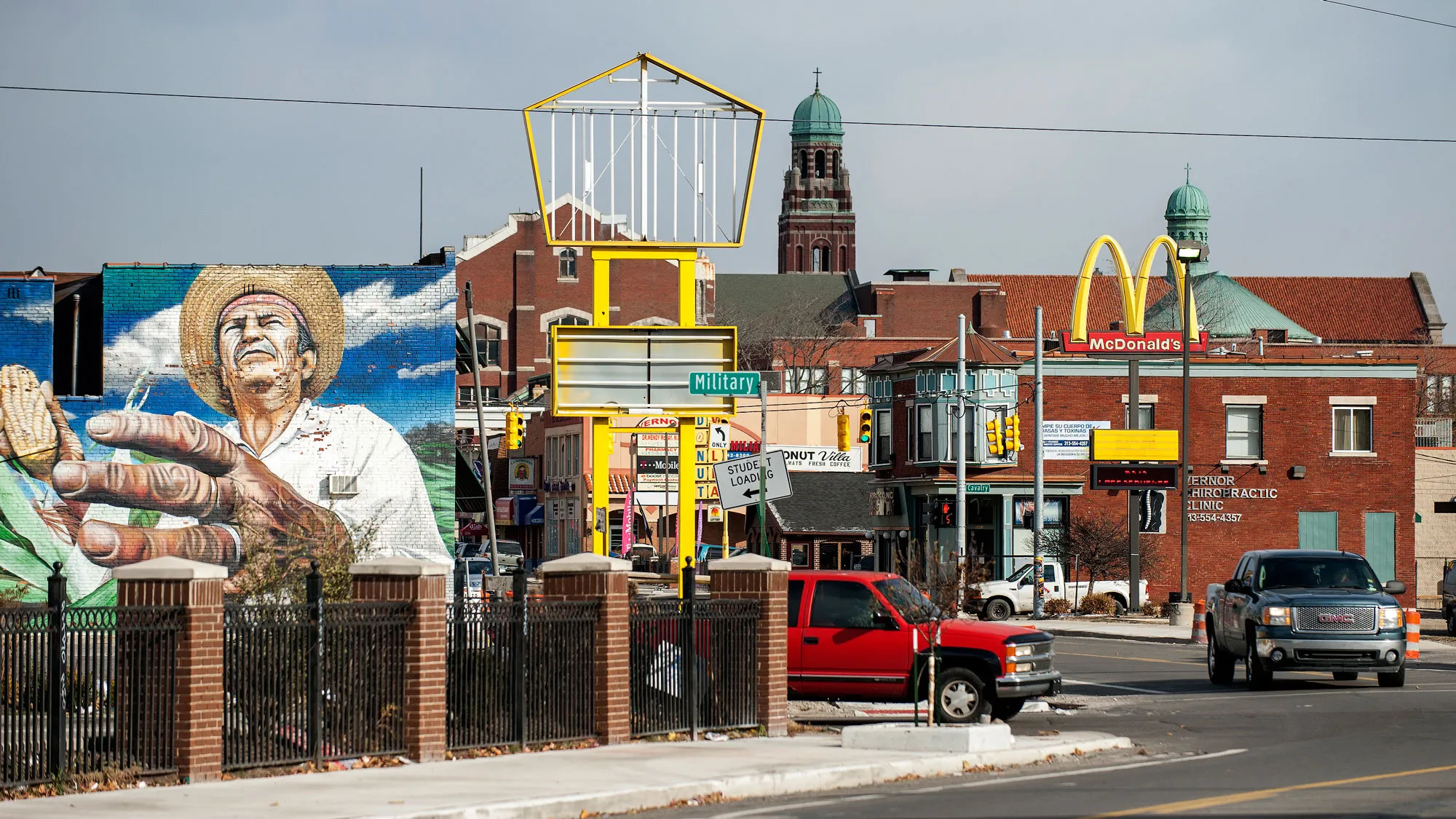
Exploring neighborhoods with a strong immigrant presence, such as the historic Eastern Market area or communities with significant populations from the Middle East or Eastern Europe, offers a glimpse into the multifaceted identity of Detroit. These areas are often hubs of cultural activity, offering unique shopping, dining, and cultural experiences that are integral to the city’s appeal.
Responsible Tourism in a Complex World
Responsible tourism involves being mindful of the social and political contexts of the places we visit. While Detroit’s policies are primarily domestic matters, understanding the city’s commitment to its residents, including immigrant populations, can enhance a visitor’s appreciation for its community spirit. Supporting local businesses, engaging respectfully with residents, and being aware of the city’s ongoing narrative of revitalization and inclusion are all part of being a thoughtful traveler in Detroit. The city’s journey is one of continuous evolution, and its embrace of diversity is a key element of its enduring strength and appeal.
LifeOutOfTheBox is a participant in the Amazon Services LLC Associates Program, an affiliate advertising program designed to provide a means for sites to earn advertising fees by advertising and linking to Amazon.com. Amazon, the Amazon logo, AmazonSupply, and the AmazonSupply logo are trademarks of Amazon.com, Inc. or its affiliates. As an Amazon Associate we earn affiliate commissions from qualifying purchases.