
The question “Is Detroit, Michigan dangerous?” is one that frequently arises when prospective travelers consider visiting this iconic American city. For decades, Detroit grappled with a tough reputation, fueled by economic hardship, population decline, and high crime rates that were widely publicized. However, to approach the city with such an outdated lens is to miss the dramatic, transformative renaissance that has reshaped Detroit over the past two decades. Today, Detroit is a city experiencing a vibrant revitalization, attracting new businesses, residents, and, increasingly, tourists eager to explore its rich history, innovative spirit, and thriving cultural scene. Like any major urban center in the United States, Detroit has its challenges, but a blanket perception of danger is no longer accurate. This article aims to provide an insightful, balanced perspective for travelers considering a visit, offering guidance on how to experience Detroit safely and enjoyably.
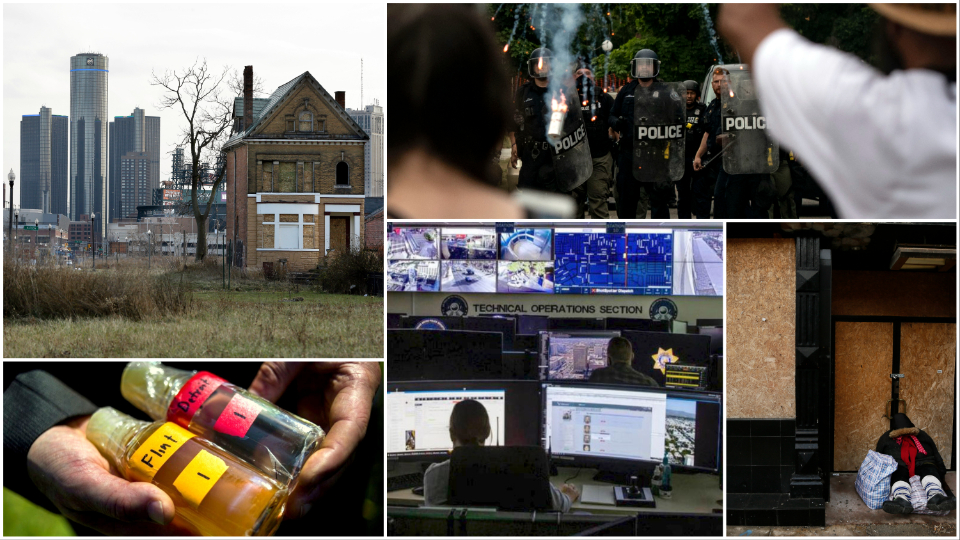
Understanding Detroit’s Evolving Landscape
The narrative surrounding Detroit has undergone a profound shift. What was once predominantly a story of decline has evolved into a compelling saga of resilience, reinvention, and renewal. Understanding this transformation is key to assessing the city’s current safety profile.
A City Reborn: Dispelling Outdated Narratives
Detroit’s journey from its peak as the “Motor City” to its well-documented struggles and subsequent resurgence is unique among American cities. The city declared bankruptcy in 2013, a watershed moment that, paradoxically, paved the way for unprecedented investment and development. Since then, billions of dollars have poured into downtown and surrounding neighborhoods, spurring a construction boom and attracting major corporations, innovative startups, and a new generation of residents.
Key areas like Downtown Detroit, Midtown Detroit, and Corktown have been meticulously revitalized, boasting new restaurants, bars, retail spaces, residential developments, and beautifully maintained public parks. The once-empty storefronts have been replaced by bustling businesses, and historic buildings have been restored to their former glory, often repurposed for modern use. This concentrated effort has not only improved aesthetics but has also brought more people, increased economic activity, and, crucially, enhanced public safety through greater visibility and a stronger community presence. The atmosphere in these areas is now dynamic, welcoming, and vibrant, starkly contrasting with the perceptions many still hold.
Statistical Realities vs. Perceptions
When discussing safety, it’s essential to look at both the objective data and subjective experience. Crime statistics for Detroit, while historically high, show a consistent downward trend in recent years, particularly for violent crime. Like many large cities, Detroit’s crime rates are not uniform; they tend to be concentrated in specific, often residential, neighborhoods that tourists are unlikely to visit. The areas that draw visitors – the revitalized core, cultural institutions, and entertainment districts – are generally well-policed, well-lit, and significantly safer.
For example, comparing Detroit to other major urban centers often reveals that while its overall crime rates might still be higher in some categories, the specific experiences of tourists in well-trafficked zones are comparable to those in cities like Chicago, New York, or Los Angeles. Common sense precautions, which are advisable in any large city, are generally sufficient for a safe visit to Detroit’s popular destinations. It’s crucial for travelers to rely on current data and local insights rather than outdated headlines when forming their expectations. The ongoing commitment to community policing and strategic crime reduction initiatives continues to contribute to a safer environment for both residents and visitors.
Navigating Detroit Safely: Key Areas and Best Practices
To enjoy Detroit to its fullest, understanding which areas are particularly traveler-friendly and adopting general urban safety practices are paramount.
Downtown, Midtown, and Popular Tourist Zones
The heart of Detroit’s revival is undeniably in its core districts, which are also the primary areas for tourists. Downtown Detroit is a hub of activity, featuring attractions like Campus Martius Park, a lively public space often hosting events, ice skating in winter, and numerous dining options. Nearby, the majestic Guardian Building offers stunning Art Deco architecture, and the Fox Theatre hosts world-class entertainment. These areas are bustling during the day and evening, with a strong police presence and ample lighting.
Just north of Downtown, Midtown Detroit is Detroit’s cultural and academic center. Home to the world-renowned Detroit Institute of Arts, the Detroit Historical Museum, and Wayne State University, Midtown is characterized by its beautiful historic architecture, tree-lined streets, and a vibrant student population. It’s a walkable neighborhood with many cafes, boutiques, and galleries. Further north, the entertainment district around Little Caesars Arena is buzzing on game nights and during concerts, drawing large, diverse crowds.
Corktown, the city’s oldest surviving neighborhood, has also seen significant revitalization, particularly along Michigan Avenue, with its trendy restaurants and bars. The Detroit Riverwalk, stretching for miles along the Detroit River, offers stunning views, recreational opportunities, and is a safe, family-friendly destination during daylight hours. These designated tourist zones are where visitors will spend most of their time and are generally very safe.
General Safety Tips for Visitors
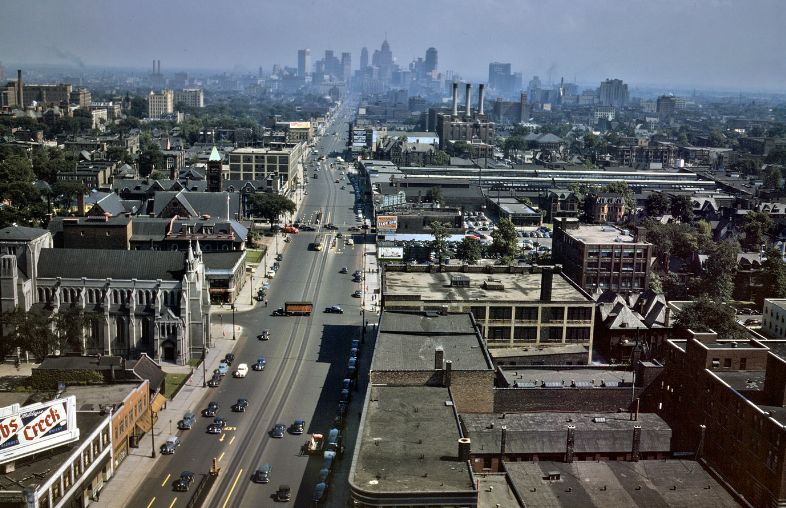
Regardless of the city, practicing common-sense safety measures is always recommended. For Detroit, these include:
- Situational Awareness: Be aware of your surroundings, especially when distracted by your phone or navigating.
- Walk in Groups at Night: If venturing out after dark, especially in less familiar areas, it’s always safer to be with companions.
- Utilize Reputable Transportation: For getting around, stick to ride-sharing apps (Uber/Lyft), licensed taxis, or the city’s public transit options. Avoid walking long distances alone at night, particularly away from well-lit, populated streets.
- Secure Valuables: Keep wallets in front pockets, avoid flashing large amounts of cash or expensive jewelry, and keep bags securely closed.
- Research Neighborhoods: If you plan to explore beyond the main tourist areas, do a quick online search or ask locals for advice on specific neighborhoods.
- Trust Your Instincts: If a situation or area feels uncomfortable, remove yourself from it.
Public Transportation and Walking
Detroit has made strides in improving its public transit options within the core areas. The Detroit People Mover, an elevated automated rail system, provides convenient and safe transport around Downtown, connecting major attractions, hotels, and event venues. It’s an excellent way to see the city’s skyline and get a feel for the downtown core. The QLine, a streetcar service along Woodward Avenue, connects Downtown, Midtown, and the New Center area, passing by many cultural institutions and entertainment spots. Both are safe, reliable options for traversing the main tourist corridors.
Walking is also a viable and enjoyable way to explore the revitalized districts during the day. Areas like Grand Circus Park, Capitol Park, and the bustling streets around Greektown are pedestrian-friendly and offer a great street-level experience. However, as evening approaches, especially if you’re alone or venturing off the main thoroughfares, using public transport or ride-shares is advisable.
Embracing Detroit’s Culture and Attractions Securely
Detroit’s rich cultural tapestry and diverse attractions are significant draws for travelers. Experiencing these safely is straightforward with a little planning.
A Hub of Arts, Music, and Innovation
Detroit’s contributions to music, art, and industry are immense, and its attractions reflect this legacy. The Motown Museum, a must-visit for music lovers, is located in a residential area but is heavily trafficked by tourists and typically very safe during operating hours. The Henry Ford Museum of American Innovation and Greenfield Village, located in Dearborn just outside the city limits, are world-class institutions and impeccably safe.
The Eastern Market, one of the oldest and largest historic public markets in the United States, is a vibrant and safe destination on market days, especially Saturdays, drawing thousands of visitors and locals alike to its food stalls, art vendors, and community events. Detroit’s culinary scene is also booming, with new restaurants opening regularly in its revitalized neighborhoods. Enjoying these experiences involves simply choosing reputable establishments and traveling to and from them safely, just as you would in any other major city.
Event Safety: Sports, Concerts, and Festivals
Detroit is a city passionate about its sports and entertainment. Attending a Detroit Tigers game at Comerica Park, a Detroit Red Wings or Detroit Pistons game at Little Caesars Arena, or a concert at one of its many historic theaters like the Fox Theatre or the Fillmore, are quintessential Detroit experiences. These venues are typically surrounded by security personnel, and the crowds they draw contribute to a lively, safe atmosphere. Similarly, Detroit hosts numerous festivals throughout the year, from Movement Electronic Music Festival to the Detroit Jazz Festival, which are well-organized with robust security measures in place. Standard event safety rules apply: know your exit routes, agree on meeting points if separated from your group, and be mindful of your belongings in crowded spaces.
Beyond the Headlines: Personal Responsibility and Local Insight
To truly appreciate Detroit, it’s vital to move past dated perceptions and engage with the city on its own terms, combining personal responsibility with an openness to local insights.
Researching Your Stay
While this guide offers a broad overview, it’s always beneficial for travelers to conduct their own specific research based on their itinerary. If your plans involve exploring areas outside the primary tourist zones, invest a few minutes in looking up neighborhood information or consulting recent travel forums. Online resources and current guidebooks often provide up-to-date perspectives on different parts of the city. Being informed about your chosen destinations within Detroit will significantly enhance your sense of security and overall enjoyment.

Engaging with Locals
Detroiters are known for their resilience, pride, and genuine friendliness. Don’t hesitate to engage with locals – hotel staff, restaurant servers, shopkeepers, or even fellow park-goers – if you have questions about safety, directions, or recommendations for things to see and do. Many residents are passionate about their city and eager to share its positive transformation with visitors. Their insights can be invaluable in navigating the city, discovering hidden gems, and experiencing Detroit like a true insider. Often, the best way to understand a city’s true character and safety is through the eyes of those who call it home.
In conclusion, the question “Is Detroit, Michigan dangerous?” can be confidently answered with a nuanced perspective. While no major city is entirely without risk, Detroit’s ongoing revitalization has made its primary tourist areas safe, vibrant, and welcoming. By practicing common urban safety measures, focusing your visit on the revitalized districts, and embracing the city’s unique culture with an open mind, travelers can discover a dynamic, engaging destination that defies its outdated reputation. Detroit is not just a city of the past; it is a city of the present and future, ready to offer memorable and secure experiences to those willing to explore its remarkable comeback story.
LifeOutOfTheBox is a participant in the Amazon Services LLC Associates Program, an affiliate advertising program designed to provide a means for sites to earn advertising fees by advertising and linking to Amazon.com. Amazon, the Amazon logo, AmazonSupply, and the AmazonSupply logo are trademarks of Amazon.com, Inc. or its affiliates. As an Amazon Associate we earn affiliate commissions from qualifying purchases.