
The question of whether Detroit truly embodies the spirit of the Midwest is more than a geographical debate; it’s an exploration of identity, culture, and the very essence of what defines a region. While its precise placement on a map might seem settled, the perception of Detroit as a quintessential Midwestern hub is deeply intertwined with its historical narrative, economic trajectory, and the distinct character of its people. This article delves into the multifaceted reasons why Detroit not only sits within the geographical boundaries of the Midwest but also reflects many of its defining characteristics, particularly through the lens of its rich tourism, local culture, and burgeoning attractions.
Defining the Midwest: More Than Just Coordinates
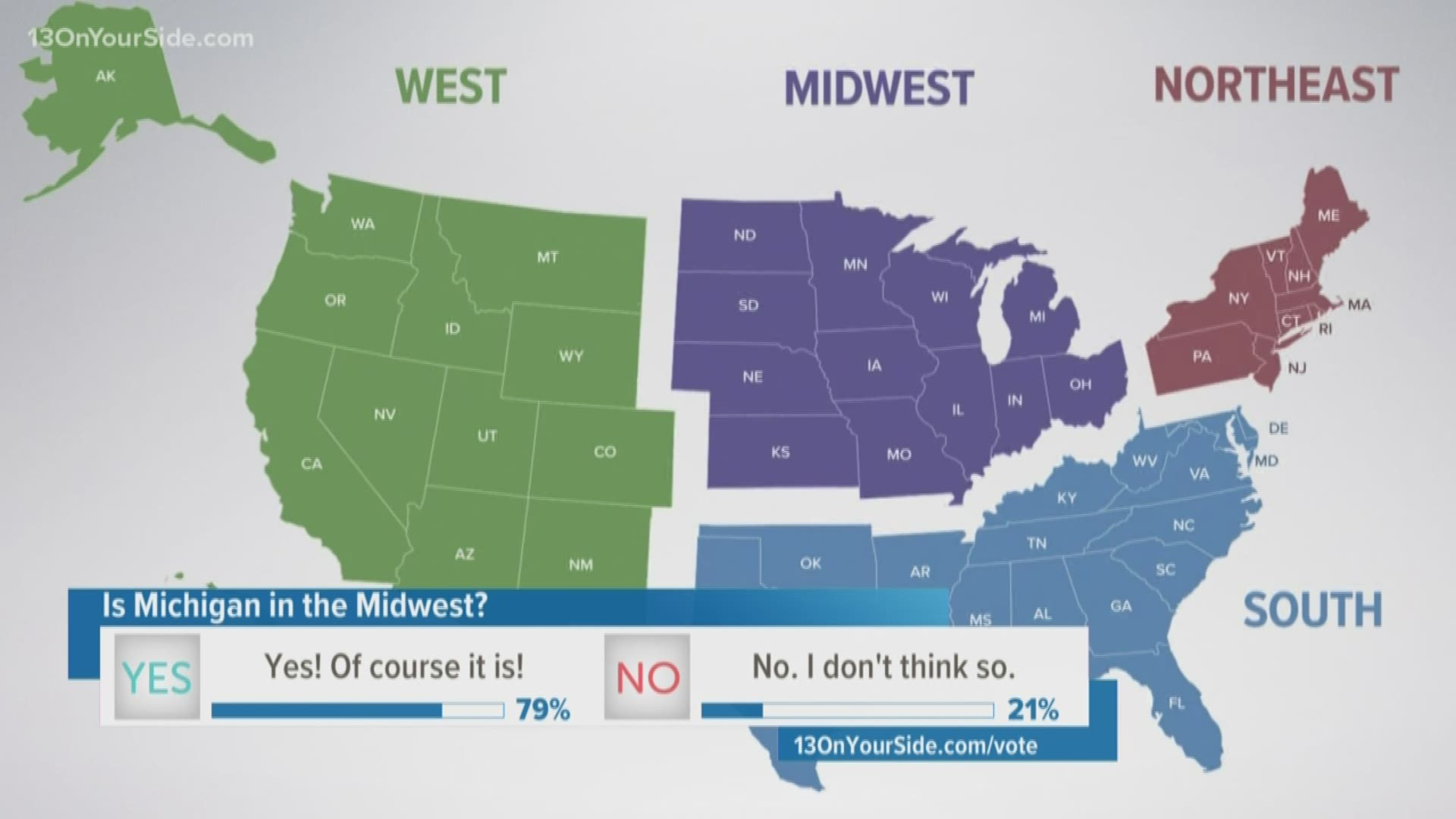
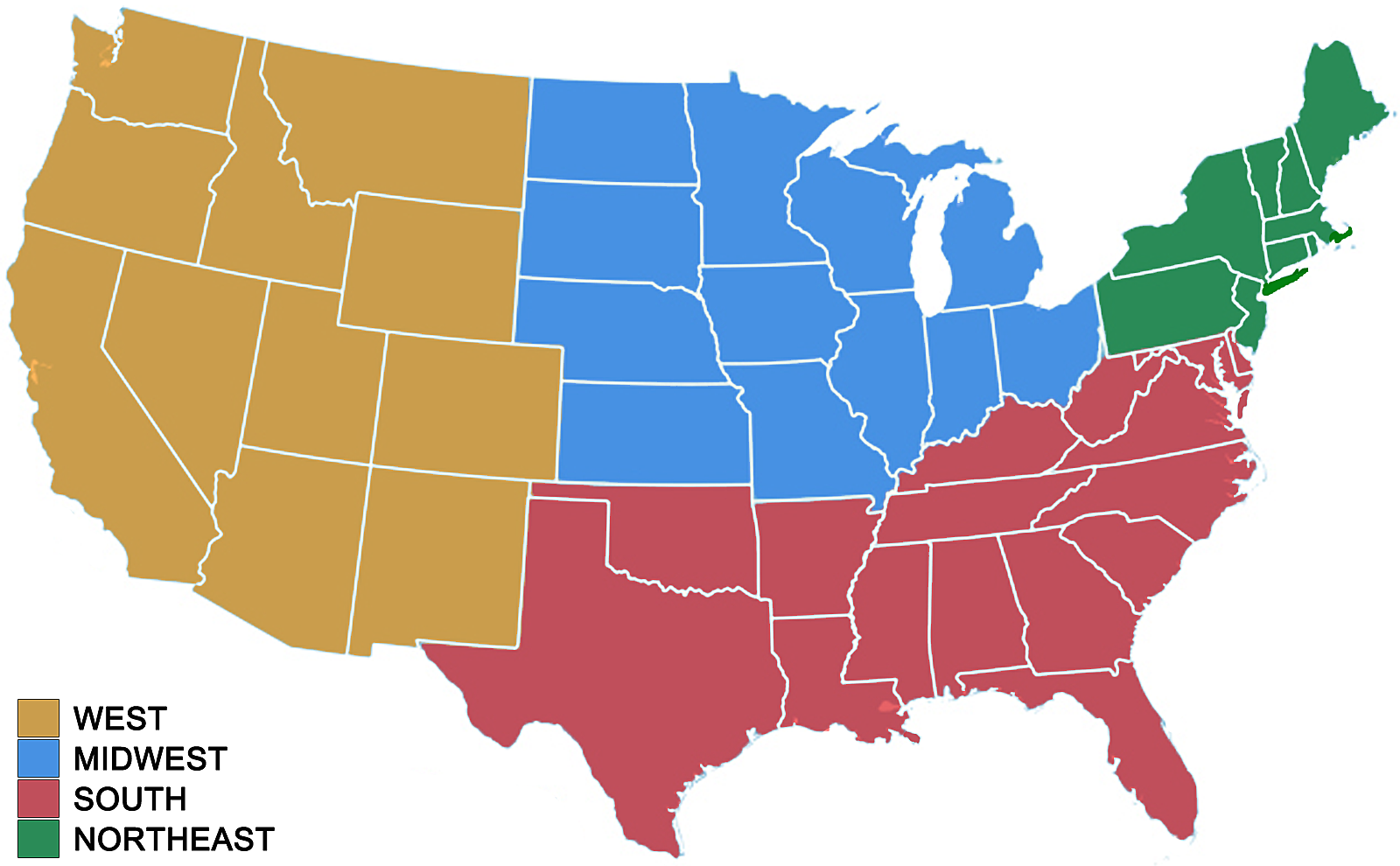
Before we can definitively place Detroit within the Midwest, it’s crucial to understand what constitutes this vast and diverse region. Geographically, the Midwest is typically defined as encompassing states like Illinois, Indiana, Iowa, Kansas, Michigan, Minnesota, Missouri, Nebraska, North Dakota, Ohio, South Dakota, and Wisconsin. Michigan, of course, is unequivocally part of this definition.
However, the Midwest is also defined by a shared cultural heritage, often characterized by a strong work ethic, a sense of community, agricultural roots, and a pragmatic, down-to-earth disposition. It’s a region that has historically been the industrial heartland of America, shaped by waves of immigration and the subsequent development of manufacturing and agriculture. This shared identity, while sometimes generalized, forms the bedrock of what many associate with the Midwest.
Historical Threads and Industrial Might
Detroit’s history is inextricably linked to the industrial rise of the Midwest. As the undisputed “Motor City,” it became the epicenter of automotive manufacturing, a titan of industry that fueled economic growth not just for the region but for the entire nation. This industrial legacy, with its emphasis on innovation, skilled labor, and large-scale production, is a hallmark of the broader Midwestern experience. The assembly lines of companies like Ford, General Motors, and Chrysler are as iconic to the Midwest as the fertile farmlands of Iowa or the steel mills of Ohio.
The influx of workers drawn to these industries also contributed to the diverse cultural tapestry that characterizes many Midwestern cities. Detroit’s neighborhoods, built by and for generations of laborers, reflect a blend of ethnicities and traditions that mirror the broader regional migration patterns.
The Cultural Echo: Values and Vernacular
Beyond industry, the cultural values often attributed to the Midwest resonate strongly within Detroit. There’s a certain resilience, a quiet determination that has been forged through economic highs and lows. This is a spirit that recognizes hardship but perseveres, a trait deeply embedded in the Midwestern psyche.
The vernacular, too, often aligns. While Detroit has its unique slang and rhythm, the underlying cadence and directness of communication are familiar to anyone who has spent time in other parts of the Midwest. There’s a pragmatism, a no-nonsense approach that prioritizes substance over ostentation, a characteristic often cited when describing Midwestern charm.
Detroit as a Tourism Destination: A Midwestern Lens
When considering Detroit as a tourism destination, its appeal is deeply rooted in its Midwestern character, blending historical significance with a vibrant contemporary culture. The city offers a unique blend of attractions that speak to the region’s past while showcasing its dynamic present.
Automotive Heritage and Innovation
Unsurprisingly, Detroit’s automotive legacy is a primary draw for tourists. The Henry Ford Museum of American Innovation and Greenfield Village in nearby Dearborn offer an unparalleled journey through American ingenuity, with a particular focus on the Ford legacy. This isn’t just about cars; it’s about the broader narrative of industrialization and its impact on society, a story that is fundamentally Midwestern.
The Automotive Hall of Fame further delves into the stories of the pioneers who shaped the industry, providing a tangible connection to the engineering prowess that defined Detroit and the Midwest. These institutions are not merely museums; they are historical anchors that connect visitors to the very spirit of Midwestern innovation.
Cultural Renaissance and Artistic Expression
Detroit’s cultural landscape is undergoing a remarkable renaissance, a testament to its resilience and creative energy, which is a common theme in many Midwestern cities experiencing urban revitalization. The city boasts a burgeoning arts scene, with institutions like the Detroit Institute of Arts housing an impressive collection that spans centuries and continents. The Diego Rivera murals within the institute are a particular highlight, offering a profound commentary on labor and industry, themes that resonate deeply within the Midwest.
Beyond traditional art, Detroit is globally recognized as the birthplace of Motown music. The Motown Museum, often referred to as “Hitsville U.S.A.,” allows visitors to step back in time and experience the magic of the recording studio where legends like Stevie Wonder, The Supremes, and Marvin Gaye recorded their iconic hits. This musical heritage is a distinct cultural contribution that has left an indelible mark on popular music worldwide, a significant cultural export from the Midwest.
Architectural Diversity and Urban Exploration
Detroit’s architectural landscape tells a story of ambition, prosperity, and adaptation. From the grandeur of the Guardian Building and the Fisher Building to the more modest but equally charming residential neighborhoods, the city offers a rich tapestry for urban exploration. These buildings are not just structures; they are narratives etched in stone and steel, reflecting the economic cycles and design aesthetics of different eras, a common characteristic of older Midwestern cities.
The revitalization efforts have also introduced contemporary architectural marvels, blending seamlessly with the historic fabric. Exploring these districts, whether the revitalized downtown core or the historic neighborhoods, provides a visual narrative of the city’s past, present, and future, a journey that is both visually stimulating and culturally enlightening, much like exploring other historic Midwestern urban centers.
Culinary Delights and Local Flavors
The culinary scene in Detroit is as diverse and dynamic as its population, offering a taste of authentic Midwestern hospitality with global influences. From classic diners serving up hearty breakfasts to innovative restaurants showcasing farm-to-table ingredients, the city caters to a wide range of palates.
The famous Detroit-style pizza, with its thick, crispy crust and rectangular shape, is a culinary icon that embodies the city’s unpretentious yet robust food culture. This hearty, satisfying cuisine is a perfect representation of Midwestern comfort food, designed to fuel hard work and foster community gatherings. Exploring the various ethnic enclaves, such as the historic Eastern Market, offers a chance to sample diverse flavors and connect with the city’s rich cultural heritage, much like experiencing the culinary landscapes of other major Midwestern cities.
The Midwestern Spirit: Resilience and Community
Ultimately, the question of “Is Detroit Midwest?” is answered not just by maps and historical timelines, but by the shared spirit that permeates the region. Detroit embodies the Midwestern spirit of resilience, of bouncing back from adversity with determination and creativity. The city’s journey through economic hardship and its subsequent revitalization efforts mirror the broader narrative of many Midwestern towns and cities that have faced similar challenges.
A Sense of Place and Belonging
There’s a profound sense of place and belonging that many visitors and residents feel in Detroit, a characteristic often associated with the Midwest. It’s a feeling that stems from genuine interactions, from neighbors looking out for one another, and from a shared pride in the city’s heritage and its future. This community-oriented ethos is a cornerstone of Midwestern culture.

The Future of Detroit and the Midwest
As Detroit continues to evolve and attract new residents and businesses, it solidifies its position as a vital and dynamic part of the Midwest. Its story is one of reinvention, of embracing its past while boldly stepping into the future. This forward-looking yet historically grounded approach is precisely what defines the enduring spirit of the Midwest today. From its industrial roots to its vibrant cultural scene, from its architectural marvels to its delicious food, Detroit undeniably wears its Midwestern heart on its sleeve, offering a rich and compelling experience for any traveler seeking an authentic taste of this iconic American region.
LifeOutOfTheBox is a participant in the Amazon Services LLC Associates Program, an affiliate advertising program designed to provide a means for sites to earn advertising fees by advertising and linking to Amazon.com. Amazon, the Amazon logo, AmazonSupply, and the AmazonSupply logo are trademarks of Amazon.com, Inc. or its affiliates. As an Amazon Associate we earn affiliate commissions from qualifying purchases.