
Unquestionably, yes. Dorchester is not only a part of Boston; it is the city’s largest and most populous neighborhood, a vibrant and expansive district that offers a distinct blend of history, culture, and community spirit often overlooked by visitors who stick solely to the more famous downtown attractions. For any traveler looking to delve deeper into the authentic fabric of Boston, understanding and exploring Dorchester is an essential part of the journey.
Unpacking Boston’s Neighborhoods: The Case of Dorchester
The administrative and geographical integration of Dorchester into Boston is a definitive aspect of the city’s urban development. While many perceive Boston through the lens of its historic core, the reality of the city is much broader, encompassing a diverse array of neighborhoods, each with its own character and heritage.
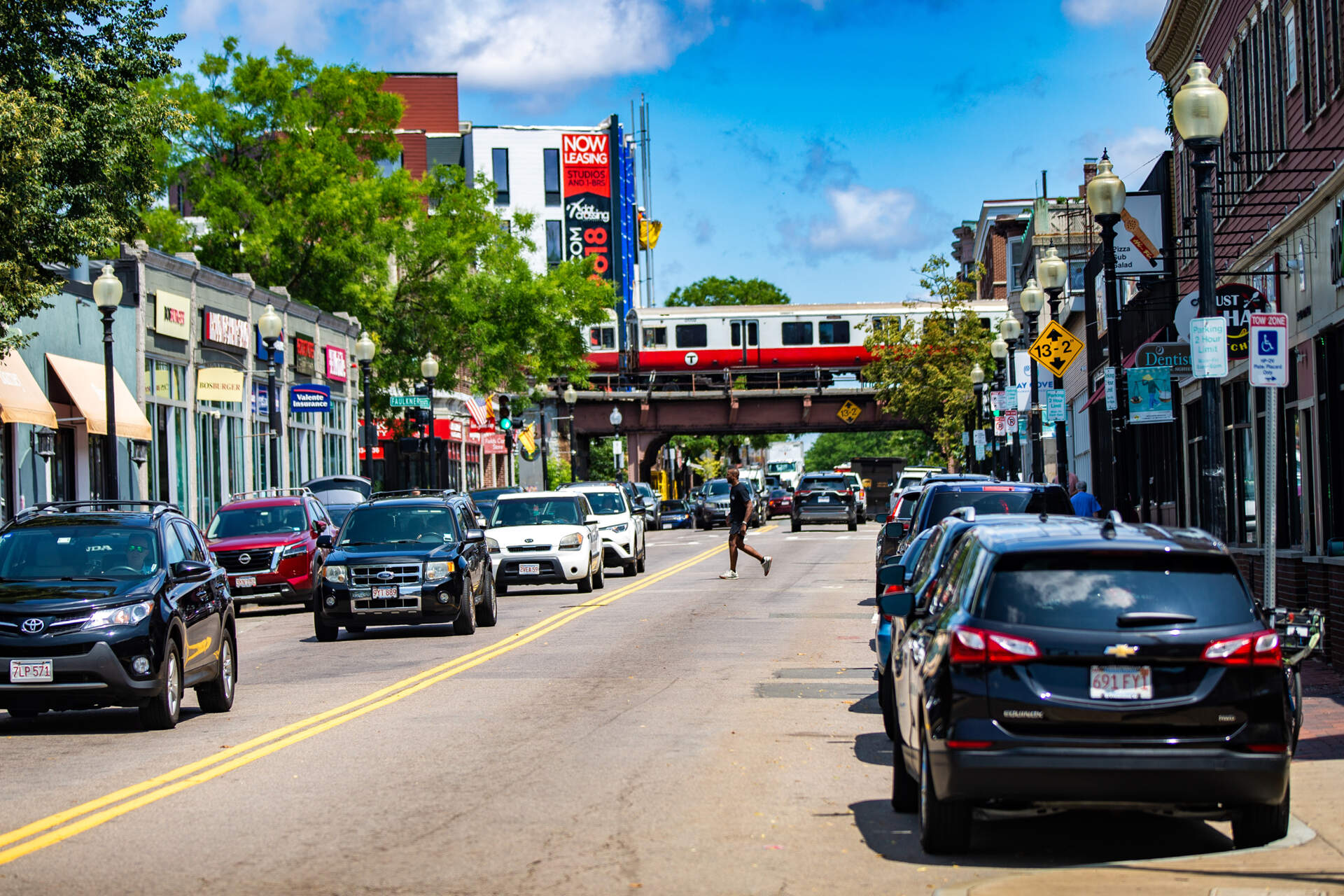
A Definitive Answer: Dorchester’s Place in Boston
To be precise, Dorchester was an independent town until it was annexed by the City of Boston in 1870. This act of annexation brought a vast tract of land and a growing population into the city limits, significantly expanding Boston’s geographical footprint and demographic profile. Today, Dorchester covers an impressive 6 square miles, stretching from the Neponset River in the south to Roxbury in the north, and from South Boston and the Boston Harbor in the east to Mattapan and Jamaica Plain in the west. This vastness contributes to its incredible diversity, making it feel almost like a collection of smaller towns rather than a single unified neighborhood. For the discerning traveler, this means that a visit to Dorchester is not just a single experience but an exploration of multiple facets of Boston life.
Historical Context and Urban Development
The history of Dorchester predates even Boston proper, as it was founded by Puritans in 1630, making it one of the oldest settlements in Massachusetts. Its original name was “Dorchester” after the town in Dorset, England, from which many of its early settlers hailed. Over centuries, it evolved from an agrarian community into a bustling industrial hub, particularly known for its chocolate factories and other manufacturing enterprises.
The decision to annex Dorchester into Boston was driven by the burgeoning needs of an expanding metropolitan area, including improved infrastructure, better public services, and the strategic planning of urban growth. This historical backdrop is crucial for travelers to understand because it explains the unique character of Dorchester: a neighborhood that retains much of its historical charm and distinct identity while being inextricably linked to the larger urban entity of Boston. Its streets are lined with architecture spanning centuries, from colonial-era homes to Victorian triple-deckers, offering a visual timeline of New England history.
Discovering Dorchester: A Destination Within a City
For travelers, Dorchester presents a myriad of opportunities to explore beyond the well-trodden tourist paths. It’s a destination that promises authentic encounters, vibrant cultural experiences, and a deeper appreciation for Boston’s multifaceted identity.
A Tapestry of Cultures and Communities
One of Dorchester’s most compelling features is its incredible diversity. Over the decades, it has been home to successive waves of immigrants, each leaving an indelible mark on its cultural landscape. Today, Dorchester is a rich mosaic of communities, including large populations of Irish, Vietnamese, Cape Verdean, Haitian, and Latino residents, among others. This translates into a vibrant street life, an array of international eateries, and a sense of dynamic cultural exchange that can be genuinely captivating for visitors.
Sub-neighborhoods within Dorchester, such as Fields Corner, are renowned for their strong ethnic identities, offering a glimpse into distinct cultural enclaves within a larger urban setting. Fields Corner, for example, is often dubbed Boston’s “Little Saigon” due to its thriving Vietnamese community, complete with authentic restaurants, markets, and cultural centers. Similarly, Uphams Corner offers its own blend of diverse cultures and historical significance, making each corner of Dorchester a unique mini-destination.
Green Spaces and Natural Beauty
Despite its urban setting, Dorchester boasts an impressive array of green spaces and natural attractions. This is a significant draw for travelers seeking respite from city bustle or opportunities for outdoor activities.
The crown jewel is Franklin Park, designed by the renowned landscape architect Frederick Law Olmsted. While shared with Roxbury and Jamaica Plain, a substantial portion lies within Dorchester. This expansive urban oasis features walking trails, picnic areas, and is home to the Franklin Park Zoo, making it ideal for families and nature lovers. Further south, along the banks of the Neponset River, lies Pope John Paul II Park, offering scenic walking and biking paths, birdwatching opportunities, and breathtaking views of the river and Boston’s skyline. These parks provide perfect opportunities for travelers to relax, exercise, and connect with nature without ever leaving the city.
Architectural Heritage and Residential Charm

A stroll through Dorchester’s residential streets is a journey through Boston’s architectural past. The neighborhood is celebrated for its historic triple-deckers, a quintessential Boston housing style, often featuring intricate detailing and vibrant colors. Beyond these, travelers will discover grand Victorian homes, stately Federalist-era houses, and charming bungalows, each telling a story of the area’s development. This architectural diversity provides a picturesque backdrop for exploration and offers insights into the evolving residential patterns of the region. Many streets are lined with mature trees, creating an inviting atmosphere that feels distinctly residential and offers a different perspective compared to the commercialized downtown areas.
Essential Experiences for Travelers in Dorchester
To truly experience Dorchester as a travel destination is to immerse oneself in its local culture, history, and community life. The neighborhood offers a wealth of activities and attractions that cater to varied interests.
Culinary Delights and Local Flavors
The diverse demographic makeup of Dorchester translates into an exceptional culinary scene that is a major draw for food-loving travelers. From authentic Vietnamese pho and banh mi in Fields Corner to Cape Verdean stews and pastries, Dorchester is a gastronomic adventure waiting to be explored. There are also classic New England diners, Irish pubs, and a growing number of contemporary restaurants and coffee shops that reflect the neighborhood’s evolving character. Exploring the local markets is also a treat, offering fresh produce, exotic ingredients, and a glimpse into the daily lives of residents. Food tours or simply wandering and sampling can be an incredibly rewarding way to experience the local culture.
Historical Sites and Cultural Institutions
Dorchester’s rich history is preserved and celebrated in several key sites:
- John F. Kennedy Presidential Library and Museum: Located on Columbia Point, at the northeastern edge of Dorchester, this iconic institution offers a deep dive into the life and legacy of the 35th U.S. President. Its striking architecture and engaging exhibits make it a must-visit for history buffs.
- Edward M. Kennedy Institute for the United States Senate: Situated adjacent to the JFK Library, this institute provides an immersive experience of the U.S. Senate chamber and educates visitors about the role of the Senate in American democracy.
- Dorchester Historical Society: For a more localized historical perspective, the Dorchester Historical Society maintains several historic homes and a vast collection of artifacts, photographs, and documents related to the neighborhood’s past. Visiting here offers an intimate look at the lives of early settlers and subsequent generations.
- Historic Meetinghouses and Churches: Numerous historic churches throughout Dorchester stand as testaments to its long history, many featuring impressive architecture and playing central roles in their communities for centuries.
Community Events and Local Life
Engaging with Dorchester’s community events provides travelers with an authentic taste of local life. Depending on the time of year, visitors might encounter vibrant farmers’ markets, cultural festivals celebrating the diverse heritage of its residents, outdoor concerts, or local art fairs. These events offer excellent opportunities to interact with residents, support local artisans and businesses, and experience the warm, welcoming atmosphere that defines much of Dorchester. Checking local community calendars before a visit can uncover these hidden gems.
Navigating Dorchester: Practical Tips for Visitors
Exploring Dorchester is an enriching experience, and a few practical tips can help travelers make the most of their visit.
Accessibility and Transportation
Dorchester is well-integrated into Boston’s public transportation network, primarily served by the MBTA (Massachusetts Bay Transportation Authority) subway and bus lines. The Red Line runs through the heart of Dorchester, with multiple stops including JFK/UMass, Savin Hill, Fields Corner, and Ashmont, making it easily accessible from downtown Boston. Numerous bus routes crisscross the neighborhood, connecting various points of interest and extending reach to areas not directly served by the subway. For those who prefer to drive, parking can be found, but utilizing public transport is often the most convenient option, especially when combining a visit with other Boston attractions.
Planning Your Visit
Given Dorchester’s vast size and diverse offerings, it’s advisable to plan your visit strategically. Instead of trying to see everything in one day, travelers might focus on a specific area, such as Fields Corner for its culinary scene, or the Columbia Point area for its presidential libraries. Allocating at least half a day, if not a full day, will allow for a more leisurely and immersive experience. Combining a visit to Dorchester with other nearby Boston attractions, such as the Boston Harborwalk or a ferry ride from Long Wharf, can create a well-rounded itinerary.

Respecting the Local Community
As a residential neighborhood, Dorchester thrives on its strong community bonds. Travelers are encouraged to engage respectfully with residents, support local businesses, and be mindful of noise levels, especially in residential areas. Embracing the local atmosphere and appreciating the diverse tapestry of life here will ensure a more authentic and enjoyable experience for both visitors and residents alike. By exploring Dorchester, travelers not only answer the question of its belonging to Boston but also gain a deeper, richer understanding of what makes Boston truly unique.
LifeOutOfTheBox is a participant in the Amazon Services LLC Associates Program, an affiliate advertising program designed to provide a means for sites to earn advertising fees by advertising and linking to Amazon.com. Amazon, the Amazon logo, AmazonSupply, and the AmazonSupply logo are trademarks of Amazon.com, Inc. or its affiliates. As an Amazon Associate we earn affiliate commissions from qualifying purchases.