
Downtown Los Angeles (DTLA) has undergone a dramatic transformation over the past two decades, evolving from a largely business-centric area that emptied out after dark into a vibrant, bustling urban core. This revitalization has brought an influx of new residents, businesses, cultural institutions, and a thriving nightlife, making it a compelling destination for travelers exploring Los Angeles, California. However, with any major urban area, questions about safety inevitably arise. Visitors often wonder: Is Downtown Los Angeles safe?
The short answer is nuanced: yes, Downtown Los Angeles is generally safe for tourists and residents, particularly in its most frequented areas, but like any large metropolitan center in the United States, it requires a degree of urban awareness and common sense precautions. This comprehensive guide aims to provide a balanced perspective, delving into the realities of safety in DTLA, highlighting its distinct neighborhoods, offering practical advice for navigating the city, and helping you make informed decisions for a memorable and secure travel experience.
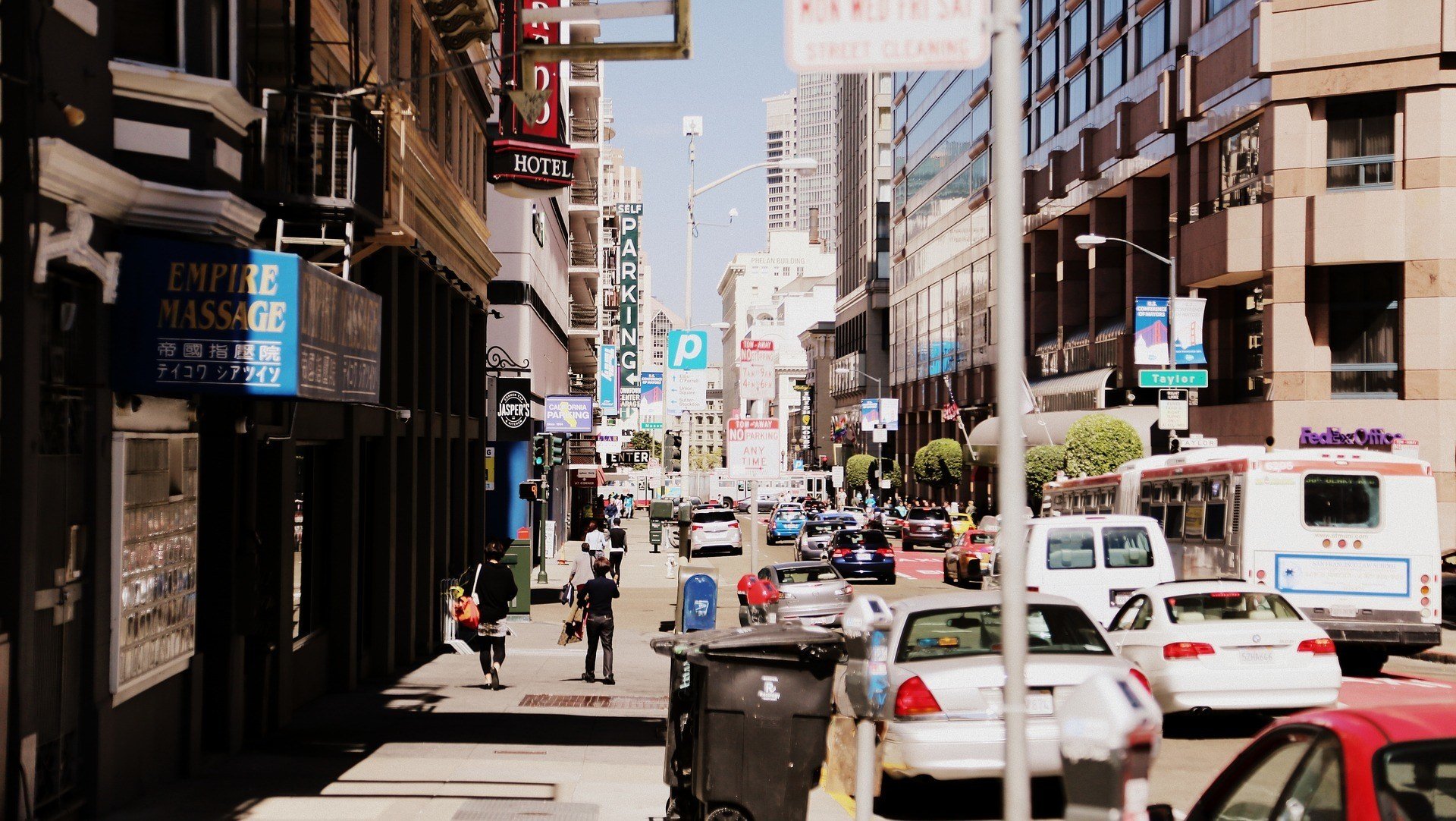
Understanding Safety in Downtown Los Angeles
Perceptions of urban safety can often be shaped by outdated information or media portrayals. For Downtown Los Angeles, understanding its dynamic nature is key to forming an accurate view of its current safety landscape.
A Dynamic Urban Core
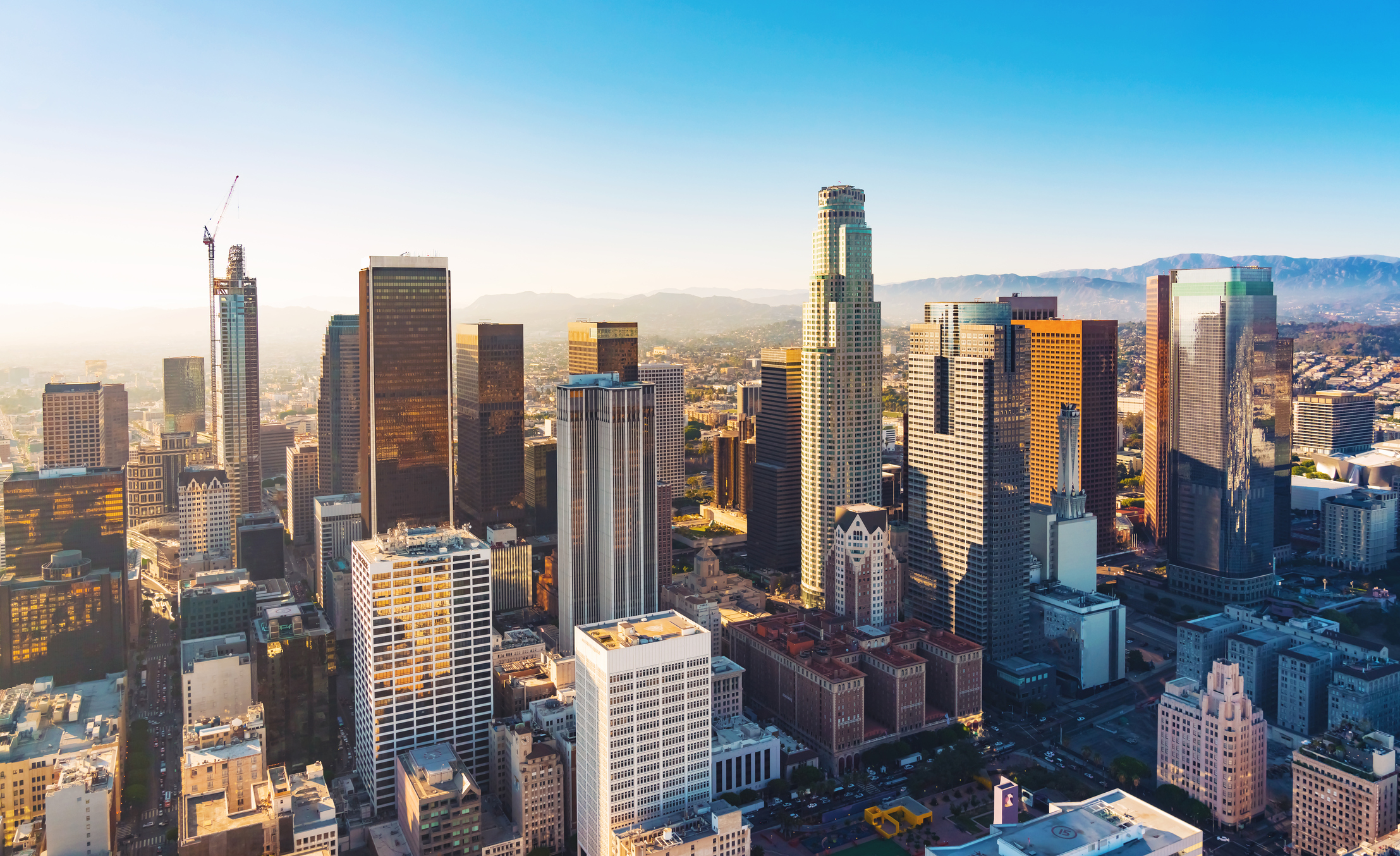
DTLA is a patchwork of distinct neighborhoods, each with its own character and level of activity. Areas like the Historic Core, Arts District, South Park, and LA Live have seen significant investment in infrastructure, housing, and entertainment. This development has brought more “eyes on the street,” a well-documented factor in enhancing urban safety. With more people living, working, and socializing in these areas, there’s a natural increase in security through sheer presence. The transformation includes high-end hotels, luxury apartments, acclaimed restaurants, and vibrant cultural venues, all contributing to a more hospitable and secure environment for both locals and visitors.
The city has also implemented various initiatives to bolster safety, including increased police patrols in high-traffic tourist areas, improved lighting, and community-led programs. These efforts aim to not only deter crime but also to make people feel more comfortable and secure as they explore the area’s many attractions.
Crime Statistics and Perceptions
When evaluating safety, it’s important to distinguish between actual crime statistics and public perception. While Downtown Los Angeles is a major urban center and, like all big cities, experiences its share of crime, violent crime rates have generally seen a decline in recent years, though property crimes can still be a concern. Most crimes that affect tourists are opportunistic in nature, such as petty theft, rather than violent encounters.
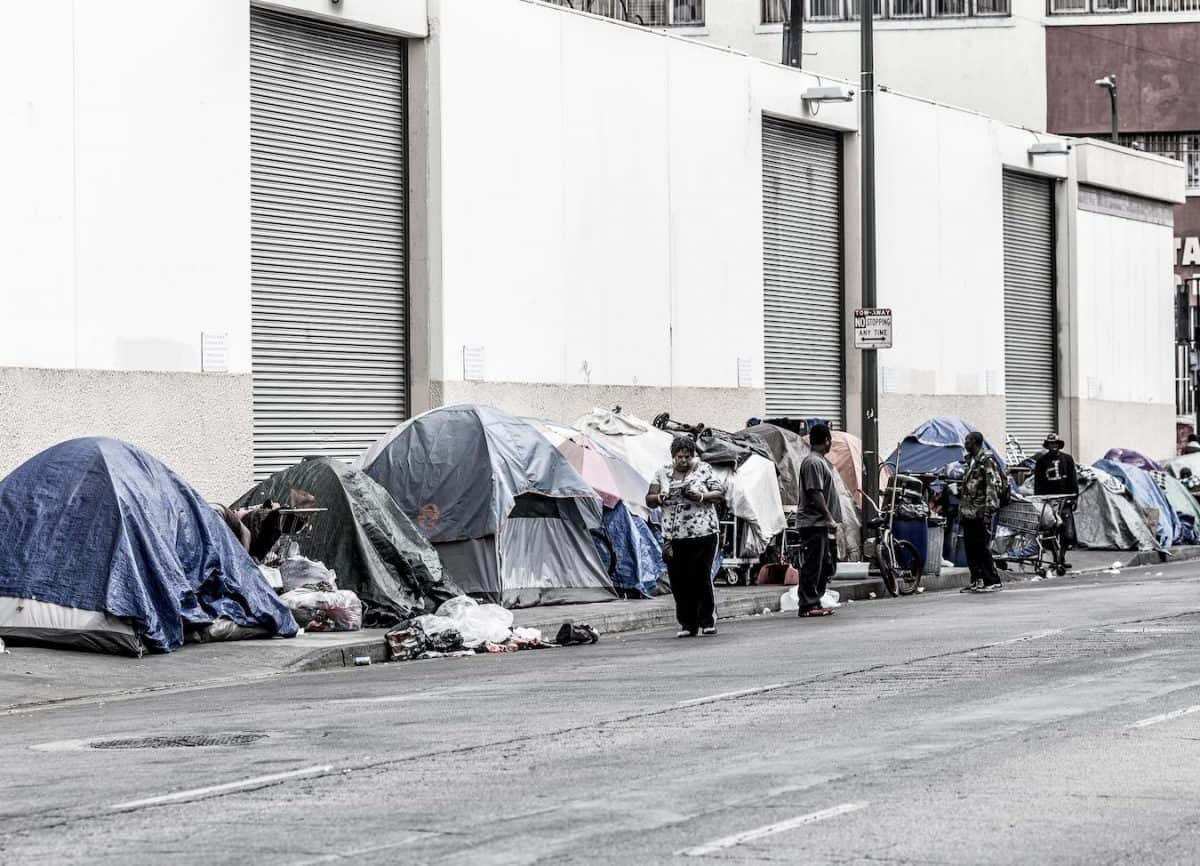
The areas most frequented by tourists, such as those around LA Live, the museums along Grand Avenue, and the bustling districts of Little Tokyo and Chinatown, are typically well-patrolled and experience lower crime rates compared to less developed or more isolated parts of the downtown area. It is crucial for visitors to research specific neighborhoods they plan to visit and to be mindful of their surroundings, particularly when venturing into less populated areas or late at night. The perception of homelessness, while visible in some parts of DTLA, often contributes to a feeling of unease, but rarely translates into direct threats to tourists following standard safety protocols.
The Role of Revitalization and Development
The ongoing revitalization of Downtown Los Angeles is intrinsically linked to its improved safety profile. Billions of dollars have been poured into residential, commercial, and public space projects. This includes the development of new parks, pedestrian-friendly streets, and mixed-use complexes that keep areas active throughout the day and into the evening. The shift from a 9-to-5 business district to a 24/7 live-work-play environment means more continuous activity, which inherently deters criminal activity.
New businesses, including high-end restaurants, boutique shops, and entertainment venues, attract a diverse demographic and encourage more foot traffic. This economic injection not only enhances the visitor experience but also creates a more secure environment through increased public presence and better infrastructure. The success of these developments has attracted more residents, leading to a stronger community presence and a shared interest in maintaining safe neighborhoods.
Navigating Downtown LA: Key Areas and Attractions
Knowing which areas are generally safe and which might require extra caution is fundamental for any visitor to Downtown Los Angeles.
Popular Destinations and Their Safety Profiles
Many of DTLA’s most popular attractions are situated within well-maintained and heavily trafficked areas, making them generally safe for exploration.
- LA Live and the South Park Neighborhood: This entertainment complex, home to the Crypto.com Arena (formerly Staples Center), Microsoft Theater, numerous restaurants, and Regal Cinemas, is bustling with activity, especially during events. The area is well-lit and has a strong security presence. It’s considered one of the safest and most polished parts of DTLA, making it ideal for evening entertainment.
- Grand Avenue Cultural Corridor: This stretch is home to iconic landmarks like the Walt Disney Concert Hall, The Broad museum, Museum of Contemporary Art (MOCA), and the Colburn School. These venues attract crowds, and the area benefits from continuous pedestrian traffic and security, especially during operating hours and performances.
- Grand Central Market and Historic Core: The Historic Core, characterized by its beautiful historic architecture like the Bradbury Building and the iconic Grand Central Market, is a vibrant area during the day. It’s very popular with tourists and locals alike for dining and exploring. While lively during the day, it can become quieter in certain pockets after dark, so general urban precautions apply for late-night strolls.
- Arts District: Once an industrial zone, the Arts District has transformed into a trendy hub of galleries, street art, unique boutiques, and acclaimed restaurants. It’s a fantastic area to explore during the day and early evening. As it’s still evolving, some blocks can be quieter, so it’s always wise to stick to well-lit and populated streets, especially at night.
- Little Tokyo and Chinatown: These historic cultural enclaves offer unique dining, shopping, and cultural experiences. They are popular tourist destinations and generally safe during the day and into the evening, with a strong community presence.
- Gallery Row, Fashion District, and Jewelry District: These areas are bustling with commerce during business hours. While generally safe during the day, they tend to empty out considerably after dark, making them less ideal for evening walks. Visitors should be particularly vigilant about their belongings in crowded market areas.
Areas Requiring More Awareness
While DTLA is largely safe for tourists, there are certain zones that require a higher level of awareness, particularly after dark. Areas immediately adjacent to Skid Row or isolated industrial stretches can feel less secure, especially at night due to limited foot traffic and lighting. It’s generally advisable for tourists to stick to the well-trafficked, well-lit, and developed areas mentioned above, especially if unfamiliar with the city. Using ride-sharing services or taxis to traverse longer distances or to navigate at night is a wise choice rather than walking through unfamiliar or deserted streets.
Practical Safety Tips for Visitors
Regardless of the specific destination, adhering to general urban safety practices can significantly enhance your experience in Downtown Los Angeles.
General Urban Safety Practices
- Be Aware of Your Surroundings: This is perhaps the most crucial tip. Avoid distractions like constantly looking at your phone. Pay attention to people around you and your environment.
- Protect Your Valuables: Keep wallets in front pockets, secure purses close to your body, and avoid displaying expensive jewelry or electronics unnecessarily.
- Travel in Groups: When possible, especially at night, walk with companions. There’s safety in numbers.
- Trust Your Instincts: If a situation or an area feels off, remove yourself. It’s better to be overly cautious than to regret it.
- Avoid Isolated Areas at Night: Stick to well-lit, busy streets and designated tourist zones after dark.
- Know Emergency Numbers: In the United States, the emergency number for police, fire, or medical assistance is 911.
Transportation and Mobility
Getting around Downtown Los Angeles safely involves choosing appropriate modes of transport.
- Public Transportation: The Metro Rail and Metro Bus system serves DTLA and connects to other parts of Los Angeles. It’s generally safe during the day and evening, especially on popular lines. However, exercise caution late at night and be aware of your belongings. Use common sense, avoid empty cars if possible, and pay attention to station surroundings.
- Ride-Sharing and Taxis: Services like Uber and Lyft are readily available and often recommended for getting around at night or for longer distances. Always verify the car and driver match the information in your app before entering.
- Walking: DTLA is increasingly walkable. Enjoy strolling through the Historic Core, Grand Avenue, and Arts District during the day. For longer distances or late-night trips, consider other options.
- Scooters/Bikes: Shared electric scooters and bikes are popular for short distances. Always wear a helmet, follow traffic laws, and be aware of pedestrians and uneven sidewalks.
Accommodation Choices and Safety
Your choice of accommodation plays a significant role in your overall sense of safety and well-being during your trip. DTLA offers a wide range of hotels, from luxury to budget-friendly, and their location can impact your experience.
- Research Hotel Locations: When booking, look at the hotel’s precise location on a map. Is it near major attractions? Is it surrounded by other businesses and residences, or does it seem isolated? Read recent guest reviews specifically mentioning safety or neighborhood feel.
- Reputable Hotels: Opt for well-known and reputable hotel brands. These generally have better security measures in place, such as 24/7 front desks, key card access to floors, and security cameras. Many excellent options exist in DTLA.
- Luxury Options: Hotels like the Conrad Los Angeles, Proper Hotel, and Hotel Per La offer high-end amenities and are typically located in prime, well-secured areas.
- Historic Charm: The historic The Biltmore Los Angeles or Hotel Figueroa blend history with modern comforts, often in central locations.
- Boutique and Trendy: The Ace Hotel Downtown Los Angeles offers a unique experience, often attracting a younger, vibrant crowd, contributing to active street scenes around them.
- Hotel Security: Upon arrival, familiarize yourself with the hotel’s security features. Always keep your room door locked and use the peephole. Store valuables in the in-room safe.
Enhancing Your DTLA Experience: Beyond Safety
While safety is paramount, Downtown Los Angeles offers a wealth of experiences that make it a compelling destination. By understanding its dynamics and applying practical safety tips, visitors can confidently immerse themselves in its vibrant culture.
Top Attractions and Experiences
DTLA is a hub of culture, entertainment, and history. Beyond the safety considerations, it’s a place rich with opportunities for exploration:
- Arts and Culture: Spend a day exploring Grand Avenue with visits to The Broad’s contemporary art collection, the architectural marvel of the Walt Disney Concert Hall, and the Museum of Contemporary Art (MOCA). Wander through the Arts District to discover street art, independent galleries, and unique boutiques.
- Historic Landmarks: Take a walk through the Historic Core to admire stunning turn-of-the-century architecture, including the famous Bradbury Building, and visit the beautiful City Hall.
- Culinary Adventures: From the diverse food stalls at Grand Central Market to Michelin-starred restaurants, DTLA’s culinary scene is eclectic and exciting. Explore authentic Japanese cuisine in Little Tokyo or Chinese delights in Chinatown.
- Entertainment: Catch a game or concert at the Crypto.com Arena, enjoy a show at the Microsoft Theater, or explore the various bars and lounges within the LA Live complex.
Dining and Nightlife
DTLA’s nightlife has exploded, offering everything from rooftop bars with stunning views to speakeasies and live music venues. While enjoying the vibrant scene, remember that alcohol consumption can impair judgment. Always drink responsibly, never leave your drink unattended, and ensure you have a safe way to get back to your accommodation. Most popular dining and nightlife spots are in well-trafficked areas, which are generally safe, but always remain aware of your surroundings, especially when leaving venues late at night.
Choosing the Right Accommodation
Selecting the right place to stay can significantly enhance your travel experience and peace of mind. Consider what kind of traveler you are:
- Luxury Traveler: Look for hotels like the Conrad Los Angeles or Proper Hotel in the thriving South Park or Financial District areas, known for their amenities, service, and prime locations.
- Budget Traveler: DTLA has a growing number of well-reviewed boutique and mid-range hotels, but also hostels and more affordable options. Always read reviews carefully to ensure the neighborhood and hotel meet your safety expectations.
- Family Trips: For families, hotels near LA Live or in the South Park area often provide a more predictable and family-friendly environment with easy access to entertainment.
- Business Stays: Hotels with strong business amenities in the Financial District or Bunker Hill offer convenience and professional environments.
Your choice of accommodation should align not only with your budget and preferences but also with your comfort level regarding the surrounding neighborhood.
In Conclusion:
Downtown Los Angeles is a dynamic, exciting, and increasingly safe destination for travelers. While it retains the characteristics of a major urban center, requiring visitors to exercise standard precautions and common sense, its transformation has largely created a welcoming and secure environment in its key tourist areas. By staying aware, planning your movements, choosing reputable accommodations, and focusing on the vibrant, well-trafficked neighborhoods, you can confidently explore all the rich cultural, culinary, and entertainment experiences that DTLA has to offer. Enjoy the best of Los Angeles with peace of mind.
LifeOutOfTheBox is a participant in the Amazon Services LLC Associates Program, an affiliate advertising program designed to provide a means for sites to earn advertising fees by advertising and linking to Amazon.com. Amazon, the Amazon logo, AmazonSupply, and the AmazonSupply logo are trademarks of Amazon.com, Inc. or its affiliates. As an Amazon Associate we earn affiliate commissions from qualifying purchases.