
The question of safety is paramount for any traveler planning to visit a new destination, and Downtown Minneapolis is no exception. As a bustling urban core in one of the Midwest’s largest cities, Minneapolis offers a vibrant mix of culture, entertainment, dining, and business. However, like many major cities across the globe, it has faced its share of challenges, leading potential visitors to wonder about the realities of safety. This comprehensive guide aims to provide an insightful, balanced perspective on safety in Downtown Minneapolis, empowering travelers with the knowledge and practical tips needed to enjoy their visit confidently and securely within this dynamic urban landscape.

The perception of safety in a city often hinges on a complex interplay of media narratives, personal experiences, and evolving urban dynamics. While every city has areas that warrant more caution, understanding the specific context of Downtown Minneapolis is key to dispelling misconceptions and offering a realistic picture for those looking to explore its many offerings. From its iconic landmarks to its lively arts scene, the downtown area is a significant draw, and knowing how to navigate it responsibly ensures a fulfilling travel experience.
Understanding Safety in Urban Environments
Before delving into the specifics of Downtown Minneapolis, it’s crucial to establish a general framework for understanding safety in any major urban center. Cities are inherently diverse environments, characterized by high population density, varied socioeconomic conditions, and constant movement. These factors contribute to a unique safety profile that differs significantly from suburban or rural settings.
Nuances of City Safety
Urban safety is rarely black and white. It’s a nuanced issue influenced by a multitude of factors, including time of day, specific location, individual behavior, and the nature of the activities one engages in. What might be considered a safe area during daylight hours could present different considerations at night. Similarly, while serious violent crime rates might dominate headlines, petty crime like pickpocketing or theft from vehicles is often a more common concern for tourists. Acknowledging these nuances allows for a more informed and practical approach to personal safety. It’s about being aware and prepared, rather than succumbing to generalized fear. Many downtown areas, including Downtown Minneapolis, have specific zones that are generally very safe and well-patrolled, especially around major attractions, business districts, and convention centers. Understanding these zones can greatly enhance a visitor’s sense of security.
Perceptions vs. Reality
One of the biggest challenges in discussing urban safety is the gap between perception and reality. Media coverage, often focused on isolated incidents or broad statistical trends, can sometimes paint an overly grim picture that doesn’t reflect the daily experiences of residents or the overall safety of specific areas for tourists. While it’s important to acknowledge and address actual crime rates, it’s equally important to understand that most visitors to major cities, including Minneapolis, experience safe and enjoyable trips. The perception of danger can be amplified by highly visible, but often localized, issues such as homelessness or panhandling, which, while social challenges, do not automatically equate to a direct threat to tourist safety. Responsible reporting and informed local perspectives are vital in bridging this gap and providing a clearer, more accurate understanding of a city’s safety landscape.
Downtown Minneapolis: A Closer Look at Safety
Shifting our focus specifically to Downtown Minneapolis, it’s essential to examine the actual data, ongoing community efforts, and specific areas that contribute to its safety profile. Like many American cities, Minneapolis has seen fluctuations in crime rates over recent years, particularly in the wake of significant social events and global disruptions.
Crime Statistics and Trends
Official crime statistics from the Minneapolis Police Department and various public data portals indicate that while some categories of crime, particularly property crimes and certain types of violent crime, saw an increase during specific periods, efforts are continually being made to address these trends. It’s important to look at these statistics in context. Much of the serious crime, while tragic, is often concentrated in specific neighborhoods and frequently involves individuals known to each other, rather than random acts targeting tourists in the main downtown commercial and entertainment areas. Areas with high foot traffic, such as around Target Field, the Guthrie Theater, and the Nicollet Mall, are typically well-monitored. When analyzing data, it’s crucial to differentiate between general city-wide trends and the specific safety conditions within the downtown core that travelers are most likely to frequent.
Areas of Concern and Areas of Comfort
Within Downtown Minneapolis, certain areas are generally considered safer and more frequented by visitors. The central business district, especially around the Minneapolis Convention Center and the stretch of Nicollet Mall, is usually bustling with activity and has a significant police presence. The Mill District, home to the Guthrie Theater and the Mill City Museum, is another popular and generally safe area. These zones benefit from higher pedestrian traffic, well-lit streets, and active businesses, which inherently deter crime.
Conversely, like any city, there can be less populated or poorly lit areas, particularly late at night, where increased vigilance is advisable. It’s wise to be aware of your surroundings, especially if venturing into areas that feel deserted or less maintained. Using common sense, such as avoiding shortcuts through alleys and staying on well-trafficked main streets, significantly enhances personal safety regardless of the specific location.
Local Initiatives and Community Engagement
Minneapolis and its downtown community are actively engaged in various initiatives to enhance public safety. The Downtown Council and Downtown Improvement District deploy safety ambassadors and clean teams who patrol the streets, provide assistance to visitors, and act as additional eyes and ears for law enforcement. These visible teams contribute significantly to both actual safety and the perception of safety. Additionally, local businesses, residents, and law enforcement agencies regularly collaborate on strategies to address crime, improve lighting, and foster a welcoming environment for everyone. These ongoing efforts underscore a commitment to making Downtown Minneapolis a safe and enjoyable place for both residents and visitors.
Practical Safety Tips for Visitors
While a robust understanding of the safety landscape is crucial, practical, actionable tips are what truly empower travelers. Implementing a few simple precautions can significantly reduce risks and allow visitors to fully immerse themselves in the Downtown Minneapolis experience.
Navigating the Downtown Core
When exploring Downtown Minneapolis, spatial awareness is your best friend. Familiarize yourself with your route, especially if heading to specific attractions like the Minneapolis Institute of Arts or the Walker Art Center. Use reliable navigation apps, but also pay attention to street names and landmarks. Keep valuables out of sight, avoid displaying large amounts of cash, and be mindful of your surroundings, particularly in crowded areas where pickpocketing can occur. If walking after dark, stick to well-lit streets with visible activity. The Minneapolis Skyway System offers a unique and safe way to navigate many downtown blocks, especially during colder months, connecting buildings, shops, and restaurants above street level.
Public Transportation and Walking Safely
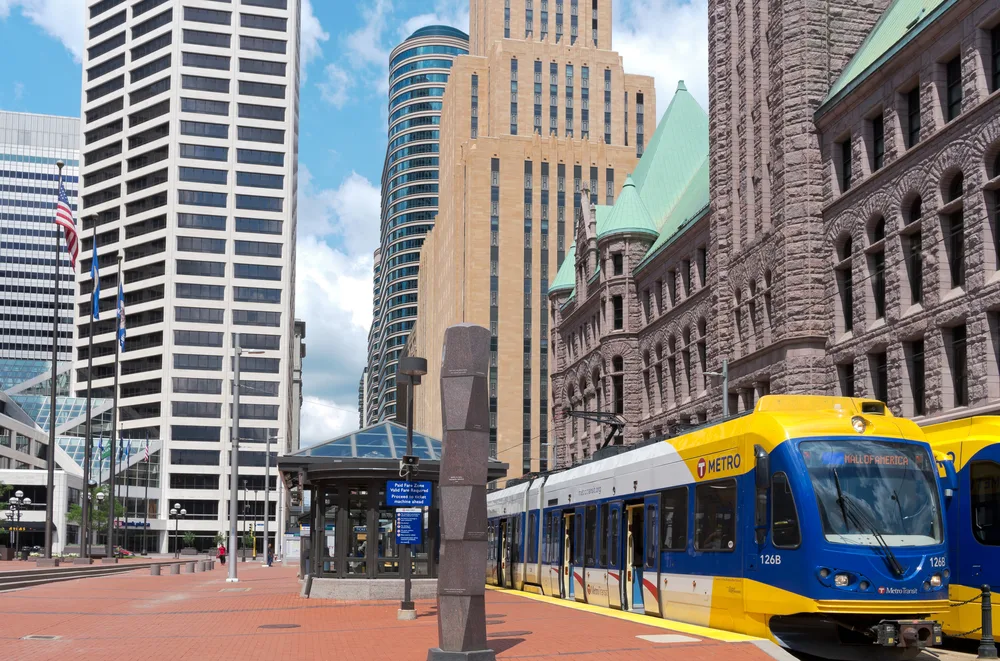
Downtown Minneapolis is well-served by public transportation, including buses and light rail. These are generally safe and efficient options for getting around. When using public transport, be aware of your belongings, keep them close, and avoid excessive displays of wealth. While walking, maintain a confident posture, make eye contact, and project an air of awareness. If approached by panhandlers, a polite but firm “no, thank you” is usually sufficient. Avoid engaging in extended conversations or revealing personal information. If you ever feel unsafe, duck into a busy store or restaurant, or approach a police officer or a Downtown Improvement District ambassador.
Nightlife and Evening Activities
Downtown Minneapolis comes alive at night with numerous restaurants, bars, and entertainment venues. While enjoying the nightlife, it’s wise to travel in groups when possible, especially late in the evening. Be mindful of your alcohol consumption and never leave drinks unattended. Always have a plan for getting back to your accommodation, whether it’s a pre-booked ride-share, a taxi, or knowing the late-night public transport schedules. Ensure your phone is charged so you can call for assistance if needed. Staying aware of your personal limits and surroundings is key to a safe and enjoyable night out.
Exploring Downtown Minneapolis Safely
With a mindful approach to safety, Downtown Minneapolis truly opens up as a rich and rewarding destination. Its blend of historical significance, modern amenities, and natural beauty along the Mississippi River offers countless opportunities for exploration and enjoyment.
Key Attractions and Safe Exploration
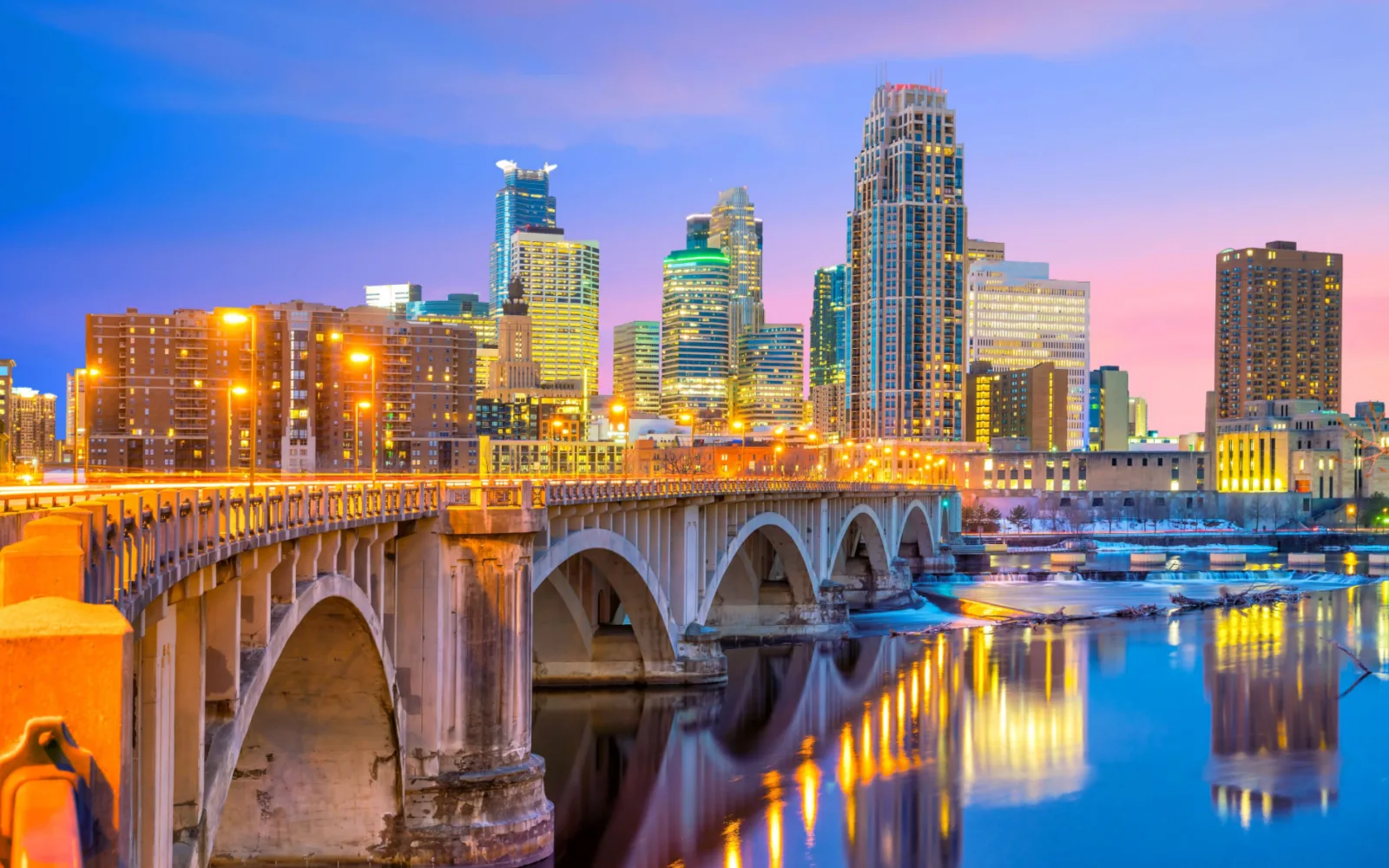
Many of Downtown Minneapolis’s most popular attractions are situated in areas that are generally bustling and safe during operational hours. Visiting the Stone Arch Bridge for scenic views of the Mississippi River and the city skyline is a quintessential Minneapolis experience. The areas around U.S. Bank Stadium are heavily trafficked during events and generally safe. The museums, theaters, and shopping districts within the core are designed for public access and enjoyment. By focusing on these well-known and well-patrolled locations, travelers can minimize potential risks while maximizing their cultural and recreational experiences.
Engaging with the Local Scene Responsibly
Part of the joy of travel is engaging with the local culture and community. In Downtown Minneapolis, this means enjoying its diverse culinary scene, unique boutiques, and vibrant arts performances. When doing so, remember to support local businesses and be respectful of the local community. A responsible traveler is also an aware traveler – someone who understands that while enjoying a city’s offerings, personal vigilance remains a crucial element of safety. Don’t hesitate to ask hotel staff, tour guides, or Downtown Improvement District ambassadors for current safety advice or recommendations on areas to explore. They are valuable resources for navigating the city securely.
In conclusion, the question “Is Downtown Minneapolis safe?” can be confidently answered with a nuanced “yes,” provided visitors approach their trip with awareness and implement practical safety measures. Like any major urban center, it requires a degree of vigilance, but the risks are manageable, and the rewards of exploring this vibrant city are substantial. By understanding the urban environment, being informed about local conditions, and adopting sensible precautions, travelers can experience all the charm, excitement, and culture that Downtown Minneapolis has to offer, creating memorable and safe adventures.
LifeOutOfTheBox is a participant in the Amazon Services LLC Associates Program, an affiliate advertising program designed to provide a means for sites to earn advertising fees by advertising and linking to Amazon.com. Amazon, the Amazon logo, AmazonSupply, and the AmazonSupply logo are trademarks of Amazon.com, Inc. or its affiliates. As an Amazon Associate we earn affiliate commissions from qualifying purchases.