
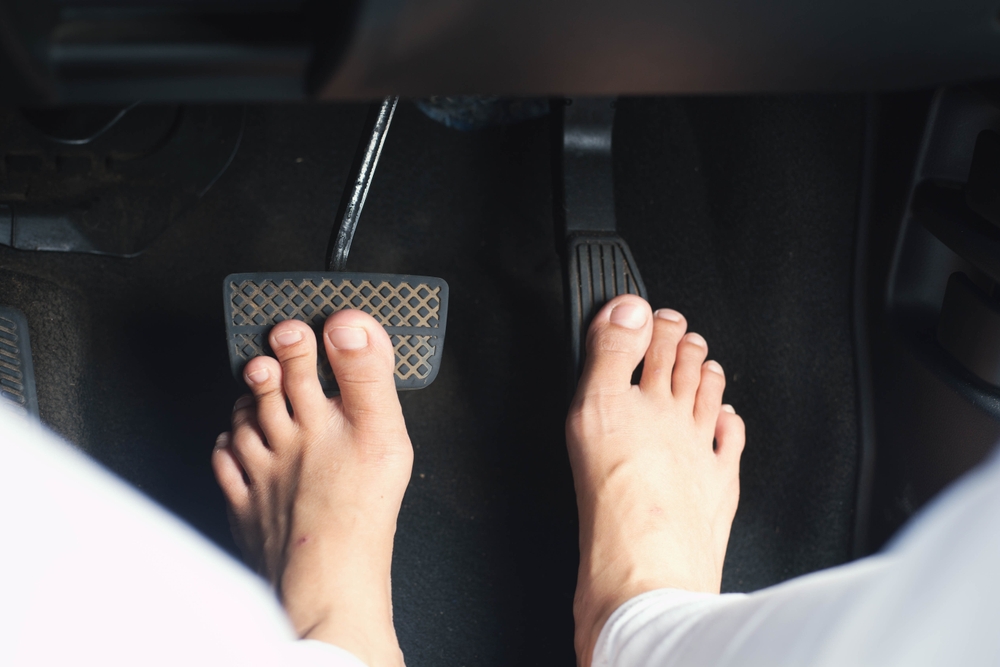
The image of sun-kissed feet, fresh from a dip in the azure waters of the Atlantic Ocean or the tranquil Gulf of Mexico, casually slipping behind the wheel of a car, is almost synonymous with the laid-back, carefree lifestyle often associated with Florida. The Sunshine State, a premier destination for travelers seeking everything from thrilling theme park adventures in Orlando to the vibrant nightlife of Miami and the serene beauty of the Florida Keys, invites visitors to shed their worries—and often, their shoes—the moment they arrive. But while strolling barefoot along the sandy beaches of Siesta Key or South Beach is perfectly acceptable, does this relaxed attitude extend to operating a vehicle? Is driving barefoot actually illegal in Florida?

This seemingly simple question often sparks debate and confusion, largely due to a persistent urban legend that has permeated road safety discussions for decades across the United States. For visitors planning their dream vacation, whether it’s a family trip to Walt Disney World, a romantic getaway to Key West, or a business stay in Tampa, understanding the local driving laws is crucial for a smooth and enjoyable experience. Beyond the legalities, there are significant safety and practical considerations that every driver, especially those navigating unfamiliar roads in a rental car, should be aware of. As a hub for tourism, accommodation, and diverse lifestyle experiences, Florida’s unique environment—from its scorching summer pavements to its sudden tropical downpours—adds another layer of complexity to the barefoot driving dilemma. Let’s delve into the facts, dispel the myths, and offer practical advice for staying safe and compliant on Florida’s roads.
The Legal Landscape: Unpacking Florida’s Barefoot Driving Laws
The widespread belief that driving barefoot is illegal is a classic example of a common misconception that has taken root in popular culture. Many people are convinced that state laws explicitly prohibit the practice, often citing vague safety concerns or insurance implications. However, when we turn to the official statutes of the Sunshine State, the reality paints a different picture.
Dispelling the Myth: What the Law Actually Says
Contrary to popular belief, there is no specific law in the state of Florida that prohibits driving a vehicle barefoot. This means that, from a strictly legal standpoint, you are permitted to operate your car without shoes on, whether you’re cruising down A1A along the coast or navigating the bustling highways around Miami International Airport. The Florida Department of Highway Safety and Motor Vehicles (FLHSMV) does not have any statute on its books that makes barefoot driving an offense punishable by a fine or other penalties.
This lack of specific prohibition is consistent with many other states across the United States. The myth likely stems from a general understanding that proper control of a vehicle is paramount, and some believe that shoes are essential for this control. However, legal frameworks often focus on impaired driving or reckless behavior, rather than specific footwear choices, unless those choices directly contribute to a demonstrable lack of control or an accident.
It’s important to differentiate between explicit laws and general safety recommendations. While the law might not forbid it, law enforcement officers or insurance companies could potentially consider barefoot driving as a contributing factor to negligence in the event of an accident, particularly if it can be argued that the driver’s ability to operate the vehicle safely was compromised. This is where the legal gray area begins, shifting the focus from outright prohibition to potential liability.
The Rationale Behind Footwear Regulations (or lack thereof)
Why hasn’t Florida, a state with millions of annual visitors drawn to its beaches and aquatic activities, enacted such a law? The primary reason is often practicality and the difficulty in legislating what constitutes “safe” footwear. While some types of footwear are objectively problematic for driving (e.g., high heels that can get caught, flip-flops that can slip off or jam pedals), completely bare feet don’t present the same universal and undeniable hazard that would warrant an outright ban.
Legislators and road safety experts typically focus on the driver’s ability to maintain control of the vehicle. If a driver can effectively operate the pedals (accelerator, brake, clutch) with bare feet, then their footwear choice (or lack thereof) is not directly infringing upon a law. The responsibility often falls on the individual driver to ensure they can maintain full control in all driving conditions.
Furthermore, consider the diverse scenarios in Florida: a quick trip from a beach resort like the Don CeSar Hotel in St. Pete Beach to grab a forgotten item, or a short drive from a lakeside cabin in the Everglades to a local store. In such spontaneous moments, the expectation of always donning proper driving shoes might be seen as overly restrictive for a state that thrives on its relaxed coastal vibe. However, this legal freedom does not absolve drivers of their responsibility to drive safely, and that’s where practical considerations come into play.
Beyond Legality: Safety and Practical Implications for Travelers
While the legal answer to driving barefoot in Florida is a resounding “no, it’s not illegal,” the conversation doesn’t end there. For travelers exploring the diverse landscapes and attractions of the Sunshine State, safety should always be the top priority. The practical implications of barefoot driving, and even driving with certain types of footwear, can significantly impact a driver’s control, reaction time, and overall safety on the road.
The Dangers of Barefoot Driving
Even though it’s not illegal, driving barefoot presents several potential hazards that can compromise your safety and the safety of others on Florida’s busy roads:
- Reduced Grip and Feel: While some argue that bare feet offer a better “feel” for the pedals, the reality is that the soft soles of your feet can easily slip on smooth, sweaty, or wet pedals. Florida’s humidity and frequent rain showers can create slick conditions inside the vehicle, increasing the risk of your foot sliding off the brake or accelerator at a critical moment.
- Lack of Protection: In an emergency braking situation, the sudden, forceful pressure required to depress the brake pedal can be painful and even cause injury to bare feet. If your foot slips or cramps, it could impair your ability to react swiftly and effectively. Moreover, if you need to quickly pivot your foot between pedals, the lack of support can slow your reaction time.
- Foreign Objects and Debris: The floor of a car, especially a rental car frequented by many travelers, can accumulate small debris like sand, pebbles, or even spilled liquids. Driving barefoot means your feet are directly exposed to these irritants, which could distract you or cause discomfort, leading to a momentary lapse in concentration.
- Heat Transfer: Florida’s intense sun can heat up vehicle interiors and pedals to extreme temperatures. Bare feet could experience significant discomfort or even burns when touching hot metal or plastic pedals, especially after the car has been parked in direct sunlight. This discomfort can be a major distraction.
The Pitfalls of Improper Footwear
It’s not just bare feet that can be problematic. Many common vacation footwear choices, while comfortable for walking around Disney Springs or a beach town like St. Augustine, are far from ideal for driving.
- Flip-Flops and Sandals: These are perhaps the most notorious culprits. Flip-flops can easily slip off your foot, become lodged under or between pedals, or get tangled, preventing you from operating the vehicle correctly. The flimsy design offers poor grip and support, making precise pedal control challenging. Imagine trying to slam on the brakes on International Drive and your flip-flop slips off, jamming under the pedal.
- High Heels or Wedges: While less common for beach-goers, these can significantly impair driving. They alter the angle of your foot on the pedal, reduce sensory feedback, and the heel can get caught on floor mats or the edge of pedals, making smooth transitions difficult and potentially dangerous.
- Slippery Soles: Shoes with slick soles, whether they are dress shoes, certain athletic shoes, or even wet sandals, can reduce friction with the pedals, leading to a lack of control, especially during sudden braking or acceleration.
Why Proper Footwear Matters for Your Florida Trip
For travelers exploring Florida, prioritizing appropriate footwear for driving is a small but significant step toward ensuring a safe and enjoyable journey. Whether you’re navigating the scenic coastal roads near Naples or the busy thoroughfares of Jacksonville, reliable footwear offers several benefits:
- Enhanced Control: Shoes with a good sole provide consistent grip on pedals, allowing for precise and confident operation of the accelerator, brake, and clutch.
- Improved Reaction Time: Proper footwear ensures your foot is stable and can move quickly and efficiently between pedals without slipping, jamming, or causing discomfort.
- Protection: In an emergency, sturdy shoes offer protection for your feet, enabling you to apply necessary force without pain or injury.
- Peace of Mind: Knowing you’re properly equipped to handle any driving situation, even unexpected ones, contributes to a more relaxed and confident driving experience, which is particularly valuable when you’re in an unfamiliar place.
Barefoot Driving and Your Florida Travel Experience
The question of barefoot driving isn’t just a legal or safety query; it touches upon various aspects of the travel experience, especially when considering practicalities like rental cars, insurance, and embracing the local lifestyle responsibly. Florida offers a plethora of activities, from theme park hopping to exploring national parks like Everglades National Park, and your footwear choice can subtly influence your convenience and preparedness for these adventures.
Rental Cars, Insurance, and Liability Considerations
For many visitors to Florida, a rental car is an essential part of the itinerary, allowing the freedom to explore beyond resort boundaries. When it comes to rental agreements, specific clauses regarding footwear are rare. However, rental car companies operate under the assumption that drivers will use the vehicle responsibly and in accordance with general safety principles.
The more significant concern arises in the unfortunate event of an accident. While barefoot driving isn’t illegal, an insurance company or a court could potentially argue that it constituted driver negligence if it can be proven that the lack of proper footwear contributed to the incident. For instance, if you claim your foot slipped off the brake pedal because you were barefoot and sweating, your liability could increase. This could impact your insurance claim, potentially leading to reduced payouts or even denial, especially if your personal car insurance policy or travel insurance has specific negligence clauses.
Furthermore, if you are found at fault in an accident while driving barefoot, the other party’s legal team might use this detail to strengthen their case against you, regardless of whether it was the primary cause of the accident. It’s a risk that most travelers would prefer to avoid, especially when far from home. Therefore, even though the law doesn’t prohibit it, the potential repercussions from an insurance and liability standpoint are compelling reasons to wear appropriate shoes when driving a rental vehicle.
Embracing the Florida Lifestyle Responsibly
Florida’s allure is undeniably tied to its relaxed, sun-drenched lifestyle. From impromptu stops at roadside fruit stands to last-minute decisions to visit a charming coastal town like Sarasota, spontaneity is part of the experience. Many visitors shed their shoes as soon as they hit the sand, and the idea of hopping into a car barefoot seems to align with this carefree spirit.
However, embracing the Florida lifestyle responsibly means balancing relaxation with safety. While the urge to kick off your shoes after a long day at Universal Studios or a morning fishing trip in the Florida Keys is understandable, it’s prudent to consider the context of driving. There’s a difference between walking barefoot on the promenade of Clearwater Beach and operating a multi-ton vehicle on a highway.
Travelers looking for comfort and convenience without sacrificing safety can opt for easy-to-slip-on, closed-toe shoes with good grip. These offer a practical compromise that allows you to quickly transition from a beach activity to driving without compromising your ability to control the car. For example, a pair of lightweight boat shoes or driving moccasins could be an ideal companion for your Florida adventures, seamlessly blending into the casual aesthetic while providing the necessary function for safe driving.
Ultimately, being a responsible traveler in Florida means respecting both the local laws and the general principles of safety. Enjoy the beaches, savor the culture, and indulge in the vibrant activities, but always prioritize safety when you’re behind the wheel.
Best Practices for Navigating the Sunshine State’s Roads
Exploring Florida by car offers unparalleled freedom, allowing you to discover hidden gems, move between major attractions, and truly soak in the diverse experiences the state has to offer. To make the most of your road trip or local commutes, whether you’re staying at a luxury resort in Palm Beach or a cozy Airbnb near Gainesville, adopting a few best practices for driving can enhance your safety and overall enjoyment.
Preparing for Your Journey
Preparation is key to a stress-free travel experience in Florida. When it comes to driving, this includes thoughtful packing and understanding the local driving environment.
- Choose Appropriate Footwear: As discussed, prioritize shoes that are comfortable, offer good grip, and provide stability for operating pedals. Keep a dedicated pair of driving shoes in your vehicle, especially if you plan on visiting beaches or water parks where you might frequently remove your primary footwear. Examples include sneakers, boat shoes, or closed-toe sandals with secure straps. Avoid flip-flops, high heels, and overly bulky boots while driving.
- Understand Florida’s Driving Conditions: The state is known for its intense heat, bright sunshine, and sudden, heavy rain showers. Ensure your rental car has working air conditioning and wipers. Always be prepared for reduced visibility and slick roads during thunderstorms, which can pop up unexpectedly, especially in the afternoon. Sun glare can also be a significant issue, so having sunglasses readily available is crucial.
- Familiarize Yourself with Local Laws: While barefoot driving might not be illegal, other traffic laws are strictly enforced. Pay attention to speed limits, especially in school zones and residential areas. Be aware of Florida’s “move over” law, which requires drivers to slow down and move a lane over for emergency vehicles, utility service vehicles, and tow trucks stopped on the side of the road.
- Plan Your Routes: Utilize GPS or mapping apps, especially if you’re navigating complex areas like Orlando’s tourist corridors or Miami’s sprawling urban network. Be aware of potential toll roads, particularly around major cities, and consider getting a SunPass or using rental car toll programs to avoid fines.
Essential Driving Tips for Visitors
Once you’re on the road, a few general driving tips can make your Florida adventure smoother and safer.
- Maintain Focus: Florida’s beautiful scenery, from its lush landscapes to its stunning coastal views, can be distracting. Keep your eyes on the road and avoid phone use while driving. If you need to consult a map or admire a view, pull over safely.
- Be Mindful of Wildlife: Especially in rural areas or near natural preserves like Myakka River State Park, be alert for wildlife, including deer, alligators, and various birds, which can unexpectedly cross roads. Dusk and dawn are particularly high-risk times.
- Stay Hydrated and Take Breaks: Long drives in Florida’s heat can be fatiguing. Ensure you stay well-hydrated and take frequent breaks to stretch, refresh, and avoid driver fatigue. This is especially important if you’re traveling with family or have a packed itinerary involving visits to multiple attractions.
- Secure Belongings: Theft from vehicles can occur, particularly in tourist areas. Always keep valuables out of sight or take them with you when you leave your car, especially if parked at popular attractions, hotel parking lots, or trailheads.
- Know Your Emergency Contacts: Have the non-emergency contact number for local law enforcement, your rental car company’s roadside assistance, and your accommodation handy. If you break down or need assistance, you’ll be prepared.
By combining an understanding of Florida’s driving nuances with responsible practices, visitors can ensure their exploration of the Sunshine State is not only memorable but also safe and hassle-free.

Conclusion: Drive Smart, Drive Safe in Florida
The initial question, “Is driving barefoot illegal in Florida?”, seems straightforward but unravels into a broader discussion about safety, personal responsibility, and the nuances of travel in a popular tourist destination. While the simple legal answer is no—there is no specific statute prohibiting it in the Sunshine State—this freedom comes with a significant caveat. Legality does not always equate to advisability.
For the millions of travelers who flock to Florida each year, seeking everything from the magic of Magic Kingdom to the tranquility of Sanibel Island beaches, safety on the roads should be paramount. The potential risks associated with barefoot driving—reduced grip, lack of protection in emergencies, distraction from discomfort, and the critical issue of insurance liability—far outweigh the perceived convenience. These factors become even more pronounced when navigating unfamiliar roads, potentially in a rental car, and amidst the dynamic weather conditions that characterize Florida.
Embracing the laid-back Florida lifestyle doesn’t mean forsaking common sense or safety precautions. Instead, it encourages smart choices that allow for maximum enjoyment without unnecessary risks. Opting for appropriate driving footwear—shoes that offer good grip, support, and protection—is a minor adjustment that can significantly enhance your control over the vehicle and your overall safety. Whether you’re embarking on a cross-state road trip or just making a quick run from your hotel to a nearby restaurant, making the conscious decision to wear proper shoes is a testament to responsible travel.
So, while you might not face a ticket for driving barefoot in Florida, you could face far more serious consequences in the event of an accident. Drive smart, drive safe, and ensure your Florida adventure is remembered for its incredible experiences, not for an avoidable incident on the road. Pack those comfortable shoes, enjoy the journey, and explore the beautiful Sunshine State with confidence and peace of mind.
LifeOutOfTheBox is a participant in the Amazon Services LLC Associates Program, an affiliate advertising program designed to provide a means for sites to earn advertising fees by advertising and linking to Amazon.com. Amazon, the Amazon logo, AmazonSupply, and the AmazonSupply logo are trademarks of Amazon.com, Inc. or its affiliates. As an Amazon Associate we earn affiliate commissions from qualifying purchases.