
While the question of whether drunk driving constitutes a felony in Texas is direct, the answer is nuanced, depending on the specific circumstances of the offense. For many travelers and residents alike, understanding the legal ramifications of driving under the influence (DUI) is crucial, especially when planning trips or navigating the roads in the Lone Star State. Texas law categorizes drunk driving offenses based on factors such as prior convictions, the presence of minors in the vehicle, and the outcome of the incident. This intricate legal framework shapes the severity of penalties, ranging from misdemeanors to serious felony charges.
Understanding Texas Drunk Driving Laws
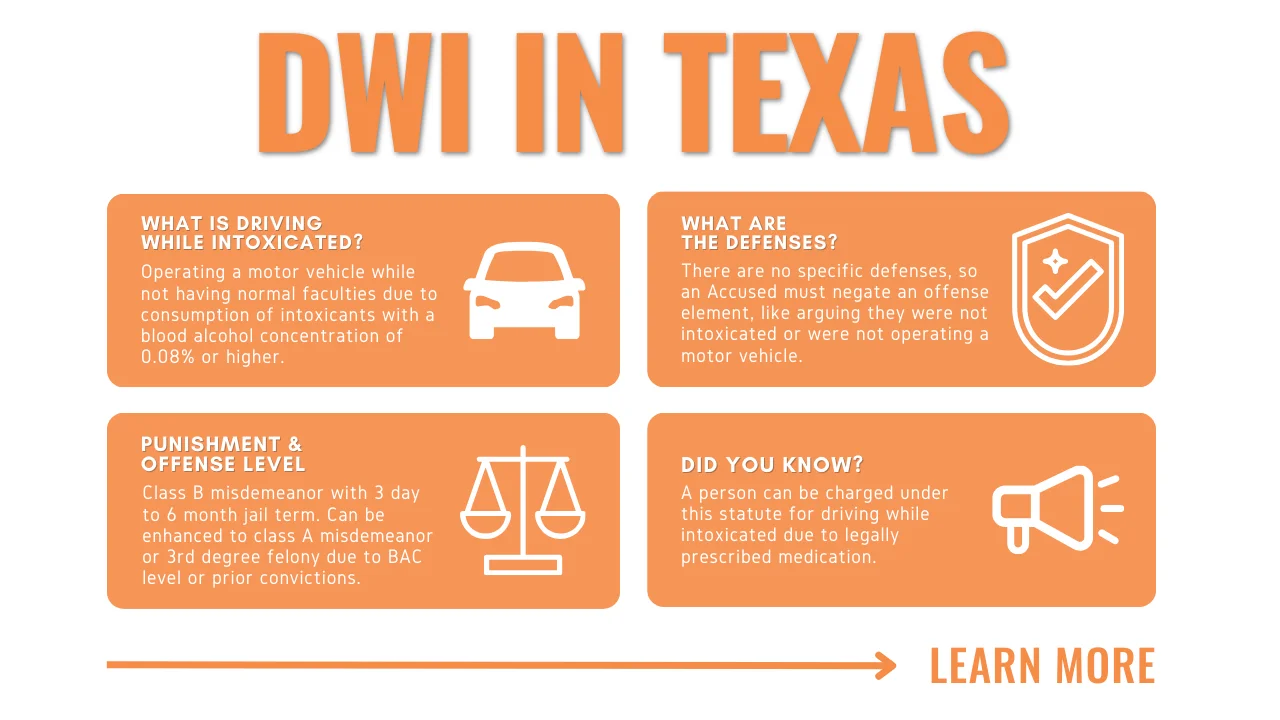
In Texas, the primary statute governing impaired driving is the Texas Alcoholic Beverage Code, specifically Section 49.04, which defines Driving While Intoxicated (DWI). This law prohibits operating a motor vehicle in a public place while intoxicated. “Intoxicated” is defined as having an alcohol concentration of 0.08 or more, or not having the normal use of mental or physical faculties by reason of the introduction of alcohol, a controlled substance, a dangerous drug, a prescription drug, or a combination of any two or more substances into the body.
Misdemeanor Offenses
A first-time DWI offense in Texas is typically classified as a Class B misdemeanor, provided there are no aggravating factors. Penalties for a Class B misdemeanor can include a fine of up to $2,000, jail time of up to 180 days, and a driver’s license suspension of up to 90 days. The court may also order the installation of an ignition interlock device.
A second DWI offense within a ten-year period is elevated to a Class A misdemeanor. This carries more significant penalties, including a fine of up to $4,000, jail time of up to one year, and a driver’s license suspension of up to two years.
Felony Offenses: When DWI Becomes Serious
The classification of a DWI offense as a felony in Texas arises under several specific circumstances, significantly escalating the potential penalties and long-term consequences. These felony charges are not merely more severe versions of misdemeanor offenses; they represent a fundamental shift in the legal classification due to the gravity of the situation.
Third or Subsequent DWI Offenses
The most common pathway to a felony DWI charge in Texas is through repeated offenses. A third or subsequent conviction for DWI, regardless of whether the previous offenses were misdemeanors, is classified as a felony. Specifically, a third DWI is generally a third-degree felony.
Third-Degree Felony Penalties:
- Prison Time: A third-degree felony carries a prison sentence ranging from two to ten years in the Texas Department of Criminal Justice.
- Fines: Fines can be substantial, reaching up to $10,000.
- Driver’s License Revocation: The driver’s license can be revoked for a period of up to two years.
- Ignition Interlock Device: Installation of an ignition interlock device is mandatory.
- Criminal Record: A felony conviction has lasting implications, affecting employment opportunities, the right to vote, and the ability to possess firearms.
DWI with a Child Passenger
Another serious aggravating factor that elevates a DWI charge to a felony is the presence of a minor in the vehicle. If a person drives while intoxicated and there is a passenger under the age of 15 in the vehicle, the offense is enhanced to a felony. This is known as DWI with a Child Passenger.
DWI with a Child Passenger Penalties:
- Third-Degree Felony: This offense is typically charged as a third-degree felony, carrying the same prison sentence range (two to ten years) and fines (up to $10,000) as a third DWI offense.
- Additional Child Endangerment Charges: In addition to the DWI charge, the driver may also face separate charges for child endangerment, which can further complicate legal proceedings and increase penalties.
Intoxication Manslaughter and Intoxication Assault
The most severe consequences arise when drunk driving results in injury or death. These offenses are classified as serious felonies, reflecting the devastating impact on victims and their families.

-
Intoxication Assault: This felony occurs when a person commits a DWI and, as a direct result of that intoxication, causes serious bodily injury to another person. Serious bodily injury is defined as bodily injury that creates a substantial risk of death or that causes death, serious permanent disfigurement, or protracted loss or impairment of the function of any bodily member or organ.
- Penalties for Intoxication Assault: Intoxication assault is a third-degree felony, punishable by two to ten years in prison and fines up to $10,000. However, if the victim is a highway construction or maintenance worker actively engaged in their duties, or a first responder, the charge can be elevated to a second-degree felony.
-
Intoxication Manslaughter: This is the most serious felony drunk driving charge and occurs when a person commits a DWI and, as a direct result of that intoxication, causes the death of another person.
- Penalties for Intoxication Manslaughter: Intoxication manslaughter is a second-degree felony. This carries a prison sentence of two to 20 years and fines up to $10,000. In particularly egregious cases, or if there are other aggravating factors, the sentence can be enhanced.
Aggravating Factors and Enhancements
Beyond the fundamental categories of misdemeanor and felony, Texas law includes several “enhancements” that can increase the severity of a DWI charge, even if it would otherwise be a misdemeanor. These enhancements often lead to the offense being classified as a felony.
High Blood Alcohol Content (BAC)
While a BAC of 0.08 is the legal threshold for intoxication, a significantly higher BAC can lead to enhanced penalties. For instance, a BAC of 0.15 or greater can result in increased fines and jail time for a misdemeanor offense. In some cases, a very high BAC, especially when combined with other factors, can contribute to a felony charge.
Open Container Law
Having an open container of alcohol in the passenger compartment of a vehicle while operating it is a Class C misdemeanor. However, if this offense occurs in conjunction with a DWI, it can serve as an aggravating factor in plea negotiations or sentencing.
Driving with a Suspended or Revoked License
Operating a vehicle while one’s driver’s license is suspended or revoked is a criminal offense in itself. If this occurs while under the influence of alcohol, the consequences are compounded. A DWI charge while the license is already suspended for a previous DWI offense is often treated as a felony.
Impact on Travelers and Visitors
For visitors to Texas, understanding these laws is paramount. Texas is a vast state with popular destinations like Austin, Dallas, Houston, and the Texas Hill Country. While these cities and regions offer incredible experiences, from live music in Austin’s Sixth Street to the museums of Dallas and the Space Center Houston, responsible behavior on the road is non-negotiable.
Choosing Safe Transportation
When enjoying the nightlife in cities like Austin or exploring attractions such as the Alamo in San Antonio, visitors should prioritize safe transportation options. Ride-sharing services like Uber and Lyft are widely available in major urban areas. Many hotels, such as the Hotel ZaZa Dallas or the Four Seasons Hotel Austin, also offer concierge services that can assist with arranging taxis or other transportation. Public transportation systems, while varying in coverage, can also be a viable option in some cities.
Consequences Beyond Legal Penalties
A felony DWI conviction in Texas has far-reaching consequences that extend beyond legal penalties. It can impact:
- Employment: Many employers conduct background checks, and a felony on one’s record can make it difficult to secure employment, especially in fields requiring trust or professional licenses.
- Travel: International travel can become complicated. Some countries may deny entry to individuals with felony convictions. Even domestic travel can be affected if a driver’s license is suspended or revoked.
- Housing: Landlords may deny rental applications based on a felony conviction.
- Firearm Ownership: Individuals convicted of a felony are prohibited from owning or possessing firearms.
- Professional Licenses: Many professions require licenses that can be revoked or denied based on a felony conviction.

Conclusion
In summary, drunk driving is a felony in Texas under specific conditions. While a first offense may be a misdemeanor, subsequent offenses, driving with a child passenger, or causing injury or death while intoxicated will elevate the charge to a felony. The legal landscape of DWI in Texas is designed to deter impaired driving through stringent penalties, particularly for repeat offenders and those whose actions lead to harm. Travelers and residents alike must remain acutely aware of these laws to ensure their safety and avoid severe legal repercussions while navigating the roads of the Lone Star State. Responsible choices regarding alcohol consumption and transportation are not just legal obligations but essential components of a safe and enjoyable experience in Texas.
LifeOutOfTheBox is a participant in the Amazon Services LLC Associates Program, an affiliate advertising program designed to provide a means for sites to earn advertising fees by advertising and linking to Amazon.com. Amazon, the Amazon logo, AmazonSupply, and the AmazonSupply logo are trademarks of Amazon.com, Inc. or its affiliates. As an Amazon Associate we earn affiliate commissions from qualifying purchases.