
California, a state renowned for its golden beaches, vibrant cities, and groundbreaking innovation, often brings to mind images of luxury travel, exquisite dining, and cutting-edge lifestyle trends. Yet, beneath the veneer of its polished tourism industry and glamorous Hollywood facade, there’s a growing subculture embracing a different approach to acquiring goods and sustenance: dumpster diving. This practice, often seen as unconventional, controversial, or even desperate, is increasingly being adopted by individuals seeking to reduce waste, save money, and challenge consumerist norms. For budget travelers exploring the expansive landscapes of the United States, eco-conscious adventurers, or those simply curious about alternative lifestyles, the legality and practicalities of dumpster diving in California present a fascinating and complex topic.
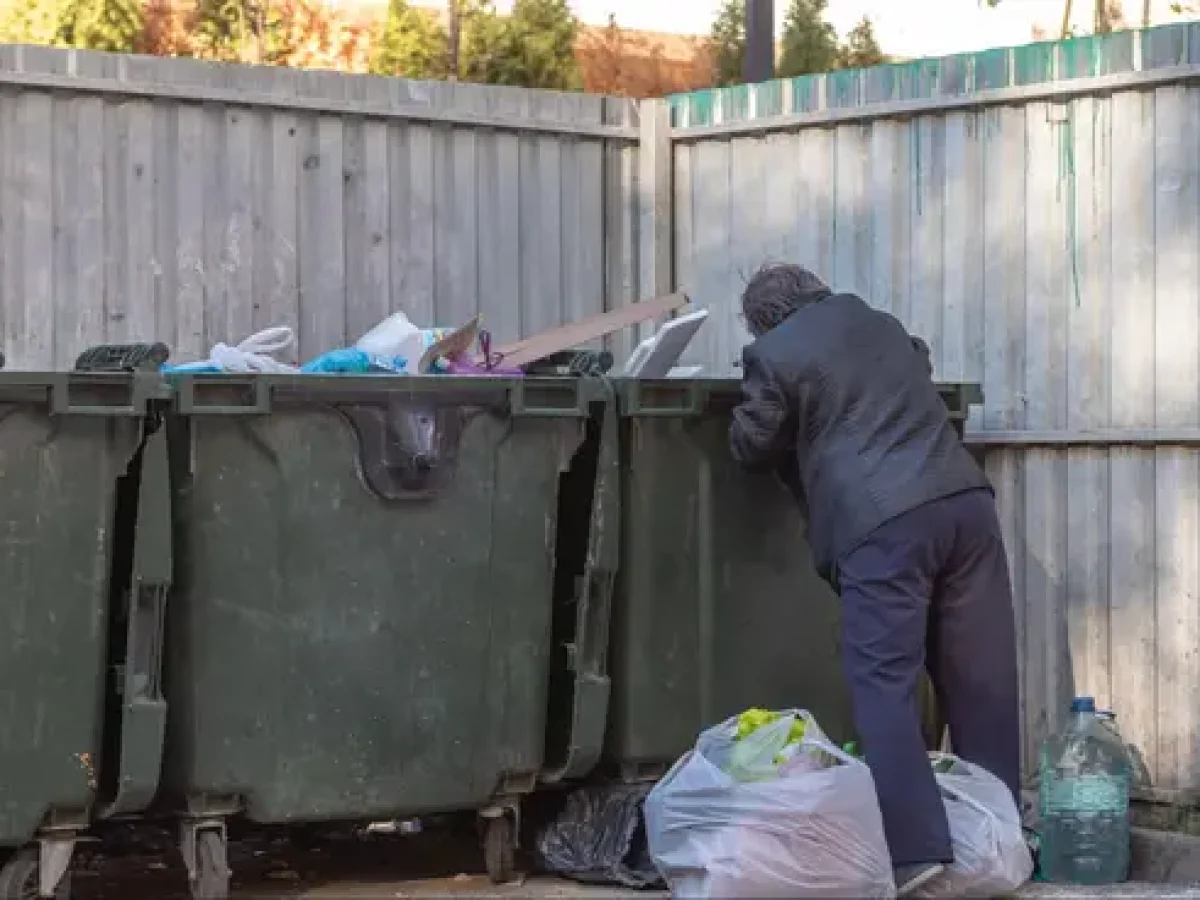
The question “Is dumpster diving legal in California?” isn’t as straightforward as a simple yes or no. It delves into nuanced legal interpretations, ethical considerations, and practical implications that vary widely depending on specific circumstances. As we explore this unique facet of life and travel, we’ll uncover the legal framework, potential risks, and the surprising ways in which dumpster diving intersects with sustainable living, budget-conscious travel, and a deeper understanding of our consumption habits in the Golden State. Whether you’re planning a trip to the bustling streets of Los Angeles, the artistic enclaves of San Francisco, or the serene beauty of San Diego, understanding these dynamics can offer a fresh perspective on local culture and alternative ways of experiencing a destination.
The Legal Landscape of Dumpster Diving in California
Understanding the legalities of dumpster diving in California is paramount for anyone considering this activity. While many might assume it’s inherently illegal, the legal situation is more nuanced, primarily hinging on the concept of abandoned property and the location where the diving occurs.
The Abandoned Property Doctrine
At the heart of the legality of dumpster diving in California and indeed much of the United States is the “abandoned property” doctrine. This legal principle generally states that once property is discarded and placed in a public trash receptacle, or on public property for collection, the original owner has relinquished their right to it. It is then considered abandoned and, therefore, fair game for anyone to take. This concept was famously affirmed by the Supreme Court in the 1988 case of California v. Greenwood. In this landmark ruling, the court determined that individuals do not have a reasonable expectation of privacy for trash left out for collection in an area accessible to the public. While this case specifically addressed police searches of garbage, its underlying principle about the abandonment of property has been broadly interpreted to apply to individuals retrieving discarded items.
In essence, if a dumpster is located on public property (like a sidewalk or alleyway) and is accessible without crossing private property lines or breaking into an enclosure, the contents are generally considered abandoned. This interpretation forms the basis for many dumpster divers’ belief that their activities are legal. However, this general rule comes with significant caveats, particularly concerning where the dumpster is situated and any explicit rules governing its contents. It’s not a blanket permission slip, but rather a starting point for understanding the legal nuances that can make or break the legality of a dive.
Navigating Private Property and Trespassing
The most significant legal hurdle for dumpster divers in California is trespassing. While the contents of a dumpster on public land might be fair game, the moment that dumpster is located on private property—which is where the vast majority of commercial dumpsters are—the situation changes dramatically. Private property includes everything from the parking lots of supermarkets and retail stores to the service alleys behind restaurants, and the loading docks of commercial businesses. Entering these areas without explicit permission from the property owner or manager constitutes trespassing, which is illegal in California.
Signs explicitly stating “No Trespassing,” locked gates, fences, or any other clear indications that an area is off-limits are powerful deterrents. Even if there are no physical barriers or signs, the very act of entering property that is not publicly owned or accessible can be considered trespassing. Violating trespassing laws can lead to fines, arrest, and even a criminal record, depending on the severity and repeat offenses. For travelers, an encounter with law enforcement over trespassing could significantly disrupt a trip and lead to unforeseen complications.
It is crucial for anyone considering dumpster diving to understand this distinction. A dumpster behind a business is almost certainly on private property. Accessing it means crossing that property line, making the act potentially illegal. Furthermore, breaking into a locked dumpster or circumventing security measures (like climbing fences) unequivocally constitutes illegal activity, moving beyond simple trespassing to potentially more serious charges like burglary or vandalism. Therefore, the prudent approach is to only consider dumpsters that are clearly on public land, easily accessible, and do not require any entry onto private premises.
Local Ordinances and Regulations
Adding another layer of complexity to the legal landscape are local ordinances and municipal regulations. While state law may offer a general framework, cities and counties in California have the authority to enact their own specific rules regarding waste disposal, public sanitation, and access to dumpsters. These local laws can vary significantly from one city to another, even within the same county. For example, a city like Sacramento might have different regulations than Los Angeles or San Francisco.
Some municipalities may have ordinances that specifically prohibit tampering with trash receptacles, scavenging, or taking items from dumpsters, regardless of whether they are on public or private land. These regulations are often put in place for public health reasons, to maintain cleanliness, or to prevent nuisance activities. Additionally, some businesses may have specific arrangements with waste management companies, where the contents of their dumpsters are considered the property of the waste management service once discarded, regardless of abandonment by the original owner. This adds another layer of legal ambiguity that individuals must be aware of.
Before attempting to dumpster dive in any specific locality, it is highly advisable to research the local municipal codes and ordinances. This information is typically available on city government websites or by contacting the local sanitation department. Neglecting this research could lead to unexpected fines or legal troubles, even if the activity seems permissible under broader state laws. The adage “ignorance of the law is no excuse” applies here, making due diligence a critical step for any aspiring dumpster diver in California.
Beyond Legality: Risks, Ethics, and Safety
While the legal aspects are foundational, a complete understanding of dumpster diving in California requires delving into the inherent risks, ethical considerations, and the broader environmental impact of the practice. It’s not just about what you can do, but also what you should do, and how to do it safely and responsibly.
Health and Safety Concerns
Dumpster diving, by its very nature, carries significant health and safety risks. Dumpsters are not designed for human entry or foraging, and their contents can be hazardous. Common dangers include:
- Sharp Objects: Broken glass, discarded ceramics, rusty metal, and sharp plastic can cause severe cuts and puncture wounds.
- Biohazards: Expired food, medical waste (even if inadvertently discarded), and general refuse can harbor bacteria, viruses, mold, and other pathogens. Contact with these can lead to infections or illnesses.
- Chemicals: Businesses may dispose of cleaning agents, paints, solvents, or other chemical products that can be toxic or corrosive.
- Falling Hazards: Unstable piles of trash can shift, causing individuals to fall and sustain injuries. Dumpsters themselves can be deep, making exit difficult or dangerous.
- Pests: Rodents, insects, and other pests are commonly found in and around dumpsters, posing risks of bites, stings, or disease transmission.
Furthermore, consuming food found in dumpsters, even if it appears perfectly fine, carries a risk of foodborne illness. While many items might be discarded simply due to overstocking, minor cosmetic imperfections, or approaching “best by” dates rather than being spoiled, there’s no way to guarantee safe handling or storage conditions once it’s in the trash. The lack of temperature control can quickly turn edible food into a health hazard. Essential safety gear like heavy-duty gloves, sturdy closed-toe shoes, a flashlight, and proper tools (e.g., a grabber) are non-negotiable for anyone considering this activity.
Ethical Considerations and Stigma
Beyond the immediate dangers, dumpster diving navigates a complex ethical landscape. One perspective champions it as an act of waste reduction and resource recovery, challenging a consumerist society that discards vast amounts of usable goods. From this viewpoint, taking discarded items is a form of environmental activism, preventing perfectly good items from ending up in landfills. This aligns with the “Lifestyle” aspect of our website, particularly concerning sustainable and budget travel.
However, the practice also carries a significant social stigma. Many people view dumpster diving as unsanitary, desperate, or even criminal. This perception can lead to uncomfortable confrontations with business owners, employees, or members of the public. There’s also the ethical debate around whether taking items from a business’s dumpster, even if legally abandoned, infringes on their property rights or goodwill. Some businesses might prefer to donate surplus items to charities rather than having individuals scavenge through their trash, creating a tension between different forms of waste management. The appearance of divers can also lead to businesses taking stricter measures, like locking dumpsters or installing security cameras, making the practice harder for everyone. Respect for the property, leaving the area cleaner than found, and being discreet are crucial to mitigating these ethical concerns and reducing the negative impact on the community.
Environmental Impact and Sustainability
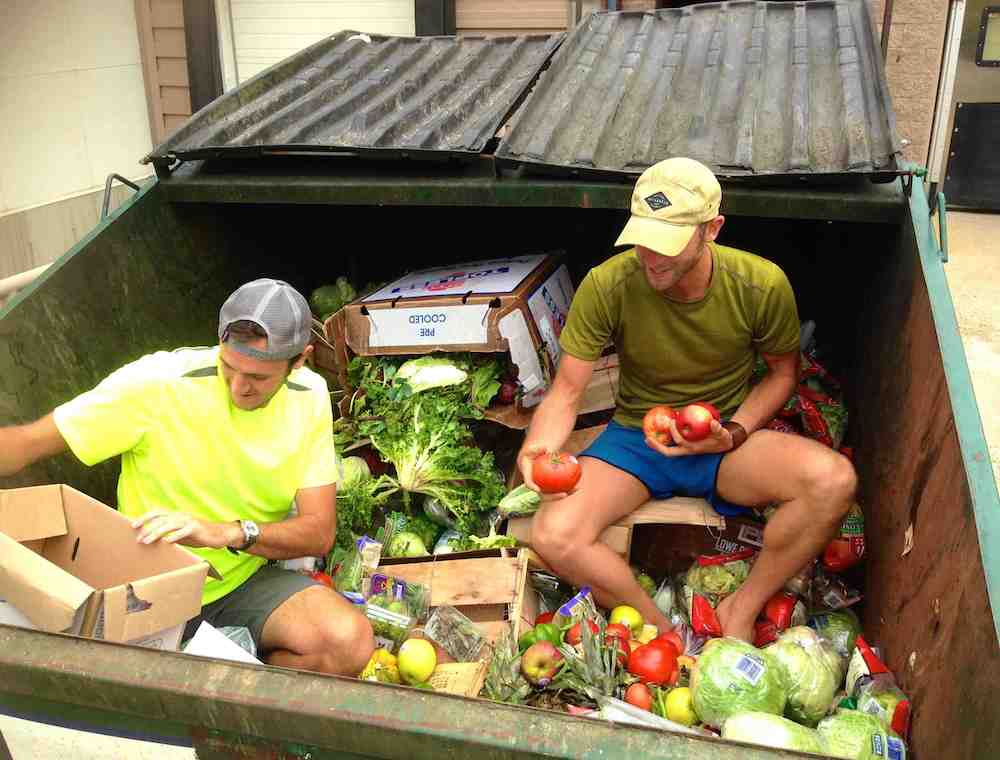
One of the most compelling arguments in favor of dumpster diving is its positive environmental impact. In a world grappling with overflowing landfills and resource depletion, diverting usable items from the waste stream is a powerful act of sustainability. California, with its progressive environmental policies, generates millions of tons of waste annually, a significant portion of which includes perfectly functional goods and edible food. Food waste alone is a massive contributor to greenhouse gas emissions when it decomposes in landfills.
Dumpster diving directly addresses this issue by giving a second life to items that would otherwise contribute to pollution and waste. It embodies the principles of “reduce, reuse, recycle” by skipping the recycling step entirely and going straight to reuse. For the eco-conscious traveler or individual seeking a more sustainable lifestyle, dumpster diving can be seen as a practical application of these values. It minimizes reliance on new production, conserves resources, and reduces the carbon footprint associated with manufacturing and transport.
This aspect resonates deeply with the “Lifestyle” and “Tourism” themes of our platform, highlighting how individual actions can contribute to broader environmental goals. It encourages a mindful approach to consumption and waste, prompting both divers and onlookers to question the sheer volume of perfectly good items that are discarded daily. By recognizing the value in what others deem trash, dumpster diving fosters a culture of resourcefulness and waste reduction that extends beyond personal gain to contribute to a healthier planet.
Dumpster Diving as a Lifestyle: Budget Travel and Alternative Living
For many, dumpster diving is more than just an opportunistic hunt for freebies; it’s a deliberate lifestyle choice that supports budget-conscious travel, promotes sustainable living, and connects individuals to a broader movement of resourcefulness.
The Allure for Budget Travelers and Van Lifers
California is a dream destination for many, but its cost of living and travel expenses can be prohibitive. From accommodations in bustling cities like Los Angeles and San Francisco to the prices of groceries and dining, expenses can quickly add up. This is where dumpster diving finds its niche, particularly among budget travelers, backpackers, and the growing community of van lifers exploring the scenic routes and diverse attractions of the state.
For these adventurers, free food and usable goods can significantly extend a travel budget, allowing them to spend more on experiences, gas, or unique local attractions rather than basic necessities. Imagine saving hundreds of dollars on groceries each month while exploring the national parks or coastal highways of California. This allows for longer stays, deeper immersion in local culture, and the freedom to pursue unconventional travel paths. Van lifers, in particular, often embrace a minimalist and resourceful lifestyle, and dumpster diving perfectly complements this ethos, providing them with essential supplies and reducing their financial footprint as they traverse the diverse landscapes from Lake Tahoe to Death Valley. It’s a way to unlock the Golden State’s wonders without breaking the bank, transforming what might seem like a desperate act into a strategic component of a free-spirited journey.
Finding Hidden Gems and Resources
The treasures found in dumpsters go far beyond just food. Dumpster diving can yield an astonishing array of perfectly good items that businesses and individuals discard due to minor imperfections, outdated models, or simply overstock. These “hidden gems” can include:
- Furniture: Chairs, tables, shelving units that are slightly damaged or out of season.
- Electronics: Sometimes functional, sometimes needing minor repairs, ranging from small appliances to computer components.
- Clothing: New or gently used garments, especially from retail stores clearing out old inventory.
- Books and Media: Often in excellent condition.
- Craft Supplies and Decorations: Leftover materials from events or seasonal changes.
- Building Materials: Scraps from construction sites or discarded overruns.
The thrill of the hunt and the satisfaction of rescuing valuable items from the landfill are powerful motivators. For individuals setting up temporary accommodations, furnishing a van, or simply seeking unique finds, dumpsters can be an unexpected source of resources. This aspect of discovery aligns with the spirit of exploration inherent in travel, turning mundane waste receptacles into potential treasure chests. It fosters creativity and resourcefulness, challenging the notion that value only comes with a price tag. The joy of giving a discarded item a new life, whether it’s a piece of furniture or a slightly bruised fruit, adds a profound sense of purpose to the act.
Community and Philosophy
For many, dumpster diving is not just a solo endeavor but a part of a broader community and philosophy, often linked to “freeganism” or anti-consumerism. Freeganism is an ideology of limited participation in the conventional economy and minimal consumption of resources, particularly by retrieving and reusing discarded goods. This philosophy often includes dumpster diving as a key practice. In cities like San Francisco or Oakland, communities of like-minded individuals share tips, resources, and even organize group dives.
This subculture offers a sense of camaraderie and shared purpose, connecting people who are committed to waste reduction, sustainability, and challenging societal norms around consumption. It’s a way to opt-out of certain aspects of the consumer cycle, living more lightly on the planet and demonstrating that a fulfilling life doesn’t require constant purchasing of new goods. For those interested in local culture and alternative experiences (a key aspect of “Tourism” on our site), engaging with these communities can provide a unique insight into the social fabric of California beyond the typical tourist attractions. It’s a powerful statement about valuing resources over profit and finding abundance in what others overlook.
Practical Tips for Aspiring Dumpster Divers in California
If, after considering the legalities, risks, and ethical dimensions, you decide to explore dumpster diving in California, approaching it with preparation, respect, and discretion is essential.
Research and Reconnaissance
Success in dumpster diving often comes down to good planning and observation.
- Know the Law: As discussed, always research local ordinances in specific cities like Los Angeles, San Diego, or Sacramento before you start.
- Scout Locations: Look for commercial areas with multiple businesses, especially grocery stores, bakeries, dollar stores, and electronics retailers. Pay attention to the location of dumpsters: are they on public property or clearly accessible without trespassing? Avoid areas with “No Trespassing” signs, locked gates, or security cameras.
- Observe Schedules: Businesses often have routine trash disposal schedules. Observing when new trash is put out (e.g., after closing, before morning delivery) can significantly increase your chances of finding fresh items. Likewise, knowing waste collection schedules can help you avoid empty dumpsters.
Essential Gear and Preparedness
Proper equipment is not just for efficiency but for safety.
- Gloves: Heavy-duty, puncture-resistant gloves are an absolute must to protect against sharp objects, chemicals, and biohazards.
- Flashlight/Headlamp: Most diving occurs after dark or in dimly lit areas. A powerful light source is crucial for visibility and safety.
- Appropriate Clothing: Wear old, sturdy clothes that you don’t mind getting dirty. Long sleeves and pants offer additional protection against scrapes and contaminants. Closed-toe, non-slip shoes are essential.
- Bags/Containers: Strong, reusable bags, boxes, or even a collapsible wagon can help transport your finds.
- Tools: A grabber tool can be invaluable for reaching items without having to climb into the dumpster.
- Hand Sanitizer/Wipes: For immediate cleanup after handling trash.
- Vehicle: For larger hauls, a car, van (common for van lifers!), or bicycle with a trailer might be necessary.

Respect and Discretion
Maintaining a low profile and showing respect are crucial for sustainable dumpster diving.
- Be Discreet: Avoid drawing attention to yourself. Dive during off-peak hours (often late at night or very early morning).
- Leave No Mess: Always leave the dumpster area tidier than you found it. Do not scatter trash or create additional mess. This is perhaps the most important rule for maintaining access and reducing negative perceptions.
- Be Polite if Confronted: If approached by a business owner, employee, or law enforcement, be respectful and calmly explain your intentions. If asked to leave, do so immediately and without argument.
- Don’t Damage Property: Never break locks, climb fences, or force open dumpsters. This turns a potentially legal or tolerated activity into a criminal act.
- Take Only What You Need: While tempting to grab everything, focus on usable items you genuinely need or can responsibly rehome. This prevents creating new waste and keeps the resource available for others.
Dumpster diving, when approached responsibly and legally, can be a fascinating and rewarding aspect of alternative living and budget travel in California. It challenges traditional notions of value, highlights the scale of waste, and offers a unique perspective on the resourcefulness that defines so many lifeoutofthebox adventures.
In conclusion, the legality of dumpster diving in California is complex and depends heavily on adhering to the “abandoned property” doctrine while meticulously avoiding trespassing on private land and respecting local ordinances. Beyond the legal framework, it presents a rich tapestry of ethical considerations, significant health and safety risks, and profound environmental benefits. For budget travelers, van lifers, and individuals committed to sustainable living, it offers a tangible way to reduce waste, save money, and connect with a community dedicated to a more resourceful existence. While not for everyone, understanding this often-overlooked practice provides a deeper insight into the varied lifestyles and innovative approaches to resourcefulness found throughout the diverse and dynamic landscape of California.