
For many embracing a resourceful lifestyle or navigating travel on a strict budget, the concept of dumpster diving—retrieving discarded items from commercial or residential waste bins—can spark both curiosity and debate. In the picturesque state of Colorado, a place known for its vibrant culture, outdoor adventures, and increasing focus on sustainability, understanding the legality and practicalities of this activity is crucial. While the allure of free goods, from untouched food to functional electronics, can be strong, the legal landscape in Colorado is nuanced, presenting a patchwork of state laws and local ordinances that warrant careful consideration. This article delves into the specifics, offering an insightful guide for those looking to understand the permissibility and implications of dumpster diving within the Centennial State.

The Legal Framework: Understanding Colorado Law
The legality of dumpster diving in Colorado is not straightforward, primarily because there isn’t a specific state law that explicitly prohibits or permits the act itself. Instead, its legality often hinges on a combination of existing laws concerning property rights, trespassing, and waste management. The foundational principle typically referenced in such discussions is the concept of “abandoned property.”
The “Abandoned Property” Principle
At the federal level, the landmark Supreme Court case California v. Greenwood (1988) established a significant precedent: once trash is placed outside the curtilage of a home for collection, it is considered abandoned property, and individuals generally have no reasonable expectation of privacy over it. This ruling has been widely interpreted to mean that retrieving items from publicly accessible trash receptacles—once the property owner has relinquished possession—is not inherently illegal. In Colorado, this principle often forms the basis for arguments that dumpster diving, under certain circumstances, is permissible. However, the application of this principle is rarely as simple as it sounds, especially when moving from federal precedent to state and local enforcement.
The key determinant here is whether the property is truly abandoned. If items are placed in a bin with the clear intent of disposal, they generally fall under this category. However, this intent can be difficult to prove, and the manner in which the items are discarded and where the bin is located can significantly alter the legal interpretation. For instance, a dumpster behind a commercial establishment might contain items that the business still considers its property, even if discarded, especially if it’s within an enclosed area or clearly marked.
The Role of Municipal Ordinances and Private Property
While state law might not explicitly forbid dumpster diving, local municipalities in Colorado often have ordinances that indirectly impact its legality. Cities like Denver, Boulder, and Colorado Springs may have specific rules regarding trespassing, littering, or accessing commercial waste disposal areas. These ordinances can vary widely, making it essential for individuals to research local regulations before engaging in any activity.
More significantly, the concept of private property plays a crucial role. Most dumpsters are located on private property—whether it’s the back alley of a supermarket, a restaurant’s loading dock, or within a residential complex. Accessing these areas without explicit permission from the property owner or tenant can quickly lead to charges of trespassing. In Colorado, trespassing is defined by statute and can range from a petty offense to a misdemeanor, depending on the circumstances, such as whether signs prohibiting entry are posted, or if the property is fenced. Even if the dumpster itself is technically “abandoned property,” gaining access to it by crossing private land can be illegal. Therefore, the physical location of the dumpster is often more critical than the contents within it.
Trespassing and Other Potential Offenses
Beyond trespassing, other charges can arise. If a dumpster diver causes damage to the property (e.g., breaking a lock or lid), they could face charges of vandalism or destruction of property. Creating a mess or leaving trash strewn about could lead to littering citations. Furthermore, some commercial entities might consider the contents of their dumpsters, even if discarded, as part of their business operations, especially if they are disposing of sensitive information or products that could be resold. Taking such items could potentially lead to theft charges, particularly if the perceived value of the items is high. The subjective nature of what constitutes “abandoned” versus “private property” in a dumpster often leaves individuals vulnerable to police discretion and the interpretation of local law enforcement.
The Ethical and Practical Considerations for Resourceful Living
Beyond the legal technicalities, engaging in dumpster diving in Colorado involves a host of ethical and practical considerations that resourceful individuals should weigh. These aspects touch upon personal safety, community relations, and the broader implications for waste reduction and sustainable living.
Safety, Sanitation, and Public Health Risks
Dumpsters are inherently unsanitary environments. They contain rotting food, broken glass, sharp objects, chemicals, and potentially hazardous materials. Individuals engaging in dumpster diving face significant risks of injury, exposure to pathogens, and illness. Punctures, cuts, bites from vermin, and contact with harmful bacteria are serious concerns. The weight and instability of some bins also pose a physical danger. For those considering this activity as part of a lifestyle choice or for budget travel, prioritizing personal safety through appropriate gear (gloves, sturdy shoes, protective clothing) and careful inspection of contents is paramount, though it never fully eliminates the risks. The potential for encountering spoiled food also raises public health concerns, especially if consumed or redistributed without proper knowledge of food safety.
Community Perception and Social Stigma
While some communities embrace “freeganism” or waste reduction efforts, dumpster diving still carries a significant social stigma in many places. Businesses may view it as an unwelcome intrusion, a nuisance, or even a security risk. Neighbors might see it as unsightly or suspicious behavior. This perception can lead to confrontations, complaints to authorities, or even increased surveillance in areas where the activity is common. For individuals seeking to integrate resourceful practices into their lives, navigating these social dynamics requires a degree of discretion and respect for local sensibilities. The goal for many is to reduce waste and utilize resources, but the method can sometimes overshadow the intent.
Environmental Impact and Waste Reduction
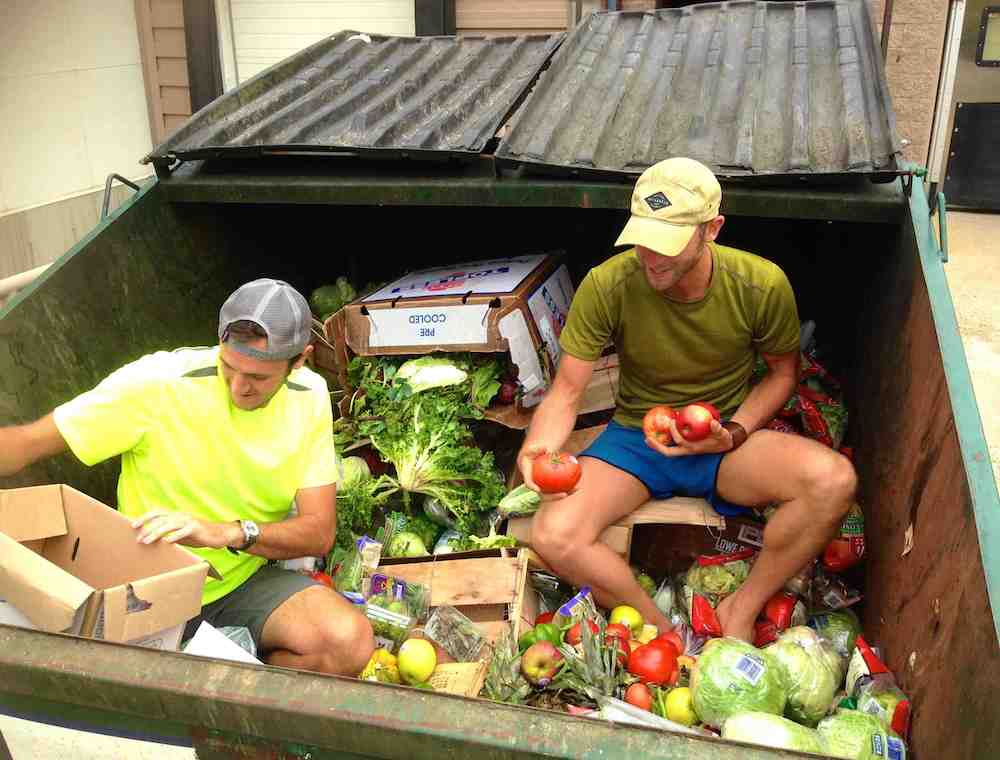
From an environmental perspective, dumpster diving, when done responsibly, aligns with the principles of waste reduction and the circular economy. It diverts usable items from landfills, conserves resources that would otherwise be used to produce new goods, and reduces the carbon footprint associated with manufacturing and disposal. Colorado has a growing focus on sustainability, with many initiatives aimed at reducing waste and promoting recycling. In this context, individuals who recover items from waste streams are, in a way, contributing to these broader environmental goals. However, the informal nature of dumpster diving means its positive impact often goes unmeasured, and it can sometimes be overshadowed by the legal and social challenges it presents. The discussion around food waste, in particular, highlights the potential for this activity to address significant societal inefficiencies.
Dumpster Diving as a Component of Budget Lifestyle and Sustainable Practices
For many, dumpster diving is not merely about finding free items; it is a conscious lifestyle choice driven by a desire for sustainability, a rejection of consumerism, or an economic necessity. It represents a hands-on approach to budget living and a tangible way to participate in waste reduction efforts within the context of Colorado’s progressive environmental landscape.
The Drive Behind Resource Recovery
The motivations for dumpster diving are diverse. For budget travelers exploring [Colorado](https://lifeoutofthebox.com/colorado]’s national parks or vibrant cities, it can be a means to stretch limited funds, obtaining food, camping gear, or other essentials. For those committed to a minimalist or freegan lifestyle, it’s an ideological stand against overconsumption and food waste, seeking to reclaim value from discarded goods. Students in cities like Boulder or Fort Collins, where sustainability and community engagement are highly valued, might explore this practice as a way to reduce their ecological footprint and save money. The underlying drive is often a recognition of the inherent value in items that society has prematurely labeled as “trash.”
Alternatives to Dumpster Diving in Colorado
Given the legal ambiguities and safety concerns, many resourceful individuals in Colorado opt for less risky and often more effective alternatives for resource recovery. These include:
- Community Fridges and Food Banks: Numerous initiatives across Colorado cities aim to redistribute surplus food. Organizations like the Food Bank of the Rockies or local community fridges offer safe, legal, and often more reliable access to food for those in need.
- “Buy Nothing” Groups and Online Freecycling: Platforms like Facebook’s “Buy Nothing” groups, Freecycle, or Craigslist’s “Free” section allow individuals to give away or receive items for free within their local communities, fostering a strong sense of sharing and sustainability.
- Thrift Stores and Consignment Shops: Colorado is home to countless thrift stores, vintage shops, and consignment stores that offer affordable second-hand goods, from clothing to furniture, promoting reuse in a structured and legal manner.
- Gleaning Programs: In agricultural areas, gleaning programs connect volunteers with farms to harvest leftover crops after the main harvest, diverting perfectly good food from waste and often distributing it to those in need.
- Repair Cafes and Tool Libraries: These community-led initiatives encourage repairing broken items rather than discarding them, and offer access to tools and expertise, reducing the need to buy new.
These alternatives not only provide a safer and legally sound path to acquiring resources but also strengthen community bonds and promote a more organized approach to waste reduction.
Best Practices for Ethical Salvaging
For those who still choose to engage in dumpster diving, or other forms of salvaging, operating with an ethical framework is crucial. This means:
- Respecting Property: Never trespass on private property. If a dumpster is behind a fence, gate, or clearly marked “No Trespassing,” it is off-limits.
- Seeking Permission: When possible, politely ask business owners or managers if you can take items from their dumpsters. A direct conversation can often avert misunderstandings and potential legal issues.
- Leaving No Trace: Always leave the area cleaner than you found it. Do not scatter trash or create a mess, which can lead to complaints and stricter rules.
- Prioritizing Safety: Wear appropriate protective gear, bring a flashlight, and never enter a dumpster or put yourself in a precarious position.
- Understanding What Not to Take: Avoid sensitive documents, personal medical waste, or anything that could be considered proprietary information from a business.
Navigating the Grey Areas: Tips for Resourceful Individuals
The grey areas surrounding dumpster diving in Colorado demand a cautious and informed approach. For those committed to resourceful living, understanding these nuances is key to avoiding legal trouble and contributing positively to the community.
Seeking Permission: A Proactive Approach
The most effective way to navigate the legal ambiguity is to seek explicit permission from property owners or business managers. While some might refuse, others, particularly those concerned about waste reduction or community goodwill, might be amenable. This simple step transforms a potentially illegal act into a sanctioned one, ensuring both safety and legality. Businesses might even be open to setting aside certain items for pickup, formalizing a partnership in waste diversion. This proactive approach builds positive relationships and fosters a more cooperative environment for resource recovery.
Awareness of Local Nuances
Given the varying municipal ordinances, it’s incumbent upon resourceful individuals to be aware of the specific rules in the Colorado cities and towns they inhabit or visit. What might be tolerated in one area, perhaps a more rural setting, could be strictly prohibited in a densely populated urban center like Denver or Aurora. Checking local city codes, often available on municipal websites, can provide clarity on specific trespassing laws, littering statutes, and waste management regulations. Engaging with local community groups focused on sustainability can also offer valuable insights into local practices and opportunities.
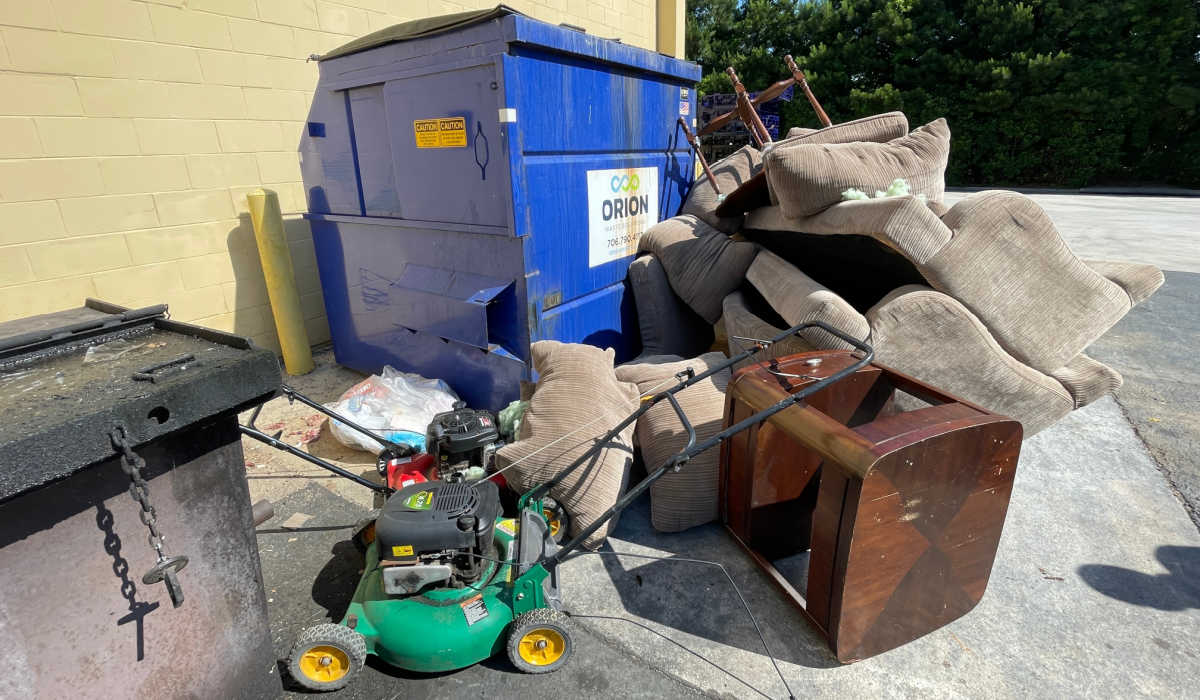
Contributing to the Circular Economy
Ultimately, the spirit behind ethical dumpster diving—resource recovery and waste reduction—is highly compatible with the broader goals of a circular economy. Instead of viewing discarded items as waste, they are seen as resources. For those passionate about this ethos, exploring formal channels for contributing to the circular economy can be more impactful and less risky. This might involve volunteering with food recovery programs, donating to or frequenting reuse centers, or participating in local recycling and composting initiatives. In Colorado, a state increasingly committed to environmental stewardship, such contributions are highly valued and offer a sustainable path forward for resourceful individuals.
In conclusion, while the act of dumpster diving itself isn’t explicitly outlawed by state law in Colorado, its legality is heavily influenced by trespass laws, private property rights, and varying municipal ordinances. For those embracing a resourceful lifestyle or budget travel, it’s a practice fraught with legal and safety risks. A thoughtful approach, prioritizing safety, respecting property rights, and exploring legal alternatives, offers a more sustainable and secure path to responsible resource recovery within the vibrant communities of Colorado.
LifeOutOfTheBox is a participant in the Amazon Services LLC Associates Program, an affiliate advertising program designed to provide a means for sites to earn advertising fees by advertising and linking to Amazon.com. Amazon, the Amazon logo, AmazonSupply, and the AmazonSupply logo are trademarks of Amazon.com, Inc. or its affiliates. As an Amazon Associate we earn affiliate commissions from qualifying purchases.