
For many enthusiasts of online sports betting and daily fantasy sports (DFS) across the United States, the question of FanDuel’s legality is often straightforward. In numerous states, platforms like FanDuel operate openly, offering a convenient way to engage with sports. However, when it comes to the Silver State, Nevada, the answer to “Is FanDuel legal in Nevada?” is a nuanced one, and for most practical purposes, the answer concerning its popular daily fantasy sports contests is no. This unique position stems from Nevada’s deeply entrenched and highly regulated gambling industry, which views daily fantasy sports through a different lens than many other jurisdictions.
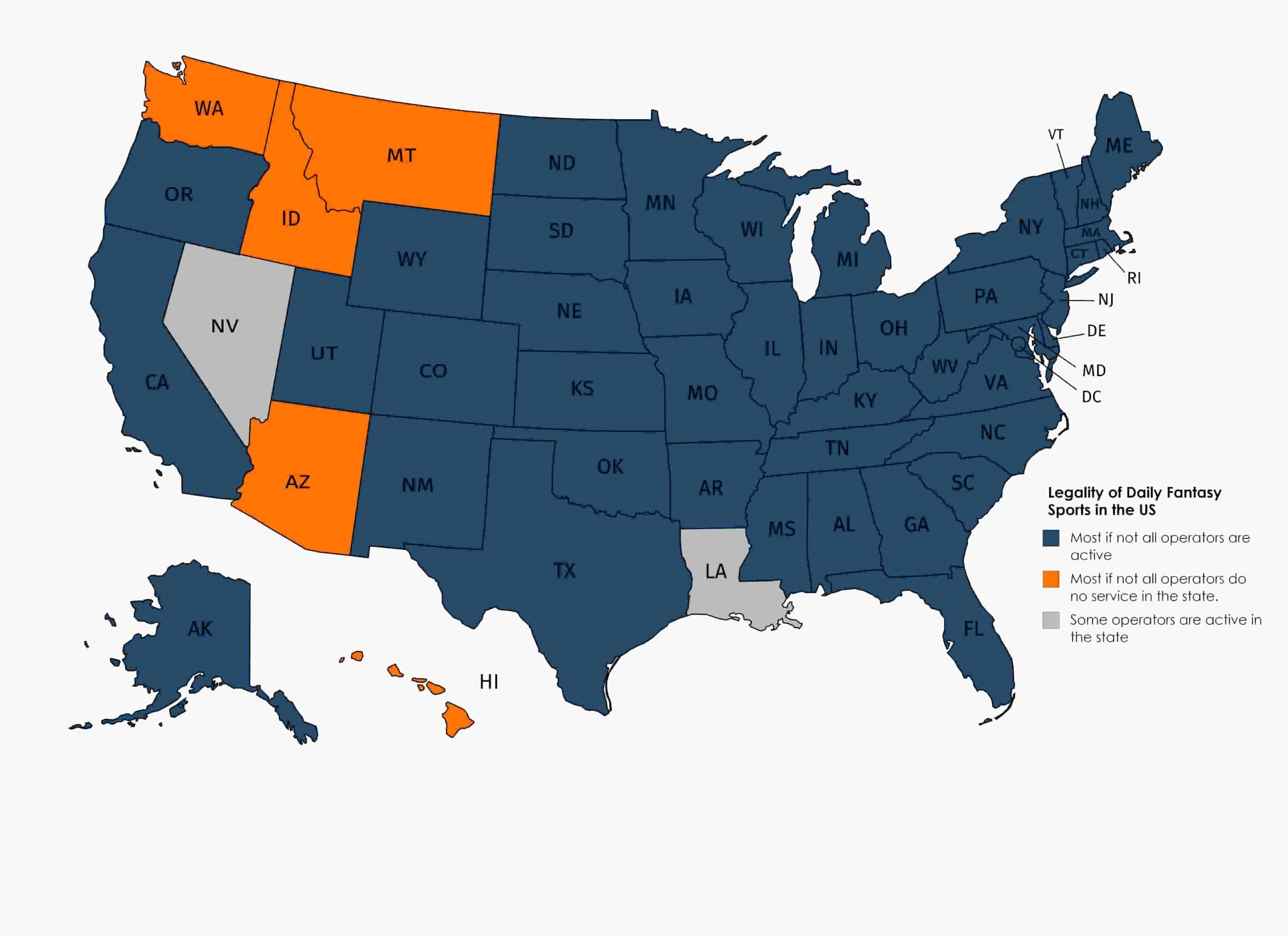
Visitors planning their travel to iconic destinations like Las Vegas or Reno, hoping to continue their FanDuel activities, will find themselves unable to access the platform’s DFS offerings within state lines. This is a crucial distinction for anyone interested in the dynamic world of sports betting and the broader lifestyle associated with gaming in Nevada. While Nevada is synonymous with gambling, its regulatory framework is designed to protect its licensed, land-based casinos and sportsbooks, ensuring all forms of wagering fall under strict oversight.
Nevada’s Unique Stance: A Deep Dive into DFS Legality
The prohibition of FanDuel’s daily fantasy sports in Nevada isn’t an oversight or an accident; it’s a deliberate regulatory decision rooted in the state’s long history as the epicenter of legal gambling. Understanding this stance requires a look into the legal definitions and the historical context that has shaped Nevada’s approach to all forms of wagering.
The Definitive Answer: Daily Fantasy Sports in the Silver State
In October 2015, the Nevada State Gaming Control Board issued a definitive ruling: daily fantasy sports constitutes gambling under Nevada law. This declaration meant that any operator offering DFS contests within the state would need to possess a valid gambling license, just like traditional casinos and sportsbooks. At the time, neither FanDuel nor its main competitor, DraftKings, held such licenses, nor were they structured as traditional sports betting operators. Consequently, they were ordered to cease operations in Nevada.
This ruling effectively shut down the nascent DFS market in the state, leading to a situation where residents and visitors alike cannot participate in FanDuel’s DFS contests from within Nevada. This distinction is vital for those accustomed to accessing such platforms freely in other parts of the country, highlighting Nevada’s unique regulatory environment.
Historical Context: Nevada and the Gambling Landscape
Nevada’s legacy as the global capital of legal gambling dates back to the early 20th century. With the legalization of gambling in 1931, the state pioneered a regulated industry that has since grown into a multi-billion-dollar enterprise centered around iconic hotels, resorts, and entertainment venues. This history has instilled a regulatory philosophy focused on strict oversight, consumer protection, and the integrity of the games offered.
Unlike many states that have only recently begun to grapple with the expansion of online betting and DFS, Nevada has a sophisticated regulatory apparatus. The Nevada State Gaming Control Board and the Nevada Gaming Commission are vigilant in ensuring that all forms of wagering meet stringent licensing requirements, background checks, and operational standards. This robust system aims to prevent fraud, ensure fair play, and protect problem gamblers, all while generating significant tax revenue that supports public services.
When daily fantasy sports emerged as a popular online phenomenon, Nevada’s regulators applied the same rigorous standards. They concluded that the element of skill, while present in DFS, did not negate the predominant element of chance and the payment of consideration for a prize, thus classifying it as gambling. This firm stance underscored Nevada’s commitment to its established gaming ecosystem, where traditional sportsbooks, often integrated into luxurious resorts and hotels, are the primary avenues for sports wagering.
Why Nevada Differs: Regulatory Frameworks and Consumer Protection
The fundamental difference in how Nevada approaches FanDuel and daily fantasy sports compared to many other states lies in its legal definition of gambling and its long-standing regulatory philosophy. While other states might carve out exceptions for DFS as a “game of skill,” Nevada sees it as another form of wagering that falls under its existing, comprehensive gambling laws.
Distinguishing DFS from Traditional Sports Betting
It’s crucial to understand that while FanDuel DFS is not permitted, traditional sports betting is not only legal but thrives in Nevada. The state is renowned for its state-of-the-art sportsbooks, which are integral parts of its tourism and entertainment offerings.
Traditional sports betting in Nevada involves placing wagers on the outcomes of actual sporting events, such as point spreads, moneylines, and totals. These bets are typically made at physical sportsbooks located within licensed casinos, or through mobile apps provided by these licensed operators. The key distinction for regulators is that traditional sports betting operates within a clearly defined and controlled environment, where operators hold full gaming licenses and are subject to stringent oversight.
Daily fantasy sports, conversely, involves participants drafting virtual teams of athletes and competing based on their statistical performances in real-world games. While requiring strategic skill, the payout structure and the element of competing for monetary prizes from a pool often funded by entry fees led Nevada regulators to classify it alongside other forms of gambling. The argument was that if it looks like a bet, acts like a bet, and has a payout like a bet, it is a bet, and therefore requires the same licensing and regulation as other forms of wagering.
The Role of the Nevada State Gaming Control Board
The Nevada State Gaming Control Board and the Nevada Gaming Commission are the twin pillars of gambling regulation in the state. Their primary responsibilities include licensing, enforcement, and ensuring the financial stability and integrity of the gaming industry. Their decision on daily fantasy sports was driven by several factors:
- Level Playing Field: Licensed casinos and sportsbooks in Nevada invest heavily in obtaining and maintaining their licenses, adhering to strict operational guidelines, and paying significant taxes. Allowing DFS operators to function without similar licensing was seen as unfair and a potential threat to the established industry.
- Consumer Protection: By categorizing DFS as gambling, the state could extend its consumer protection measures to participants. This includes safeguards against fraud, ensuring fair odds, and providing resources for responsible gaming—all aspects that are inherent in Nevada’s traditional gaming regulations.
- Jurisdictional Clarity: The ruling provided clear legal definitions, avoiding ambiguity about what constitutes regulated gambling within Nevada’s borders. This clarity is essential for an industry built on strict legal compliance.

This regulatory environment impacts everything from the hotels and resorts that offer gaming to the lifestyle experiences of millions of tourists. It underscores a commitment to a particular model of gaming, one that prioritizes physical establishments and their licensed online extensions over independent online platforms that do not conform to state regulations.
Navigating Sports Betting as a Visitor to Nevada
While FanDuel DFS may be off-limits, visitors to Nevada need not despair if they wish to engage in sports wagering. The state offers unparalleled opportunities for traditional sports betting, integrating seamlessly with the vibrant tourism and travel experiences found in its cities.
Where to Place Your Bets: Licensed Sportsbooks and Mobile Apps
For those seeking to place sports bets, Nevada provides a plethora of options. Las Vegas alone boasts dozens of world-class sportsbooks, often housed within opulent resorts and casinos. These establishments offer a social and exciting atmosphere, often featuring massive screens, comfortable seating, food and beverage service, and expert oddsmakers.
Popular Sportsbook Destinations on the Las Vegas Strip and Downtown Las Vegas:
- Caesars Palace: Renowned for its luxurious setting and comprehensive betting options.
- MGM Grand: Home to one of the largest sportsbooks, offering a lively environment.
- Bellagio: Combines elegance with extensive wagering possibilities.
- The Venetian Resort Las Vegas / Palazzo: Offers an upscale betting experience.
- Wynn Las Vegas / Encore: Features high-end sports betting amenities.
- Cosmopolitan of Las Vegas: A modern and chic option for sports enthusiasts.
- Aria Resort & Casino: Known for its contemporary design and excellent sports lounge.
- Circa Resort & Casino: Located in Downtown Las Vegas, it boasts the world’s largest sportsbook, the SuperBook at Westgate Las Vegas Resort & Casino is another popular destination, providing an immersive experience.
- Resorts World Las Vegas: A newer addition to the Strip with cutting-edge sports betting facilities.
Beyond the physical sportsbooks, virtually all licensed Nevada operators offer mobile sports betting apps. These apps, such as Caesars Sportsbook, MGM Resorts‘ BetMGM, or Circa Sports, allow users to place wagers from their smartphones or tablets while physically present within Nevada’s borders. To use these apps, users typically need to register in person at one of the operator’s physical locations to verify their identity and fund their account, a process designed to comply with regulatory requirements. This provides the convenience of mobile betting without compromising the state’s licensing integrity.
Beyond FanDuel: Exploring Nevada’s Premier Gambling Experiences
Nevada is more than just sports betting; it’s a global hub for all forms of gaming and entertainment. For visitors seeking a comprehensive gambling lifestyle experience, the options are virtually limitless. From the high-stakes poker rooms that host events like the World Series of Poker to the endless rows of slot machines and table games (blackjack, roulette, craps), the state caters to every preference.
Many hotels and resorts offer comprehensive accommodation packages that combine luxurious stays with access to casinos, fine dining, world-class shows, and vibrant nightlife. This integrated tourism model is a hallmark of the Nevada experience, providing a full spectrum of attractions and experiences.
Moreover, Nevada is rapidly becoming a major sports destination itself, hosting professional teams like the Las Vegas Raiders (NFL) at Allegiant Stadium and the Vegas Golden Knights (NHL) at T-Mobile Arena. Attending a live game and then placing a bet at a nearby sportsbook is a quintessential Las Vegas experience. Beyond the bright lights, the state also offers natural landmarks and outdoor activities such as the Hoover Dam, Lake Mead, and Red Rock Canyon National Conservation Area, providing a balanced travel itinerary for all types of visitors.
The Broader Impact: Tourism, Economy, and the Future of Gaming in Nevada
Nevada’s unwavering stance on daily fantasy sports and its robust regulation of traditional sports betting have significant implications for its tourism, economy, and the future evolution of the gaming industry both within its borders and across the United States.
Impact on Nevada’s Tourism and Hospitality Sector
The state’s approach ensures that the vast majority of gambling revenue flows through its licensed operators, many of whom are major employers and contribute substantially to the local and state economy. This model encourages visitors to engage with the physical infrastructure of Nevada’s gaming industry – staying in hotels, dining at resort restaurants, and visiting iconic landmarks like the Fremont Street Experience in Downtown Las Vegas or Paris Las Vegas on the Strip.
While some argue that the absence of major DFS platforms like FanDuel might deter a segment of younger, tech-savvy bettors, Nevada’s comprehensive offerings generally overshadow this. The state’s appeal as a premier travel destination lies in its holistic entertainment packages, where gaming is just one component of a luxurious and exciting lifestyle. The emphasis on regulated, integrated gaming experiences supports the growth of its accommodation sector, from opulent suites to budget-friendly hotels in cities like Henderson or Reno and Lake Tahoe.
The state also benefits from the integrity and reputation of its regulated industry. This commitment to fair play and responsible gaming builds trust among consumers, attracting both domestic and international tourism who seek a secure and reliable environment for their leisure activities.
What Lies Ahead: The Evolving Landscape of Sports Betting
The landscape of sports betting in the United States is dynamic, with more states legalizing and regulating various forms of online wagering. As this evolution continues, questions about the future of DFS in Nevada occasionally resurface.
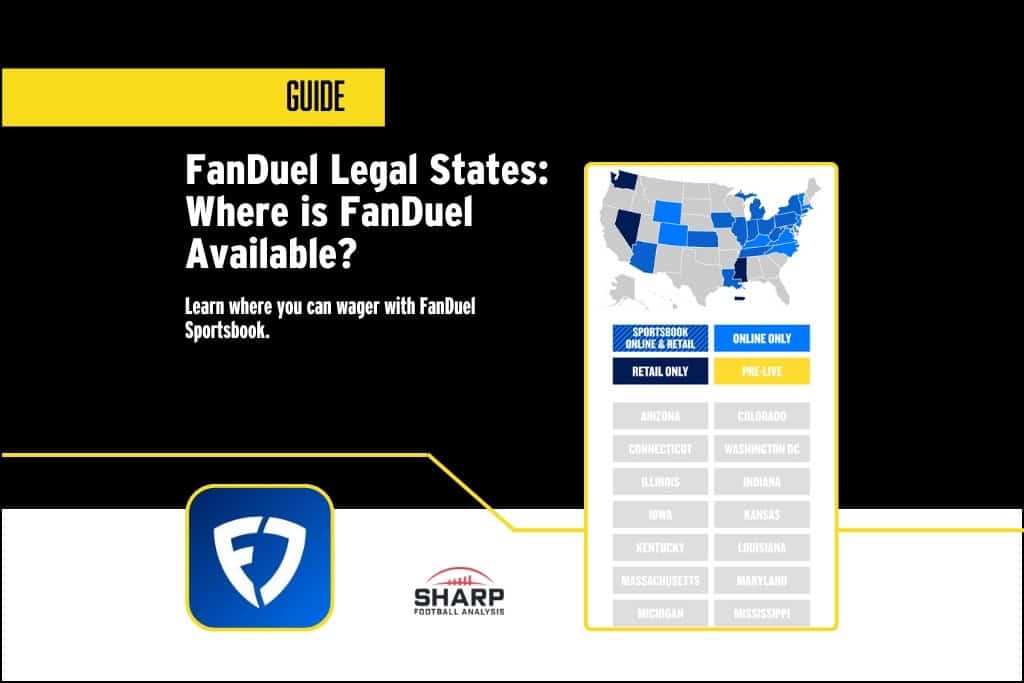
It is conceivable that in the future, FanDuel or similar DFS operators could seek to obtain a full gaming license in Nevada, much like they have in states where they now offer traditional sportsbooks (often referred to as FanDuel Sportsbook). If they were to pursue such licensing and meet all of Nevada’s stringent requirements, their DFS products might eventually become available. However, this would involve a significant shift in their operational model and a willingness to conform to the state’s established regulatory framework, potentially including physical presence requirements or partnerships with existing land-based casinos.
For now, Nevada remains a beacon of traditional, highly regulated gambling. Its stance on FanDuel DFS is a testament to its protective approach to its foundational industry. Visitors eager to engage in sports betting in Nevada should focus on the many legal and vibrant options available through licensed sportsbooks and their associated mobile applications. This ensures not only compliance with state law but also participation in the authentic, world-class gaming experience that only Nevada can offer. Whether you’re staying at a luxury resort on the Strip or exploring the historic charm of Reno, the opportunities for entertainment and wagering are immense, just not through FanDuel’s daily fantasy sports contests.
LifeOutOfTheBox is a participant in the Amazon Services LLC Associates Program, an affiliate advertising program designed to provide a means for sites to earn advertising fees by advertising and linking to Amazon.com. Amazon, the Amazon logo, AmazonSupply, and the AmazonSupply logo are trademarks of Amazon.com, Inc. or its affiliates. As an Amazon Associate we earn affiliate commissions from qualifying purchases.