
For countless travelers and residents in the Lone Star State, the question of whether online sports betting platforms like FanDuel are legal in Texas remains a hot topic. As one of the largest and most dynamic states in the United States, Texas is renowned for its vibrant culture, diverse landscapes, and iconic cities like Houston, Dallas, Austin, and San Antonio. Yet, when it comes to the digital betting landscape, Texas has maintained a more conservative stance than many of its neighbors. Understanding the nuances of Texas gambling laws is crucial for anyone planning a visit or residing within its borders, especially those accustomed to the broader availability of online wagering in other parts of the country.
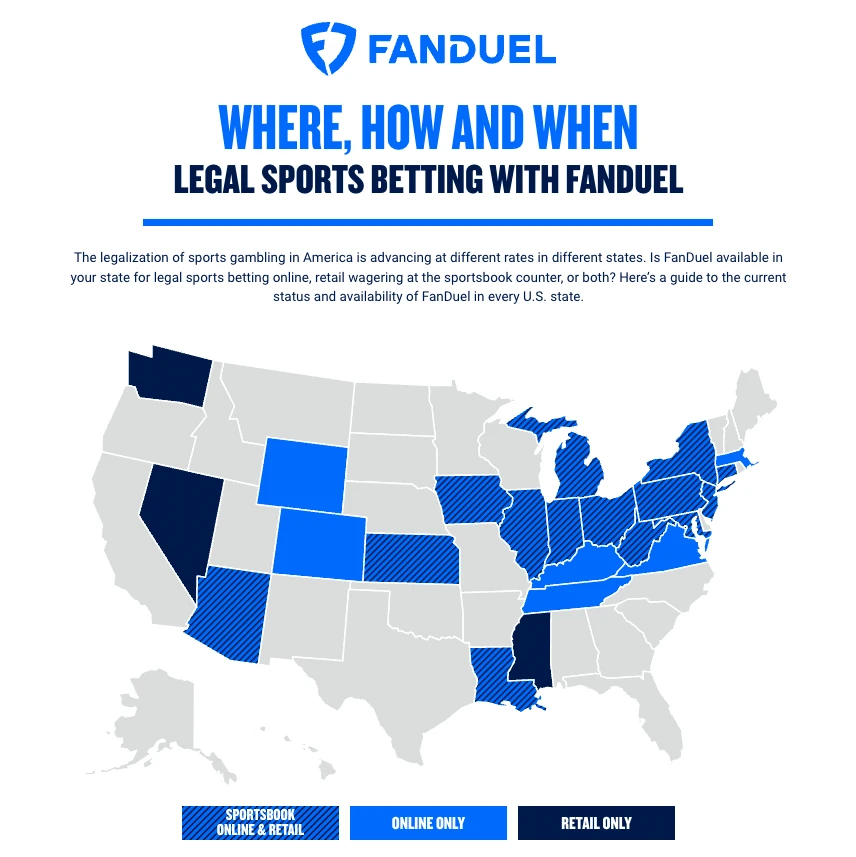
This article delves into the current legal status of FanDuel and similar platforms in Texas, exploring the distinction between Daily Fantasy Sports (DFS) and traditional sports betting, the legislative efforts to expand gambling, and what this means for visitors looking for entertainment options. We’ll also connect these legal discussions to the broader context of travel, tourism, and lifestyle in Texas, offering insights into alternative attractions and experiences that continue to make the state a premier destination.
Navigating the Lone Star State’s Gambling Landscape
The legal framework surrounding gambling in Texas is complex and has historically been quite restrictive. Unlike states such as Louisiana or Oklahoma, which have embraced various forms of casino gambling and sports betting, Texas has largely resisted such expansions. This conservative approach stems from a combination of deeply ingrained cultural values and strong political opposition, making the path for modern betting platforms challenging.
The Current Stance: Daily Fantasy Sports vs. Traditional Sports Betting
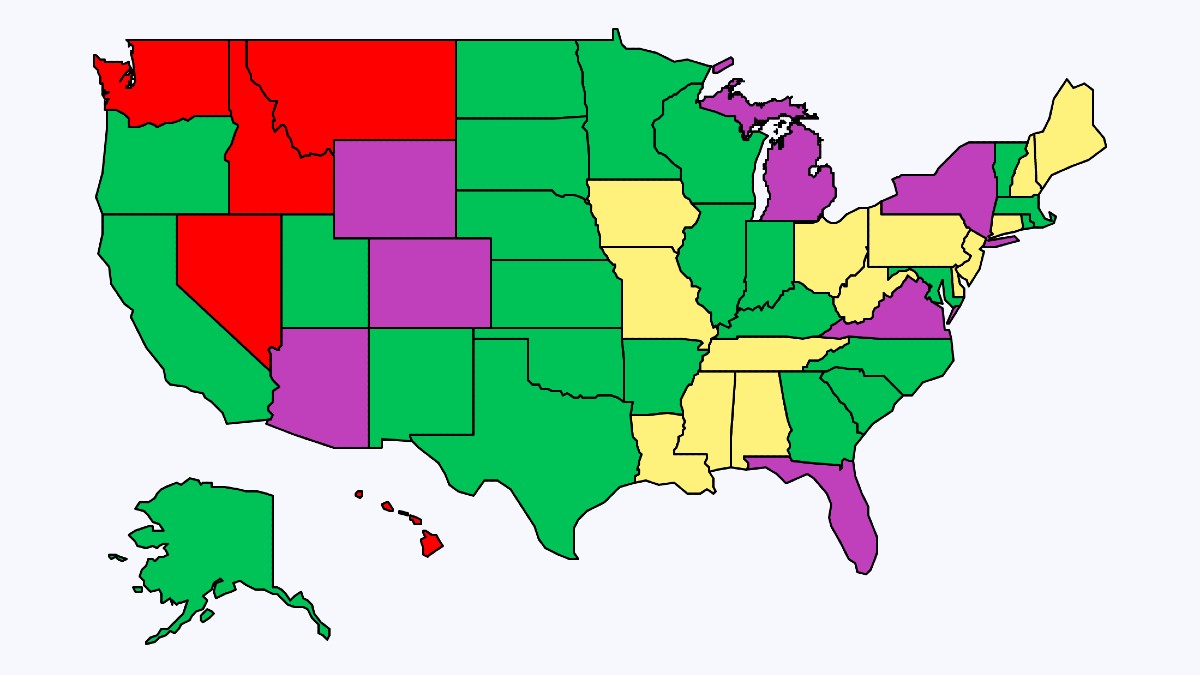
This distinction is central to understanding FanDuel’s presence in Texas. As of the latest legislative rulings, traditional online sports betting — where you place a wager on the outcome of a specific sporting event, spread, or over/under — is not legal in Texas. This means platforms like FanDuel or DraftKings cannot operate their traditional sportsbooks for real-money wagering within state lines.
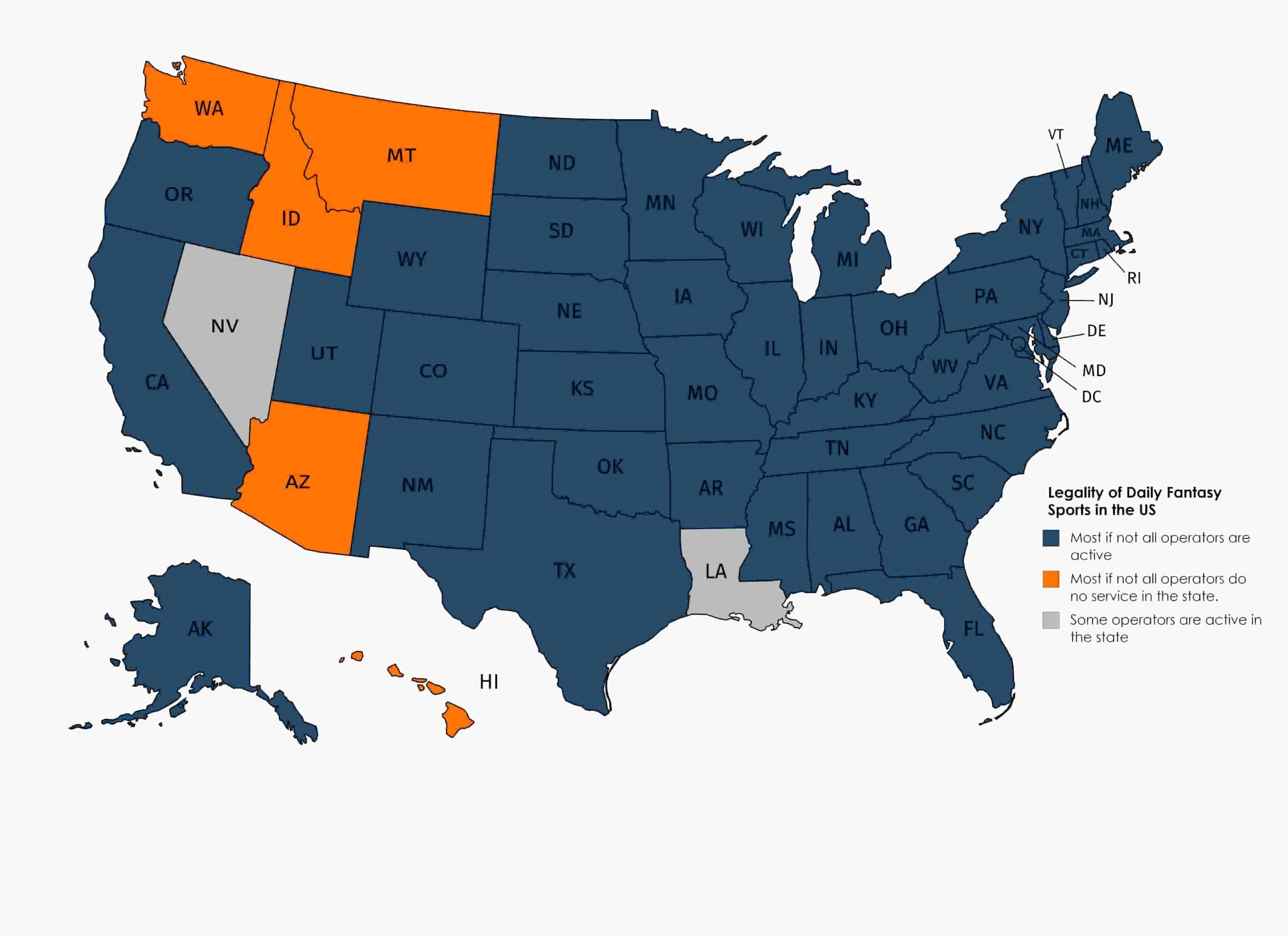
However, the situation is different for Daily Fantasy Sports (DFS). In Texas, the Attorney General issued an opinion in 2016 stating that DFS constitutes illegal gambling under state law. Despite this opinion, FanDuel and DraftKings have continued to operate their DFS contests in the state, arguing that DFS is a game of skill, not chance, and therefore should not be classified as gambling. This legal gray area has allowed Texans and visitors to participate in DFS contests for years, with the operators maintaining their presence despite the Attorney General’s interpretation.
For a traveler or a new resident, it’s vital to understand that while you might be able to participate in Daily Fantasy Sports contests on FanDuel or DraftKings, you cannot legally engage in their online sports betting services that are available in other states. Attempting to access these services from within Texas could lead to account restrictions or other issues, as the platforms are designed to geo-fence users based on their location. This distinction is paramount for responsible engagement with these platforms while in the state.
What Does This Mean for Visitors and Locals?
For sports enthusiasts visiting Texas, the inability to place traditional sports bets can be a point of frustration, especially given the state’s fervent support for professional and collegiate teams. Imagine visiting during the peak of the National Football League (NFL) season, eager to bet on the Dallas Cowboys or the Houston Texans, or during the National Basketball Association (NBA) playoffs supporting the Houston Rockets or San Antonio Spurs, only to find that your usual online sportsbook is inaccessible. The same applies to Major League Baseball (MLB) fans following the Texas Rangers or Houston Astros, or those interested in National Collegiate Athletic Association (NCAA) events.
This legal landscape shapes the lifestyle and entertainment options available. While some might consider a trip to a neighboring state like Louisiana or Oklahoma to place legal wagers, this is not a practical solution for most and adds significant travel time. For many, this means refocusing their attention on the myriad of other attractions and experiences Texas has to offer, from world-class dining and cultural institutions to thrilling outdoor adventures. It’s a reminder that while the digital world offers convenience, local laws still dictate accessibility, influencing how visitors plan their leisure and entertainment budgets during their stays.
Legislative Hurdles and the Path Forward
The discussion around legalizing sports betting and expanding casino gambling in Texas is not new. Every legislative session sees proposals brought forward, often backed by powerful gaming companies, professional sports teams, and economic development advocates. These efforts highlight a persistent tension between traditional values and the potential for significant state revenue and job creation.
Key Players and Political Dynamics
The push for expanded gambling typically involves a coalition of interests. Professional sports franchises, eager to tap into new revenue streams through partnerships with betting operators, have been vocal proponents. Major gaming companies, eyeing the lucrative Texas market with its vast population and high tourism rates, actively lobby the Texas Legislature. Proponents argue that legalizing sports betting could keep billions of dollars currently leaving the state (as Texans gamble illegally or in neighboring states) within Texas, generating substantial tax revenue that could fund education, infrastructure, or other public services.
However, these efforts face formidable opposition. Social conservatives, often citing concerns about the societal costs of gambling addiction and its impact on families, have consistently blocked legislative attempts. Governor Greg Abbott has generally expressed skepticism, although his stance has shown some flexibility on specific proposals. Changing gambling laws in Texas typically requires a constitutional amendment, which necessitates a two-thirds vote in both the House of Representatives and the State Senate, followed by a statewide voter referendum. This high bar makes legislative success particularly challenging, requiring broad bipartisan consensus that has historically been elusive.
Economic Implications for Texas Tourism and Hospitality
The potential economic impact of legalizing sports betting and casino resorts in Texas is a major talking point. Advocates argue that new casinos and sportsbooks could serve as significant tourist attractions, drawing visitors from across the country and even Mexico. This could lead to a boom in the hospitality sector, creating thousands of jobs in construction, hotel management, food service, and entertainment. Large-scale integrated resorts, similar to those in Las Vegas or Atlantic City, could offer luxury accommodation, high-end dining, entertainment venues, and convention spaces, enhancing Texas’s appeal as a travel destination.
For cities like Houston, Dallas, San Antonio, or even smaller communities, the prospect of such developments could mean a significant boost to local economies. Imagine the impact on local hotels, from boutique stays to expansive resorts, which would see increased occupancy from both gamblers and those attending events at these new facilities. The enhanced infrastructure and amenities would not only cater to tourists but also improve the overall lifestyle offerings for residents. The Texas Department of Licensing and Regulation would likely play a crucial role in overseeing any new gambling operations, ensuring fair play and responsible practices. Despite the allure of increased tax revenue and economic growth, the debate continues, reflecting a deep divide on the role of gambling in the state’s future.
Exploring Texas Beyond the Betting Slip: Alternative Experiences
While the legal landscape for online sports betting in Texas remains restrictive, the state offers an unparalleled array of attractions and experiences that cater to every type of traveler. From its sprawling national parks to its vibrant urban centers, Texas promises adventures that far surpass the thrill of a wager.
Iconic Destinations and Cultural Immersion
For those seeking to immerse themselves in rich history and culture, Texas delivers. In San Antonio, visitors can explore the legendary The Alamo, a symbol of Texan independence, and then stroll along the picturesque San Antonio River Walk, enjoying riverside dining and vibrant nightlife. Houston, the state’s largest city, is a hub for space exploration at the NASA Johnson Space Center and boasts an impressive Museum District with world-class institutions like the Museum of Fine Arts, Houston and the Museum of Natural Science.
Dallas offers a blend of modern sophistication and Western charm, with the Dallas Arts District, the George W. Bush Presidential Center, and the family-friendly Klyde Warren Park. Not far from Dallas is Fort Worth, famous for its Fort Worth Stockyards National Historic District, where visitors can witness daily cattle drives and delve into cowboy heritage at the National Cowgirl Museum and Hall of Fame. Austin, the state capital, is renowned as the “Live Music Capital of the World,” home to iconic festivals like South by Southwest (SXSW) and Austin City Limits, alongside the majestic Texas State Capitol.
Beyond the major cities, the natural beauty of Texas is breathtaking. The Texas Hill Country offers stunning wineries, charming small towns, and scenic drives. For adventurers, Big Bend National Park and Guadalupe Mountains National Park provide unparalleled opportunities for hiking, stargazing, and exploring diverse ecosystems. Along the Gulf Coast, destinations like Galveston invite relaxation on the beach, historic tours, and family fun at attractions like Moody Gardens and Schlitterbahn Waterpark in New Braunfels.
Luxury Stays and Budget-Friendly Adventures
Texas’s accommodation options are as diverse as its geography, catering to every budget and travel style. For those seeking a lavish experience, cities offer a range of opulent hotels and resorts. In Grapevine, near Dallas, the Gaylord Texan Resort provides a sprawling complex with themed environments and extensive amenities. Dallas itself boasts properties like the Hyatt Regency Dallas with its iconic Reunion Tower, offering panoramic views. Austin features upscale hotels such as The Driskill Hotel, a historic landmark, and the modern Four Seasons Hotel Austin, providing luxury alongside Lady Bird Lake. Houston is home to The Post Oak Hotel, known for its ultra-luxury accommodations and a private heliport.
For budget-conscious travelers, Texas has countless options, from charming bed and breakfasts in small towns to well-appointed chain hotels and vacation rentals in popular tourist areas. Many state parks offer affordable camping and cabin rentals, allowing visitors to enjoy nature without breaking the bank. Family trips can be enriched by visits to theme parks like Six Flags Over Texas in Arlington or Six Flags Fiesta Texas and SeaWorld San Antonio in San Antonio, along with seasonal events like the State Fair of Texas. Whether you’re planning a luxurious escape or an adventurous, cost-effective journey, Texas ensures a memorable experience that extends far beyond the realm of sports betting. Even iconic sites like South Fork Ranch, famous from the “Dallas” TV series, offer unique guided tours and event spaces that celebrate Texan heritage and lifestyle.
The Future of Wagering and Texas Travel
The debate over expanded gambling in Texas is far from over. As more states legalize sports betting and reap the economic benefits, the pressure on Texas to reconsider its stance will likely intensify. For travelers and locals, understanding these potential shifts is key to anticipating future entertainment and lifestyle options.
What to Watch For in Upcoming Legislative Sessions
Every two years, when the Texas Legislature convenes, proposals for sports betting and casino gaming are almost guaranteed to resurface. The next major opportunity for significant legislative movement will be in upcoming sessions. Key indicators to watch include:
- Political Will: Changes in the political landscape, particularly shifts in the positions of influential figures like the Governor Greg Abbott or key legislative leaders, could open doors for new legislation.
- Economic Imperatives: If Texas faces significant budget shortfalls or seeks new revenue sources without raising traditional taxes, the argument for gambling expansion for economic development could gain more traction.
- Public Opinion: Evolving public sentiment, often influenced by the success of legal gambling in neighboring states and the increasing mainstream acceptance of sports betting, could sway lawmakers.
- Industry Lobbying: Gaming giants like FanDuel, DraftKings, and major casino operators will continue their lobbying efforts, presenting sophisticated proposals for how Texas could benefit from regulated markets.
Any significant changes would likely involve carefully structured regulatory frameworks, potentially managed by an existing body like the Texas Department of Licensing and Regulation or a newly established gaming commission. These frameworks would aim to ensure responsible gaming, protect consumers, and maximize state revenue.
Planning Your Texas Getaway with All Possibilities in Mind
For those planning Texas travel, the current legal status of FanDuel and sports betting means focusing on the state’s existing, abundant attractions. However, staying informed about legislative developments can enhance future trips. Imagine a Texas where you could catch a Dallas Cowboys game and place a legal bet on the outcome from your luxury hotel suite in Dallas, or enjoy a world-class resort in Houston that also houses a bustling sportsbook. Such a future could significantly alter the tourism and lifestyle landscape.
Until then, visitors to Texas can still enjoy the thriving Daily Fantasy Sports scene, where games of skill are widely available. More importantly, the state offers an incredible diversity of experiences: from gourmet food tours in Austin to historical explorations in San Antonio, vibrant nightlife in Houston, and thrilling theme parks across the state. Whether you’re seeking a budget-friendly adventure or a luxurious escape, Texas provides a rich tapestry of options that will keep you entertained, regardless of the betting rules. Keep an eye on the news, as the Lone Star State may yet embrace a new era of regulated gaming, adding another dimension to its already impressive appeal.
LifeOutOfTheBox is a participant in the Amazon Services LLC Associates Program, an affiliate advertising program designed to provide a means for sites to earn advertising fees by advertising and linking to Amazon.com. Amazon, the Amazon logo, AmazonSupply, and the AmazonSupply logo are trademarks of Amazon.com, Inc. or its affiliates. As an Amazon Associate we earn affiliate commissions from qualifying purchases.