
For many travelers mapping out their dream Pacific escape, the sheer vastness of the ocean can lead to geographical confusion. A common inquiry that arises is whether Fiji is part of Hawaii. While both represent the pinnacle of tropical paradise, they are distinct, sovereign entities separated by thousands of miles of deep blue water. Understanding the distinction is the first step in planning the perfect island getaway, as each destination offers a vastly different cultural, environmental, and travel experience.
Navigating the Pacific: Understanding the Geography
It is a common misconception that these two destinations are neighbors, perhaps due to the similar “island vibe” presented in travel brochures. However, the Pacific Ocean is immense, and these islands are situated in completely different regions.
The Location of Hawaii
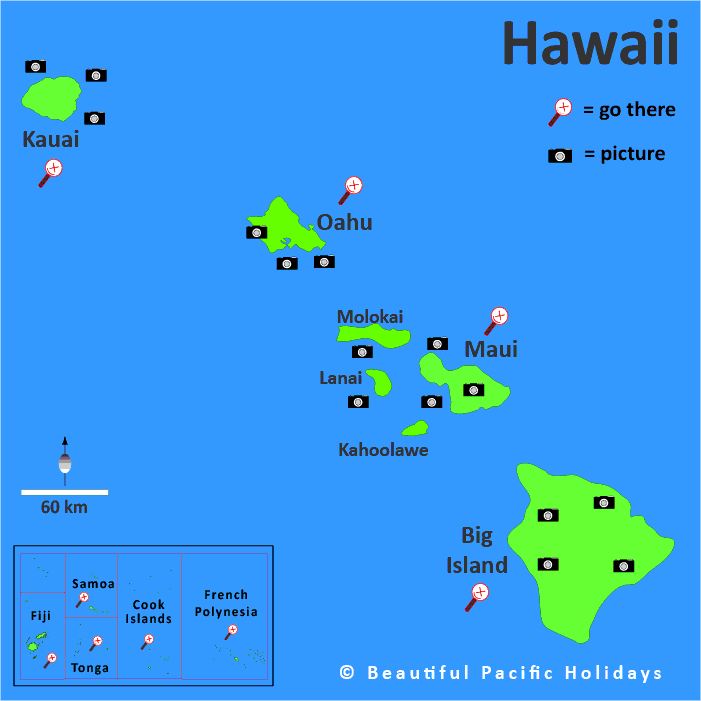
Hawaii is an archipelago located in the central Pacific Ocean. It is a state within the United States of America, positioned approximately 2,400 miles from the mainland U.S. coast. As the northernmost part of Polynesia, it serves as a bridge between North America and the rest of the Pacific island nations. The chain consists of eight main islands, including Oahu, Maui, Kauai, and the Big Island, each featuring volcanic landscapes, lush rainforests, and world-renowned surf breaks.
The Location of Fiji
Fiji is an independent island nation located in Melanesia, a subregion of the South Pacific. It sits roughly 3,000 miles southwest of Hawaii. Comprised of more than 330 islands—with Viti Levu and Vanua Levu being the largest—Fiji is defined by its coral reefs, soft-sand beaches, and a complex topography that ranges from rugged volcanic mountains to expansive sugar cane fields. Because it is located south of the equator, Fiji experiences seasons that are the mirror opposite of those in the Northern Hemisphere.
Comparing the Tropical Experience
While both destinations are synonymous with relaxation, they cater to different types of travelers. Choosing between them often comes down to the specific environment you wish to immerse yourself in.
The Hawaiian Atmosphere
Visiting Hawaii is often described as a blend of exotic beauty and modern convenience. Because Hawaii is a U.S. state, travelers from the mainland enjoy seamless travel logistics, including the use of familiar currency, language, and high-end infrastructure.
- Infrastructure: From the bustling streets of Honolulu to the luxury resorts of Wailea, the amenities are world-class.
- Activities: Travelers flock to the North Shore for surfing, Haleakala National Park for sunrise views, and the Pearl Harbor National Memorial for history.
- Accessibility: It is arguably one of the most accessible tropical destinations in the world, with direct flights connecting it to major hubs across the globe.
The Fijian Escape
Fiji offers a more sequestered, authentic, and “untouched” feeling. It is a destination where time seems to slow down, and the focus is heavily centered on community and hospitality.

- Island Life: The Mamanuca Islands and the Yasawa Islands offer the quintessential “desert island” experience, with crystal-clear turquoise lagoons that are perfect for snorkeling and diving.
- Cultural Depth: The Fijian culture is vibrant and deeply ingrained in daily life. Visitors are often welcomed into local villages with a traditional Kava ceremony, a gesture of friendship that is central to the local identity.
- Eco-Tourism: Fiji is a premier spot for marine life. The Great Astrolabe Reef is one of the largest barrier reefs in the world, attracting underwater enthusiasts who want to experience marine biodiversity far removed from the mainland crowds.
Practical Considerations for Your Trip
Deciding between these two Pacific gems involves more than just geographical awareness. It requires looking at the logistics of your journey.
Transit and Connectivity
For those traveling from North America, Hawaii offers a shorter flight duration and, in many cases, cheaper airfare. If you are looking for a trip that feels like a getaway but still requires the comfort of a familiar system, the Hawaiian islands are hard to beat.
Fiji, by contrast, is a more significant long-haul commitment. International flights typically arrive at Nadi International Airport on Viti Levu. From there, travelers often take smaller “puddle jumper” planes or speedboats to reach their chosen island resort. While the journey is longer, many argue that the isolation and the sense of arrival at a true hidden sanctuary make the extra travel time entirely worth it.
Climate and Timing
Hawaii maintains a relatively consistent tropical climate year-round, though the winter months see more rain on the windward sides of the islands. It is a reliable destination regardless of the season.
Fiji experiences a distinct wet season from November to April, during which time the tropical humidity is higher. The dry season, from May to October, provides the most popular window for travelers, offering sunny, breezy days perfect for island hopping. If you are trying to escape the winter in the Northern Hemisphere, Fiji offers a glorious summer climate during that time.

Which Island Destination Should You Choose?
There is no “better” choice between Hawaii and Fiji—only the choice that is better suited to your specific travel goals.
If your objective is to experience majestic volcanic peaks, expansive national parks, high-octane surfing, and a blend of American convenience with tropical luxury, Hawaii remains the gold standard. Whether you are exploring Waikiki Beach or driving the Road to Hana, the islands provide an effortless and exhilarating vacation experience.
On the other hand, if you are looking to disconnect from the frantic pace of modern life and submerge yourself in a culture of deep hospitality, pristine marine environments, and a sense of remote tranquility, Fiji is the ideal destination. Its warmth—not just in weather, but in the welcoming nature of its people—leaves a lasting impression that draws visitors back time and time again.
Ultimately, knowing that Fiji is not in Hawaii simply opens up the world of travel possibilities. It highlights that the Pacific Ocean is a vast expanse filled with varied, beautiful cultures, each offering its own unique perspective on what it means to live in paradise. Whether you choose to fly east toward the rugged peaks of the Hawaiian Islands or south toward the reef-lined shores of the Fijian Archipelago, you are guaranteed an unforgettable journey into the heart of the tropics.
LifeOutOfTheBox is a participant in the Amazon Services LLC Associates Program, an affiliate advertising program designed to provide a means for sites to earn advertising fees by advertising and linking to Amazon.com. Amazon, the Amazon logo, AmazonSupply, and the AmazonSupply logo are trademarks of Amazon.com, Inc. or its affiliates. As an Amazon Associate we earn affiliate commissions from qualifying purchases.