
Florida, often celebrated for its sun-drenched beaches, vibrant cities, and unique ecosystems, presents an idyllic picture of long-term accommodation. From the bustling metropolitan areas of Miami to the theme park capital of Orlando, and the serene Gulf Coast, countless individuals choose the Sunshine State for their permanent or seasonal residences. However, this paradise comes with a distinct environmental reality: the omnipresent threat of flooding. For anyone considering a long-term stay, whether through property ownership or extended rental, understanding the requirements and critical importance of flood insurance is paramount. It’s not just a matter of compliance; it’s a fundamental aspect of securing your accommodation and safeguarding your financial future in a state frequently impacted by water.
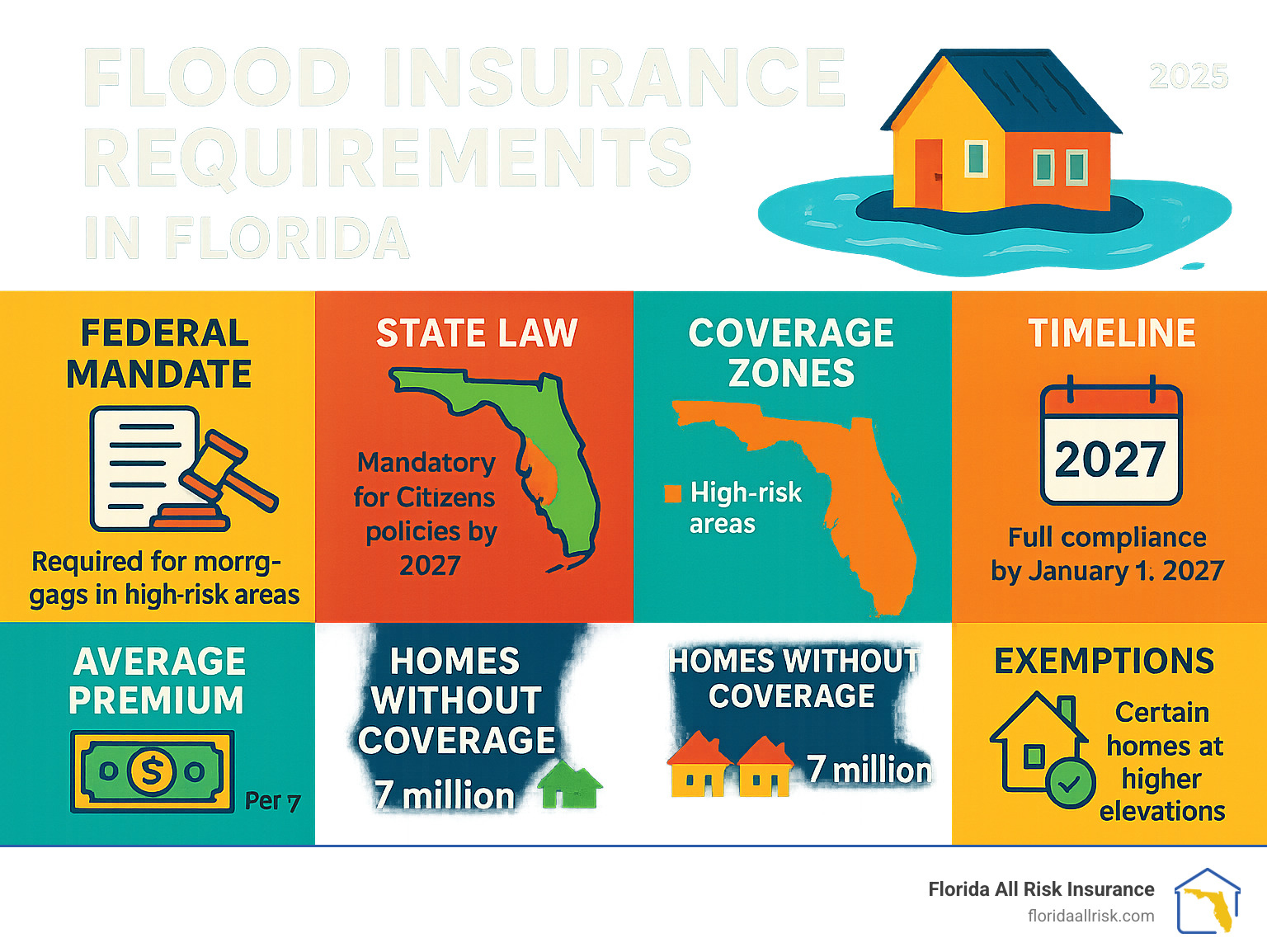
Understanding Florida’s Flood Risk Landscape
Florida‘s unique geography positions it as one of the most flood-prone states in the U.S. This reality is not merely due to its coastal proximity but a combination of several factors that coalesce to create a complex and dynamic flood risk landscape. For those establishing accommodation in the state, acknowledging and preparing for these risks is the first step toward responsible residency.
The Geographic Reality: Why Florida is Prone to Flooding
The very allure of Florida – its extensive coastline, low elevation, and abundance of water bodies – also makes it highly susceptible to various forms of flooding. The state boasts the longest coastline in the contiguous United States, stretching approximately 1,350 miles, which puts vast swaths of land directly in the path of storm surge from hurricanes and tropical storms. These powerful weather events can push massive walls of water inland, inundating areas far from the immediate shore.
Beyond the immediate coast, Florida’s interior is largely flat and low-lying, with much of the state at or just above sea level. This topography means that even moderate rainfall can lead to significant freshwater flooding, as water has nowhere to go and drains slowly. Extensive canal systems, while designed to manage water, can sometimes become overwhelmed. Furthermore, Florida’s porous limestone bedrock allows for rapid groundwater saturation, exacerbating surface water issues. The rainy season, from June to November, consistently brings heavy downpours, often leading to localized street flooding and swollen rivers. Sea-level rise, a long-term threat, also incrementally increases the baseline flood risk, making storm surges higher and nuisance flooding more frequent. For anyone seeking long-term accommodation, these geographic realities underscore an inherent risk that cannot be ignored.
Identifying Flood Zones: How to Determine Your Property’s Risk
To manage and communicate flood risk, the Federal Emergency Management Agency (FEMA) develops and maintains detailed Flood Insurance Rate Maps (FIRMs). These maps delineate various flood zones, categorized by their risk level, which are crucial for understanding the potential impact on your chosen accommodation.
The most critical designations are Special Flood Hazard Areas (SFHAs), often referred to as high-risk flood zones. These include zones like A, AE, AH, AO, AR, V, and VE. Properties within SFHAs have at least a 1-in-4 chance of flooding during a 30-year mortgage. Zones V and VE are particularly dangerous, indicating areas subject to high-velocity wave action, typically found directly on coastlines. Lower-risk zones, such as B, C, and X, still carry a flood risk, albeit a reduced one. It’s a common misconception that properties outside SFHAs are entirely safe from flooding; in reality, over 20% of flood claims come from these so-called low-risk areas.
Property owners or prospective residents can determine their accommodation’s flood zone by using FEMA‘s Flood Map Service Center online tool or by contacting their local planning and zoning department. This information is vital, as it directly influences whether flood insurance is legally required and, more broadly, serves as a critical indicator for safeguarding your long-term stay in Florida. Lenders and insurance agents will invariably rely on these maps to assess risk and determine coverage needs.
The Mandate: When Flood Insurance Becomes a Requirement for Accommodation
While the question “Is flood insurance required in Florida?” can seem straightforward, the answer is nuanced. It’s not universally mandated for every property, but specific circumstances and wise financial planning make it a non-negotiable consideration for most forms of long-term accommodation in the state.
Mortgage Requirements: The Lender’s Perspective
The most significant driver for mandatory flood insurance stems from mortgage requirements, particularly for properties located within a Special Flood Hazard Area (SFHA). If your accommodation is financed through a federally regulated or insured lender – which includes the vast majority of banks and credit unions – and is situated in an SFHA, federal law dictates that you must maintain flood insurance for the life of the loan. This requirement applies whether you’re purchasing a single-family home, a condominium, or another type of residential accommodation. The lender’s primary concern is to protect their investment, ensuring that the property can be rebuilt or repaired in the event of flood damage, thereby preserving the collateral for the mortgage.
Should you fail to maintain the required flood insurance, your lender has the right to “force-place” a policy, often at a higher premium than one you might secure independently, and add the cost to your mortgage payments. This federal mandate underscores the importance of verifying a property’s flood zone status before committing to a purchase in Florida, as the cost of flood insurance can significantly impact the overall affordability of your accommodation. Even if a property is later rezoned into an SFHA, the requirement for insurance will then apply.
The “Voluntary” But Highly Recommended Aspect
For properties located outside of designated Special Flood Hazard Areas (i.e., in moderate-to-low risk zones), flood insurance is technically not federally mandated by lenders. However, describing it as “voluntary” can be misleading given Florida’s inherent flood risks. Realistically, purchasing flood insurance in these areas is highly recommended and often a wise financial decision for anyone securing long-term accommodation.
As mentioned, a significant percentage of flood damage occurs in these “lower risk” zones. Factors like extreme rainfall, localized drainage issues, or the shifting path of a hurricane can cause flooding in areas not historically designated as high-risk. Standard homeowner’s insurance policies explicitly exclude flood damage, meaning that without a separate flood insurance policy, property owners are entirely on the hook for repairs, rebuilding, or replacing damaged contents. The peace of mind afforded by flood insurance, even when not legally required, often outweighs the premium cost, especially when considering the potentially catastrophic financial impact of an uninsured flood event on your accommodation investment. It’s an essential layer of protection in a state where water is both a blessing and a potential hazard.
Rental Accommodation Considerations
For those considering long-term rental accommodation in Florida, the question of flood insurance shifts slightly, primarily concerning personal belongings. Landlords are typically responsible for insuring the structure of the rental property itself. If the rental unit is in an SFHA and has a federally backed mortgage, the landlord is legally obligated to carry flood insurance on the building.
However, a landlord’s flood insurance policy will not cover a tenant’s personal possessions. This is where renter’s flood insurance becomes crucial. Just like homeowner’s insurance, standard renter’s insurance policies exclude flood damage. Tenants desiring to protect their furniture, electronics, clothing, and other valuables from floodwaters would need to purchase a separate flood insurance policy for contents. This type of policy is available through the National Flood Insurance Program (NFIP) or private insurers and can be a relatively affordable way to protect your belongings during a long-term stay. Ignoring this can lead to significant financial loss if your rental accommodation is impacted by a flood.
Navigating Flood Insurance Options in Florida

Once you’ve determined the necessity or wisdom of flood insurance for your Florida accommodation, the next step is to understand the available options. The market for flood insurance has evolved, offering more choices than ever before.
The National Flood Insurance Program (NFIP): The Primary Provider
For decades, the National Flood Insurance Program (NFIP), managed by FEMA, has been the primary source of flood insurance for property owners in the U.S., including Florida. Its main purpose is to provide an affordable option for properties in high-risk areas where private insurance might be unavailable or cost-prohibitive. To be eligible for NFIP coverage, a property must be located in a community that participates in the program and adopts and enforces floodplain management ordinances.
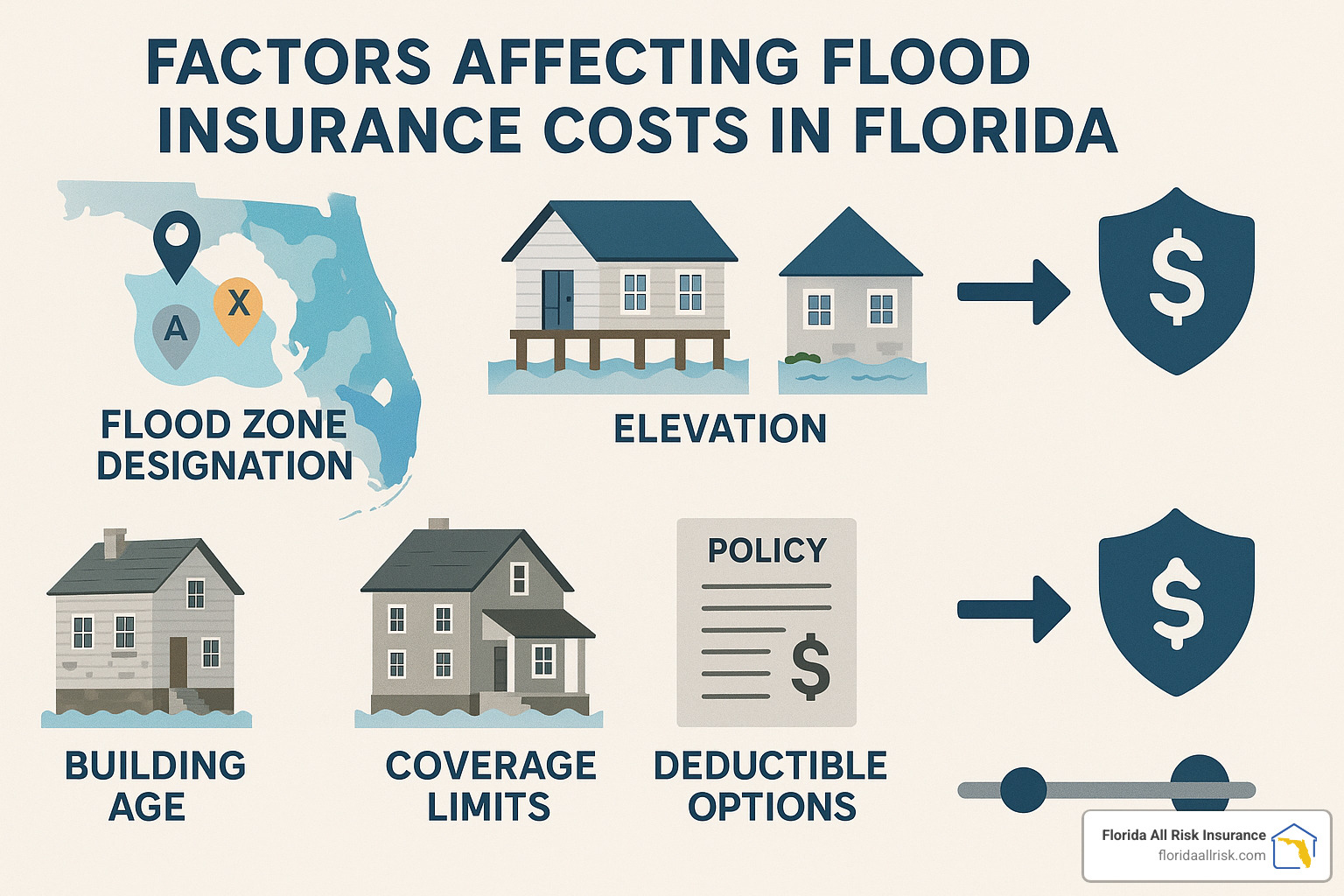
NFIP policies typically offer two types of coverage: building coverage and contents coverage. Building coverage protects the structure, its foundation, plumbing, electrical systems, furnaces, water heaters, and permanently installed carpeting, up to a maximum of $250,000 for residential properties. Contents coverage, which can be purchased separately or in conjunction with building coverage, protects personal belongings like clothing, furniture, and electronics, up to a maximum of $100,000 for residential properties. There are specific deductibles for each type of coverage. An important aspect of NFIP policies is the 30-day waiting period before a policy takes effect, meaning you can’t buy insurance in the middle of a looming storm. The NFIP’s rates are determined by factors like flood zone, elevation, and building characteristics, although recent changes under Risk Rating 2.0 aim for more equitable, risk-based pricing.
Private Flood Insurance Market: A Growing Alternative
In recent years, the private flood insurance market has expanded significantly, particularly in states like Florida. This growth offers property owners an alternative to the NFIP, often with distinct advantages. Private insurers can sometimes offer more flexible coverage options, higher coverage limits (exceeding the NFIP’s $250,000/$100,000 caps), and potentially more competitive pricing for certain properties, especially those that are highly elevated or in lower-risk zones.
Private policies may also include coverages not typically found in NFIP policies, such as loss of use (for temporary living expenses if your accommodation is uninhabitable) or additional living expenses. However, the private market is also more susceptible to market fluctuations, and some policies may have shorter cancellation notice periods or be less stable than government-backed options. It’s advisable to compare quotes and coverage details from both the NFIP and private insurers to determine the best fit and value for your specific accommodation needs. An independent insurance agent specializing in flood coverage can be an invaluable resource in navigating these options.
Understanding Your Policy: What is Covered
Regardless of whether you choose an NFIP or private policy, thoroughly understanding what your flood insurance covers (and excludes) is paramount. Flood insurance is specifically designed to cover direct physical loss to your insured property caused by a flood, which the policy typically defines as “a general and temporary condition of partial or complete inundation of two or more acres of normally dry land area or of two or more properties (one of which is yours) from: overflow of inland or tidal waters; unusual and rapid accumulation or runoff of surface waters from any source; mudflow.”
Key coverages generally include:
- Building Coverage: The physical structure of your home, including the foundation, walls, roof, and built-in appliances (furnace, water heater).
- Contents Coverage: Personal belongings such as furniture, clothing, electronics, and movable appliances. This is often purchased separately.
It’s equally important to understand what is not covered. Most flood policies do not cover damage caused by mold or mildew that could have been prevented, personal property stored in basements, or financial losses due to business interruption. There are also specific limitations on coverage for certain items like currency, precious metals, and valuable papers. Always review your policy documents carefully and ask your agent for clarification on any ambiguities, ensuring your long-term accommodation in Florida is adequately protected against the very real threat of water damage.
The Long-Term Stay Perspective: Protecting Your Investment and Peace of Mind
For anyone considering Florida for a long-term stay, whether owning a vacation home, a retirement residence, or simply renting for an extended period, flood insurance transcends mere compliance. It becomes a fundamental component of financial prudence and peace of mind, integral to safeguarding your accommodation investment in a state defined by its relationship with water.
Cost-Benefit Analysis for Florida Accommodation
The decision to purchase flood insurance, particularly when not federally mandated, often comes down to a cost-benefit analysis. While premiums can add to the monthly cost of your accommodation, especially in high-risk areas, the potential financial devastation of an uninsured flood event far outweighs these costs. A single inch of water can cause tens of thousands of dollars in damage to a home’s structure and contents. Without flood insurance, these costs fall entirely on the property owner or tenant. This could mean depleting savings, incurring significant debt, or even losing your investment in your Florida accommodation entirely.
Beyond direct repair costs, consider the disruption to your life. Being displaced, the emotional toll of losing cherished possessions, and the arduous process of recovery without financial assistance can be overwhelming. When weighing the annual premium against the potential for catastrophic loss, flood insurance emerges as a critical, long-term investment in the stability and security of your Florida accommodation. It protects not just your property, but your financial health and your ability to recover swiftly should the unexpected occur.
Preparing for Florida’s Weather: Beyond Insurance
While flood insurance is a cornerstone of protection, it’s part of a broader strategy for preparing for Florida’s weather challenges. Proactive mitigation efforts can significantly reduce potential damage and even lower insurance premiums. For instance, obtaining an Elevation Certificate can accurately document your property’s elevation relative to the base flood elevation, which can sometimes lead to lower flood insurance rates.
Beyond certification, physical modifications to your accommodation can make a substantial difference. Elevating utilities and appliances, installing flood vents, using flood-resistant materials during renovations, and securing outdoor items can all lessen the impact of floodwaters. Participation in community-wide mitigation programs, such as those that improve drainage or elevate critical infrastructure, also contributes to overall flood resilience. For those considering long-term accommodation, researching a property’s elevation, its historical flood risk, and any community mitigation efforts can provide valuable insights into its overall vulnerability and the wisdom of investing in additional protective measures.
Seeking Expert Advice
Navigating the complexities of flood risk, insurance requirements, and policy options can be daunting. This is where seeking expert advice becomes invaluable for anyone establishing long-term accommodation in Florida. A qualified insurance agent specializing in flood insurance can help you:
- Accurately assess your property’s flood risk.
- Compare policies from the National Flood Insurance Program and the private market.
- Tailor coverage to your specific needs, considering your building’s value and the contents within.
- Explain deductibles, exclusions, and waiting periods.
Additionally, real estate professionals familiar with flood zones can provide critical insights during the property search process. They can advise on properties with favorable elevation, disclose known flood issues, and connect you with resources for obtaining Elevation Certificates. Engaging these experts ensures that you make informed decisions, securing your long-term stay in Florida with confidence and adequate protection.
In conclusion, while flood insurance is not universally “required” for every single property in Florida, it is an essential consideration for virtually anyone seeking long-term accommodation in the state. For those with federally backed mortgages in high-risk zones, it’s a legal mandate. For everyone else, it’s a critical layer of financial protection against an undeniable environmental reality. Understanding the risks, exploring your options, and taking proactive steps ensures that your life in the Sunshine State remains as sunny as possible, even when the waters rise.
LifeOutOfTheBox is a participant in the Amazon Services LLC Associates Program, an affiliate advertising program designed to provide a means for sites to earn advertising fees by advertising and linking to Amazon.com. Amazon, the Amazon logo, AmazonSupply, and the AmazonSupply logo are trademarks of Amazon.com, Inc. or its affiliates. As an Amazon Associate we earn affiliate commissions from qualifying purchases.