
Navigating the legal landscape of any destination can be a daunting task, especially for travelers and tourists. When considering a trip to the Sunshine State, understanding its unique legal framework can offer peace of mind and preparedness. One area that often sparks curiosity is the concept of “no-fault” insurance. This article delves into what it means for Florida to be considered a no-fault state, exploring its implications for visitors and residents alike, and shedding light on how this system impacts common travel scenarios.
Understanding Florida’s No-Fault Insurance System
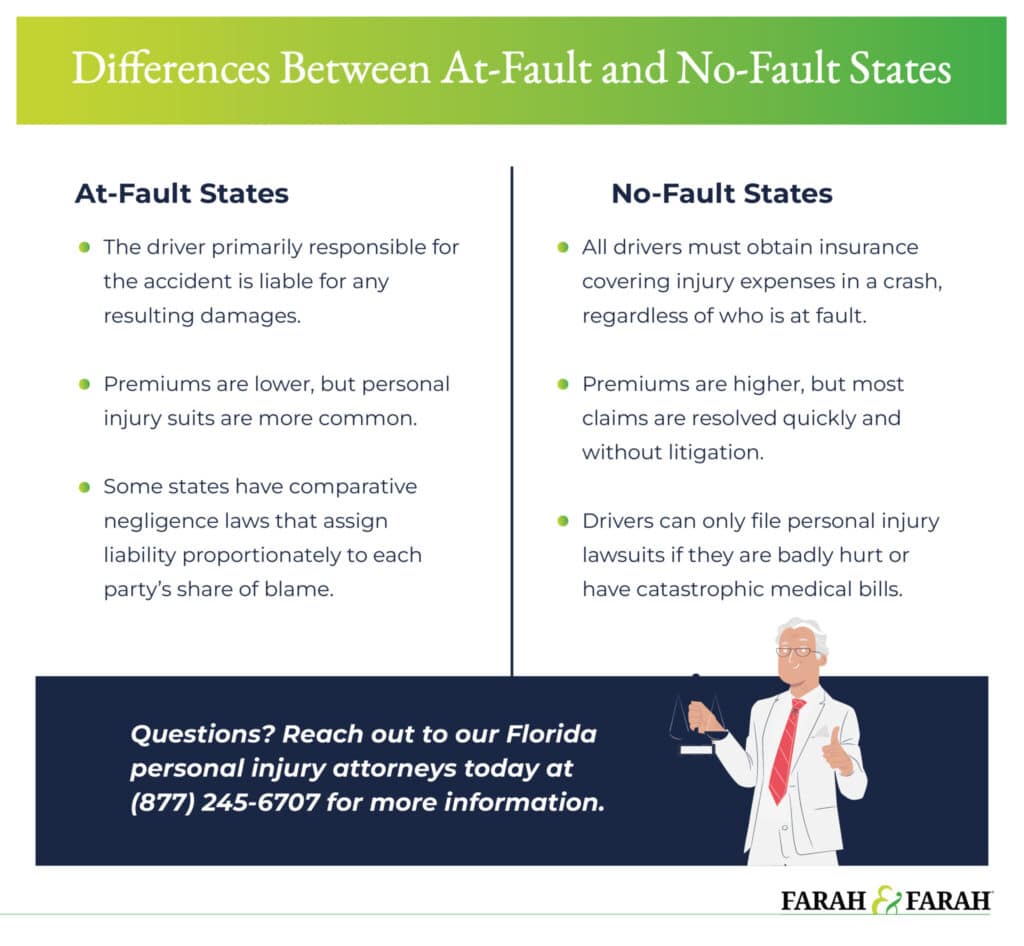
At its core, Florida’s no-fault insurance system, primarily governed by Florida Statute 627.730-627.740, mandates that drivers carry Personal Injury Protection (PIP) insurance. This means that regardless of who is at fault in a car accident, your own PIP insurance will cover your medical expenses and a portion of your lost wages, up to your policy’s limits. This system was designed to expedite the payment of claims and reduce the burden on the court system by preventing many minor accident cases from escalating into lawsuits.

The Mechanics of PIP Coverage
When you are involved in a car accident in Florida, your PIP coverage acts as the first line of defense. It typically covers 80% of your necessary medical expenses and 60% of your lost wages. This coverage applies to you, your passengers, and any resident relatives in your vehicle, even if you are not driving at the time of the accident. Furthermore, PIP coverage can extend to you if you are injured as a pedestrian or bicyclist struck by a vehicle.
It is crucial to note that to receive full PIP benefits for medical treatment, you must seek medical attention within 14 days of the accident. Failure to do so can result in the denial of some or all of your PIP benefits. This strict timeframe underscores the importance of immediate medical evaluation following any collision, no matter how minor it may seem.
Key Features of Florida’s No-Fault Law
- Mandatory PIP Coverage: All registered vehicle owners in Florida are required to maintain at least $10,000 in PIP coverage.
- Immediate Medical Treatment: As mentioned, seeking medical care within 14 days of an accident is vital for PIP claim eligibility.
- Death and Permanent Injury Thresholds: While the no-fault system aims to resolve claims without lawsuits, there are thresholds for serious injuries. If your injuries meet specific criteria for death or permanent impairment, you may be able to pursue a claim against the at-fault driver for damages beyond what PIP covers, such as pain and suffering.
- Property Damage Liability: The no-fault system primarily addresses injuries. For vehicle damage, Florida operates under a tort liability system, meaning the at-fault driver’s property damage liability insurance is generally responsible for repairs or replacement.
Implications for Travelers and Tourists in Florida
For those visiting Florida, understanding its no-fault insurance laws is essential for a smooth and safe experience. Whether you are renting a car, driving your own vehicle, or relying on ride-sharing services, the principles of PIP coverage remain relevant.
Renting a Car in the Sunshine State
When you rent a vehicle in Florida, you will likely be offered a Collision Damage Waiver (CDW) and Supplemental Liability Insurance (SLI). While CDW covers damage to the rental car, SLI offers additional liability protection. However, your rental car agreement will also typically include the state-mandated PIP coverage. It’s advisable to review your rental agreement carefully and understand what insurance is included and what additional coverage you might need, especially if you have your own auto insurance or are covered under a credit card’s rental car insurance policy.
Many travelers discover that their personal auto insurance policies extend to rental vehicles. It is highly recommended to contact your insurance provider before your trip to confirm your coverage details. This proactive step can save you considerable expense and hassle should an unforeseen incident occur on roads throughout Florida, whether you’re exploring the beaches of Miami Beach or the theme parks in Orlando.
Ride-Sharing Services and No-Fault
Services like Uber and Lyft operate under specific insurance regulations in Florida. These companies provide PIP coverage for their drivers and passengers. When you are a passenger in a ride-sharing vehicle, the company’s insurance typically acts as your primary coverage in the event of an accident. However, the specifics of coverage can vary depending on whether the driver’s app is on or if they are actively transporting a passenger. It is always wise to familiarize yourself with the ride-sharing company’s insurance policies and your own personal insurance coverage before relying on these services for transportation.
Pedestrians and Cyclists
Florida’s no-fault laws extend protection to pedestrians and cyclists. If you are walking or biking and are involved in an accident with a vehicle, your PIP coverage can help with medical expenses and lost wages. This broad application of the law is a key feature designed to protect all road users, not just those behind the wheel. Whether you’re enjoying a stroll along the boardwalk in Key West or cycling through the scenic trails of the Everglades National Park, understanding this protection can provide valuable reassurance.
When Does the No-Fault System Fall Short?
While Florida’s no-fault system is designed to provide a swift resolution for many accident-related expenses, it has limitations. As mentioned, PIP coverage has caps, and it only covers a portion of your lost wages. For more severe injuries or significant financial losses, you might need to consider options beyond your PIP policy.
Thresholds for Lawsuits and Serious Injuries
Florida law specifies certain thresholds that must be met to file a lawsuit against the at-fault driver for non-economic damages (pain and suffering). These thresholds are tied to the severity of the injury. If your injuries are considered significant, such as fractures, permanent disfigurement, or permanent loss of a bodily function, you may have grounds to pursue a claim for damages beyond what PIP provides.
This is where understanding the nuances of Florida law becomes critical. If you are involved in an accident and your injuries are serious, consulting with a legal professional experienced in Florida’s auto accident laws is highly advisable. They can help you assess your situation, understand your rights, and navigate the complexities of the legal system.
The Role of Bodily Injury Liability Insurance
While PIP is the primary coverage for injuries in a no-fault state, bodily injury liability (BIL) insurance is still crucial. This coverage protects you if you cause an accident and injure someone else. It covers the medical expenses and other damages of the injured party up to your policy limits. Many drivers opt for BIL coverage beyond the state minimums to ensure they are adequately protected in the event of a serious accident.
For tourists who may not be familiar with these insurance nuances, it’s always best to err on the side of caution. Ensuring you have robust personal insurance coverage that extends to your travels in Florida can offer the greatest protection and peace of mind.

Conclusion: Navigating Florida with Informed Confidence
Florida’s no-fault insurance system is a fundamental aspect of its legal framework, designed to streamline accident claims and ensure prompt medical attention for injured parties. For travelers and tourists, understanding the basics of PIP coverage, its implications for rental cars and ride-sharing services, and the thresholds for pursuing further legal action can transform potential anxieties into informed confidence.
While the state aims to simplify accident resolution through its no-fault provisions, severe injuries can still necessitate legal recourse. By being aware of Florida’s laws and ensuring adequate personal insurance coverage, visitors can enjoy the vibrant attractions and experiences the Sunshine State has to offer, from the historic streets of St. Augustine to the pristine shores of the Florida Keys, with a greater sense of security and preparedness.
LifeOutOfTheBox is a participant in the Amazon Services LLC Associates Program, an affiliate advertising program designed to provide a means for sites to earn advertising fees by advertising and linking to Amazon.com. Amazon, the Amazon logo, AmazonSupply, and the AmazonSupply logo are trademarks of Amazon.com, Inc. or its affiliates. As an Amazon Associate we earn affiliate commissions from qualifying purchases.