
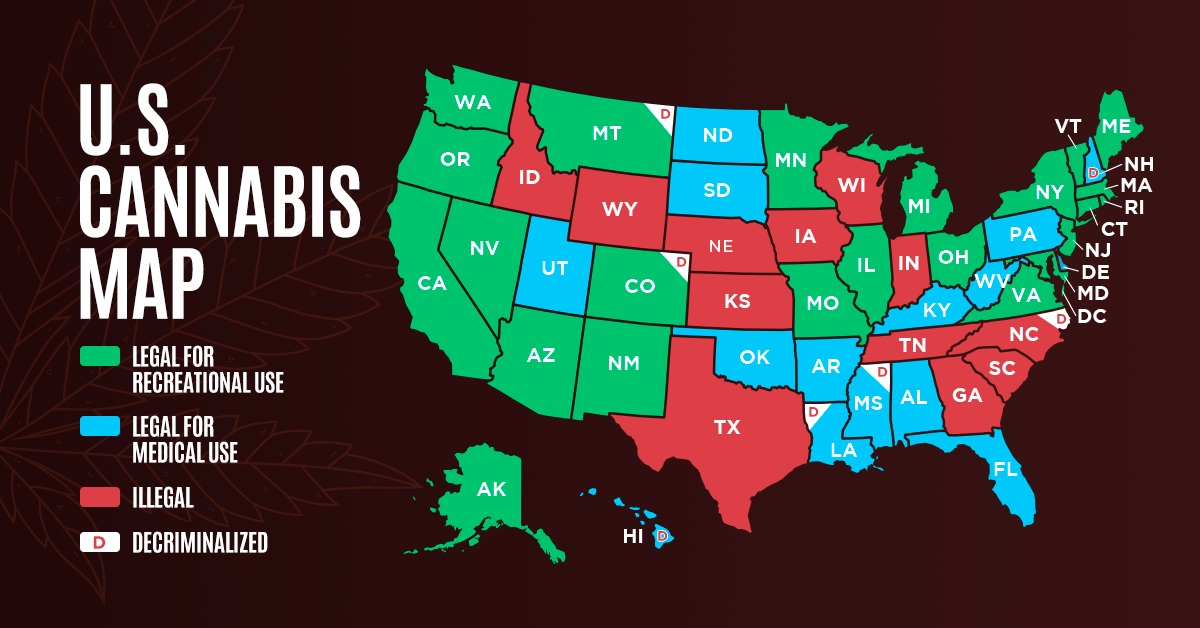
Florida, often lauded as the Sunshine State, beckons millions of travelers each year with its pristine beaches, vibrant cities, and world-renowned theme parks. From the magical realm of Walt Disney World Resort in Orlando to the bustling nightlife of Miami Beach and the serene natural beauty of Everglades National Park, the state offers an unparalleled diversity of experiences. However, as cannabis legalization sweeps across various parts of the United States, a pertinent question arises for many visitors planning their trip: “Is Florida a recreational weed state?” The answer, in short, is no, not yet. While the state has a well-established medical marijuana program, recreational use remains illegal. Understanding these nuances is crucial for any traveler to ensure a smooth, enjoyable, and lawful visit to this popular destination.

For those accustomed to the more liberal cannabis laws in states like Colorado or California, Florida’s approach might come as a surprise. The legal landscape surrounding cannabis in Florida is complex, with distinctions between medical marijuana, hemp-derived products, and recreational use. This guide aims to provide travelers with a comprehensive understanding of Florida’s current cannabis laws, potential future changes, and essential tips to navigate this aspect of their journey, ensuring a focus on the state’s many other legitimate attractions and experiences.
The Current Legal Landscape in Florida
Understanding Florida’s approach to cannabis begins with distinguishing between medical and recreational use. The state has taken a measured, incremental approach, prioritizing patient access while maintaining strict prohibitions on non-medical use. For travelers, this means specific rules apply, and ignorance of the law is never an excuse.
Medical Marijuana: A Brief Overview
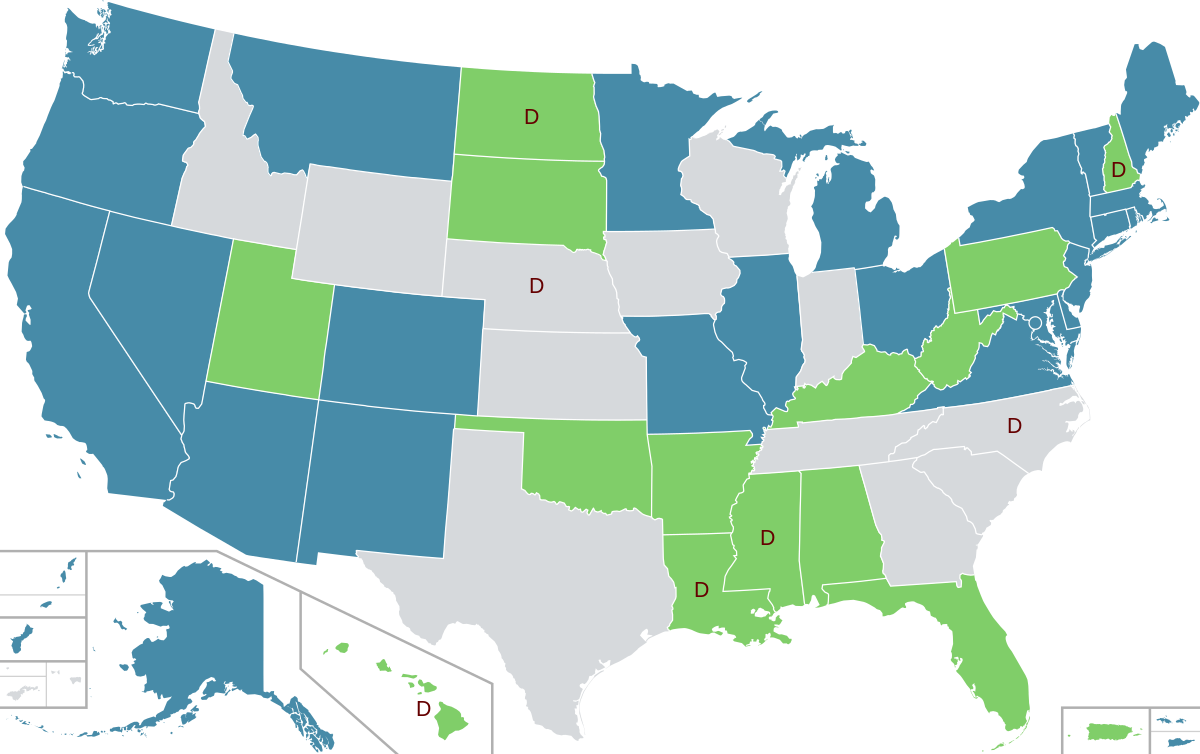
Florida established its medical marijuana program following the passage of the Florida Medical Marijuana Legalization Initiative, also known as Amendment 2, in 2016. This amendment legalized cannabis for debilitating medical conditions, provided patients meet specific criteria. To qualify, individuals must be diagnosed with a qualifying medical condition by a state-licensed physician and then registered with the state’s Office of Medical Marijuana Use (OMMU). Upon approval, patients receive a medical marijuana use registry identification card.
For travelers, this is where the distinction becomes critical. The Florida medical marijuana program is primarily designed for state residents. While some states offer reciprocity for out-of-state medical marijuana cardholders, Florida generally does not. This means that a medical marijuana card issued in another state typically does not grant legal protections or purchasing rights within Florida. Visitors with medical conditions who rely on cannabis for treatment should consult with a Florida physician to understand if they can temporarily qualify for a Florida medical card, though this process is usually not practical for short-term visits. Therefore, carrying medical cannabis from another state into Florida is generally illegal under both state and federal law, as it constitutes interstate trafficking.
No Recreational Use (Yet): Penalties and Enforcement
Despite the medical program, recreational cannabis remains illegal throughout Florida. Possession, sale, cultivation, or distribution of cannabis for non-medical purposes carries significant legal penalties. These penalties can range from misdemeanors to serious felonies, depending on the quantity of cannabis involved and the intent (e.g., possession for personal use versus intent to distribute).
For example, possession of 20 grams or less of cannabis is typically a misdemeanor, punishable by up to one year in jail and a fine of $1,000. Possession of more than 20 grams escalates to a felony charge, with potential prison sentences and heavier fines. Sale, trafficking, or cultivation charges carry even more severe penalties, often involving mandatory minimum prison sentences.
It’s also important to note that federal law still classifies cannabis as a Schedule I controlled substance, regardless of state laws. This means that even if Florida were to legalize recreational use, federal prohibition would remain. This impacts federal lands, airports, and interactions with federal agencies within the state. Travelers arriving at Miami International Airport or flying out of Tampa International Airport should be aware that federal authorities govern these spaces, where cannabis remains strictly illegal.
Decriminalization vs. Legalization: A Key Distinction
While statewide recreational cannabis remains illegal, some local jurisdictions within Florida have enacted decriminalization ordinances. Cities like Miami, Orlando, Key West, and counties such as Miami-Dade County and Broward County have adopted policies where possession of small amounts of cannabis (typically 20 grams or less) results in a civil citation or fine, similar to a traffic ticket, rather than an arrest or criminal charge.
It is crucial for travelers to understand that decriminalization is not legalization. It merely changes the penalty for low-level possession; the substance itself remains illegal. Law enforcement officers still have the discretion to issue a civil citation or to pursue criminal charges, especially if other factors are present (e.g., intent to distribute, public consumption, or association with other crimes). Moreover, these local ordinances do not override state law, meaning that while a local police department might issue a civil citation, a state attorney could still pursue criminal charges. Therefore, relying on decriminalization as a safety net is ill-advised for travelers.
What Travelers Need to Know About CBD and Hemp Products
The landscape of cannabis-related products can be confusing, especially with the proliferation of CBD and hemp-derived items. Travelers to Florida will encounter these products widely, making it essential to understand their legal status.
The Legality of CBD
Cannabidiol (CBD) is a non-intoxicating compound found in the cannabis plant. Following the 2018 Farm Bill, hemp-derived CBD products (containing less than 0.3% delta-9 THC) became federally legal in the United States. Florida aligned its state laws with this federal standard, making the sale and possession of hemp-derived CBD products legal within the state.
This means travelers can legally purchase and consume a wide array of CBD products, including oils, tinctures, edibles, topicals, and beverages. These products are readily available in health stores, specialty shops, pharmacies, and even some grocery stores across Florida. CBD is marketed for various wellness benefits, from stress relief to pain management, without the psychoactive effects associated with THC.
Understanding THC Limits and Delta-8 THC
While CBD is legal, the presence of any significant amount of THC (tetrahydrocannabinol), the primary psychoactive compound in cannabis, is the defining factor for legality. Hemp-derived products must contain less than 0.3% delta-9 THC. However, a newer development in the market is the emergence of “Delta-8 THC” products. Delta-8 THC is a cannabinoid found in cannabis that is chemically similar to delta-9 THC but typically less potent. Because it can be derived from hemp, its legality has been a grey area, with varying interpretations across states.
In Florida, the legal status of Delta-8 THC is currently ambiguous and subject to ongoing legislative and judicial debate. While some retailers openly sell Delta-8 products under the argument that they are hemp-derived and meet the <0.3% delta-9 THC threshold, the state has at times attempted to regulate or ban them. Travelers should exercise extreme caution with Delta-8 THC products. Their legality could change, and consuming them might lead to unexpected psychoactive effects or legal issues if misidentified by law enforcement as illegal marijuana. When in doubt, it’s always safest to stick to pure CBD products with clear lab reports confirming minimal THC content.
Potential Future Changes: The Path to Recreational Legalization
The question of whether Florida will become a recreational weed state is not a matter of if, but when, according to many advocates and political observers. The state has seen consistent efforts to bring recreational cannabis legalization to the ballot, reflecting a growing public sentiment.
Ballot Initiatives and Public Sentiment
Several initiatives have attempted to get recreational cannabis measures on Florida’s statewide ballot. The most prominent in recent years has been the “Smart & Safe Florida” campaign. This initiative aims to amend the state constitution to allow adults 21 and older to possess and use non-medical marijuana. If passed, it would permit existing medical marijuana treatment centers to cultivate, process, and sell cannabis for adult recreational use.
These initiatives require collecting hundreds of thousands of signatures and passing review by the Florida Supreme Court to appear on the ballot. While campaigns often garner significant public support, navigating the legal and political hurdles in Florida is challenging. However, polls consistently show a majority of Florida voters support recreational cannabis legalization, suggesting that a well-crafted and approved ballot measure has a strong chance of success.
Impact of Surrounding States and Economic Factors
The national trend towards cannabis legalization, particularly in states neighboring Florida or popular tourist destinations, also puts pressure on the Sunshine State. For example, nearby states or territories might have more liberal laws, which could influence Floridians’ views and legislative actions.
Furthermore, the economic benefits of recreational cannabis legalization—such as significant tax revenues and job creation—are powerful incentives. States that have legalized recreational cannabis have seen billions in tax dollars, which can be allocated to public services. For a state heavily reliant on tourism and seeking diversified revenue streams, these economic arguments carry considerable weight in ongoing debates. Travelers should stay informed about the news leading up to their trip, as the legal landscape could shift with future elections or legislative sessions.
Practical Advice for Travelers in Florida
Given Florida’s current cannabis laws, travelers must exercise prudence and adhere to regulations to avoid legal trouble. Responsible travel includes respecting local laws, even if they differ from those in one’s home state.
Do Not Bring Cannabis Across State Lines
This is perhaps the most critical piece of advice. Transporting cannabis across state lines, even between two states where it is legal, is a federal offense. Federal law governs interstate commerce, and cannabis remains illegal at the federal level. This means flying with cannabis, driving across state borders with it, or mailing it, regardless of the quantity or medical status, can lead to severe federal charges. The penalties for interstate drug trafficking are substantial and far more serious than state-level offenses.
Medical Card Holders: Specific Guidelines
As previously mentioned, out-of-state medical marijuana cards are generally not recognized in Florida. This means even if you are a medical patient in your home state, you cannot legally purchase or possess medical marijuana in Florida without a valid Florida medical card. Attempting to use an out-of-state card for purchase will be rejected by dispensaries, and possessing cannabis based solely on an out-of-state card could lead to legal repercussions. The safest course of action for medical patients is to abstain from cannabis during their visit or explore the legal CBD options available.
Public Consumption is Prohibited
Even for Florida residents who hold a medical marijuana card, public consumption of cannabis is generally prohibited. This includes smoking or vaping in public places, parks, beaches, restaurants, and other areas where tobacco smoking is banned. Medical cannabis must be consumed in private settings, typically in one’s home or a private residence where permitted. For travelers, this means consumption in hotel rooms, rental properties, or vehicles is subject to specific rules and could still lead to issues with property owners or law enforcement. Always check the policies of your accommodation regarding cannabis use, even if medical.
Vaping and Smoking Policies
Beyond cannabis-specific laws, general vaping and smoking policies apply throughout Florida. Many hotels, rental cars, and public spaces (including theme parks, beaches, and outdoor dining areas) have strict no-smoking or no-vaping policies. Violating these policies can result in fines, cleaning fees, or even eviction from accommodations. Regardless of the substance, adhering to these general rules is crucial for a hassle-free trip.
Exploring Florida Beyond Cannabis Concerns
While the legal status of recreational cannabis might be a consideration for some, Florida’s immense appeal lies in its diverse and legitimate attractions that cater to every interest. Focusing on these experiences ensures a memorable and trouble-free vacation.
Iconic Destinations and Activities
Florida offers an endless array of iconic destinations and activities. Beyond Walt Disney World Resort, visitors can explore Universal Studios Florida in Orlando, swim with dolphins in the Florida Keys, or relax on the stunning sands of Siesta Key Beach in Sarasota. Nature enthusiasts can kayak through the mangroves of Amelia Island, spot alligators in the Everglades National Park, or dive into the vibrant coral reefs off Key Largo.
For culture and nightlife, South Beach in Miami offers Art Deco architecture and pulsating clubs. Cities like St. Petersburg and Tampa boast world-class museums, craft breweries, and diverse culinary scenes. From the historic charm of St. Augustine, the nation’s oldest city, to the space-age wonders of the Kennedy Space Center on the Space Coast, there’s an adventure for every traveler.
Family-Friendly Fun and Outdoor Adventures
Florida remains a premier destination for family trips, with countless attractions designed for all ages. Theme parks aside, the state’s numerous state parks and national wildlife refuges provide opportunities for hiking, biking, fishing, and wildlife viewing. The warm waters of the Gulf Coast and Atlantic Coast are perfect for swimming, surfing, paddleboarding, and boating. The culinary scene, ranging from fresh seafood shacks to gourmet dining, ensures that every palate is satisfied. Embrace the natural beauty, rich history, and thrilling entertainment that Florida genuinely offers, knowing that these experiences are plentiful and entirely legal.
In conclusion, while Florida is a fantastic destination for travelers seeking sun, adventure, and relaxation, it is not currently a recreational weed state. Understanding and respecting the existing laws regarding medical marijuana, CBD, and the prohibition of recreational cannabis is paramount for a safe and enjoyable trip. By staying informed, adhering to regulations, and focusing on the myriad of legitimate attractions, visitors can fully immerse themselves in the unique charm and vibrant experiences that the Sunshine State proudly offers. Always check the latest legal updates before your travel plans, as laws can evolve.
LifeOutOfTheBox is a participant in the Amazon Services LLC Associates Program, an affiliate advertising program designed to provide a means for sites to earn advertising fees by advertising and linking to Amazon.com. Amazon, the Amazon logo, AmazonSupply, and the AmazonSupply logo are trademarks of Amazon.com, Inc. or its affiliates. As an Amazon Associate we earn affiliate commissions from qualifying purchases.