
Often dubbed the “Sunshine State,” Florida conjures images of pristine beaches, world-famous theme parks, vibrant nightlife, and a laid-back, tropical lifestyle. For millions of travelers, it’s a premier destination offering everything from thrilling adventures to serene escapes. However, beneath the surface of its dazzling attractions and resort amenities, Florida is also a politically dynamic state, frequently at the center of national discussions regarding its “red” (Republican) or “blue” (Democratic) leanings. For visitors, understanding this political identity, while not always explicitly apparent, can subtly influence perceptions of local culture, community values, and even the type of lifestyle experiences one might encounter across its diverse regions.
On a website primarily focused on travel, hotels, tourism, accommodation, landmarks, and lifestyle, the political identity of a state might seem like an unusual topic. Yet, it’s intrinsically linked to the broader travel experience. Policies enacted by state and local governments—often reflecting the dominant political ideology—can impact everything from environmental regulations that protect natural landmarks to the social atmosphere of a city, the economic viability of its tourism sector, and even the diverse culinary scene driven by its population. This article delves into Florida’s political landscape, exploring how its “red” or “blue” status is more of a complex mosaic than a simple dichotomy, and what this means for those who come to explore its shores, cities, and natural wonders.
The Sunshine State’s Political Mosaic: More Than Just Red or Blue
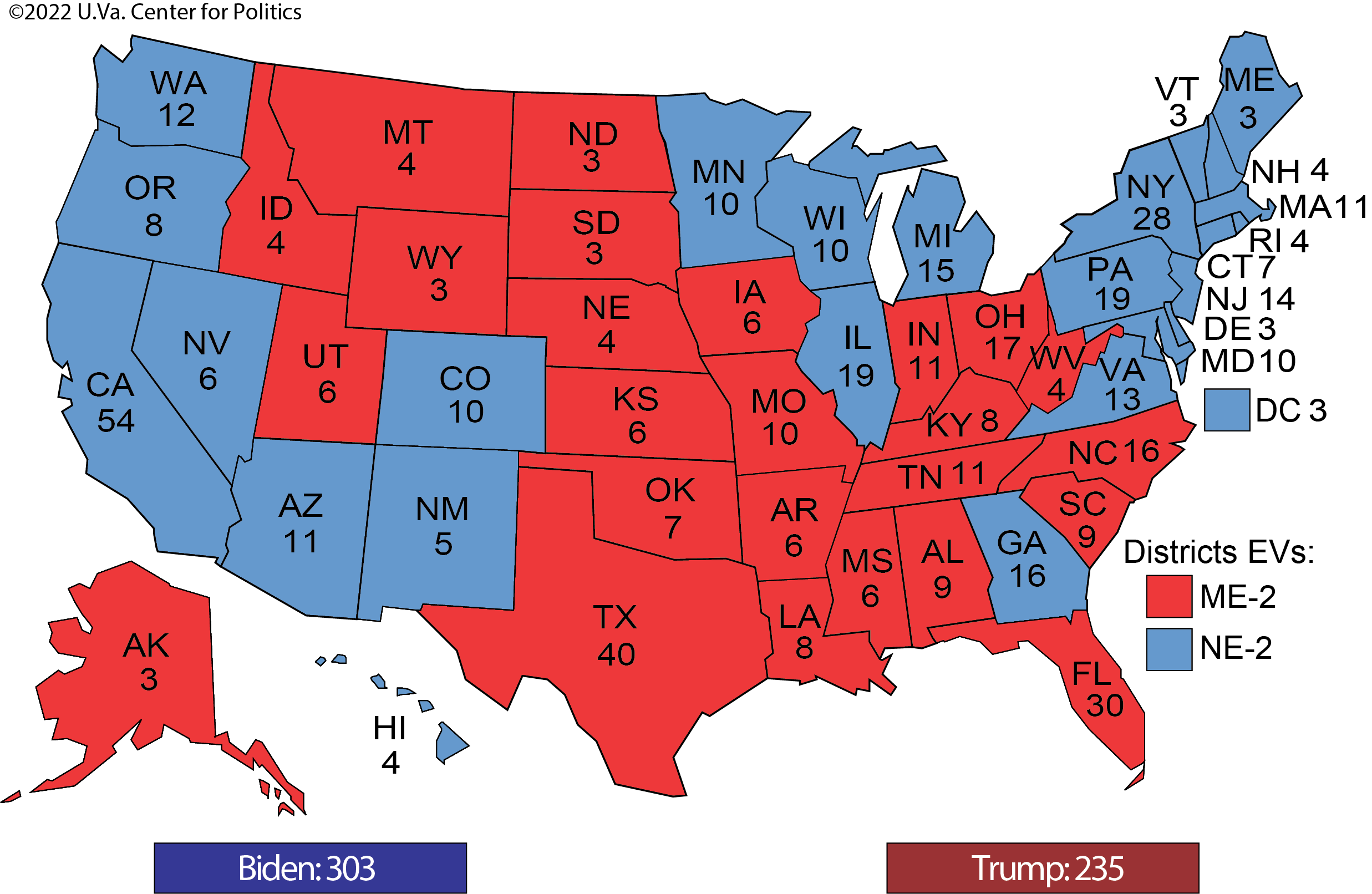
For decades, Florida was the quintessential swing state, a political battleground that captivated national attention during every election cycle. Its electoral votes were fiercely contested, and its diverse population reflected a microcosm of the entire United States. While the state has recently shown a stronger lean towards “red” in statewide elections, to categorize it purely as such would be an oversimplification, especially when considering the intricate tapestry of its regions and demographics.
Historical Context: From Swing State to Red Fortress?
Historically, Florida earned its reputation as a crucial swing state due to its remarkably balanced electorate. Presidential elections were often decided by razor-thin margins, epitomized by the infamous 2000 election. This volatility was a product of various demographic factors: a large, often split, retiree population; a significant and diverse Hispanic community; a growing number of transplants from other states, bringing their own political affiliations; and a mix of urban, suburban, and rural areas with distinct political leanings.
However, recent trends suggest a shift. The Republican Party has made significant gains in voter registration and electoral victories, leading many to label Florida as a solidly “red” state. This shift is attributed to a combination of factors, including effective Republican messaging, a strong base among long-term residents and certain retiree communities, and specific policies enacted by state leadership that have resonated with conservative voters. Yet, even with these overarching trends, the political identity within Florida is far from uniform. It’s a spectrum, with pockets of strong “blue” sentiment persisting, particularly in its major metropolitan hubs.

Demographics and Geography: A Tale of Two Floridas
The political divide in Florida often aligns with geographic and demographic lines, creating what some describe as “two Floridas.”
Urban Centers vs. Rural Areas: Major metropolitan areas like Miami, Orlando, Tampa, and St. Petersburg tend to lean “blue.” These cities are characterized by greater population density, more diverse ethnic and racial demographics, younger populations, a higher concentration of service industries (including tourism), and a more liberal social outlook. The diverse communities here often advocate for policies related to social justice, environmental protection, and public services that appeal to a broader, more progressive base.
Conversely, the more rural counties, particularly those in the Florida Panhandle and the state’s interior, are typically “red” strongholds. These areas often have economies rooted in agriculture, military installations, or traditional industries. The populations here tend to be older, less diverse, and more aligned with conservative values, emphasizing individual freedoms, lower taxes, and smaller government. This demographic often supports candidates who prioritize economic development through traditional means and cultural preservation.
Migration Patterns: Florida’s continuous influx of new residents also plays a significant role. Retirees and professionals relocating from states across the U.S. bring their political inclinations with them. While a significant portion of recent migrants has come from states like New York and California, historically “blue” states, many choose Florida specifically because of its “red” political climate, particularly its lower taxes and less restrictive regulatory environment. This complex migratory pattern contributes to the ongoing evolution of the state’s political landscape.
Major Regions and Their Political Flavor for Travelers
For visitors, the political leanings of a region can subtly shape the local atmosphere, the types of businesses encountered, and even the prevailing cultural attitudes. Exploring Florida means traversing areas with distinct political complexions, each offering unique experiences.
The Blue Hues of South Florida: Culture, Coastlines, and Cosmopolitan Vibes
South Florida, encompassing vibrant cities like Miami, Fort Lauderdale, and Palm Beach, is arguably the bluest region in the state. Miami, in particular, is a global hub, renowned for its diverse Latin American and Caribbean influences, art deco architecture, luxury hotels, and dynamic nightlife. The region’s Democratic leanings are driven by its large immigrant population, especially from Cuba, Haiti, and various South American countries, alongside a strong presence of younger professionals and a thriving LGBTQ+ community.
Travelers to South Florida will experience a cosmopolitan atmosphere, open to diverse cultures and lifestyles. You’ll find a flourishing arts scene, innovative culinary experiences reflective of its multiculturalism, and a generally progressive social environment. The emphasis here is often on high-end tourism, vibrant urban experiences, and a celebration of diversity. Luxury resorts in South Beach, boutique hotels in Wynwood, and eco-tourism opportunities in the nearby Everglades National Park thrive in this context, catering to a global clientele seeking unique, modern, and often inclusive experiences. The Florida Keys, with Key West at its tip, also embody a similar “live and let live” ethos, a haven for artists, free spirits, and those seeking a relaxed, bohemian lifestyle often associated with “blue” areas.
Central Florida’s Purple Heart: Theme Parks and Diverse Populations
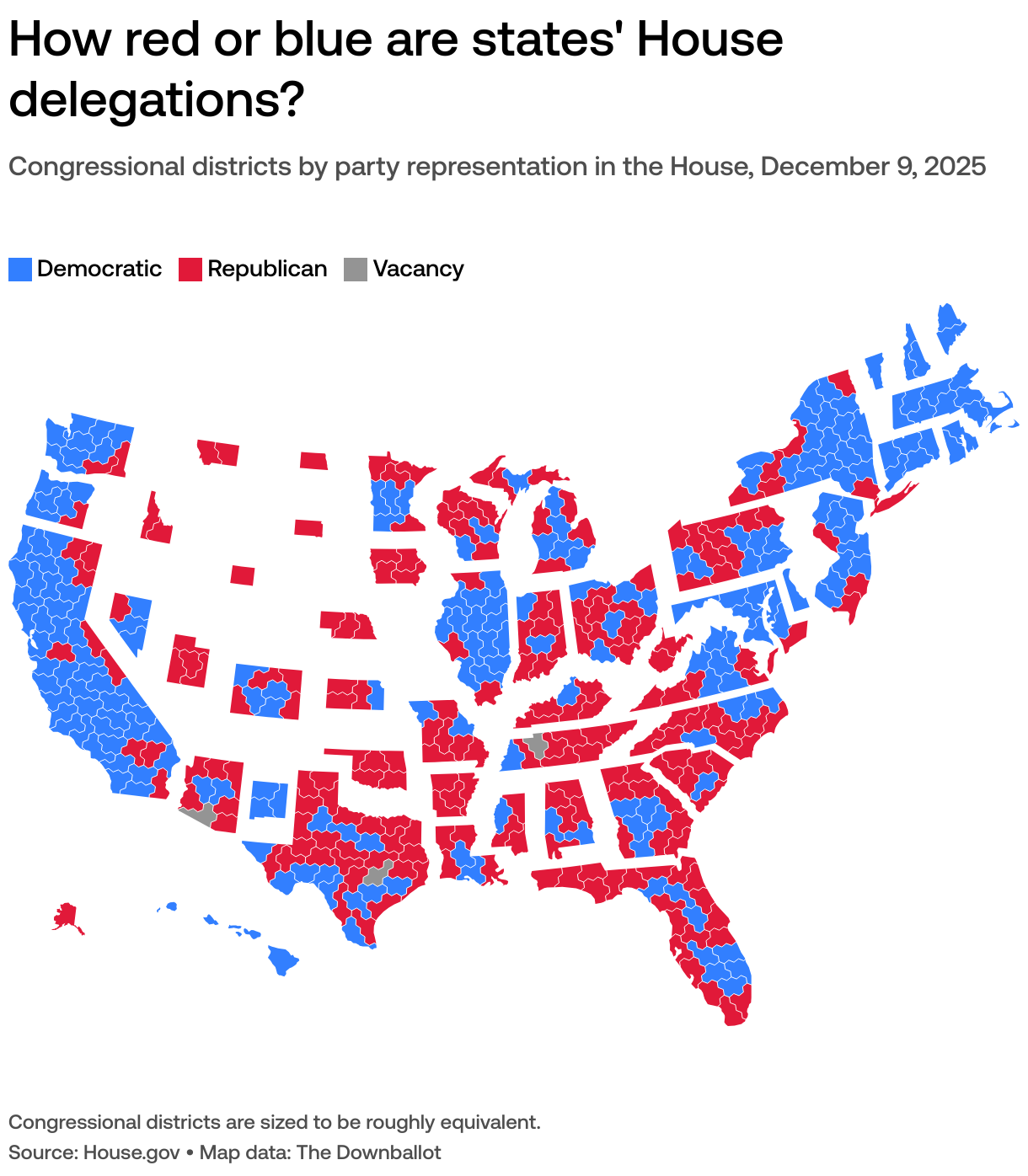
Central Florida is often considered the purple heart of the state, representing a significant swing region. Home to world-renowned attractions like the Walt Disney World Resort and Universal Orlando Resort in Orlando, and the vibrant cities of Tampa and St. Petersburg on the Gulf Coast, this area sees massive tourism traffic.
The political dynamics here are a fascinating blend. Orlando itself, particularly Orange County, leans heavily Democratic due to its service industry workforce, a substantial Puerto Rican population, and a strong LGBTQ+ community. Yet, surrounding counties in Central Florida can be more conservative, creating a mosaic of political opinions. Tampa and St. Petersburg also exhibit this blend; while the urban cores tend to be more liberal, the wider metropolitan areas often have a strong conservative base.
For travelers, this “purple” nature means a diverse range of experiences. You’ll find family-friendly resorts and attractions alongside burgeoning arts districts, craft breweries, and diverse culinary scenes. The local culture in Central Florida tends to be more mainstream yet accommodating, focused on hospitality and appealing to a broad spectrum of visitors. From luxury accommodations near the theme parks to budget-friendly hotels and long-term stay options, the region caters to every type of traveler, navigating its political nuances with a focus on economic growth through tourism.
The Red Tides of North Florida: Panhandle Charms and Conservative Roots
North Florida, particularly the Florida Panhandle, is the “reddest” part of the state. Cities like Jacksonville (though Duval County has become more purple) and the state capital Tallahassee, along with coastal towns such as Pensacola and Destin, are characterized by a more conservative electorate. This region shares cultural ties with the Deep South, with a strong military presence (especially around Pensacola), an economy historically reliant on agriculture and timber, and a population that often values traditional norms and conservative policies.
Visitors to North Florida will find beautiful, less crowded beaches along the Gulf Coast, historic sites with a strong Southern influence, and a generally more laid-back, family-oriented atmosphere. The lifestyle here is often characterized by outdoor activities, a focus on community, and traditional values. Accommodations range from charming bed and breakfasts in historic districts to beachfront vacation rentals catering to families. The tourism here often emphasizes natural beauty, outdoor recreation, and a sense of history, appealing to those seeking a quieter, more traditional Florida experience away from the bustling crowds of the south. The Kennedy Space Center Visitor Complex on the Atlantic Coast, while technically Central Florida, draws a diverse crowd but is situated in a county (Brevard) that often leans red, showcasing the nuanced political geography.
How Politics Intersects with the Florida Travel Experience
While travelers are unlikely to encounter overt political discussions on their vacation, the political climate of a state can subtly influence the overall visitor experience, from the vibe of a city to the availability of certain types of attractions and services.
Lifestyle and Leisure: Policies Shaping Tourist Perceptions
The dominant political ideology of a state or region can impact the lifestyle and leisure options available, as well as the general atmosphere. For instance, “red” states often prioritize economic growth through deregulation and low taxes, which can sometimes lead to different approaches to environmental protection or social policies. “Blue” areas might emphasize public services, cultural diversity, and environmental conservation more strongly.
For a traveler, this might translate into differences in local ordinances, community events, or even the overall “feel” of a place. A city that actively promotes diversity and inclusion, often found in “blue” areas, might feel more welcoming to certain groups of travelers, and offer a wider range of cultural activities. Conversely, areas with more conservative policies might prioritize different types of attractions or offer a more traditional, family-focused environment. These subtle differences contribute to the unique character of each destination within Florida.
Environmental Stewardship and Natural Attractions
Florida’s natural beauty—its beaches, springs, wetlands, and unique ecosystems—is a massive draw for tourists. Political decisions regarding environmental protection, conservation efforts, and climate change policies can directly impact the health and accessibility of these natural landmarks and attractions. Travelers interested in eco-tourism, wildlife viewing, or outdoor adventures might be particularly sensitive to how effectively a state is managing its natural resources.
While environmental issues are often bipartisan concerns, the specific approaches to funding, regulation, and enforcement can vary. For example, some “blue” leaning areas might have more aggressive local initiatives for renewable energy or marine conservation, while “red” leaning areas might focus more on responsible land use for development while also maintaining state parks and preserves. Ultimately, the political will to protect Florida’s fragile ecosystems ensures that its natural wonders remain pristine and accessible for generations of visitors, regardless of the political stripe.
Beyond the Labels: Florida’s Enduring Appeal
Despite its evolving political identity, Florida remains an unparalleled travel destination. Its blend of natural beauty, world-class entertainment, rich history, and diverse culture ensures that there is something for every type of traveler. Whether you’re seeking the cosmopolitan energy of Miami, the family-friendly magic of Orlando, the laid-back charm of the Florida Keys, or the historic allure of St. Augustine (a city with its own unique blend of conservative and tourist-driven liberal leanings, making it a purple gem), the state offers a vast array of experiences.
The “red or blue” question in Florida is less about a static political label and more about understanding the dynamic interplay of demographics, geography, and cultural values that shape the state. It’s a land of contrasts, where diverse communities coexist, each contributing to the vibrant tapestry that makes Florida a fascinating place to live, work, and visit. For those planning a trip, recognizing this political mosaic simply adds another layer of appreciation for the richness and complexity of the Sunshine State, ensuring that every journey through its different regions is as enlightening as it is enjoyable. The ultimate takeaway is that Florida’s appeal transcends political affiliations, inviting everyone to discover its unique charm and endless possibilities.
LifeOutOfTheBox is a participant in the Amazon Services LLC Associates Program, an affiliate advertising program designed to provide a means for sites to earn advertising fees by advertising and linking to Amazon.com. Amazon, the Amazon logo, AmazonSupply, and the AmazonSupply logo are trademarks of Amazon.com, Inc. or its affiliates. As an Amazon Associate we earn affiliate commissions from qualifying purchases.