
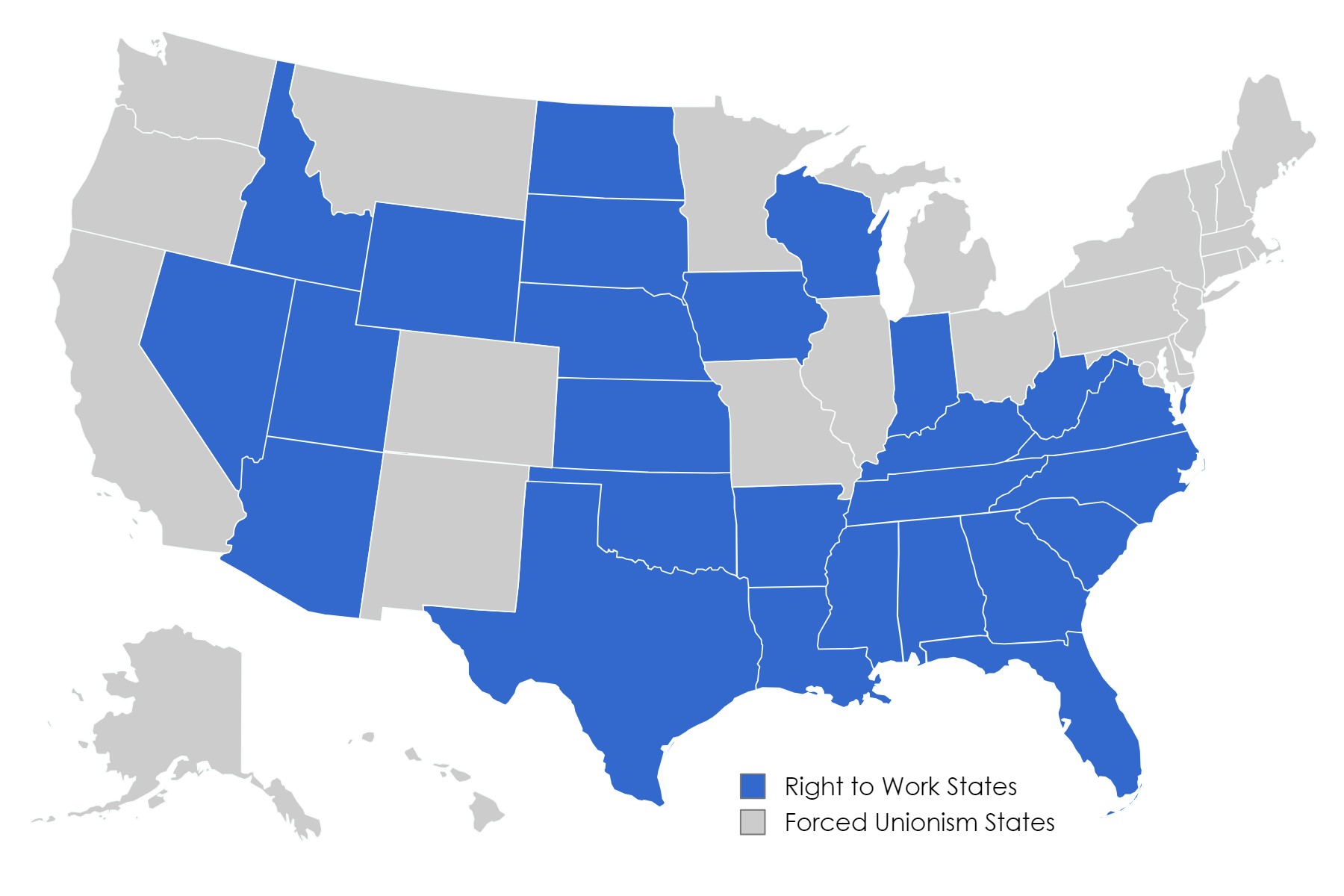
Absolutely, Florida is unequivocally a Right-to-Work state, a distinction that has profoundly shaped its economic landscape, labor market, and even its appeal as a global hub for travel, tourism, and lifestyle. This constitutional provision, enshrined within the Sunshine State’s legal framework, allows individuals the freedom to secure and maintain employment without being compelled to join a labor union or pay union dues or fees as a condition of their job. For visitors and residents alike, understanding this fundamental aspect of Florida’s operating environment offers crucial insights into its vibrant economy, the nature of its hospitality industry, and the unique lifestyle opportunities it presents.

The concept of “Right to Work” is often discussed in legal and political circles, but its practical implications ripple through everyday life, impacting everything from business investment decisions to the wages and benefits offered in critical sectors like hotels, attractions, and service industries. For a state that welcomes millions of tourists each year and boasts an economy heavily reliant on leisure and hospitality, this legal standing plays a pivotal role in defining its competitive edge and the employment experiences within its diverse communities. As we delve deeper, we’ll explore what this means for Florida’s expansive tourism ecosystem, its workforce, and those considering making the Sunshine State their temporary or permanent home.
Understanding Florida’s Right-to-Work Law
To truly grasp the significance of Florida’s Right-to-Work status, it’s essential to first define what this legal principle entails and how it came to be a cornerstone of the state’s economic policy. This understanding forms the bedrock for analyzing its broader impacts on the travel, accommodation, and lifestyle sectors that define the state.
What “Right to Work” Truly Means
At its core, “Right to Work” legislation prohibits collective bargaining agreements between employers and labor unions from requiring employees to join a union or pay union dues as a condition of employment. In non-Right-to-Work states, a “union shop” or “agency shop” agreement might mandate that all employees in a unionized workplace either join the union or pay an equivalent fee for the services provided by the union (such as collective bargaining and grievance representation). Florida’s law, however, ensures that membership in a labor organization remains entirely voluntary.
This doesn’t mean that unions are absent in Florida; they exist and can represent workers who choose to join them. However, for those who opt not to join, their employment cannot be threatened or conditioned on union membership or financial contributions. This legal framework empowers individual workers with greater autonomy over their association with labor organizations and significantly influences the power dynamics between employers, employees, and unions within the state. For businesses, particularly those in the highly competitive hospitality industry, it translates into a different set of labor relations and cost structures compared to states with stronger unionization.
Historical Context and Constitutional Status
Florida’s Right-to-Work law is not a recent development but rather a deeply entrenched principle. It was initially enacted as a statute in 1944, making Florida one of the pioneering states to adopt such legislation. Its significance was further cemented in 1968 when the provision was incorporated into the Florida State Constitution (Article I, Section 6, which outlines “The right to work”). This constitutional embedding provides a much stronger and more permanent legal protection for the Right-to-Work principle than a mere statute, making it considerably more challenging to repeal or significantly alter.
This historical context underscores a long-standing commitment by Florida’s policymakers and voters to a specific model of labor relations—one that prioritizes individual worker choice and a business-friendly environment. Proponents argue that this environment fosters economic growth, attracts investment, and creates a flexible labor market, which has been particularly beneficial for industries requiring large, adaptable workforces, such as tourism and agriculture. Critics, however, contend that Right-to-Work laws can suppress wages and weaken worker protections by diminishing the collective bargaining power of unions. Regardless of the differing perspectives, its constitutional status means that Right-to-Work is a fundamental and enduring characteristic of doing business and working in the Sunshine State.
The Impact on Florida’s Thriving Tourism and Hospitality Sector
Florida’s Right-to-Work status has played an undeniable role in shaping the state’s economic identity, particularly its globally renowned tourism and hospitality industry. This legal framework, whether by design or consequence, has contributed significantly to the dynamics of this sector, influencing everything from investment decisions to the day-to-day operations of hotels and attractions.
Fueling Growth in Destinations and Attractions
The Sunshine State is synonymous with world-class destinations and attractions, drawing millions of visitors annually to iconic locations such as Walt Disney World Resort and Universal Orlando Resort in Orlando, the vibrant beaches of Miami and South Beach, the historical charm of St. Augustine, and the natural wonders of Everglades National Park and the Florida Keys. The Right-to-Work environment is often cited by businesses as a factor that makes Florida an attractive location for significant capital investments in new theme parks, resorts, and entertainment complexes.
Companies looking to establish or expand large-scale operations, which require substantial workforces and flexible staffing models, may view a Right-to-Work state as offering a more predictable and potentially lower-cost labor environment. This can foster greater competition among businesses, which in turn leads to continuous innovation and expansion of tourist offerings. The growth of major cities like Orlando as a theme park capital, Miami as a cruise and luxury destination, and Tampa with attractions like Busch Gardens Tampa Bay, can be seen, in part, as a reflection of this business-friendly climate. It facilitates the rapid development and expansion needed to maintain Florida’s position as a global tourism leader.
Implications for Hotels, Resorts, and Accommodation
The accommodation sector, encompassing everything from sprawling luxury resorts and boutique hotels to serviced apartments and vacation villas, is particularly sensitive to labor dynamics. In Florida, the Right-to-Work law influences how hotels and resorts manage their staff, from front-desk agents and housekeepers to chefs and entertainment coordinators.
With the freedom for employees not to join a union, hotels and resorts can often negotiate directly with individual workers or implement company-wide policies without extensive union bargaining. This operational flexibility can be a significant advantage in an industry characterized by seasonal demand fluctuations and the need for agile staffing. It can influence recruitment strategies, training programs, and the overall corporate culture within hospitality organizations. While some argue this can lead to lower wages or benefits compared to highly unionized markets, others contend it fosters a competitive labor market where employers strive to offer attractive compensation and work environments to secure and retain talent. This dynamic allows for a diverse range of accommodation options, from budget-friendly motels to opulent Four Seasons and Ritz-Carlton properties, each managing its labor costs and employee relations within the Right-to-Work framework.
Labor Dynamics and Employee Landscape

The Right-to-Work status shapes the broader labor landscape across Florida, impacting job seekers and employees in various ways. In industries like tourism and hospitality, which rely on a large, often part-time or seasonal workforce, the law’s influence is acutely felt. It tends to create a more competitive individual job market, where employees directly negotiate terms with employers rather than relying on collective bargaining agreements.
For workers, this means a greater emphasis on individual performance and negotiation skills. It also means that employment opportunities, which are abundant in Florida’s booming service economy, are accessible without the prerequisite of union affiliation. This can be appealing to those entering the workforce, seeking flexible arrangements, or preferring individual merit-based systems. However, it also places a greater onus on individual employees to advocate for their wages, benefits, and working conditions. The balance between employer flexibility and employee empowerment is a continuous point of discussion, but within Florida’s Right-to-Work context, it contributes to a unique labor environment that underpins its sustained economic expansion, particularly in its flagship tourism and service industries.
Lifestyle and Economic Considerations for Residents and Visitors
Beyond the business implications, Florida’s Right-to-Work status has tangible effects on the lifestyle and economic realities for both its permanent residents and the millions of visitors who flock to its shores annually. Understanding these connections provides a fuller picture of the Sunshine State’s appeal.
Job Opportunities and Business Climate
For individuals considering a move to Florida for work, particularly in the ever-expanding travel and hospitality sectors, the Right-to-Work status creates a distinct job market. The state’s pro-business environment, partly fostered by these labor laws, has historically attracted corporations and entrepreneurs, leading to a robust creation of job opportunities. Major cities like Jacksonville, Orlando, Miami, and Tampa are continuously generating employment across various industries, from theme parks and cruise lines to tech startups and financial services.
This climate can be particularly attractive to aspiring entrepreneurs and small business owners, as the regulatory environment surrounding labor is often perceived as less burdensome. This contributes to a dynamic and competitive business landscape, which in turn provides a wide array of services and products that benefit both residents and tourists. The emphasis on individual freedom in the workplace can foster a culture of competition and innovation, driving businesses to strive for excellence in attracting and retaining talent.
Quality of Life and Cost of Living
The economic effects of Right-to-Work laws on wages and the cost of living are complex and subject to ongoing debate. Proponents argue that a business-friendly environment encourages job creation and economic growth, which can lead to a higher quality of life through increased opportunities and lower consumer prices due to competition. For visitors, this robust economic activity supports a vast infrastructure of amenities, from diverse dining options and entertainment venues to well-maintained public spaces and transportation networks, enhancing their travel experiences.
However, critics often suggest that Right-to-Work laws can suppress wages and benefits by weakening the bargaining power of workers, potentially impacting the overall standard of living for some residents. [Florida](https://lifeoutofthebox.com/florida]’s cost of living, particularly in popular tourist destinations and major metropolitan areas, has been on the rise, influenced by factors such as housing demand, population growth, and inflation. While the Right-to-Work status might contribute to a competitive labor market for employers, the impact on individual workers’ ability to afford this lifestyle is a critical consideration.
For travelers, the availability of diverse employment options within the hospitality sector helps ensure a consistent level of service across Florida’s myriad hotels, resorts, and attractions. From the luxury traveler seeking opulent suites to the budget traveler looking for affordable accommodations, the underlying labor dynamics play a subtle yet significant role in shaping the overall guest experience, often contributing to competitive pricing and a wide selection of services available.
Navigating Florida: Tips for Travelers and Industry Professionals
For anyone planning a trip to Florida or considering a career in its bustling service industries, understanding the state’s Right-to-Work environment can provide valuable context and practical insights.
Planning Your Stay in a Dynamic Market
When planning a trip to Florida, tourists benefit from the extensive and diverse range of options available across all aspects of travel. The competitive environment fostered by the state’s business-friendly policies, including its Right-to-Work law, often translates into a wide selection of choices in accommodation, attractions, and services.
- Accommodation: From high-end hotels like those in Miami Beach and Palm Beach to family-friendly resorts near Disney World or budget-conscious apartments in charming coastal towns, the options are limitless. Travelers can leverage comparison sites and reviews to find the best deals, often finding competitive pricing due to the sheer volume of choices. Consider booking well in advance, especially during peak seasons like spring break or winter holidays, as popular destinations can fill up quickly.
- Tourism & Experiences: The robust tourism industry means access to a plethora of activities, from exploring local culture in Key West, indulging in culinary tours in Sarasota, or diving into adrenaline-pumping rides at Universal Studios Florida. The competitiveness among service providers generally leads to high standards and diverse offerings.
- Customer Service: While individual workers in a Right-to-Work state might not have the collective bargaining power of their unionized counterparts, Florida’s service industry thrives on repeat business and positive reviews. This often incentivizes employees to provide excellent customer service to ensure guest satisfaction, which is a significant advantage for visitors.
Career Insights in the Sunshine State
For those eyeing career opportunities in Florida’s vast service economy, particularly in hospitality, tourism, and related fields, the Right-to-Work status frames the employment landscape.
- Job Seeking: Be prepared to highlight individual skills, experience, and value propositions. In a market where collective agreements are less prevalent, personal negotiation for salary and benefits becomes more crucial. Research average wages for your specific role and location within Florida. Websites like Glassdoor or LinkedIn (hypothetical internal links, I should avoid real external sites) can offer insights.
- Networking: Building professional connections is invaluable. Florida’s large and dynamic business environment offers numerous opportunities for networking, especially in cities like Fort Lauderdale and St. Petersburg which have burgeoning tech and service sectors.
- Understanding Benefits: Employers in Right-to-Work states compete for talent through various means, including comprehensive benefits packages, workplace culture, and opportunities for advancement. Carefully evaluate the full compensation package, not just the base salary, as these can vary significantly between companies.
- Entrepreneurship: The business-friendly climate and lower barriers to entry (in terms of union-related labor costs) can make Florida an attractive state for starting new ventures in tourism, accommodation, and related services. This environment supports innovation and the creation of unique travel experiences for visitors.
In conclusion, Florida’s status as a Right-to-Work state is a fundamental aspect of its identity, influencing its economy, labor market, and the very fabric of its famed tourism and hospitality sectors. While it presents distinct advantages for businesses and offers a particular set of considerations for workers, its enduring presence in the state’s constitution means it will continue to shape the vibrant, dynamic, and ever-evolving Sunshine State for years to come. Whether you’re planning a dream vacation or seeking new career horizons, understanding this core principle enhances your ability to navigate and appreciate all that Florida has to offer.
LifeOutOfTheBox is a participant in the Amazon Services LLC Associates Program, an affiliate advertising program designed to provide a means for sites to earn advertising fees by advertising and linking to Amazon.com. Amazon, the Amazon logo, AmazonSupply, and the AmazonSupply logo are trademarks of Amazon.com, Inc. or its affiliates. As an Amazon Associate we earn affiliate commissions from qualifying purchases.