
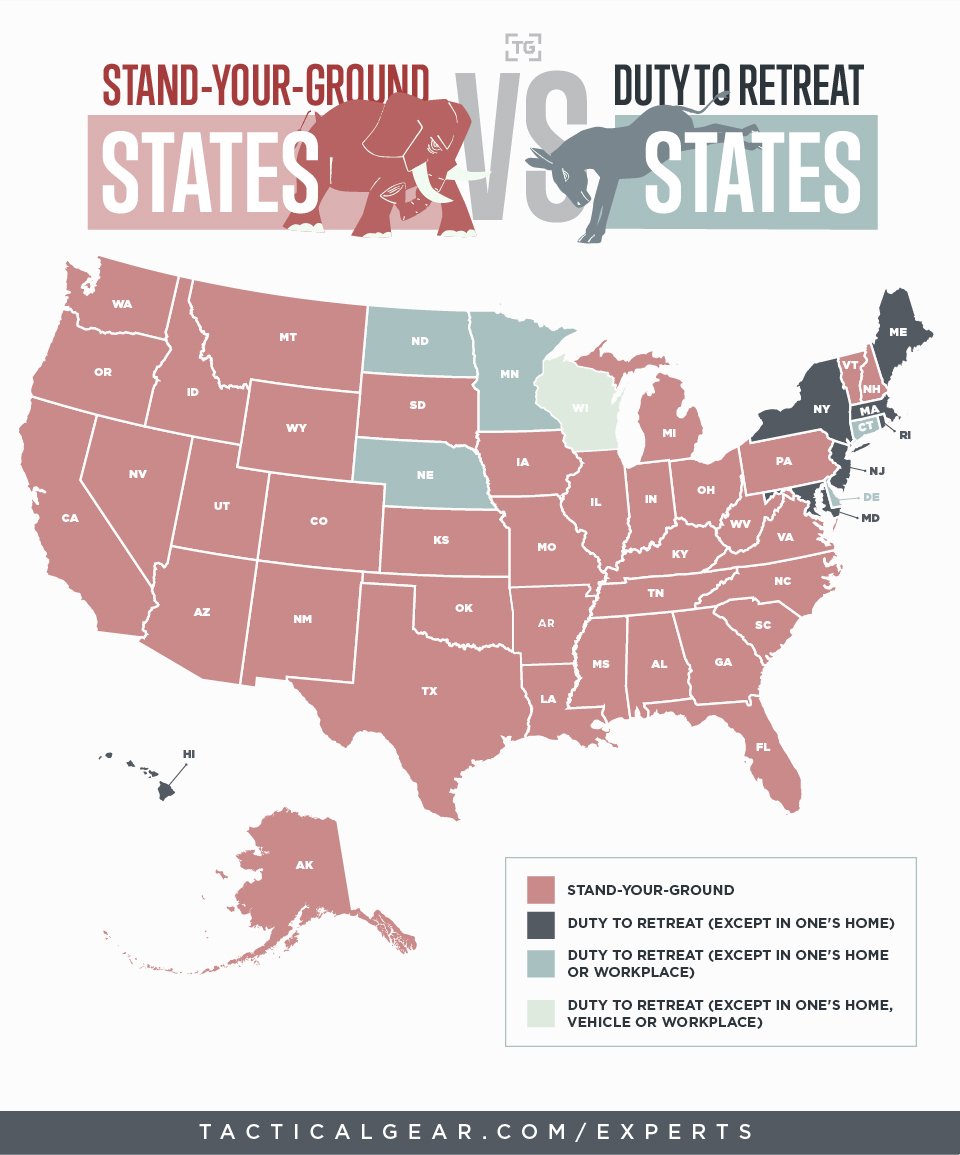
For travelers planning a visit to the vibrant and diverse landscapes of the Sunshine State, understanding local laws can be a crucial part of responsible travel. One of the legal frameworks that often sparks curiosity, and sometimes concern, among visitors to the United States is the concept of “Stand Your Ground” laws. If you’re wondering, “Is Florida a Stand Your Ground state?” the answer is unequivocally yes. Florida was one of the first states to adopt such a law, fundamentally altering the traditional duty to retreat and establishing a citizen’s right to use deadly force in self-defense under specific circumstances.
While this legal principle might seem complex or even daunting, especially for international tourists accustomed to different legal systems, it’s essential to understand its practical implications – or often, the lack thereof – for the vast majority of visitors focused on enjoying the state’s world-class attractions, stunning beaches, and unique cultural experiences. This article aims to demystify Florida’s Stand Your Ground law within the context of travel and tourism, providing clarity on what it means for your safety, your behavior, and your overall experience in this captivating destination. We’ll delve into the nuances of the law, offer practical tips for staying safe, and explore how millions of visitors annually navigate the state’s offerings with peace of mind, from the theme parks of Orlando to the bustling nightlife of Miami and the tranquil shores of the Gulf Coast.
Understanding “Stand Your Ground” in Florida: A Traveler’s Perspective
The “Stand Your Ground” law in Florida essentially removes the legal duty for individuals to retreat from a dangerous situation before using deadly force to defend themselves or others, provided they are in a place where they have a legal right to be and have a reasonable belief that such force is necessary to prevent death or great bodily harm. This differs significantly from the older “duty to retreat” doctrine, which mandated individuals attempt to remove themselves from harm’s way before resorting to lethal self-defense. For a traveler, this distinction is primarily theoretical unless one unfortunately finds themselves in a direct, life-threatening confrontation.
The law applies broadly, covering not just one’s home (where “castle doctrine” traditionally applies) but also public spaces. This means if you are legally present in a public park, a hotel lobby, a restaurant, or walking down a street in Miami Beach, you are not legally obligated to flee from an assailant if you reasonably believe your life or the lives of others are in imminent danger. However, it’s crucial to understand that “Stand Your Ground” is not a license for aggression or vigilantism. It is a defense for individuals who genuinely fear for their safety and are not the initial aggressors in a conflict. Misunderstandings of this law can lead to severe legal consequences.
For tourists, the critical takeaway is not to arm oneself or seek confrontation, but rather to be aware that the legal landscape of self-defense in Florida is robust. The overwhelming majority of visits to Florida are peaceful and trouble-free. The law serves as a backdrop, offering legal protection for those who, through no fault of their own, are forced to defend themselves. Being informed about this law can be a part of comprehensive travel preparation, ensuring you understand the basic tenets of the legal environment you’re visiting, much like understanding traffic laws or local customs.
Key Principles for Visitors
While the specifics of Florida’s self-defense laws are complex and best interpreted by legal professionals, some core principles are universally applicable and important for travelers:
- Reasonable Belief: The cornerstone of Stand Your Ground is the concept of “reasonable belief.” You must genuinely and reasonably believe that you or another person is in imminent danger of death or great bodily harm. This isn’t about subjective fear but what a reasonable person would perceive in the same situation.
- Not the Initial Aggressor: The law does not protect someone who instigates a confrontation and then claims self-defense. If you provoke a fight, you generally lose the protection of Stand Your Ground. This is a critical point for travelers to remember: always strive to de-escalate potential conflicts.
- Legal Presence: The law applies when you are in a place where you have a legal right to be. This includes your rented hotel room, a public beach, a theme park, or any public thoroughfare.
- Deadly Force: The use of deadly force must be proportionate to the threat. You cannot use deadly force to prevent a minor assault or theft if your life is not in danger.
These principles underline the importance of caution and good judgment. As a visitor, your primary goal should always be to avoid situations where self-defense might become necessary. Florida’s vibrant tourism industry thrives on providing safe and enjoyable experiences, and local authorities are dedicated to maintaining peace and order.
Practical Tips for Staying Safe in Florida
Beyond understanding the law, practical safety measures are paramount for any traveler. Regardless of Stand Your Ground statutes, common sense and vigilance are your best allies:
- Situational Awareness: Always be aware of your surroundings, especially in crowded tourist areas like Walt Disney World Resort or South Beach. Avoid distractions like constantly looking at your phone.
- Secure Valuables: Keep passports, large sums of cash, and expensive jewelry secured, preferably in your hotel safe. When out, carry only what you need and be mindful of pickpockets in busy areas.
- Avoid Isolated Areas at Night: Stick to well-lit, populated areas, especially after dark. If you’re unsure about a neighborhood, ask hotel staff or locals for advice.
- Transportation Safety: Use reputable ride-sharing services or taxis. Confirm the vehicle and driver details match your app before getting in. If driving, keep doors locked and valuables out of sight.
- De-escalation First: If you find yourself in a tense situation, always prioritize de-escalation. Walk away, apologize, or seek assistance from staff or authorities. Engaging in a verbal or physical altercation can quickly escalate and lead to unforeseen consequences, regardless of self-defense laws.
- Know Emergency Contacts: In the United States, dial 911 for all emergencies (police, fire, medical). It’s also wise to have your embassy or consulate contact information handy, especially for international visitors.
- Alcohol Consumption: Exercise moderation, especially if you’re unfamiliar with your surroundings. Impaired judgment can lead to vulnerable situations.
By following these guidelines, you significantly reduce the likelihood of encountering situations where knowledge of Stand Your Ground would even be relevant. Florida is a generally safe destination, and these tips are standard for responsible travel anywhere in the world.
Florida’s Allure: Balancing Safety and Enjoyment
Florida welcomes over 130 million visitors annually, a testament to its irresistible appeal. From the magical theme parks of Orlando to the vibrant art scene of Miami, the historic charm of Key West, and the pristine beaches of Sarasota and St. Petersburg, the state offers an unparalleled array of experiences. The fact that it is a Stand Your Ground state rarely, if ever, impacts the average tourist’s enjoyment or sense of security. The state’s focus on tourism ensures that popular destinations are well-policed and equipped to handle the influx of visitors, making safety a top priority for local authorities and businesses alike.
Florida’s Top Destinations and How They Prioritize Visitor Safety
Each of Florida’s renowned destinations has tailored approaches to visitor safety, allowing you to immerse yourself in the local culture and attractions without undue worry.
- Orlando (Theme Parks Capital): Home to Walt Disney World Resort, Universal Studios Florida, and numerous other attractions, Orlando is a family-friendly hub. These parks employ extensive security measures, including bag checks, metal detectors, and a visible security presence. The surrounding tourist districts also benefit from increased law enforcement patrols to ensure guest safety.
- Miami (Beaches & Nightlife): Miami and Miami Beach are famous for their lively atmosphere, art deco architecture, and stunning Atlantic Coast beaches. Police presence is significant in tourist hotspots like South Beach and downtown Miami, especially during peak seasons and events. Visitors are encouraged to use official transportation, secure their belongings, and be aware of their surroundings, particularly late at night.
- Key West (Historic Charm): The southernmost point of the United States, Key West offers a laid-back, bohemian vibe. While generally very safe, the compact nature of the island means visitors should still be mindful of their personal belongings in crowded areas like Duval Street and around the historic sites.
- Sarasota (Siesta Key Beach): Known for its arts and culture scene and the quartz-sand beaches of Siesta Key, Sarasota offers a more relaxed pace. Like other cities, local law enforcement works to ensure public safety in tourist areas and neighborhoods.
- Tampa & St. Petersburg (Urban Coastal Blend): These cities on the Gulf Coast offer a mix of urban attractions, museums, and beautiful beaches. Their growing popularity means enhanced security in public spaces, entertainment districts, and major venues.
The general safety of these destinations allows travelers to fully engage with the rich experiences Florida has to offer, from exploring the Everglades National Park to watching a rocket launch at the Kennedy Space Center Visitor Complex.
Accommodation Choices and Personal Security
Your choice of accommodation plays a significant role in your overall travel safety and peace of mind. Florida offers a vast range of options, from luxurious resorts to budget-friendly motels and vacation rentals.
- Reputable Hotels and Resorts: Opting for well-known hotel brands, such as the Grand Hyatt Orlando near Universal Studios Florida, or luxury establishments like The Breakers Palm Beach, generally means better security infrastructure. These properties often feature 24-hour reception, key card access to rooms and common areas, in-room safes, and surveillance systems. Always use the provided safe for your valuables.
- Vacation Rentals: If choosing a vacation rental through platforms like Airbnb or VRBO, thoroughly read reviews, especially comments regarding safety and neighborhood specifics. Ensure the property has secure locks and consider travel insurance that covers personal property. Communicate with hosts about local safety tips.
- General Accommodation Safety: Regardless of where you stay, always keep your room doors and windows locked. Avoid leaving valuables in plain sight in your vehicle. Be discreet about your room number and avoid answering the door to unexpected visitors.
The diverse array of hotels, suites, apartments, and villas across Florida means there’s an accommodation option for every lifestyle and budget, all while maintaining a commitment to guest security. From a family trip to Daytona Beach to a business stay in Fort Lauderdale, choosing wisely contributes to a worry-free experience.
Navigating Florida’s Diverse Experiences Responsibly
Florida’s appeal is multifaceted, extending far beyond its beaches and theme parks. It’s a hub for outdoor adventure, cultural exploration, and culinary delights. Understanding the context of “Stand Your Ground” laws empowers you with knowledge, allowing you to focus on the myriad positive experiences awaiting you. Being a responsible traveler means being informed, respectful, and prepared, not fearful.
From Thrills to Tranquility: Enjoying Florida’s Offerings
Whether you’re seeking the adrenaline rush of a roller coaster, the serene beauty of natural springs, or the historical depth of St. Augustine, Florida delivers.
- Theme Parks: Walt Disney World Resort and Universal Studios Florida in Orlando are meticulously managed environments where safety is paramount, from ride operations to guest conduct.
- Nature & Wildlife: Exploring the vast wilderness of Everglades National Park, kayaking through mangrove tunnels, or swimming with manatees in crystal-clear springs offer unique encounters with nature. These activities are best enjoyed with reputable guides and a respect for wildlife and the environment.
- Beaches & Water Sports: The beaches along the Atlantic Coast and Gulf Coast are ideal for swimming, sunbathing, and water sports. Always heed local warnings about currents and marine life, and swim only in designated areas.
- Cultural & Historic Sites: From the Spanish colonial architecture of St. Augustine to the vibrant art scene in Naples and the space exploration history at the Kennedy Space Center Visitor Complex, Florida offers rich cultural experiences. These public spaces are typically well-maintained and safe for exploration.
The awareness of Florida’s self-defense laws doesn’t detract from these experiences but rather adds a layer of informed confidence for those who choose to understand their destination thoroughly.

Legal Preparedness for International Visitors
For those traveling to Florida from outside North America, particularly from countries in Europe, Canada, or Latin America with different legal traditions, specific considerations can enhance preparedness:
- Understanding Legal Differences: Be aware that legal systems, particularly regarding self-defense and firearm ownership, can vary greatly from your home country. What might be permissible or handled differently elsewhere could have distinct ramifications in the United States and specifically in Florida.
- Travel Insurance: Invest in comprehensive travel insurance that includes legal assistance coverage. This can be invaluable in the unlikely event you require legal counsel or support while abroad.
- Consular Services: Know the location and contact information for your country’s embassy or consulate in the United States. They can provide assistance in emergencies, including legal guidance or help with documentation.
- Documentation: Always carry a copy of your passport and visa (if applicable) separately from the originals. Keep emergency contact information readily accessible.
In conclusion, Florida is indeed a “Stand Your Ground” state. However, for the vast majority of visitors, this legal framework remains a background detail rather than a direct influence on their travel experience. The state prioritizes tourist safety, with robust security measures in popular destinations and accommodations. By coupling an understanding of local laws with general travel wisdom – such as situational awareness, securing valuables, and avoiding confrontational situations – you can confidently enjoy all the wonders the Sunshine State has to offer. Florida remains an incredibly welcoming and safe destination for millions of travelers each year, inviting you to explore its beaches, attractions, and unique lifestyle with peace of mind.
LifeOutOfTheBox is a participant in the Amazon Services LLC Associates Program, an affiliate advertising program designed to provide a means for sites to earn advertising fees by advertising and linking to Amazon.com. Amazon, the Amazon logo, AmazonSupply, and the AmazonSupply logo are trademarks of Amazon.com, Inc. or its affiliates. As an Amazon Associate we earn affiliate commissions from qualifying purchases.