
For anyone planning a trip to the Sunshine State, whether for a relaxing beach vacation in Miami, a thrilling theme park adventure in Orlando, or a cultural exploration of Tampa and Jacksonville, understanding local laws is paramount. One common question that often arises, particularly for those who travel frequently or are accustomed to varying state regulations, is: “Is Florida a stop and identify state?” The answer, like many legal matters, is nuanced, but broadly speaking, Florida is not a traditional “stop and identify” state in the way some other parts of the United States are. This distinction is crucial for both residents and the millions of tourists who flock to Florida each year.
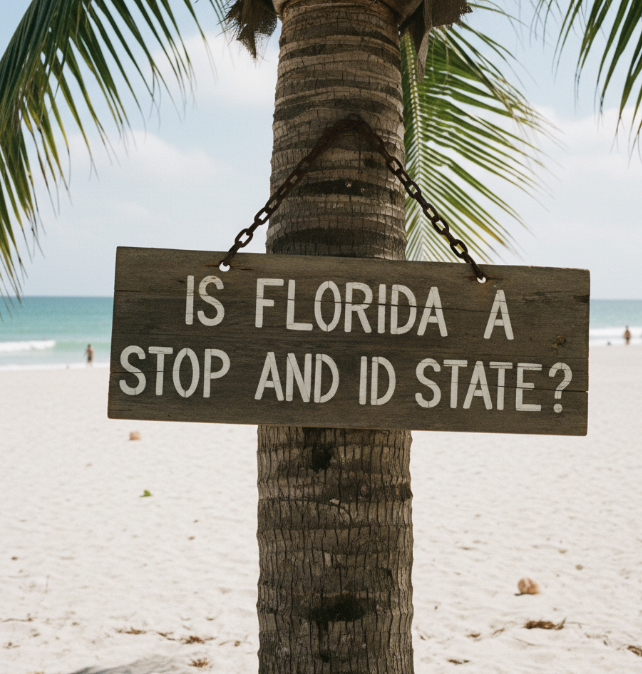
The concept of a “stop and identify” law refers to statutes that legally obligate an individual to provide identification to a law enforcement officer if they are lawfully detained on reasonable suspicion of criminal activity. In states with such laws, refusing to identify oneself can lead to further charges, even if the initial suspicion of criminal activity is unfounded. For travelers and those focused on the lifestyle of exploration, knowing these specific nuances can significantly enhance one’s peace of mind and ensure smoother interactions during their stay, making their overall travel experience more enjoyable and free from unexpected legal complications.
This article will delve into what “stop and identify” laws entail, explore Florida’s specific legal framework, and offer practical advice for navigating interactions with law enforcement, ensuring your visit to this popular destination is as stress-free as possible.
Understanding “Stop and Identify” Laws Across the U.S.
Before we focus on Florida, it’s important to grasp the general concept of “stop and identify” laws within the broader legal landscape of the United States. These laws are a point of contention and frequent discussion, touching upon fundamental constitutional rights, specifically the Fourth Amendment (protection against unreasonable searches and seizures) and the Fifth Amendment (right against self-incrimination). Understanding these frameworks is key to appreciating Florida’s unique position.
The Legal Framework and Your Rights
At the core of “stop and identify” laws is the authority of a police officer to detain an individual based on “reasonable suspicion.” This standard, established by the Supreme Court in the landmark case of Terry v. Ohio (1968), allows officers to briefly stop and question someone if they have specific, articulable facts that suggest criminal activity is afoot. Reasonable suspicion is a lower standard than “probable cause,” which is required for an arrest. If an officer has reasonable suspicion, they can conduct a pat-down search for weapons if they also have a reasonable belief that the person is armed and dangerous.
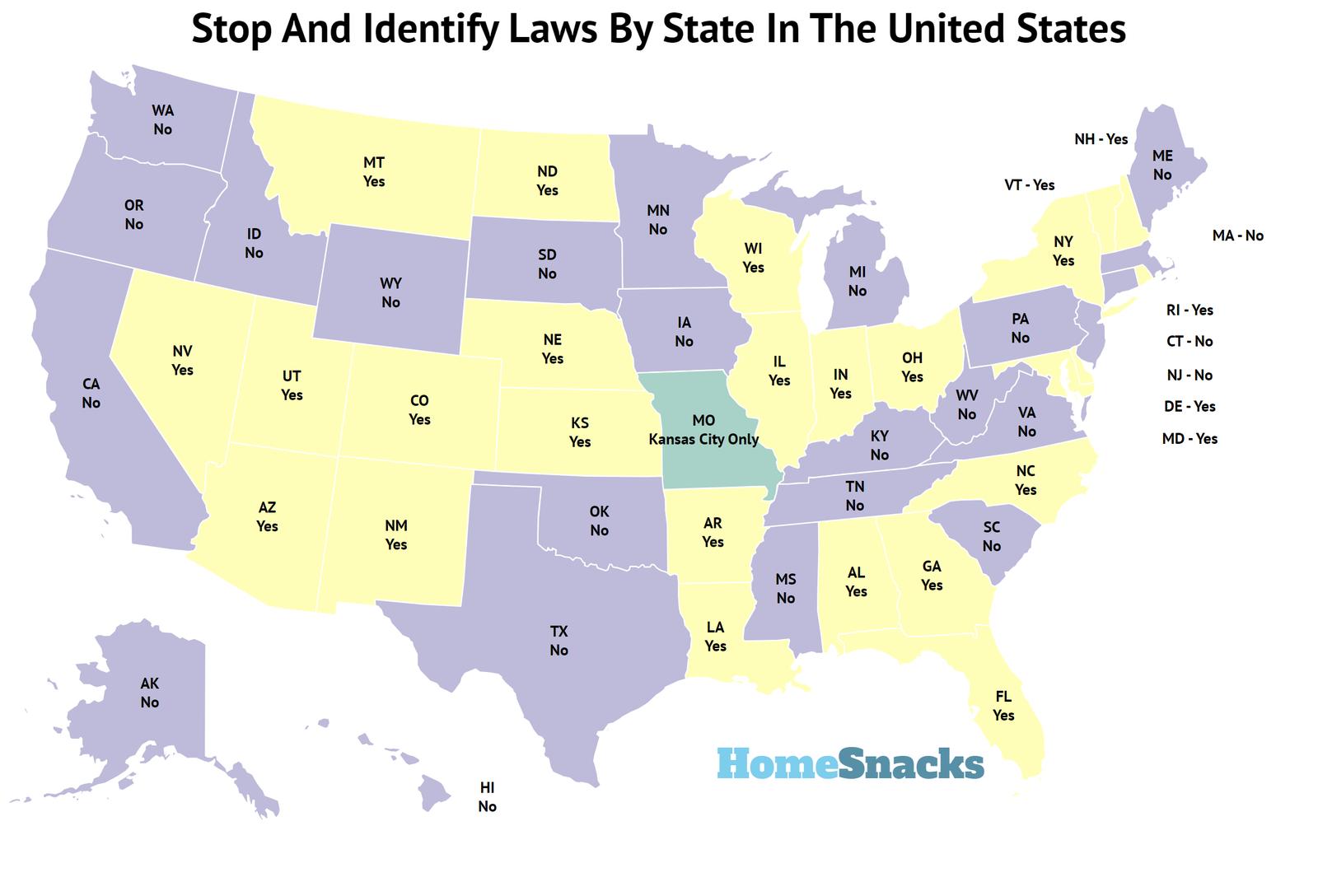
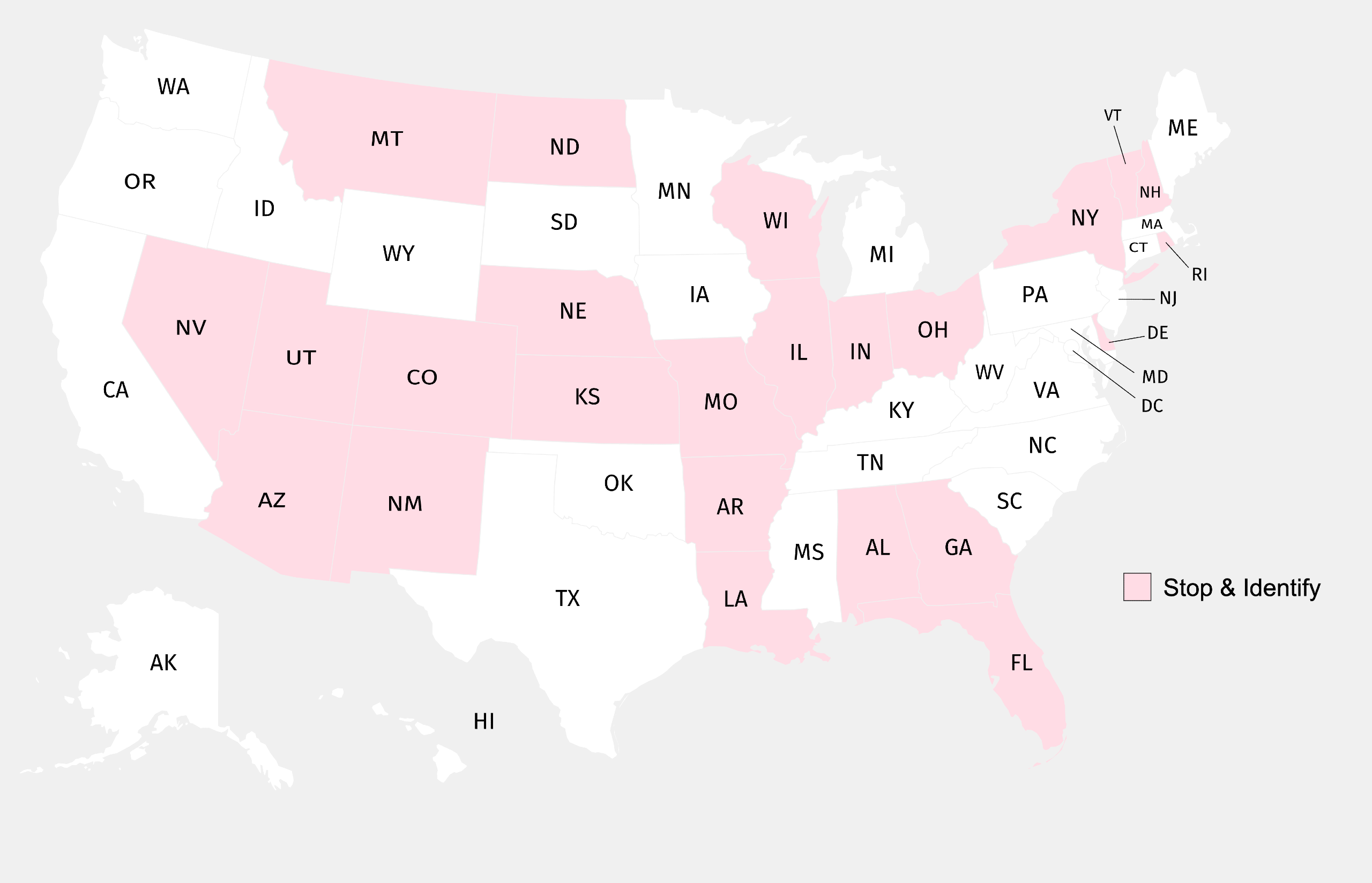
In states that are traditional “stop and identify” states, such as Arizona, Nevada, and several others, if you are lawfully stopped under the Terry v. Ohio standard, you are legally required to provide identification when requested. Failure to do so can result in an additional charge for refusing to identify, even if no other crime is found. This can be a significant point of confusion for travelers who might cross state lines, as the expectations for civilian-police interactions can vary dramatically. For those keen on exploring diverse destinations, knowledge of these local legal nuances is as important as knowing the best local restaurants or hidden landmarks.
Distinguishing Between “Stop” and “Arrest”
It’s crucial to understand the difference between being “stopped” and being “arrested,” as this directly impacts your obligations regarding identification. A “stop” or “detention” is a brief, temporary restriction of a person’s freedom for investigatory purposes. During a lawful stop based on reasonable suspicion, an individual is not free to leave, but they are not yet under arrest. An “arrest,” on the other hand, is a more formal and serious action, requiring probable cause that a crime has been committed and that the person being arrested committed it. Once arrested, individuals are typically taken into custody, booked, and processed.
The distinction matters because while you might be lawfully compelled to provide identification during a lawful stop in a “stop and identify” state, this obligation is often different when you are merely approached by an officer and asked questions without any reasonable suspicion of criminal activity. In such a scenario, where you are free to leave, you generally have no obligation to answer questions or provide identification, regardless of state law. This freedom is a cornerstone of American liberty, and understanding when you are truly “detained” versus simply “approached” is vital. For tourists enjoying the vibrant local culture or exploring historical sites, recognizing these differences can prevent unnecessary escalation and ensure a smooth experience.
Florida’s Specific Approach to Identification Requests
Now, let’s bring our focus back to the Sunshine State. Florida’s legal framework for interactions with law enforcement differs from the traditional “stop and identify” model. While officers certainly have the authority to stop and temporarily detain individuals based on reasonable suspicion, Florida statutes do not generally make it a crime solely to refuse to identify yourself during such a detention. This is a critical point for anyone visiting or residing in Florida.
When Officers Can Request ID in Florida
In Florida, an officer can absolutely ask for your identification in various situations. The key is understanding when you are required to provide it versus when you are merely being asked.
You are generally required to provide identification in Florida under specific circumstances:
- Traffic Stops: If you are operating a vehicle, you are legally obligated to provide your driver’s license, vehicle registration, and proof of insurance when requested by an officer. This is a condition of holding a driver’s license.
- Arrest: If you are lawfully arrested, you will be required to provide identifying information as part of the booking process.
- Specific Legal Requirements: Certain activities or professions require you to carry and present identification upon request. For example, if you are carrying a concealed weapon with a permit, Florida law requires you to present your permit and identification to a law enforcement officer upon request. Similarly, certain licensed professionals might have a duty to identify themselves while engaged in their professional duties.
- When ID is Part of the Crime: If your identity is an element of the crime being investigated (e.g., identity theft, impersonation), or if providing false identification is part of the suspected offense, then identification becomes relevant.
However, if an officer stops you on the street based on reasonable suspicion of a crime, and you are not doing any of the above (e.g., driving, carrying a weapon, or being arrested), Florida law typically does not make it a separate crime to refuse to state your name or show identification. While officers may ask for it, and it can sometimes de-escalate a situation to politely comply, you generally cannot be arrested solely for refusing to identify yourself when merely detained on suspicion. This aligns with the state’s broader approach to individual liberties, making it a state where understanding your rights during casual stops is vital for a smooth lifestyle and travel experience.
The Right to Remain Silent and Its Limits
The Fifth Amendment to the United States Constitution grants individuals the right to remain silent, protecting against self-incrimination. In Florida, this right means that during a detention based on reasonable suspicion, you are not generally required to answer an officer’s questions beyond providing identifying information if legally required (as discussed above). You can politely invoke your right to remain silent.
However, the right to remain silent has limits. It does not give you the right to obstruct an officer. Florida Statute 843.02 makes it a crime to “resist an officer without violence.” This means while you can politely decline to answer questions or provide identification when not legally obligated, you cannot physically resist, run away, or verbally abuse an officer. Such actions could lead to an arrest for obstruction or resisting without violence, regardless of whether the initial suspicion of criminal activity was valid. The legal system allows for challenges to unlawful stops or detentions, but resisting in the moment is almost never the correct course of action. For visitors enjoying Florida’s attractions and vibrant atmosphere, knowing this distinction can save a lot of trouble and ensure that travel memories remain positive.
Navigating Law Enforcement Encounters as a Traveler in Florida
For the millions of people who visit Florida annually, understanding these specific legal distinctions is not just a matter of legal theory but a practical necessity for safe and enjoyable travel. Whether you’re exploring the historic streets of Key West, marveling at Kennedy Space Center, or enjoying the natural beauty of Everglades National Park, knowing how to interact with law enforcement can significantly impact your experience.
Essential Tips for Visitors
Being prepared for an interaction with law enforcement is a crucial aspect of responsible tourism and travel. Here are some essential tips for visitors to Florida:
- Stay Calm and Polite: Regardless of the situation, maintaining a calm and respectful demeanor is always advisable. A polite interaction is less likely to escalate.
- Ask if You Are Free to Leave: If an officer stops you and begins asking questions, a key step is to politely ask, “Am I free to leave?” If the officer says yes, you can calmly walk away. If they say no, then you are being lawfully detained.
- Know Your Rights (and Limits): Understand that while you are generally not required to provide identification when merely detained on suspicion in Florida (unless under specific circumstances like driving), you are also not permitted to resist or obstruct.
- Do Not Lie or Provide False Information: Providing false identification or lying to an officer is a separate crime and can lead to more serious charges.
- Record if Possible and Legal: In Florida, it is generally legal to record law enforcement officers in public places, as long as it does not interfere with their duties. This can be a valuable tool for documenting interactions, but always ensure you are doing so legally and safely.
- Do Not Consent to Searches: Unless an officer has probable cause or a warrant, they need your consent to search your person, vehicle, or belongings. You have the right to refuse consent to a search. Politely state, “I do not consent to a search.” If an officer proceeds with a search after you have refused, do not physically resist, but clearly state for the record that you do not consent.
- Contact Legal Counsel if Necessary: If you feel your rights have been violated or if an interaction escalates to an arrest, seek legal advice as soon as possible.
These tips contribute to a sense of safety and preparedness, embodying a proactive approach to your lifestyle and travel adventures.
Common Scenarios and Best Practices
Different travel scenarios in Florida might present varying interactions with law enforcement.
- Traffic Stops: This is the most common scenario. Pull over safely, keep your hands visible, and follow the officer’s instructions. Present your driver’s license, registration, and insurance. Answer questions truthfully but be aware you don’t have to incriminate yourself. For example, if asked, “Do you know why I pulled you over?”, you can say, “No, officer, why did you?”
- As a Pedestrian/Bicyclist: If an officer approaches you and asks for ID while you are walking or biking without any apparent infraction, politely ask if you are free to leave. If you are not detained on reasonable suspicion for a specific crime, you generally do not have to provide ID. However, always remain polite and do not obstruct.
- Near Tourist Attractions: In high-traffic tourist areas like Walt Disney World or Universal Studios in Orlando, or along Miami Beach, there may be a higher law enforcement presence. General vigilance is always a good idea. If approached, remember the distinction between being asked for ID and being legally required to provide it. Your rights do not diminish just because you are in a popular tourist destination; in fact, ensuring a safe and pleasant experience for tourists is a priority for Florida tourism.
Understanding these scenarios and applying best practices ensures that your focus remains on enjoying the destinations, attractions, and experiences Florida has to offer, rather than navigating unexpected legal challenges.
The Nuances of Florida Law and Seeking Legal Clarity
While Florida is not a “stop and identify” state in the traditional sense, its laws contain subtleties that require careful understanding. The aim for any traveler or resident should be to be informed, respectful, and prepared, rather than confrontational. The clarity of these legal nuances contributes to a seamless travel lifestyle, preventing unnecessary disruptions.
Situations Where Identification Is Required by Law
It’s worth reiterating the situations where identification is explicitly required by Florida law:
- Driving a Motor Vehicle: This is perhaps the most common scenario.
- Carrying a Concealed Weapon: If you have a concealed weapon permit, you must present it and your ID upon request when carrying.
- Purchasing Age-Restricted Items: Such as alcohol or tobacco, where vendors are legally required to verify age.
- Specific Professional Licenses: If your work requires a state-issued license and you are performing those duties.
- Probable Cause for Arrest: If an officer has probable cause to arrest you, they can compel identification.
- Specific Statutes with Identification Elements: While not a general “stop and identify” statute, some Florida laws implicitly require identification. For example, laws against “loitering or prowling” can sometimes involve an officer attempting to ascertain identity as part of determining if there is a legitimate purpose for presence. However, merely refusing to identify oneself usually isn’t the sole basis for an arrest under these statutes; there must be other elements of suspicious activity.
These specific instances highlight that while there isn’t a blanket requirement, there are clearly defined contexts in which providing ID is a legal obligation. For those planning long-term stays or considering residency in areas like South Florida or the Florida Keys, a deeper dive into these specifics is a wise investment in their lifestyle planning.
When to Seek Professional Legal Advice
Despite your best efforts to understand and follow the law, situations can become complex. If you find yourself in a situation where you believe your rights have been violated, or if an interaction with law enforcement leads to an arrest or charges, it is imperative to seek professional legal advice immediately. An attorney specializing in criminal defense or civil rights in Florida can provide guidance, represent your interests, and help navigate the state’s legal system.
While this article provides general information, it is not a substitute for legal counsel. Laws can change, and their application depends heavily on the specific facts and circumstances of each individual case. For anyone deeply embedded in the travel and tourism industry, or for individuals simply enjoying the lifestyle that travel affords, having access to accurate, professional legal information can be a valuable resource. Knowing when to call a lawyer is as important as knowing when to book your next hotel suite or plan your next visit to a famous landmark.
Conclusion
In summary, Florida is not a “stop and identify” state in the traditional sense, meaning you generally cannot be arrested solely for refusing to provide identification when lawfully detained on reasonable suspicion, unless specific circumstances apply (such as driving, being arrested, or carrying a concealed weapon). While officers in cities like Miami, Orlando, and Tallahassee can certainly ask for your ID, there isn’t a blanket legal requirement for you to provide it if you’re not engaged in activities that explicitly mandate identification.
Understanding this nuance is vital for a seamless travel experience in the Sunshine State. By remaining calm, being polite, knowing your rights, and understanding the limits of those rights (especially regarding obstruction or resisting), you can confidently navigate interactions with law enforcement. Florida offers an incredible array of destinations, attractions, and experiences, from the vibrant nightlife of Miami Beach to the tranquil natural beauty of the Panhandle, and a well-informed traveler is a happy and safe traveler. Embrace the adventure, enjoy the local culture and lifestyle, and do so with the confidence that comes from knowing your legal standing.
LifeOutOfTheBox is a participant in the Amazon Services LLC Associates Program, an affiliate advertising program designed to provide a means for sites to earn advertising fees by advertising and linking to Amazon.com. Amazon, the Amazon logo, AmazonSupply, and the AmazonSupply logo are trademarks of Amazon.com, Inc. or its affiliates. As an Amazon Associate we earn affiliate commissions from qualifying purchases.