
Florida, often synonymous with pristine beaches, world-class theme parks, and a vibrant lifestyle, attracts millions of visitors and new residents each year. Whether you’re planning an extended vacation, considering a relocation for a new chapter in life, or exploring business opportunities in its booming tourism and hospitality sectors, understanding the fundamental aspects of the state’s employment laws is crucial. One of the most significant legal frameworks governing the relationship between employers and employees in the Sunshine State is “at-will employment.” This concept can profoundly impact job security, hiring practices, and the overall work environment, making it an essential topic for anyone contemplating working or hiring in Florida.
For those drawn by the allure of Florida’s lifestyle—be it the bustling urban energy of Miami, the family-friendly attractions of Orlando, or the serene beauty of the Gulf Coast beaches—understanding the legal landscape is as vital as picking the perfect accommodation or planning your next adventure. This article delves into what at-will employment means in Florida, its implications for both workers and businesses, and the critical exceptions that provide protection, especially within the context of the state’s dynamic travel, tourism, and lifestyle industries.
Understanding At-Will Employment in Florida
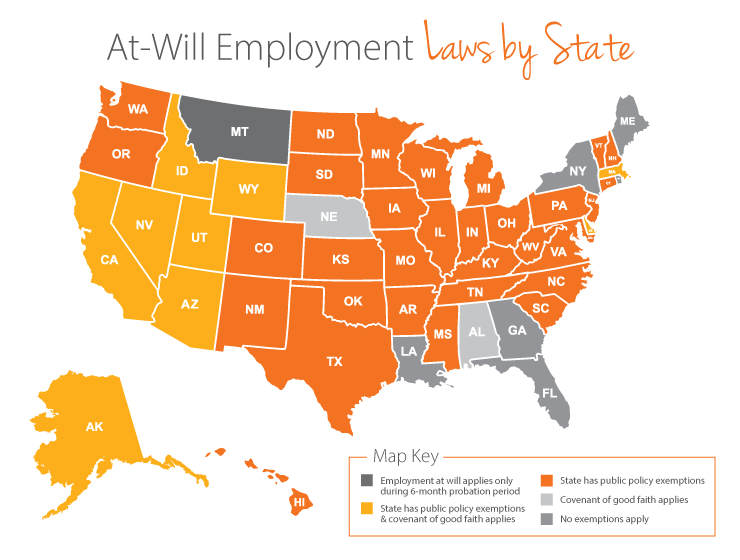
The doctrine of at-will employment is a cornerstone of labor law in most United States states, and Florida is no exception. In fact, it is considered one of the strongest at-will states. This fundamental principle dictates that an employer can terminate an employee for any reason, or no reason at all, provided that the reason is not illegal. Conversely, an employee is also free to leave their job at any time, for any reason, without notice (though providing notice is generally considered professional courtesy).
This concept forms the bedrock of countless employment relationships across the state, from the front-desk staff at a boutique hotel in Key West to a chef at a luxury resort in Palm Beach, and even the dedicated teams behind the magic at theme parks like Walt Disney World Resort or Universal Orlando Resort. While it might sound daunting, understanding its implications is key to navigating the professional landscape of Florida.
The Foundation of Florida’s Employment Landscape
At its core, at-will employment embodies the idea of freedom and flexibility in the employment relationship. It reflects a traditional common law principle that views employment as a voluntary arrangement that can be severed by either party at any time. For employers, this offers considerable flexibility in managing their workforce, allowing them to adapt quickly to changing business needs, economic fluctuations, or performance issues without the need to prove “just cause” for termination. This agility is particularly relevant in industries like tourism and hospitality, which often experience significant seasonal variations and require flexible staffing solutions.
For employees, this principle also grants them the freedom to pursue better opportunities, relocate, or change careers without being contractually bound to a particular employer. This can be appealing for individuals seeking to explore different sectors of Florida’s diverse economy, from working in a thriving restaurant scene in South Beach to joining a tech startup in Tampa or a marine research facility in Sarasota. The ease of movement can foster a dynamic job market where talent can flow to where it is most valued.
What At-Will Means for Your Sunshine State Career
For individuals considering a move to Florida for lifestyle reasons, or those already employed within its borders, the at-will doctrine carries practical implications. It means that, absent a specific employment contract or a recognized legal exception, your job security is largely dependent on your performance, the employer’s needs, and the absence of any unlawful discriminatory intent.
When accepting a job offer in Florida, it’s generally understood that the employment relationship is at-will unless explicitly stated otherwise in a written, signed contract. This doesn’t mean employers can act arbitrarily or maliciously; rather, it means they aren’t legally required to follow a specific disciplinary process or provide severance in most cases. Employees, in turn, are not obligated to give two weeks’ notice, although doing so is a professional courtesy that can preserve future references and networking opportunities.

This environment fosters a workplace culture where performance and productivity are often highly valued, as employers have the discretion to make swift personnel changes. For employees, this translates to an emphasis on excelling in their roles, maintaining good professional relationships, and understanding their rights regarding the lawful boundaries of at-will employment.
Navigating the Nuances: Exceptions to At-Will Employment
While at-will employment provides broad discretion to employers, it’s not absolute. There are crucial exceptions and legal safeguards designed to protect employees from unlawful termination. These exceptions are vital for maintaining a fair and equitable workplace and are particularly important to understand in a state with such diverse employment opportunities, from luxury hotels to major transportation hubs like Jacksonville.
Protected Rights and Legal Safeguards
The most significant exceptions to at-will employment stem from federal and state anti-discrimination laws, public policy considerations, and explicit contractual agreements. These safeguards ensure that even in an at-will state, employees have fundamental rights that employers cannot violate.
-
Anti-Discrimination Laws: Both federal and Florida state laws prohibit termination based on protected characteristics. Federal laws such as Title VII of the Civil Rights Act of 1964, the Americans with Disabilities Act (ADA), and the Age Discrimination in Employment Act (ADEA) protect against discrimination based on race, color, religion, sex (including sexual orientation and gender identity), national origin, disability, and age (for individuals 40 and older). Florida statutes, particularly the Florida Civil Rights Act, mirror and sometimes expand upon these protections. For instance, an employee at a Fort Lauderdale resort cannot be fired because of their gender or national origin.
-
Retaliation: Employers cannot terminate an employee in retaliation for exercising a legally protected right. This includes filing a workers’ compensation claim after an injury at an attraction like Busch Gardens Tampa Bay, reporting workplace safety violations to OSHA, or engaging in protected concerted activities under the National Labor Relations Act (such as discussing wages or working conditions). Florida also has a Whistleblower Act that protects employees who report an employer’s illegal activities.
-
Public Policy Exception: Although not as broadly applied in Florida as in some other states, this exception prevents termination when it would violate a clear mandate of public policy. Common examples include firing an employee for refusing to commit an illegal act, for performing jury duty, or for reporting an employer’s criminal activity. This ensures that employees are not penalized for upholding civic duties or refusing to participate in unlawful behavior.
-
Implied Contracts (Limited): While less common and harder to prove in Florida, an implied contract might arise from employer handbooks, oral assurances, or consistent past practices that create a legitimate expectation of continued employment or require “just cause” for termination. However, many Florida employers explicitly state in their employee handbooks or offer letters that employment is at-will to prevent such claims.
The Role of Employment Contracts and Collective Agreements
Beyond the statutory and public policy exceptions, express agreements significantly alter the at-will relationship.
-
Individual Employment Contracts: When an employer and employee enter into a formal, written employment contract, the terms of that contract supersede the at-will doctrine. Such contracts typically specify a fixed term of employment, outline conditions for termination (e.g., “for cause” only), detail severance packages, and define other aspects of the employment relationship. This is common for executives, highly specialized professionals, or key personnel in industries like professional sports or high-level management in large resort chains such as The Breakers Palm Beach or Hyatt Regency Orlando.
-
Collective Bargaining Agreements (CBAs): For employees who are members of a union, their employment terms are governed by a Collective Bargaining Agreement negotiated between the union and the employer. CBAs almost universally include “just cause” provisions for termination, grievance procedures, and other protections that significantly limit an employer’s ability to fire employees at-will. While unionization rates in Florida are lower than in some other states, CBAs still play a vital role in protecting workers in specific sectors.
Understanding these exceptions is paramount for both employees and employers. For employees, knowing their rights empowers them to address potential wrongful terminations. For employers, it underscores the importance of fair hiring practices, consistent policy application, and compliance with all anti-discrimination and anti-retaliation laws, even within an at-will framework.
At-Will Employment & Florida’s Vibrant Tourism & Lifestyle Sectors
Florida’s economy is heavily reliant on tourism, hospitality, and related lifestyle industries. From the theme parks of Orlando to the luxury accommodations of Miami Beach and the natural wonders of Everglades National Park, these sectors provide millions of jobs and shape the state’s identity. The at-will employment doctrine has a distinctive impact on these dynamic industries.
Impact on Hospitality and Travel Industries
The hospitality and travel sectors are characterized by fluctuating demand, seasonal peaks, and a high volume of customer interaction. The at-will nature of employment provides both benefits and challenges within this context.
For Employees in Tourism and Hospitality
For those working in hotels, resorts, restaurants, attractions, and tour companies across Florida, at-will employment means a fluid job market. It can be easier to secure entry-level positions or seasonal work, which is beneficial for students, those seeking temporary employment, or individuals looking to gain experience. For instance, temporary staff for the holiday season at a resort in Amelia Island or during spring break in Panama City Beach can be hired and released with relative ease, aligning with business needs.
However, this also means less inherent job security. Performance is key, and employees must consistently meet expectations. Building a strong professional reputation, acquiring valuable skills (like multilingualism, crucial in places like Miami), and providing exceptional guest experiences are paramount for career longevity and advancement in this competitive market. Workers should also be aware of their rights regarding breaks, wages, and a safe working environment, which are protected regardless of at-will status.
For Employers in Tourism and Hospitality
The at-will doctrine grants significant operational flexibility to businesses in Florida’s tourism and hospitality sectors. Employers can scale their workforce up or down rapidly to meet the demands of peak tourist seasons or unexpected downturns. This agility helps businesses like Loews Portofino Bay Hotel manage staffing levels efficiently, optimizing labor costs and responding to market shifts.
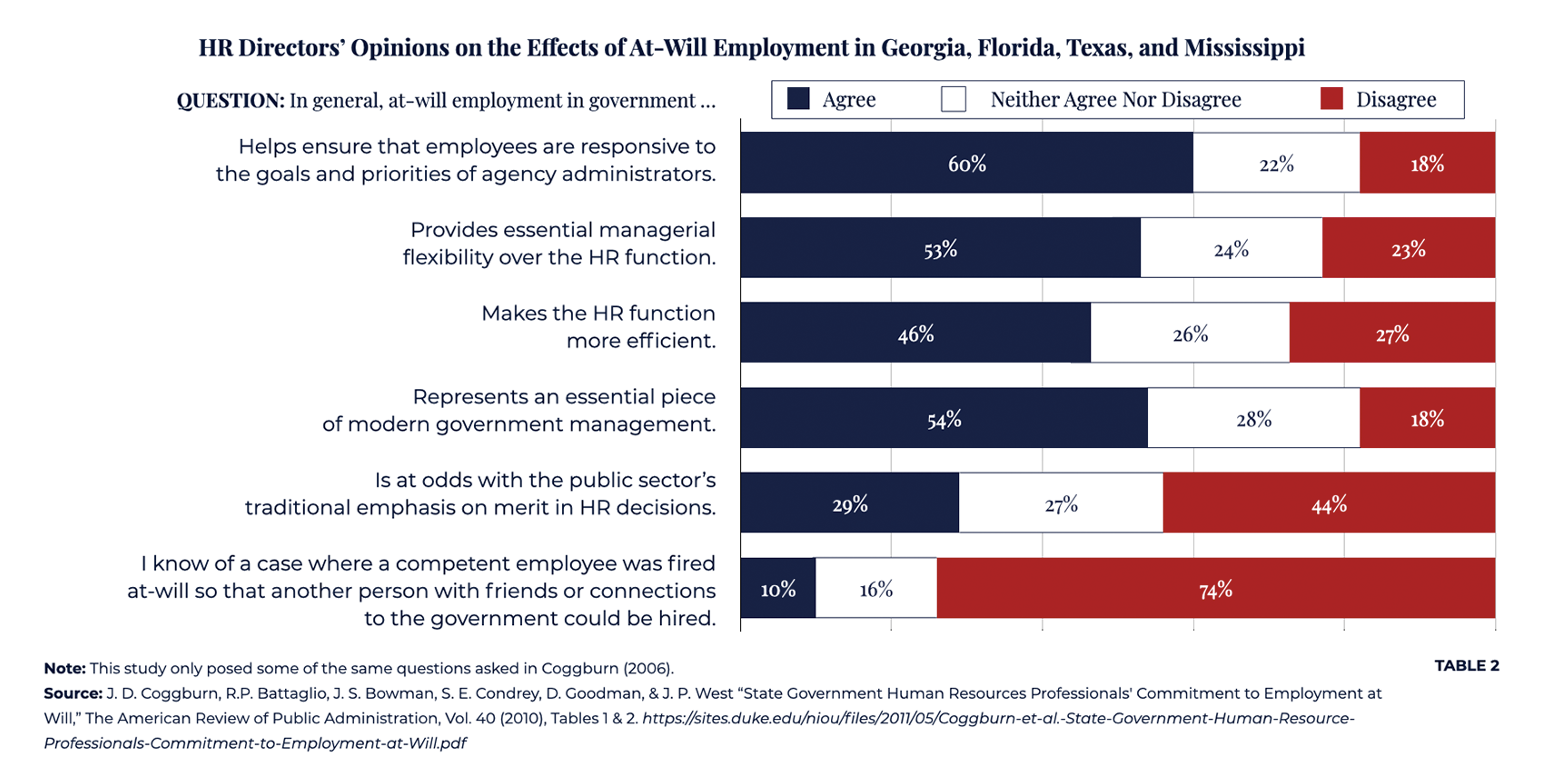
This flexibility can foster a business-friendly environment that encourages investment and growth, leading to more job creation in the long run. However, it also presents challenges. A high turnover rate, often associated with at-will employment, can lead to increased recruitment and training costs. Maintaining employee morale and fostering a loyal workforce requires proactive management strategies, competitive compensation, benefits, and a positive work culture, going beyond mere legal compliance. Employers must balance the flexibility of at-will employment with the need for talent retention and strong team cohesion, particularly in customer-facing roles where consistency and experience are valued.
Relocating to Florida: Lifestyle, Work, and Planning Ahead
Many individuals and families choose to relocate to Florida for its desirable lifestyle—warm weather, diverse cultural experiences, and abundant recreational activities. From retiring to Naples to seeking career opportunities in St. Petersburg or launching a new business venture near Kennedy Space Center Visitor Complex, the state offers a myriad of possibilities. Understanding at-will employment is a critical component of this broader relocation decision.
For prospective residents, researching the specific industries and companies they aim to join is essential. While at-will employment is the default, some companies, especially larger corporations or those with a strong focus on employee retention, might offer contracts or have robust internal policies that provide more job security than the bare minimum of at-will status. Considering roles in sectors less impacted by seasonal tourism, such as healthcare, aerospace, or finance, might also offer different employment dynamics.
Those planning long-term stays or considering property investments, whether for personal accommodation or as part of a rental business, should also understand the labor market from a broader perspective. The ease of doing business, partly facilitated by at-will employment, contributes to Florida’s economic vibrancy, which in turn fuels the real estate market and supports the extensive network of services and amenities that enhance the Florida lifestyle. Whether you’re considering managing vacation rentals in Daytona Beach or looking for a permanent residence on Sanibel Island or Captiva Island, the general economic health and employment stability of the region will influence your long-term plans.
In conclusion, Florida firmly operates as an at-will employment state, providing significant flexibility for both employers and employees. While this framework allows businesses to adapt quickly to the dynamic demands of the travel, tourism, and lifestyle sectors, it also places a premium on performance and proactive career management for employees. However, it is crucial to remember that this flexibility is not boundless. Robust federal and state laws protect employees from discrimination, retaliation, and other unlawful terminations. For anyone planning to work, hire, or simply explore the vibrant lifestyle opportunities in the Sunshine State, a clear understanding of at-will employment and its important exceptions is not just good practice—it’s essential for navigating the professional landscape successfully.
LifeOutOfTheBox is a participant in the Amazon Services LLC Associates Program, an affiliate advertising program designed to provide a means for sites to earn advertising fees by advertising and linking to Amazon.com. Amazon, the Amazon logo, AmazonSupply, and the AmazonSupply logo are trademarks of Amazon.com, Inc. or its affiliates. As an Amazon Associate we earn affiliate commissions from qualifying purchases.